
Language Settings
Select Website Language

GDPR Compliance

We use cookies to ensure you get the best experience on our website. By continuing to use our site, you accept our use of cookies, Privacy Policy, and Terms of Service.

Filters

Channels
Topics
Other Filters

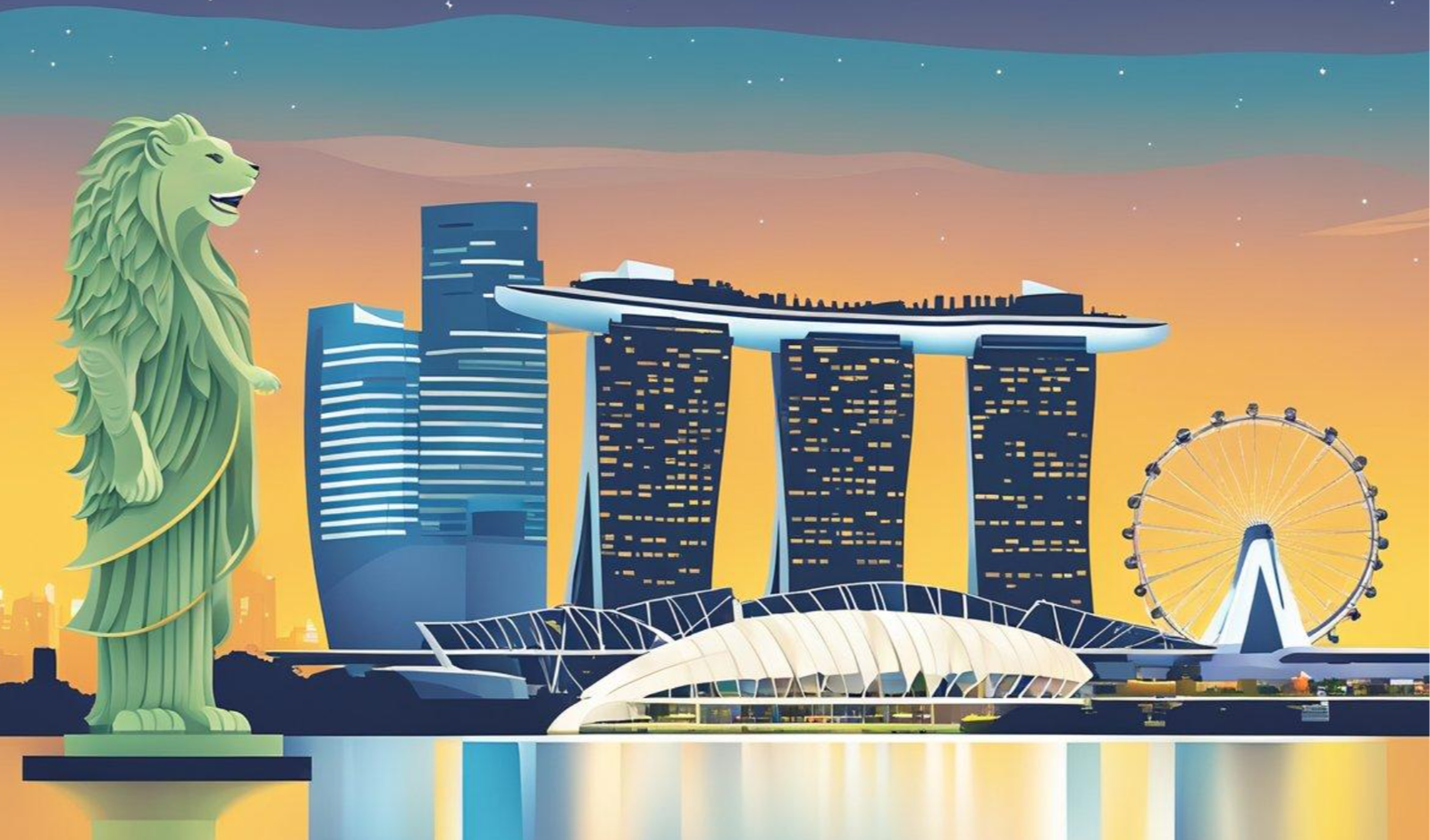
Singapore Residents Exercise More but Consume More Calories and Salt

Singapore health surveys reveal rising physical activity alongside higher calorie, saturated fat and sodium consumption among residents. Singapore residents are becoming more physically active, but a rise in calorie, saturated fat and sodium consumption is presenting new challenges for public health authorities, according to surveys released by the Ministry of Health (MOH) and Health Promotion Board (HPB). The findings highlight a changing lifestyle among residents, with increased participation in physical activities occurring alongside shifts in dietary habits. Eating Out Influences Dietary Patterns One of the factors identified in the surveys is the growing frequency of eating outside the home. Restaurant meals, takeaway food and convenience dining can make it more difficult for individuals to monitor their daily intake of calories, salt and saturated fats. Excessive sodium consumption is associated with elevated blood pressure, while high intake of saturated fats can contribute to cardiovascular health risks. The findings underline the importance of balancing physical activity with healthier food choices. Public Health Remains a Priority Singapore has introduced various initiatives to encourage exercise, healthier eating and preventive healthcare. The latest survey findings provide additional information for policymakers and health organisations seeking to address lifestyle-related health risks. Experts generally emphasise that regular exercise and balanced nutrition work together to support long-term wellbeing. For residents, the message is straightforward: increasing physical activity is beneficial, but paying attention to food choices remains equally important.

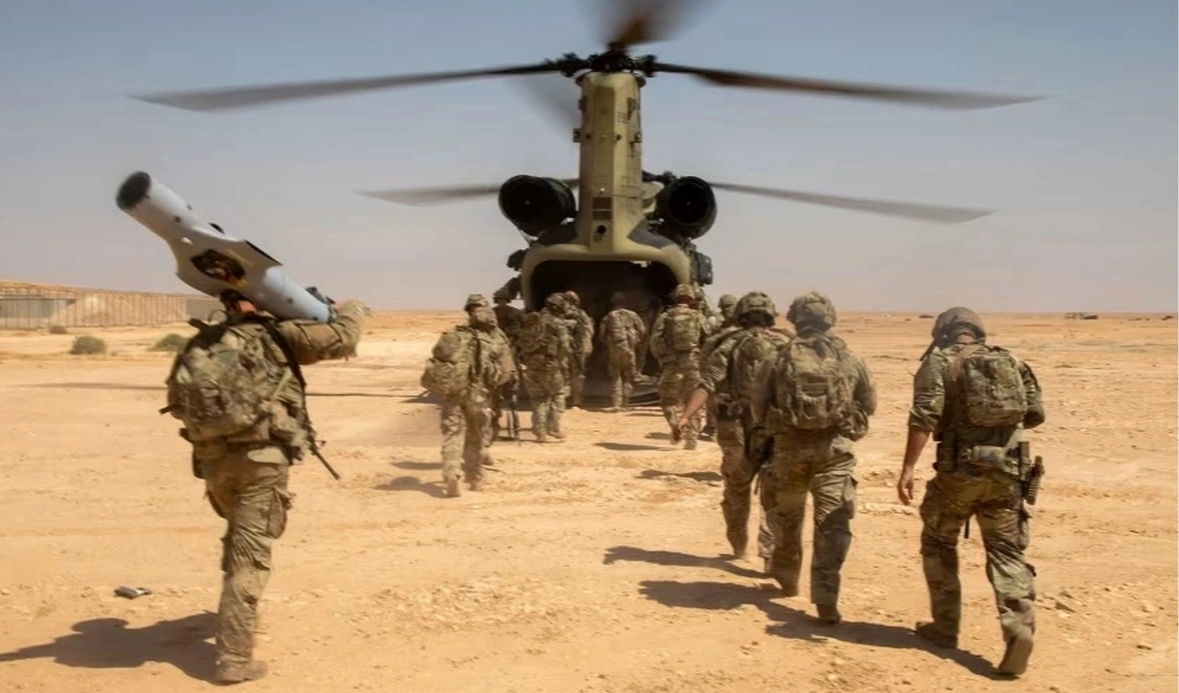
US Completes Troop Withdrawal From Iraq After 12-Year ISIS Mission

US completes its military withdrawal from Iraq, ending a 12-year mission against ISIS as regional security arrangements evolve. Baghdad / Washington: The United States has announced the completion of its troop withdrawal from Iraq, bringing an end to a 12-year military mission focused on combating the Islamic State group, according to recent reporting. The development represents a significant change in the US military presence in the region. The withdrawal comes as Iraq continues to manage internal security priorities and broader regional tensions involving neighbouring countries. The future of counterterrorism cooperation, intelligence-sharing arrangements and regional security partnerships remains an important subject for policymakers.

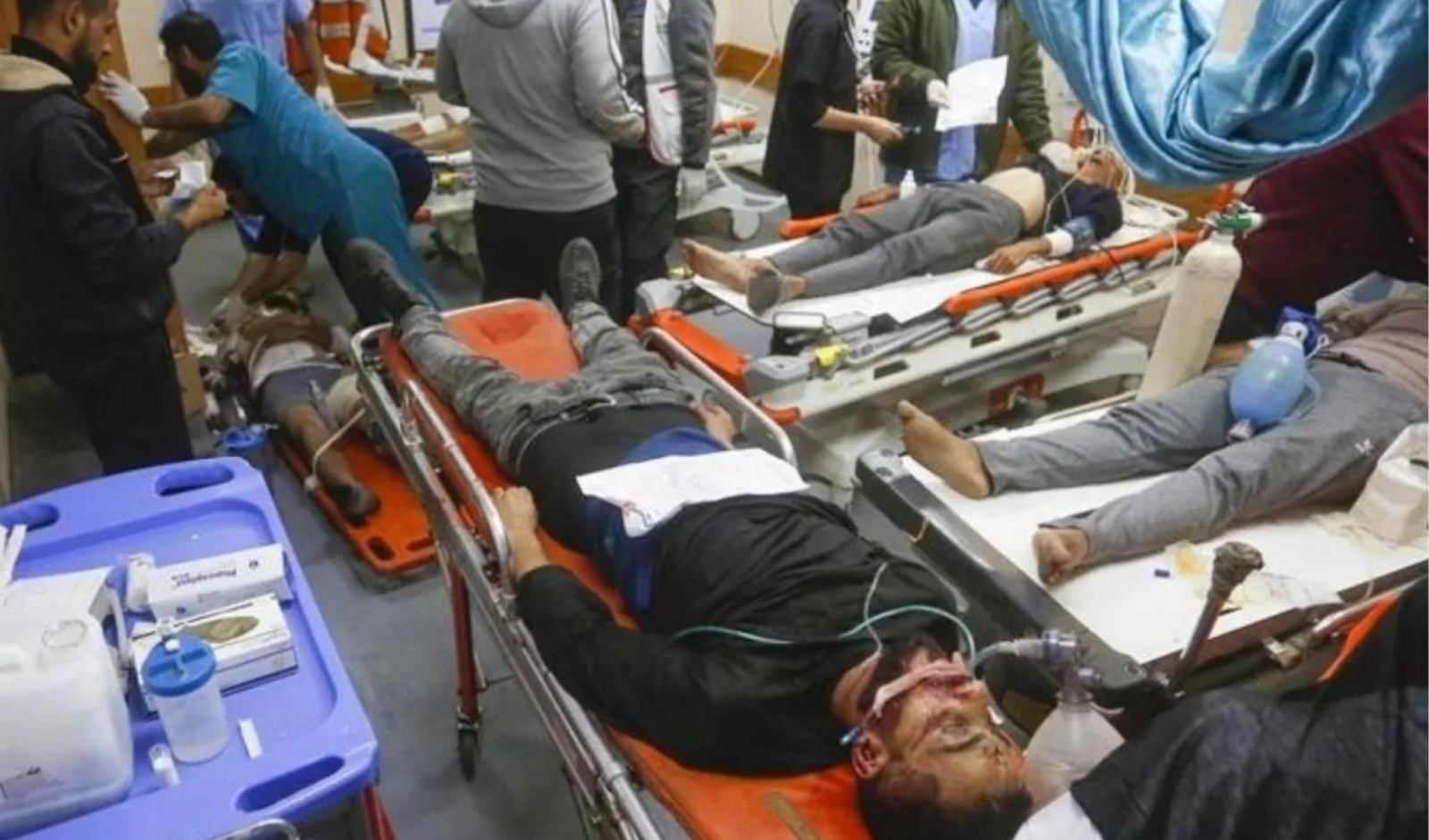
Gaza Medical Crisis 22,000 Patients Await Evacuation, Including 5,600 Children

Around 22,000 Gaza patients, including 5,600 children, reportedly await medical evacuation as healthcare challenges intensify. Gaza: Approximately 22,000 patients in Gaza are reportedly awaiting medical evacuation abroad, including around 5,600 children, according to a senior hospital official cited in recent reporting. The situation highlights the growing pressure on Gaza's healthcare system, where shortages of medical supplies, damaged facilities and limited access to specialised treatment have created serious challenges. Patients requiring urgent surgery, cancer treatment and other specialised care are among those affected. Humanitarian organisations have repeatedly called for improved medical access and the facilitation of patient transfers. The scale of the evacuation backlog illustrates the long-term consequences of conflict on civilian healthcare.

Gaza Airstrikes Kill Five Palestinians, Including Two Christian Women

Five Palestinians, including two Christian women, reportedly killed in Gaza airstrikes as humanitarian concerns and ceasefire tensions continue. Gaza City: Israeli airstrikes have reportedly killed five Palestinians, including two women from Gaza's Christian community, according to medical officials at Shifa Hospital. The strikes caused extensive damage to a multistorey building, with reports of people missing beneath the debris. Emergency teams and medical personnel have been dealing with the aftermath. The deaths have renewed concerns about civilian protection and the continuing humanitarian crisis in Gaza. According to Gaza's Health Ministry, more than 1,400 Palestinians have been killed in Israeli strikes since the ceasefire agreement reached nearly a year ago. Israeli officials have maintained that military operations target militant threats and violations of the ceasefire. The latest incident underscores the continuing challenges facing efforts to maintain a lasting cessation of hostilities.

FlyDubai Co-Pilot Identified After Cockpit Attack Investigation Underway

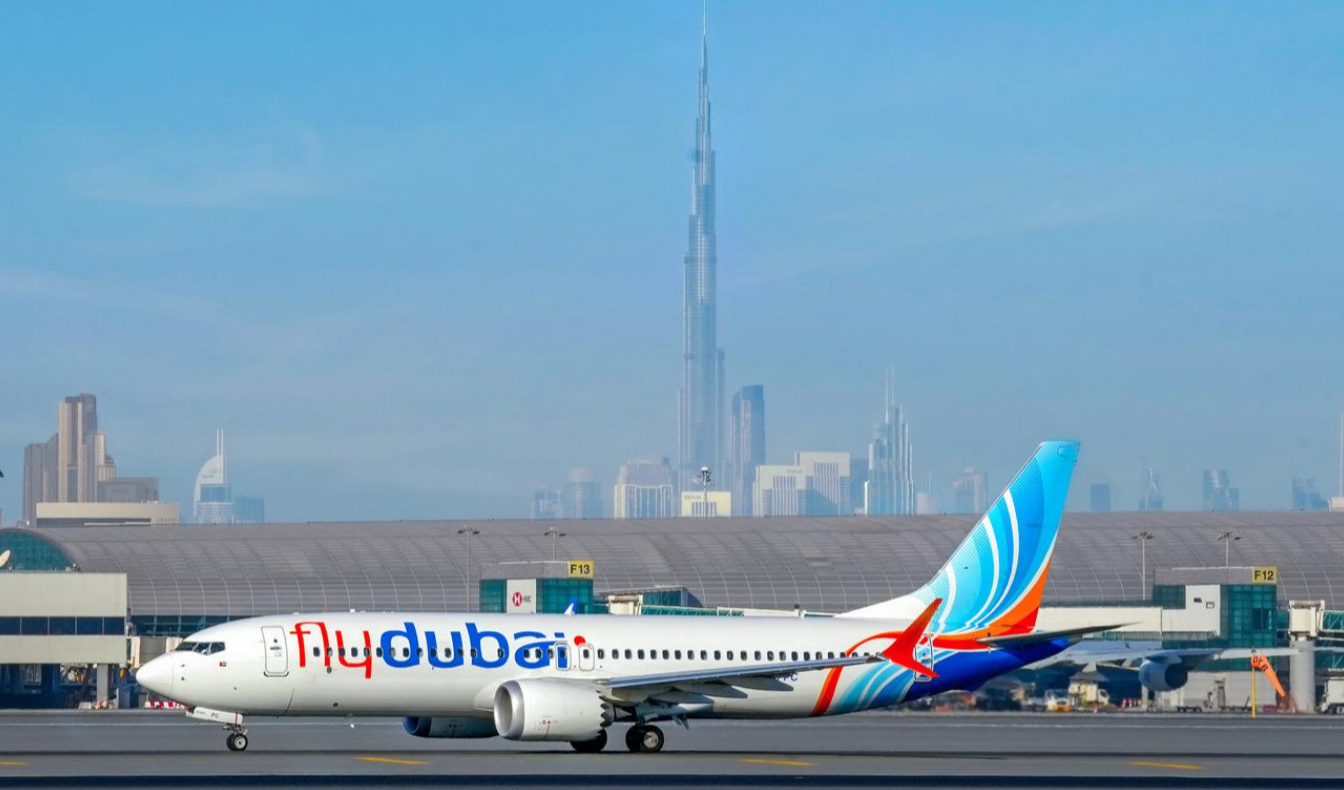
FlyDubai co-pilot identified as an Omani national after an alleged cockpit attack. Investigators examine aviation security and passenger safety. Dubai / Riyadh: Investigators are examining a serious aviation security incident involving a FlyDubai flight after its co-pilot allegedly attacked the captain and attempted to seize control of the aircraft. The co-pilot has been identified as Hamam al-Hammami, an Omani national. According to reports, the incident involved the use of a cockpit crash axe, while passengers and other individuals intervened to prevent further escalation. The aircraft, carrying 182 people, eventually landed safely in Saudi Arabia. Authorities are investigating the suspect's background and whether he acted alone. The incident has raised fresh questions about cockpit security, aviation safety procedures and the screening of airline personnel.

Andhra Pradesh Targets Quantum Tech and Advanced Industry Growth

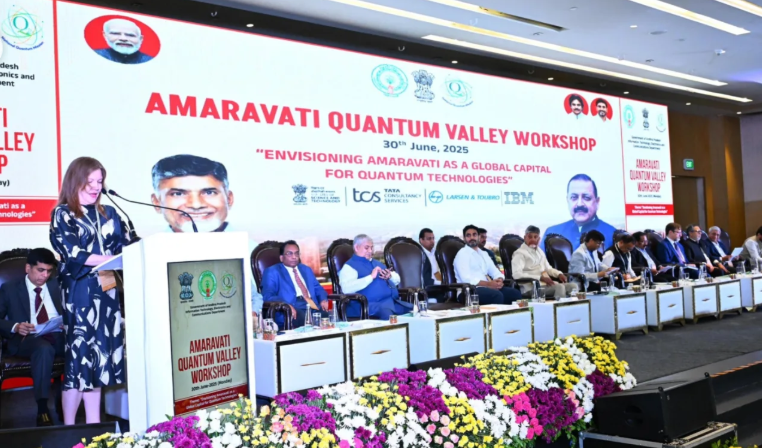
Andhra Pradesh is expanding its technology strategy with a focus on quantum computing, defence, electronics, space and deep-tech industries. Andhra Pradesh Expands Focus on Technology, Quantum Computing and Industrial Innovation AMARAVATI: Andhra Pradesh is increasing its focus on emerging technologies as part of a broader strategy to attract research, investment and advanced manufacturing to the state. The technology strategy includes areas such as quantum technology, electronics, defence, space technology, renewable energy and digital infrastructure. The state is seeking to use its proposed industry clusters to connect businesses with research institutions, technology companies, skilled professionals and supporting industries. Quantum technology has emerged as one of the areas receiving attention, with state leaders highlighting its potential role in India's future technology ecosystem. The wider strategy also includes deep-tech sectors where research and industrial production need to develop together. For Andhra Pradesh, building such an ecosystem could create opportunities in high-skilled employment, engineering, research, manufacturing and technology services. However, large technology ecosystems require long-term investment in education, research facilities, electricity, digital connectivity, industrial land and skilled manpower. The state's proposed cluster model is therefore being presented as a way to combine infrastructure and investment rather than relying solely on individual projects. The coming years will determine how quickly these plans translate into operating companies, research centres, jobs and commercial technology projects.

Flydubai Scare Indian Pilot Smit Machchhar Hailed as Hero

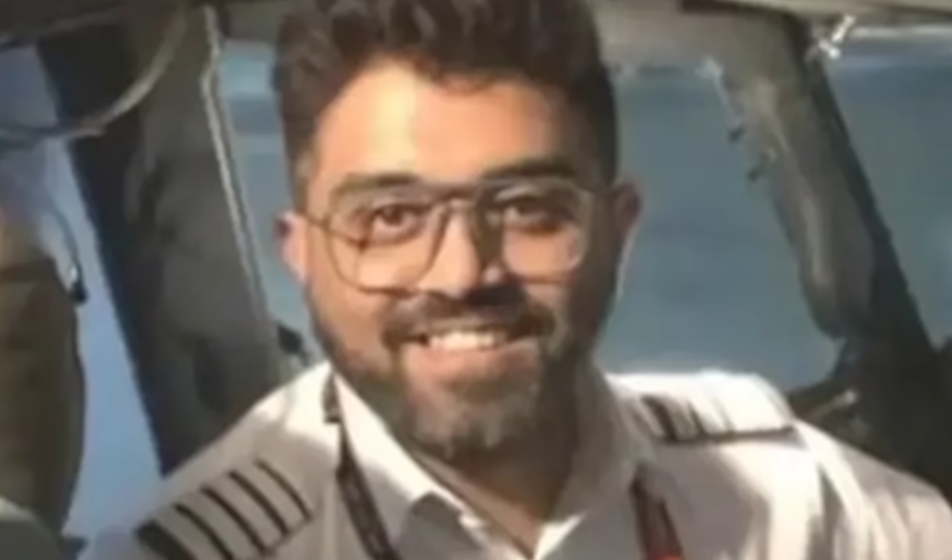
Indian pilot Smit Machchhar is hailed after the Flydubai FZ1073 cockpit crisis, as passengers and crew help avert disaster and land safely in Saudi Arabia. SPECIAL REPORT | AVIATION & WORLD NEWS DUBAI / TEL AVIV / TABUK: An Indian airline captain is being widely praised in Israel and India after a terrifying cockpit incident aboard a flydubai flight to Tel Aviv was brought under control, allowing the aircraft carrying more than 170 people to make a safe emergency landing in Saudi Arabia. Captain Smit Machchhar, an Indian pilot from Mumbai, was seriously injured during the incident aboard flydubai Flight FZ1073, which was travelling from Dubai International Airport to Ben Gurion Airport near Tel Aviv on September 30, 2026. Despite his injuries, Machchhar managed to open the cockpit door, enabling passengers and other crew members to intervene. Two other flydubai pilots who were travelling on the aircraft then helped secure and land the aircraft at Tabuk Airport in northwestern Saudi Arabia. The dramatic episode has generated an outpouring of appreciation from Israeli passengers, officials and members of the public, with Machchhar being described as a hero for his actions during the emergency. What Happened on Flydubai Flight FZ1073? Flight FZ1073 departed Dubai for Tel Aviv on September 30. According to aviation tracking data and passenger accounts, the aircraft experienced a sudden and severe emergency while in flight. The incident involved a violent confrontation in the cockpit between the captain and co-pilot. The Indian captain was attacked and seriously injured. During the struggle, the aircraft underwent a rapid descent. Reuters reported that the aircraft lost more than 14,000 feet in about 30 seconds during one stage of the emergency. Other accounts described the aircraft descending roughly 17,000 feet during the crisis. The situation created the possibility of a catastrophic aviation accident. Passengers and crew members responded when they realized something was seriously wrong. Machchhar, despite being injured, managed to open the cockpit door. That action proved critical because passengers and other personnel could then enter the cockpit and help overpower the attacker. Two additional flydubai pilots who were travelling on the aircraft subsequently assisted in regaining control of the aircraft. The plane was diverted to Tabuk, Saudi Arabia, where it landed safely. The UAE General Civil Aviation Authority confirmed that a security incident had occurred and that the aircraft was diverted for an emergency landing in Tabuk. It also confirmed that injured crew members were taken to hospital. Captain Smit Machchhar: The Indian Pilot at the Centre of the Drama Captain Smit Machchhar has emerged as the central figure in the story. The Mumbai-born pilot has been identified in multiple reports as the captain of FZ1073. He had previously worked as a pilot with SpiceJet before joining flydubai, according to Indian media reports. Machchhar sustained serious injuries during the cockpit confrontation and was initially treated in Saudi Arabia before being transferred to the UAE for further medical care. Reports said he was in stable condition while recovering from his injuries. His actions during the crisis have drawn praise from both Indian and Israeli leaders. 'I Was Fighting for My Life' In his first public account after the incident, Machchhar described the extraordinary pressure he faced while injured inside the cockpit. During a video call with Prime Minister Narendra Modi from his hospital bed, the captain explained that he realized the aircraft was falling and knew that he had to make one final effort to open the cockpit door. He said he was fighting for his own life while also understanding that the passengers' lives were at risk. Machchhar told Modi that he could not allow everyone else on board to die. The account provided a remarkable insight into the moments before passengers were able to enter the cockpit. Israelis Call the Indian Captain a Hero The response in Israel was immediate. Passengers who survived the incident described the actions of the captain and other people on board as critical to preventing a far more serious disaster. Israeli Prime Minister Benjamin Netanyahu publicly praised Machchhar, calling him a hero and crediting his actions with helping prevent a catastrophic mid-air disaster. Netanyahu said the Indian pilot had been seriously injured but fought back, opened the cockpit door and enabled passengers and crew to overpower the attacker. He also expressed wishes for Machchhar's recovery. Social-media users in Israel subsequently shared messages of gratitude and admiration for the Indian pilot. Expressions including "What a hero" and calls to remember Machchhar's name spread across social media as details of the incident became public. The praise was not limited to Machchhar. Israeli passengers who physically intervened inside the cockpit were also recognized for their actions. Passengers Become Part of the Rescue Machchhar was not the only person who helped prevent the crisis from becoming a disaster. Several passengers responded after realizing that something was wrong. Among those identified in reports were Israeli passengers who entered the cockpit and helped restrain the attacker. One of the passengers, Yaniv Hayoun, was among those who helped during the struggle. Another passenger, Israeli dentist Dr. Shota Musayev, provided emergency medical assistance to the injured captain. Musayev said he responded after hearing screams and found Machchhar badly injured and bleeding. He helped provide first aid and worked to stabilize the wounded pilot. Other passengers also helped restrain the attacker. Their actions demonstrated that the survival of the flight was the result of a coordinated response involving the injured captain, passengers, cabin crew and other pilots. Two Other Pilots Helped Stabilize the Aircraft A particularly important element of the incident was the presence of two additional pilots travelling on the aircraft. According to the Associated Press, the two off-duty crew members moved to help stabilize the aircraft after the cockpit confrontation. Their intervention was critical because the aircraft needed qualified pilots to maintain control and complete the emergency diversion. The aircraft was subsequently flown safely to Tabuk, Saudi Arabia. All passengers ultimately survived the incident. Emergency Landing in Saudi Arabia The aircraft's destination was Tel Aviv, but the emergency forced a diversion. The plane landed at Prince Sultan bin Abdulaziz International Airport in Tabuk. Saudi authorities confirmed that the aircraft was permitted to make the emergency landing following the emergency declaration. According to Saudi reporting, the aircraft landed safely at approximately 9:45 a.m. carrying 174 passengers and eight crew members. The unusual emergency landing attracted international attention because Saudi Arabia and Israel do not maintain normal diplomatic relations. The priority, however, was the immediate safety of everyone on board. Passengers were subsequently transported back toward Israel using replacement arrangements. What Happened to the Co-Pilot? The co-pilot involved in the cockpit confrontation was detained after the aircraft landed. Initial reports described the incident as a suspected attempt to take control of the aircraft. At first, authorities cautioned against speculation about the motive. That caution was important because the circumstances surrounding the incident were still being investigated. The UAE's General Civil Aviation Authority initially described the event simply as a security incident and said investigators were examining its causes and circumstances. By October 3, UAE authorities had gone further and characterized the incident as an attempted terrorist attack, according to Reuters. The investigation is continuing to establish the precise motive and whether anyone else was involved. Because the investigation remains active, claims about the attacker's motives or alleged affiliations should be treated as findings of authorities rather than independently established facts unless supported by official evidence. Flydubai Urged People Not to Speculate In the immediate aftermath, flydubai said the flight had experienced an incident and confirmed that it landed safely in Tabuk. The airline said all passengers were safe and accounted for. Later, the airline thanked: The captain The pilots who secured the aircraft The cabin crew Passengers who assisted Saudi authorities Flydubai also emphasized that the underlying reasons and motives were initially unknown and remained subject to an official investigation. The airline specifically urged people to avoid premature speculation while authorities gathered evidence. That distinction is important in reporting the incident accurately. Prime Minister Modi Praises Captain Machchhar Indian Prime Minister Narendra Modi spoke with Machchhar while the pilot was recovering in hospital. Modi praised his courage and told him that his actions had made the country proud. The conversation provided the Indian public with a direct account from the injured pilot. Machchhar described the decision to make one final effort to open the cockpit door despite his injuries. His account has since become one of the most widely discussed elements of the incident. Israeli President Plans Recognition for Passengers The Israeli response has also extended to the passengers who intervened. Israeli President Isaac Herzog said he intended to recommend several Israelis involved in the response for the President's Medal for Civilian Heroism. Those identified include Yaniv Hayoun, Dr. Shota Musayev, Tzvika Mans and Asaf Rejwan. Tali Mans, who reportedly alerted passengers to the unfolding emergency, was also subsequently included in recognition discussions. The Israeli presidency said their actions involved significant personal risk during the crisis. The Role of Dr. Shota Musayev One of the most remarkable supporting stories from the flight involves Dr. Shota Musayev. Musayev is an Israeli dentist who happened to be among the passengers. When he heard the disturbance, he went toward the cockpit. He found the captain severely injured and bleeding. Musayev used his medical knowledge to provide emergency assistance while the aircraft was still in the air. His actions were particularly important because the captain had suffered significant injuries and required immediate medical attention. Musayev later described the situation as extremely difficult but said several people worked together to prevent a disaster. From Fear to Relief For passengers, the flight transformed from a routine journey between Dubai and Tel Aviv into a life-threatening emergency within minutes. Passengers initially experienced what some believed might be severe turbulence. The aircraft then began descending rapidly. The cockpit situation became known to passengers as screams and disturbances were heard. People moved toward the front of the aircraft. The cockpit door was opened. Passengers and crew entered. The attacker was restrained. Other pilots took control. The aircraft diverted. Finally, the plane landed safely in Tabuk. The sequence illustrates how quickly an aviation emergency can escalate—and how the coordinated actions of trained crew and passengers can make a critical difference. Why the Incident Has Drawn Global Attention The incident has attracted international attention for several reasons. An Indian pilot at the centre of the rescue Captain Machchhar's nationality has made the story particularly significant in India. Israeli passengers were directly involved Several passengers physically intervened during the emergency. The aircraft rapidly lost altitude Flight-tracking data showed a dramatic descent during the incident. Saudi Arabia became the emergency destination The aircraft safely landed in Tabuk despite the unusual diplomatic circumstances. Multiple people contributed to the rescue The outcome was not the result of one person alone. It involved the captain, other pilots, passengers, cabin crew and medical assistance. A Story of Collective Courage Although Captain Smit Machchhar has become the most prominent figure in the story, the full account is broader. The captain fought through serious injuries. Passengers entered a dangerous cockpit situation. An Israeli dentist provided medical assistance. Other pilots took control of the aircraft. Cabin crew members continued to perform their duties. Saudi authorities received the aircraft and provided emergency assistance. Together, these actions helped transform a potentially catastrophic aviation emergency into a safe landing. Investigation Continues Authorities are continuing to investigate exactly what happened inside the cockpit. Key questions include: What triggered the confrontation? How did the attacker gain access to the emergency equipment? What was the precise sequence of events inside the cockpit? Why did the aircraft begin its rapid descent? What was the attacker's motive? Were any other individuals involved? Were there previous warning signs? How did the security and operational systems respond? The UAE has now officially characterized the event as a terrorist act, but the wider investigation into motive and possible connections remains ongoing. Aviation Security Questions The incident is also likely to raise questions for the international aviation industry. Commercial aviation relies heavily on cockpit security, pilot screening, crew coordination and emergency procedures. A violent confrontation between flight-deck personnel presents an unusual and extremely serious security challenge. Investigators will therefore examine not only what happened during the flight but also the circumstances leading up to the incident. Any conclusions about recruitment, screening, training or security procedures should wait for the findings of the official investigation. The Indian Pilot's Message of Courage Perhaps the most striking part of Captain Machchhar's account is that he did not describe himself as acting alone. While speaking about the incident, he acknowledged the role played by others in helping save the aircraft. His story has nevertheless resonated strongly because he continued to act despite severe injuries. For the passengers on board, the decision to open the cockpit door created the opportunity for others to intervene. That moment became a turning point in the crisis. 'What a Hero': A Pilot Remembered for His Courage The flydubai FZ1073 incident will likely remain one of the most extraordinary aviation emergencies of 2026. For Indian audiences, the story has become a source of pride because an Indian captain played a central role in preventing a potential disaster. For Israeli passengers, it is a story of survival and collective action. And for the aviation industry, it is a case that will require careful investigation. Captain Smit Machchhar survived a violent cockpit attack and helped create the opportunity for passengers and other pilots to regain control of the aircraft. The passengers who rushed toward the cockpit, the medical professional who treated the wounded captain, the crew members who maintained order and the additional pilots who helped land the aircraft all contributed to the outcome. What began as a terrifying flight from Dubai to Tel Aviv ended safely in Tabuk. And across India and Israel, one message has dominated the reaction: What a hero. News National | Special World Report Reporting focus: Aviation, India, Israel, UAE and Saudi ArabiaIncident date: September 30, 2026Flight: flydubai FZ1073Route: Dubai → Tel AvivEmergency diversion: Tabuk, Saudi ArabiaCaptain: Smit Machchhar, IndiaStatus: All passengers and crew reported safe; investigation ongoing.

Krishna Water Telangana Awaits 3 TMC Release Amid Karnataka Protest

A planned 3 TMC Krishna water release to Telangana has reportedly been delayed amid farmer protests in Karnataka. Telangana Seeks Krishna Water as Karnataka Farmers' Protest Delays Release HYDERABAD: Telangana's planned receipt of additional Krishna river water has faced delays amid opposition from farmers in neighbouring Karnataka. Reports say a proposed release of 3 TMC of Krishna water to Telangana has not proceeded as expected, with protests in Karnataka affecting the movement of water from the relevant reservoirs. The issue is important for Telangana's agricultural regions, particularly areas dependent on Krishna river water for irrigation. Water availability during the agricultural season can directly affect crop cultivation, irrigation planning and farmers' decisions. Telangana representatives have been seeking water from Karnataka amid concerns over agricultural requirements in parts of the state. Inter-state river-water arrangements can involve multiple factors, including reservoir levels, seasonal requirements, existing agreements and the needs of farmers in both states. The current situation therefore remains dependent on discussions between the concerned authorities and developments on the ground. Any additional water release could be significant for agricultural areas experiencing water stress. The issue is expected to remain under close observation as both states manage their available water resources.

Indian Professionals Look Beyond US and Canada: Mauritius, Mexico & Croatia

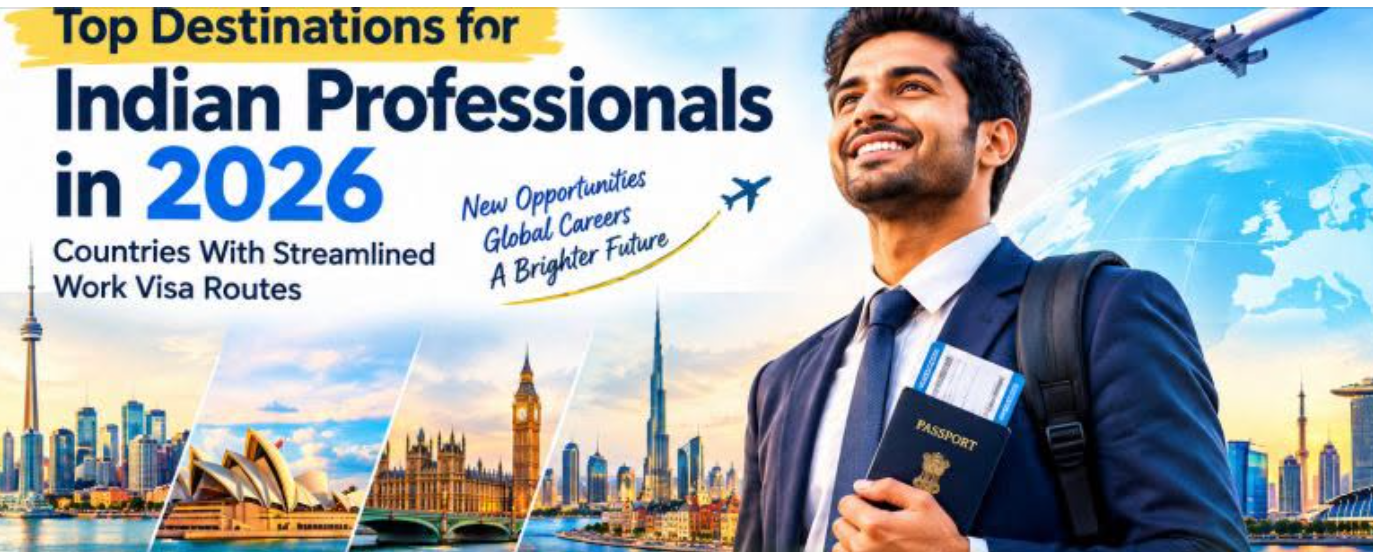
Indian professionals are exploring Mauritius, Mexico and Croatia for remote work, residency, lifestyle, taxation and European access. Why More Indians Are Looking Beyond the US and Canada: Mauritius, Mexico and Croatia Emerge as Alternative Destinations SPECIAL REPORT | GLOBAL MOBILITY, WORK & RESIDENCY For Indian professionals seeking an international career, the traditional destinations of the United States, Canada, the United Kingdom and Australia are no longer the only options. A growing number of internationally mobile Indians are examining countries that combine remote-work opportunities, residence pathways, relatively manageable living costs and access to international business markets. Among the destinations attracting attention are Mauritius, Mexico and Croatia. Each offers a very different proposition. Mauritius combines geographic proximity to India, a substantial population of Indian origin and a dedicated Premium Visa for people who want to live on the island while working remotely for an overseas business. Mexico offers a temporary-residence system that can accommodate financially independent professionals and people earning income from outside the country. Croatia, meanwhile, provides a European base through its digital-nomad temporary residence system and is already a member of both the European Union and the Schengen Area. However, these options should not be confused with automatic citizenship programs. A residence permit generally allows a person to live in a country under specified conditions; it does not automatically provide citizenship or a new passport. India's Overseas Migration Story India has one of the world's largest international diasporas, and thousands of Indians relocate overseas every year for employment, education, business, family and other personal reasons. Government data shows that the number of Indians formally renouncing Indian citizenship has increased substantially in recent years. According to a July 2025 Rajya Sabha response, 2,06,378 Indians renounced Indian citizenship in 2024, compared with 2,16,219 in 2023 and 2,25,620 in 2022. The same government response recorded 1,63,370 renunciations in 2021 and 85,256 in 2020. The figures are important, but they need to be interpreted carefully. Renouncing Indian citizenship is not the same thing as moving abroad. An Indian professional can live and work overseas while retaining Indian citizenship. Citizenship renunciation normally becomes relevant when an individual acquires foreign citizenship or voluntarily gives up Indian citizenship under the applicable law. India's Citizenship Act provides for renunciation under Section 8, while the official Indian Citizenship Online portal provides a mechanism for submitting renunciation applications. Therefore, claims that all Indians moving overseas are "surrendering their passports" would be inaccurate. The more significant development is the expansion of the international mobility choices available to Indian professionals. Why Professionals Are Looking Beyond Traditional Destinations For many skilled workers, the decision to relocate is no longer simply about obtaining a job in another country. Professionals increasingly consider several factors simultaneously: Immigration processing requirements Residence-permit duration Remote-work compatibility Income requirements Housing costs Internet connectivity Healthcare Personal safety International flight connections Tax residency Family relocation Business opportunities Long-term residence possibilities Education for children Access to regional markets This has created interest in countries that may offer a different combination of lifestyle and immigration requirements from the established migration destinations. Three countries illustrate three different approaches: Mauritius, Mexico and Croatia. 1. Mauritius: An Indian-Friendly Island for Remote Professionals Mauritius is geographically close to India and has deep historical, cultural and economic connections with the Indian subcontinent. A significant proportion of Mauritius' population has Indian ancestry, while Indian languages, food, festivals and cultural traditions are visible throughout the country. For Indian professionals, this can make cultural adjustment easier than in some distant destinations. But culture is only one part of the equation. Mauritius Premium Visa Mauritius operates a Premium Visa specifically aimed at foreign nationals who want to stay for an extended period while working remotely. According to the Mauritius Passport and Immigration Office, the Premium Visa permits eligible non-citizens to stay in Mauritius for one year, with the possibility of renewal. Importantly, the official government page states that the Premium Visa is free of cost. The program is designed for people such as: Remote employees Entrepreneurs Retirees Long-stay visitors Professionals working for overseas businesses The applicant must satisfy the applicable immigration requirements and demonstrate that the intended activities fit within the conditions of the visa. Tax Considerations Mauritius can also be attractive from a tax-planning perspective, but tax claims need to be treated carefully. The Economic Development Board's Premium Visa guidance states that Mauritius-sourced income can be subject to taxation under a remittance-based approach. It also describes circumstances involving foreign credit or debit cards and money deposited into Mauritian bank accounts. This does not mean that every remote worker automatically pays zero tax. Tax liability can depend on: Where the person is tax resident Where employment is performed Where income originates Whether income is remitted Double-taxation agreements The structure of the person's business The laws of the person's original country Indian professionals should therefore obtain professional tax advice before relocating. Mauritius and Indian Professionals Mauritius offers several practical advantages for Indians: Cultural familiarity Indian-origin communities are well established, and Indian cultural traditions are widely represented. Geographic proximity Mauritius is significantly closer to India than North America, making family visits and business travel comparatively easier. Remote-work environment The Premium Visa specifically recognizes remote working arrangements. International business environment Mauritius has positioned itself as a financial and business-services centre serving African and international markets. Lifestyle The country combines an island environment with modern residential and commercial infrastructure. For remote professionals who earn internationally, this combination can be particularly attractive. 2. Mexico: North American Lifestyle Without Moving to the United States Mexico represents a completely different proposition. Rather than serving as an alternative Asian or European-style destination, it provides access to a large North American economy, extensive cities, diverse climates and established international business networks. Cities such as Mexico City, Guadalajara, Monterrey and Mérida attract international residents, entrepreneurs and remote professionals. Mexico Temporary Resident Visa Mexico's Temporary Resident Visa is available to foreign nationals who intend to remain in the country for more than 180 days and up to four years, subject to the applicable requirements. The visa can be available through several qualifying routes, including financial solvency. Mexico's official consular information also states that the temporary-residence framework can allow a foreigner to work in Mexico when the salary is paid from abroad. If the individual instead has employment in Mexico and receives salary domestically, additional authorization requirements apply. That distinction is extremely important for remote workers. Financial Requirements Applicants applying through financial-solvency routes need to demonstrate sufficient financial resources. The exact financial threshold can vary according to the applicable consulate, exchange rates and current rules. For example, Mexico's official 2026 consular documentation specifies financial-solvency requirements based on bank balances or qualifying employment/pension income. Therefore, applicants should check the requirements of the Mexican consulate where they will apply, rather than relying on an old blog or social-media post. Mexico's Major Cities Mexico City One of Latin America's largest metropolitan areas, Mexico City provides: International airports Large technology and business communities Restaurants and cultural institutions Coworking spaces Extensive public transportation International schools and services Guadalajara Guadalajara has developed a major technology and startup ecosystem and is sometimes described as one of Mexico's leading technology centres. Mérida Mérida has attracted international residents looking for a smaller-city lifestyle, historic architecture and access to the Yucatán region. Monterrey Monterrey is one of Mexico's major industrial and business centres and has strong connections with manufacturing and corporate sectors. Safety Requires Local Research One claim that should not be generalized is that "Mexico is safe." Mexico has substantial regional variation in crime and security conditions. The experience of living in a particular neighbourhood can differ considerably from conditions elsewhere in the same metropolitan area or state. Professionals considering Mexico should investigate: Exact neighbourhood Crime statistics Transportation Housing security Local healthcare Internet availability Emergency services Distance from workplace or airport A country-level safety label cannot adequately describe the conditions of every city. Does Mexico Automatically Lead to a Powerful Passport? No. A temporary residence permit is not a passport. Mexico has its own legal requirements for permanent residence and naturalization, and meeting the requirements for one status does not automatically guarantee another. Professionals interested in eventual citizenship should study the current naturalization rules separately and maintain records of their legal residence. 3. Croatia: A European Base for Digital Nomads Croatia offers a different proposition from Mauritius and Mexico. It is an EU member state and has been part of the Schengen Area since January 1, 2023. It also uses the euro. That makes Croatia particularly interesting to professionals who want to establish themselves in Europe while working remotely for a foreign employer or business. Croatia's Digital Nomad Residence Croatia officially recognizes digital nomads as third-country nationals who work using communication technology for a company or their own company that is not registered in Croatia, and who do not provide services to Croatian employers. Temporary stay for digital nomads can be granted for up to 18 months, depending on the circumstances. This provides a structured legal route for qualifying remote workers. Income Requirement Croatia has updated the financial requirements for digital nomads. As of the current official guidance, applicants must demonstrate financial resources corresponding to at least 2.5 times the average monthly net salary used for the calculation. The current stated minimum is €3,622.50 per month. Alternatively, an applicant intending to stay for: 12 months can demonstrate €43,470 in available funds 18 months can demonstrate €65,205 in available funds Additional amounts apply for qualifying family members. These figures can change, so applicants should verify them immediately before applying. Healthcare and Documentation Croatia requires digital-nomad applicants to provide health insurance covering their stay. Applicants also need documentation demonstrating the purpose of their stay, such as: Employment contract Service contract Employer confirmation Evidence of operating their own foreign company A criminal-record certificate may also be required for the initial application. The Schengen Advantage Croatia's membership of the Schengen Area is an important feature for internationally mobile residents. However, a Croatian residence permit does not mean that the holder has unrestricted rights to live and work throughout the European Union. Schengen primarily concerns movement across participating countries under applicable border rules. EU freedom-of-movement rights are a separate legal matter and generally apply to EU citizens and qualifying categories of residents under specific legislation. Therefore, a digital nomad should not interpret Croatian residence as an EU-wide work permit. Mauritius vs Mexico vs Croatia Feature Mauritius Mexico Croatia Main attraction Island lifestyle + remote work North American lifestyle European base Remote-work pathway Premium Visa Temporary Residence Digital Nomad Residence Maximum stated period 1 year, renewable More than 180 days, up to 4 years Up to 18 months Currency Mauritian rupee Mexican peso Euro EU member No No Yes Schengen member No No Yes Cultural connection with India Strong More limited More limited Overseas remote work Supported under applicable conditions Possible under qualifying arrangements Specifically recognized Financial requirements Visa-specific Consulate-specific €3,622.50/month currently Automatic citizenship No No No Key consideration Tax/residency rules Local conditions and immigration rules EU/Schengen location The table highlights an important point: these countries are not interchangeable. Each addresses a different mobility objective. The Passport Question: What Indians Need to Understand The word "passport" is often used loosely in discussions about migration. There are actually three different concepts: 1. Moving abroad An Indian citizen can move overseas for employment, education or business while continuing to hold an Indian passport. 2. Obtaining residence A foreign residence permit allows a person to live in another country under specified conditions. It does not necessarily change citizenship. 3. Acquiring foreign citizenship When an Indian citizen voluntarily acquires foreign citizenship, Indian citizenship is affected under the Citizenship Act. The government states that an Indian citizen who voluntarily acquires citizenship of another country ceases to be an Indian citizen under Section 9 of the Citizenship Act. The official Indian citizenship portal provides the procedure for renunciation and requires documents including the Indian passport, including expired passports. This distinction is crucial for anyone considering international relocation. Why Remote Work Is Changing International Migration The traditional migration model was relatively straightforward: Get a foreign job → obtain work visa → relocate → establish permanent residence. The digital economy has created another pathway: Earn internationally → work remotely → obtain residence permission → live abroad. This model is particularly relevant to: Software developers IT consultants Cybersecurity professionals Designers Digital marketers Content creators Online business owners Financial professionals Entrepreneurs Technology founders Freelancers The ability to work through the internet has separated the location of the worker from the location of the employer. But immigration law has not disappeared. Remote workers still need to comply with: Visa conditions Residence requirements Tax rules Employment regulations Health-insurance requirements Local registration Banking rules Business regulations Cost of Living: The Reality Behind the "Bengaluru Equivalent" Claim It is tempting to say that a foreign country offers a European lifestyle for the same cost as Bengaluru or Gurugram. That comparison can be misleading. Living costs depend heavily on: Rent Neighbourhood Family size Schooling Healthcare Transportation Dining Insurance Exchange rates Travel frequency Lifestyle A single software professional working remotely can have a very different monthly budget from a family with two children. The most useful comparison is therefore not simply: "Country A is cheaper than Country B." Instead, prospective migrants should calculate their personal monthly budget. Example relocation budget A professional should estimate: Housing + utilities + internet + groceries + transportation + health insurance + visa costs + taxes + travel + emergency savings. This produces a much more realistic picture than comparing average national living-cost figures. Internet Connectivity Matters For remote workers, reliable internet can be as important as rent. Before choosing a city, professionals should check: Fibre availability Average broadband speed Mobile network coverage Backup SIM options Electricity reliability Coworking facilities Power backup Video-conferencing performance An inexpensive apartment is not necessarily suitable for a professional whose income depends on uninterrupted connectivity. Family Relocation Requires a Different Calculation A destination that works extremely well for a single professional may not be equally suitable for a family. Families should investigate: Education International schools Local schools Tuition fees Language requirements Healthcare Private hospitals Health insurance Specialist availability Emergency services Residence rights Spouse eligibility Dependent-child eligibility Work rights for family members Housing Long-term rental availability Deposits Lease conditions School proximity These factors can significantly change the total cost of relocation. Tax Residency Is One of the Biggest Issues One of the most overlooked parts of international relocation is taxation. Obtaining a visa does not automatically determine where an individual is tax resident. A professional may potentially have tax obligations involving: India The country of residence The country where an employer is based The country where a company is incorporated Double-taxation agreements can also affect the final tax position. For Indian professionals, the interaction between Indian tax-residency rules, foreign residency and income earned abroad should be reviewed by a qualified tax professional before relocating. Mauritius' own Premium Visa guidance, for example, specifically discusses how foreign employment income and remittances can be treated. What Makes These Three Countries Different? The attraction of these destinations lies in their different models. Mauritius Best understood as an island-based remote-work and long-stay option. Its strongest differentiators include: Indian cultural links Geographic proximity Premium Visa Remote-work compatibility International business environment Mexico Best understood as a large-country North American residence option. Its differentiators include: Large urban centres North American location Temporary residence of up to four years Multiple qualifying routes Established international communities Croatia Best understood as a European digital-nomad residence option. Its differentiators include: EU membership Schengen membership Euro currency Dedicated digital-nomad residence Up to 18 months of temporary stay Important Warning Before Leaving India Relocating overseas is a major financial and legal decision. Professionals should not surrender an Indian passport simply because they are moving abroad. Citizenship renunciation is a separate legal action. Before taking that step, an individual should understand: Whether foreign citizenship has already been obtained Indian citizenship consequences Passport surrender requirements OCI eligibility Tax residency Indian property ownership Bank accounts Investments Inheritance Family citizenship Overseas income Business ownership The Indian government has an online citizenship-renunciation system, and the competent authority verifies the passport and relevant details before issuing the renunciation certificate. The New Geography of Indian Professional Migration The international mobility landscape is becoming more diverse. For decades, the conversation around Indian migration often centred on countries such as the United States, Canada, the United Kingdom and Australia. Today, remote work and digital entrepreneurship have created additional possibilities. Mauritius offers an Indian-connected island environment. Mexico offers a large North American market and temporary-residence pathways. Croatia offers a European location within the EU and Schengen Area. None of these destinations is universally suitable. The right choice depends on the individual's: Profession Income Family situation Desired lifestyle Tax position Immigration objective Long-term residence plans Healthcare needs Education requirements Business structure Most importantly, residence should not be confused with citizenship. For Indian professionals exploring a global career, the bigger change is not simply the number of people leaving India. It is the growing number of legal and technological pathways allowing professionals to live in one country while earning from another. That shift is creating a new form of international mobility—one driven not only by traditional employment migration, but also by remote work, entrepreneurship and location-independent careers. News National Analysis | International Mobility & Global Careers

Machilipatnam-Kurnool New Train Route, Stations and Timings

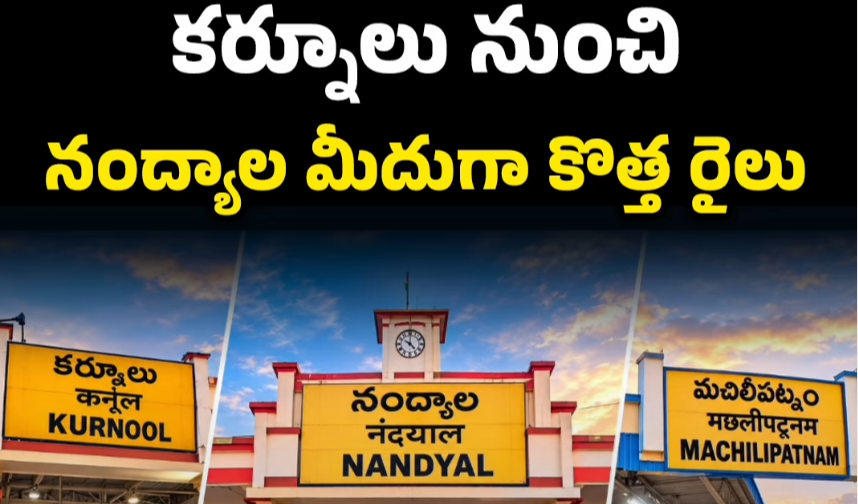
Indian Railways has approved a new tri-weekly Machilipatnam-Kurnool City Express via Vijayawada covering 499 kilometres. New Machilipatnam-Kurnool Express to Strengthen Rail Connectivity Across Andhra Pradesh VIJAYAWADA: Indian Railways has approved a new tri-weekly train service connecting Machilipatnam and Kurnool City through Vijayawada. The 499-kilometre service is expected to provide an additional rail option between coastal Andhra Pradesh and the state's central and western regions. According to the Railway Ministry, the train will operate from Machilipatnam on Mondays, Wednesdays and Saturdays. The return service from Kurnool City will run on Tuesdays, Thursdays and Sundays. The route will connect several important stations, including Gudivada, Vijayawada, Narasaraopet, Vinukonda, Donakonda, Markapur Road, Cumbum, Giddalur, Diguvametta, Nandyal, Betamcherla and Dhone. The service is expected to benefit students, employees, traders, families and other passengers travelling between different parts of Andhra Pradesh. The route also creates an additional direct rail connection for several towns that currently depend on road transport or connecting train services. Rail connectivity is particularly important for long-distance travel because trains can provide an economical alternative for passengers travelling between coastal and inland districts. The introduction of the service adds another option to Andhra Pradesh's growing railway network. Passengers should check the official railway timetable and reservation system before planning their journey because operating schedules and ticket availability can change.

Amaravati Technology Hub Andhra Pradesh Plans 23 Industry Clusters

Andhra Pradesh is developing Amaravati as a technology hub with 23 proposed industrial clusters covering AI, defence, electronics and more. Andhra Pradesh Presents Amaravati as a Technology and Deep-Tech Hub AMARAVATI: Andhra Pradesh is positioning Amaravati as a centre for advanced technology, research and industrial development, with the state outlining a plan built around integrated industry clusters. The proposal includes 23 industrial clusters covering sectors such as electronics, pharmaceuticals, medical devices, automobiles, defence, space technology, data centres, renewable energy and other advanced industries. The approach is aimed at creating complete ecosystems around industries instead of attracting individual companies in isolation. State officials have highlighted the importance of government-industry coordination, faster project implementation and the development of infrastructure capable of supporting technology-intensive businesses. Among the sectors being discussed are quantum technology, green steel, space technology, defence manufacturing and digital infrastructure. The state has also pointed to developments in Visakhapatnam's technology ecosystem, including the proposed Google data-centre project, as an example of large-scale technology investment requiring coordination between government and industry. For Andhra Pradesh, the cluster-based approach could potentially bring together companies, research institutions, skilled workers and suppliers around common industrial themes. The success of the strategy will ultimately depend on project execution, investment commitments, infrastructure availability, skilled manpower and the ability of the clusters to attract sustained private-sector participation.

Amaravati Outer Ring Road: NHAI Floats ₹8,668 Crore Bids

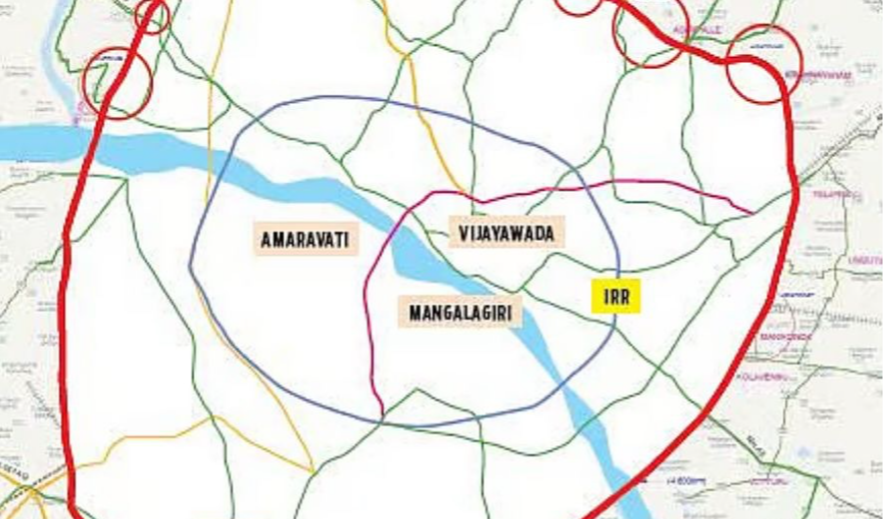
NHAI has invited bids worth about ₹8,668 crore for three sections of the proposed six-lane Amaravati Outer Ring Road. Amaravati Outer Ring Road: NHAI Floats ₹8,668 Crore Bids for Three Sections AMARAVATI: The proposed Amaravati Outer Ring Road project has moved forward with the National Highways Authority of India inviting bids for three sections of the planned six-lane corridor. The three packages together carry an estimated value of around ₹8,668 crore, marking a significant step in the development of road infrastructure around Andhra Pradesh's capital region. The Outer Ring Road is intended to improve connectivity between Amaravati and important urban and economic centres including Vijayawada, Guntur and Tenali. The project is expected to provide an alternative route for long-distance traffic and reduce pressure on existing roads passing through densely populated areas. Improved highway connectivity could also support movement of goods between industrial zones, logistics centres and markets across the region. For Amaravati, the road network is particularly important as the capital-region infrastructure develops. Better connectivity can influence the location of businesses, residential projects and supporting services. The three bid packages represent part of the larger highway plan, with subsequent construction and implementation dependent on the completion of tendering, approvals, land-related processes and other project requirements. The project will be closely watched by residents, businesses and transport operators because of its potential impact on travel times and regional connectivity.

Telangana to Pay ₹6,174 Crore DA Arrears to Employees and Pensioners

Telangana is set to clear ₹6,174 crore in dearness allowance arrears through instalments for eligible employees and pensioners. Telangana to Clear ₹6,174 Crore DA Arrears in Instalments HYDERABAD — The Telangana government is set to clear dearness allowance arrears amounting to about ₹6,174 crore through instalment-based payments to employees and pensioners. The reported arrears relate to dearness allowance payments due to government employees and pensioners. The instalment approach is intended to spread the financial burden across multiple payment periods. The development is significant for government employees and retired personnel who have been awaiting settlement of outstanding DA amounts. Dearness allowance is periodically adjusted to help employees and pensioners cope with changes in the cost of living. The payment schedule and individual amounts will depend on the government's applicable orders and the categories covered under the settlement. The decision also has implications for the state's finances because clearing accumulated arrears requires substantial budgetary resources. Employees and pensioners are expected to receive further details regarding payment schedules through official government departments and treasury-related communications.

Telangana Plans Child Online Safety Framework to Fight Cybercrime

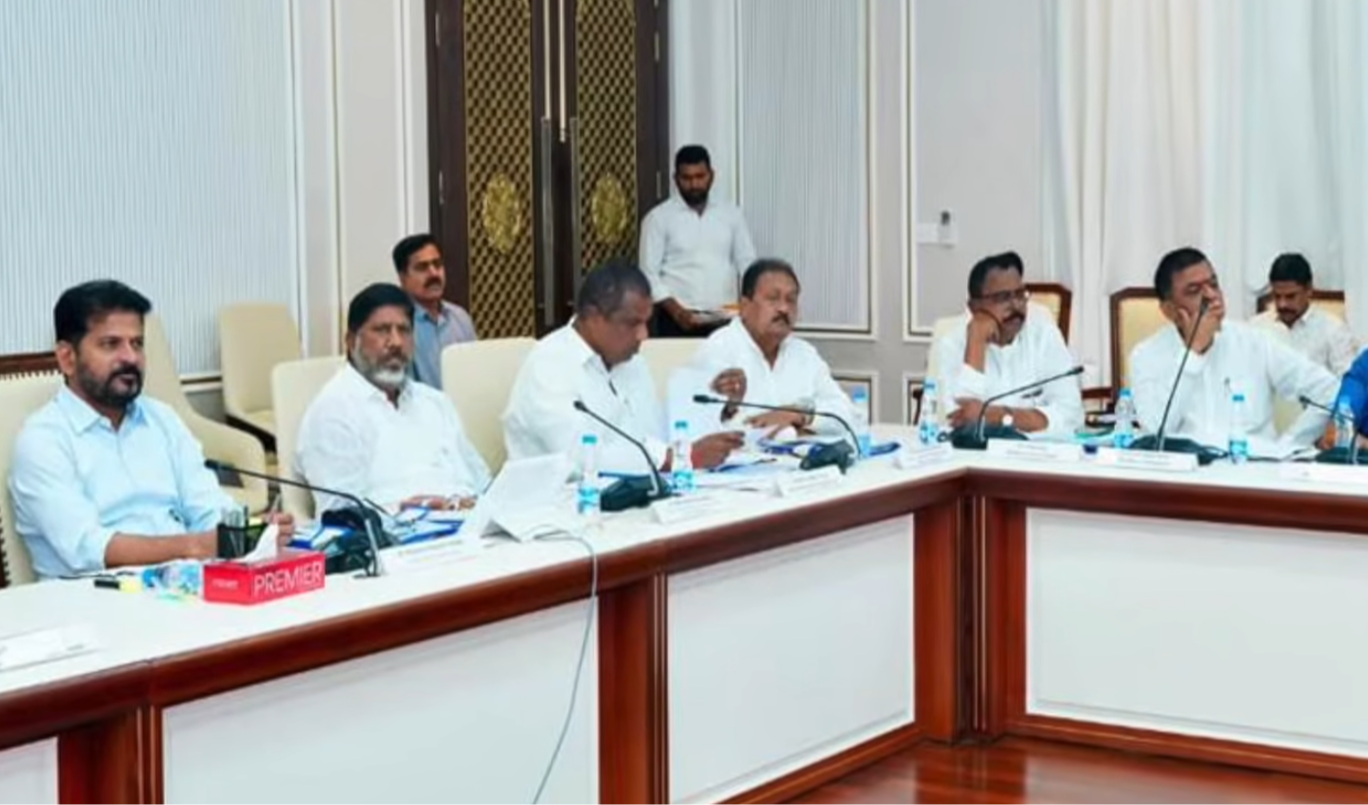
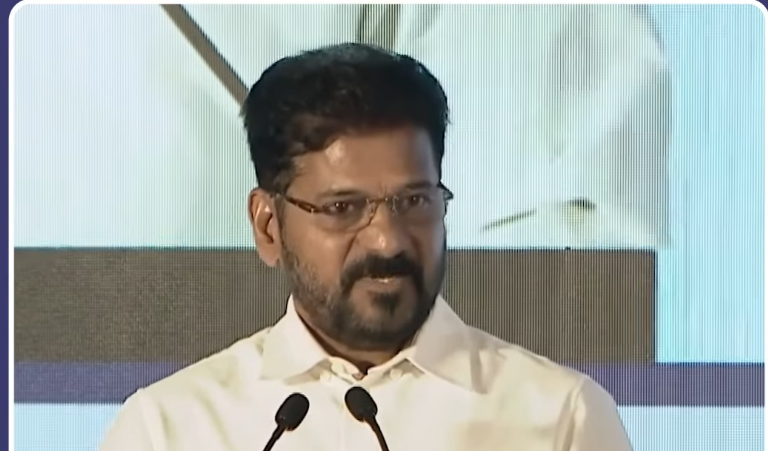
Telangana Begins Work on Comprehensive Child Online Safety Framework HYDERABAD — Telangana has initiated steps toward developing a comprehensive framework aimed at strengthening online safety protections for children. Chief Minister A. Revanth Reddy directed officials on October 3 to prepare the framework in consultation with the Telangana High Court and the Telangana State Legal Services Authority. The proposed framework is expected to focus on protecting children from cybercrime and improving access to legal and support mechanisms when young people face problems online. Children increasingly use smartphones, social media platforms, online games and educational services, creating new challenges involving privacy, cyberbullying, online exploitation and other forms of digital harm. A coordinated framework could bring together government agencies, legal institutions, educational organisations and child-protection stakeholders. The initiative was discussed alongside legal-aid measures intended to strengthen access to justice and support for children. As digital usage continues to expand, awareness among parents, teachers and students is also an important part of online safety. The final framework and its implementation guidelines will determine the specific protections, responsibilities and reporting mechanisms introduced across the state.