
Language Settings
Select Website Language

GDPR Compliance

We use cookies to ensure you get the best experience on our website. By continuing to use our site, you accept our use of cookies, Privacy Policy, and Terms of Service.

Filters

Channels
Topics
Other Filters

Mecca Floods Why Flash Floods Become Deadly Without Warning

Mecca floods highlight the dangers of sudden torrents. Learn why flash floods develop rapidly and how residents and visitors can stay safe. By News National Editorial Team Flash floods in Mecca, Saudi Arabia, have once again highlighted the dangers posed by sudden torrents of rainwater, particularly in valleys, drainage channels and low-lying areas. The latest incident has drawn attention to how quickly floodwaters can turn a seemingly manageable weather situation into a life-threatening emergency. On October 20, 2026, three children were swept into a flood channel in Mecca. Saudi reports subsequently confirmed that one child had been rescued, while the other two were found dead. The incident prompted renewed warnings from Civil Defence authorities to stay away from flood channels and places where rainwater collects. The tragedy demonstrates why flash floods remain dangerous even when rainfall appears brief or occurs some distance away. Why flash floods can strike so suddenly A flash flood develops when water accumulates faster than the ground, drainage systems or natural channels can carry it away. Unlike a river flood that may rise over a longer period, a flash flood can develop rapidly during or shortly after intense rainfall. Saudi Arabia's climate makes this hazard particularly important. Rainfall is relatively infrequent in many parts of the country, but intense storms can send large volumes of water across dry terrain. The Saudi Geological Survey explains that runoff can flow through normally dry valleys and inundate roads and urban areas where natural drainage routes intersect with development. These valleys, known in Arabic as wadis, can appear dry and safe for extended periods. However, once heavy rain falls over a nearby catchment, water may rush into them with little warning. A person standing in a dry channel may therefore face danger even if rain is not falling directly overhead. Why moving water is so dangerous Floodwater is not simply a deep pool that people can walk or drive through. Fast-moving water can knock people off their feet, carry away vehicles and sweep debris along its path. Its depth, speed and the condition of the ground beneath it may be difficult to judge from the roadside. Water can also conceal open drains, damaged road surfaces and other hazards. A vehicle entering a flooded dip may lose traction or become trapped, while someone attempting to cross on foot can be pulled into a stronger current. The danger is not limited to the peak of a storm. Water can continue arriving from higher ground after rainfall has eased at a particular location. This means a dry-looking sky does not necessarily indicate that a nearby valley or channel is safe. How geography and urban development influence flood risk Mecca's mountainous terrain and network of valleys influence how rainwater moves through the surrounding landscape. When intense rainfall produces rapid runoff, water can converge in channels and low-lying areas. Urban development can add further challenges if roads, buildings or other infrastructure intersect with natural drainage routes. The Saudi Geological Survey identifies the preservation of valley pathways and their safe passage through developed areas as important considerations in flood-risk management. Effective protection therefore involves more than responding after flooding begins. It also requires rainfall monitoring, reliable warning systems, suitable drainage infrastructure, hazard mapping and careful planning around natural watercourses. Official warnings and public safety On October 19, Saudi Arabia's National Center for Meteorology raised a red alert for heavy rainfall and associated hazards in parts of the Mecca region. The warning included the risk of flash floods, thunderstorms, hail, strong winds and severely reduced visibility. On October 21, the Saudi Press Agency reported that Civil Defence was urging the public to remain cautious as thunderstorms were forecast across several regions. Authorities have advised people to avoid valleys and flood-prone locations, stay away from flowing water and follow official weather and emergency instructions. Residents and visitors should never attempt to walk or drive through floodwater, even when it appears shallow. People should also avoid gathering beside flood channels to watch the water or take photographs. If conditions deteriorate, they should move to higher, safer ground and contact emergency services when necessary. A warning that applies beyond Mecca Flash floods are not unique to Saudi Arabia. Similar events occur in dry regions, mountainous landscapes and cities worldwide. The common danger is the speed at which runoff can accumulate and move through places that people may mistakenly consider safe. The recent deaths in Mecca underline a central lesson: flood risk depends not only on how much rain falls directly overhead, but also on where that rain falls, how quickly water travels and whether people are near its path. Understanding the danger, respecting official warnings and keeping clear of valleys and flood channels can help prevent further tragedies. Sources and reporting references Saudi Press Agency: Civil Defence warning issued October 21, 2026. Saudi Geological Survey: Introduction to Floods. Saudi Gazette and Saudi reports on the October 20 Mecca flood-channel incident.

AP 22nd SIPB Meeting Chandrababu Naidu Pushes Investment Execution

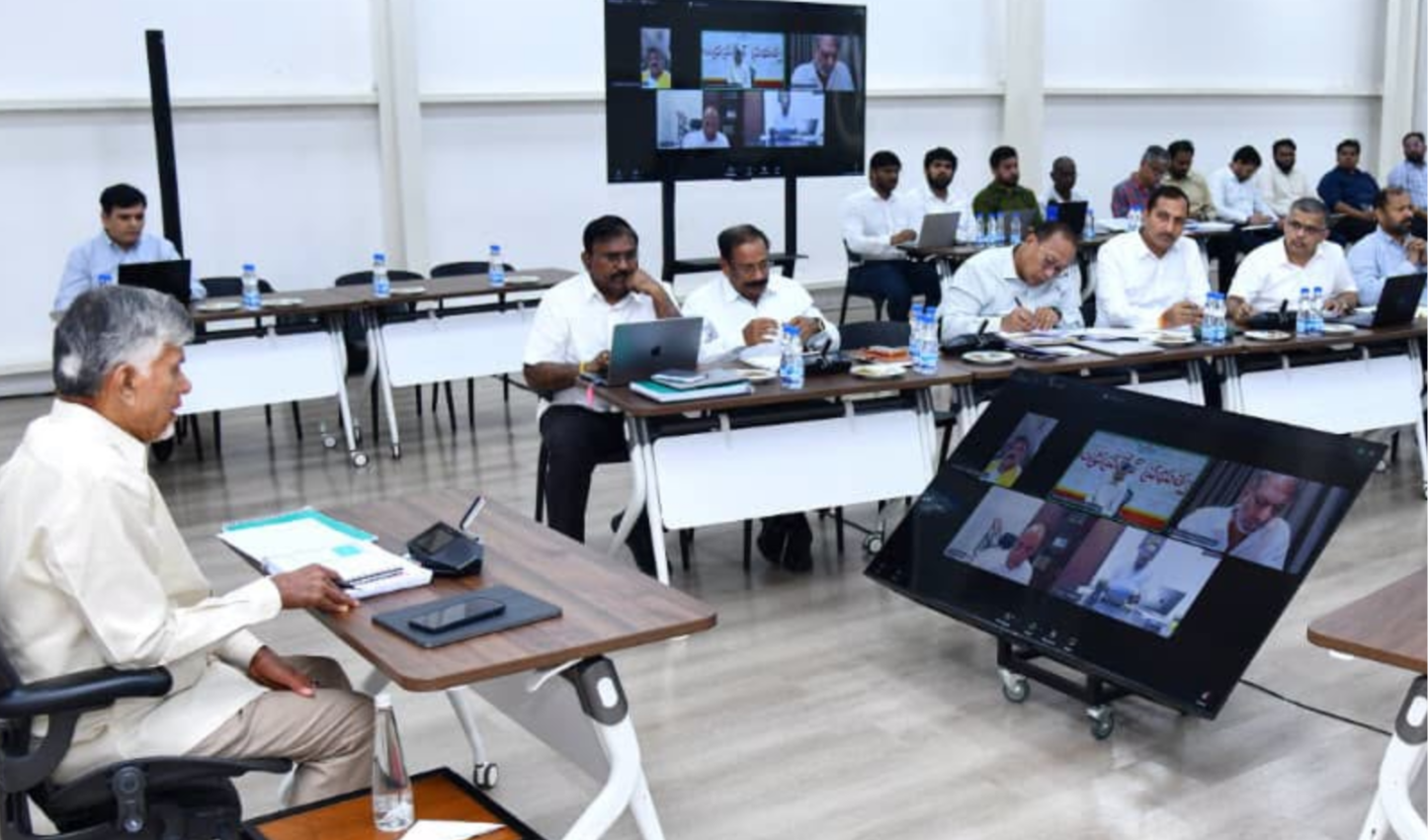
Andhra Pradesh CM Chandrababu Naidu Pushes Faster Investment Execution at 22nd SIPB Meeting Subtitle: Government officials report action initiated on 519 of 714 investment agreements; CM stresses production, semiconductor manufacturing and transport connectivity. By News National Editorial Team AMARAVATI, October 23, 2026: Andhra Pradesh Chief Minister N. Chandrababu Naidu has called for faster implementation of investment agreements and urged officials to ensure that proposed projects translate into actual investments and production. The directions were issued during the 22nd State Investment Promotion Board (SIPB) meeting, according to information released about the meeting. The discussions covered investment proposals across industries, energy, tourism, information technology, electronics, food processing and infrastructure development. State ministers Nara Lokesh, T.G. Bharath, Anagani Satyaprasad, Gottipati Ravikumar, P. Narayana and Kandula Durgesh, among others, reportedly participated in the meeting virtually. A key focus was the progress of investment agreements signed in previous rounds and the measures required to move projects towards implementation. Action Initiated on 519 of 714 Agreements Officials informed the meeting that action had been initiated on 519 of the 714 investment agreements under consideration, according to the supplied meeting details. The Chief Minister stressed that signing memoranda of understanding and announcing investment proposals should not be the final objective. Instead, the government should concentrate on converting agreements into actual investments, completing project implementation and starting commercial production. The distinction is important because an investment agreement does not automatically mean that a project has secured all approvals, completed construction or begun operations. The next stage involves monitoring project milestones, resolving implementation-related difficulties and coordinating with companies and relevant government departments. The progress of the 519 projects will need to be assessed against their individual implementation status to determine how many have advanced towards actual investment and production. Ports, Airports and Transport Connectivity in Focus The Chief Minister directed officials to give priority to infrastructure that can support industrial development, particularly ports, airports and road and railway connectivity. He also highlighted the importance of strengthening east–west connectivity across the state. Better connections between industrial locations, ports, airports, logistics centres and markets can help businesses move raw materials and finished products more efficiently. An integrated infrastructure network can also support export-oriented manufacturing, reduce transportation bottlenecks and improve access to industrial locations. The directions reflect the state's broader focus on linking industrial investment with logistics and supporting infrastructure rather than developing individual projects in isolation. Andhra Pradesh Eyes a Semiconductor Manufacturing Ecosystem Another important area of discussion was the development of a semiconductor manufacturing ecosystem in Andhra Pradesh. The Chief Minister suggested that the state should focus on building the supporting ecosystem required for semiconductor-related investments. Such an ecosystem can include manufacturing facilities, component suppliers, specialised infrastructure, skilled workers, research and development capabilities, and reliable utilities. Semiconductor manufacturing involves complex supply chains, substantial capital requirements and specialised technical expertise. Attracting projects in this sector therefore requires coordination between government agencies, investors, infrastructure providers and educational institutions. The broader objective is to strengthen Andhra Pradesh's position in electronics and advanced manufacturing. However, the development of a semiconductor ecosystem will depend on actual investment commitments, project approvals, infrastructure readiness and implementation. Investment Opportunities Across Multiple Sectors The SIPB meeting also discussed proposals in several other sectors. Industry and manufacturing: Faster implementation of approved projects can help expand industrial activity and create opportunities for supporting businesses. Energy: Investment proposals in the energy sector were among the areas discussed, reflecting the importance of reliable power and energy infrastructure for industrial development. Information technology and electronics: These sectors can support technology-led investment, electronics production and related employment opportunities. Tourism: Tourism investments can contribute to hospitality development, visitor infrastructure and local economic activity. Food processing: Investment in food processing can strengthen value addition to agricultural produce and create opportunities across storage, packaging, logistics and distribution. Infrastructure: Better transport and logistics facilities can support projects across these sectors by improving access to markets and industrial locations. Specific project names, investment values, expected employment figures and approval decisions were not included in the information supplied for this report. These details should be added only after confirmation from the official meeting release. From Investment Announcements to Production The emphasis on implementation comes amid the state's continuing efforts to turn investment commitments into operational projects. At its 21st SIPB meeting in September 2026, Andhra Pradesh approved 28 industrial proposals involving approximately ₹22,177.84 crore in proposed investment, with an estimated employment potential of 19,739 people, according to The New Indian Express and other media reports. The earlier meeting also focused on hardware manufacturing, semiconductors, port infrastructure, logistics and the need to move approved projects towards production.  The latest meeting's reported focus on implementation continues that broader policy direction. Nevertheless, the figures from the 21st meeting should not be confused with the separate count of 714 agreements mentioned in the latest meeting information. For the government, the key measure of progress will be the extent to which investment commitments lead to completed facilities, operating businesses, production and employment. Implementation and Monitoring Will Be Crucial The success of the investment programme will depend on effective coordination between departments, timely clearances, adequate infrastructure and regular monitoring of project milestones. Investors will also need clarity on project approvals, land availability, utilities, logistics and other requirements before facilities can become operational. The focus on ports, airports, roads, railways and semiconductor-related infrastructure indicates the importance attached to building an integrated industrial ecosystem. As Andhra Pradesh seeks to attract investment across traditional industries and advanced manufacturing, the transition from signed agreements to operational projects will remain a key indicator of progress. News National will continue to track official announcements, project implementation and verified investment updates from Andhra Pradesh. Source note: https://www.facebook.com/photo?fbid=1587237953431105&set=pcb.1587238910097676CM of Andhra Pradesh Official Facebook post 

Indian Diaspora Protests Against CEC Gyanesh Kumar Across 10 Countries

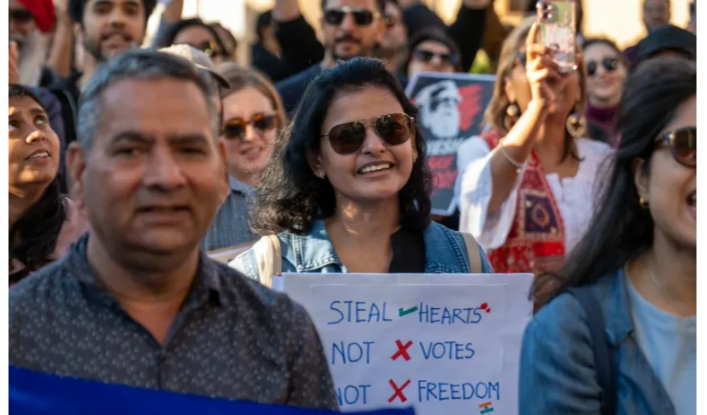
Indian diaspora groups protest across Europe, the US and Australia, demanding CEC Gyanesh Kumar’s resignation and changes to voter-roll revision. Indian Diaspora Protests Across Europe, US and Australia Against CEC Gyanesh Kumar Subtitle: Demonstrations under the “Jantar Mantar Is Everywhere” banner demand electoral accountability, changes to voter-roll revision and protection of voting rights in India. By News National Editorial Team NEW DELHI, October 23, 2026: Members of the Indian diaspora and their supporters have held demonstrations across several cities in Europe, the United States, Canada and Australia, expressing solidarity with protests in India over electoral-roll revisions and demanding the resignation of Chief Election Commissioner Gyanesh Kumar. The international demonstrations took place under the banner “Jantar Mantar Is Everywhere” during October 16–19, 2026. Participants called for changes to the Election Commission of India’s Special Intensive Revision (SIR) of electoral rolls, restoration of eligible voters’ names that they allege were deleted, and greater accountability in the electoral process. Reports published by Hindustan Times, The Quint and The News Minute documented gatherings in several countries. The protests involved diaspora organisations, student groups, civil-society organisations and other supporters. Demonstrations Across Multiple Countries According to media reports, demonstrations were held in London, Berlin, Göttingen, Dublin, The Hague, Gothenburg, Helsinki, Barcelona and Prague, among other European locations. In the United States, solidarity gatherings were reported in cities including New York, Austin, Philadelphia, Los Angeles and Chicago. Demonstrations were also reported in Canadian cities such as Toronto, Vancouver and Montreal. In Australia, protests were announced or reported in Sydney, Melbourne and Brisbane during the same period. The scale of participation varied between locations. Organisers and participating groups shared photographs, videos and statements describing the gatherings as an international show of support for people protesting in India. The demonstrations were not organised by a single worldwide authority. Different diaspora associations, student organisations and civil-society groups participated in or coordinated events under the common campaign banner. Why Are Protesters Demanding the CEC’s Resignation? The demonstrations centre on concerns about the Special Intensive Revision of electoral rolls, an exercise undertaken by the Election Commission of India to review and update voter lists. Protesters have alleged that the revision process risks excluding eligible voters and have questioned whether the process is being implemented transparently and fairly. They have called for the restoration of names they believe were wrongly removed and demanded that Chief Election Commissioner Gyanesh Kumar step down. The concerns have also been linked to wider questions about access to voting, freedom of peaceful assembly and the treatment of demonstrators in India. However, allegations that the revision exercise has improperly disenfranchised voters on a large scale should not be treated as independently established facts without supporting evidence. Individual cases, official voter-roll data and the Election Commission’s responses need to be examined to establish the extent and causes of any wrongful deletions. ‘Jantar Mantar Is Everywhere’: The Campaign’s Message The campaign slogan reflects the organisers’ intention to extend the visibility of protests beyond India. Jantar Mantar in New Delhi is a recognised site for public demonstrations. By using its name in an international campaign, participating groups sought to connect overseas solidarity gatherings with the protests taking place in India. The events included speeches, placards, songs, poetry and readings from the Preamble to the Indian Constitution. Some gatherings featured Indian flags and calls for democratic accountability. In London, student groups organised demonstrations near the Indian High Commission and Parliament Square. In Dublin, more than 70 people reportedly gathered at the Spire on October 17, according to The News Minute. The Quint reported that solidarity demonstrations took place in at least 14 cities across 10 countries over the weekend. Other reports described a broader network of events involving more than 20 cities. These figures reflect different reporting scopes and should not be treated as a single definitive count of all protests. Election Roll Revision at the Centre of the Dispute The SIR exercise has become a contentious issue because electoral rolls determine who is eligible to vote in elections. The Election Commission’s stated rationale for revising electoral rolls is to maintain accurate voter lists, including identifying deceased voters, duplicate entries, people who have moved and other entries that do not meet eligibility requirements. Critics, however, have raised concerns about whether the procedures provide adequate safeguards for eligible voters whose names may be omitted or whose records require correction. The central question is how to balance the need for accurate electoral rolls with the obligation to protect every eligible citizen’s right to vote. Resolving that question requires transparent procedures, accessible correction mechanisms, reliable documentation and scrutiny of complaints. Claims of wrongful deletion should be investigated on the basis of verifiable records rather than political assertions alone. Protests in India and Concerns Over the Right to Demonstrate The overseas demonstrations followed protests in New Delhi on October 10, when authorities detained large numbers of demonstrators attempting to participate in a rally demanding the CEC’s resignation. Reuters reported that more than 2,000 protesters were detained during the operation and that security restrictions were imposed in parts of the capital. The protest was associated with the youth-led Cockroach Janata Party movement and its campaign over electoral-roll revisions. The restrictions and detentions generated further criticism from protest organisers and opposition voices, who raised concerns about the ability to demonstrate peacefully. The authorities’ handling of public demonstrations, the legality of specific detentions and allegations concerning police conduct are separate issues that require assessment against official records and independently verified evidence. The overseas campaign has brought these concerns to international audiences, with participants arguing that voting rights and peaceful dissent deserve protection. Political Reactions and the Question of Accountability The demand for Gyanesh Kumar’s resignation is a political demand made by the protesters; it is not an established finding that he or the Election Commission committed wrongdoing. The controversy has brought the Election Commission’s responsibilities, the implementation of electoral-roll revisions and the handling of public demonstrations into sharper focus. For the Election Commission, maintaining accurate electoral rolls is an essential part of election administration. For citizens and civil-society groups, confidence in that process also depends on transparency, fair procedures and effective remedies when mistakes occur. The international demonstrations do not, by themselves, establish whether the allegations concerning voter-roll revisions are correct. They do show that concerns about electoral administration in India have prompted organised responses among sections of the Indian diaspora and their supporters abroad. What Happens Next? The principal demands voiced by participating groups include reversing the SIR exercise, restoring eligible voters’ names that they say were wrongly deleted, improving electoral transparency and securing the resignation of the Chief Election Commissioner. Whether these demands lead to changes in policy or election administration remains to be seen. The issue will require examination of the relevant electoral rules, official data, complaints from affected voters and responses from the Election Commission. For voters, the practical priority is to check their electoral-roll status through official channels and follow the prescribed process for correcting omissions or errors. The demonstrations across Europe, North America and Australia have extended the debate over electoral accountability beyond India’s borders. The underlying issues—accurate voter registration, transparent election administration and the protection of peaceful dissent—remain matters of public interest. News National will continue to follow verified developments, official responses and documented evidence concerning the SIR exercise and the demands raised by protesters. Sources: Hindustan Times, The Quint, The News Minute, ThePrint/PTI and Reuters, reporting published in October 2026. Imagesource: millattimes

Raihan Vadra Exhibition Row Delhi Venue Removes Protest Photos

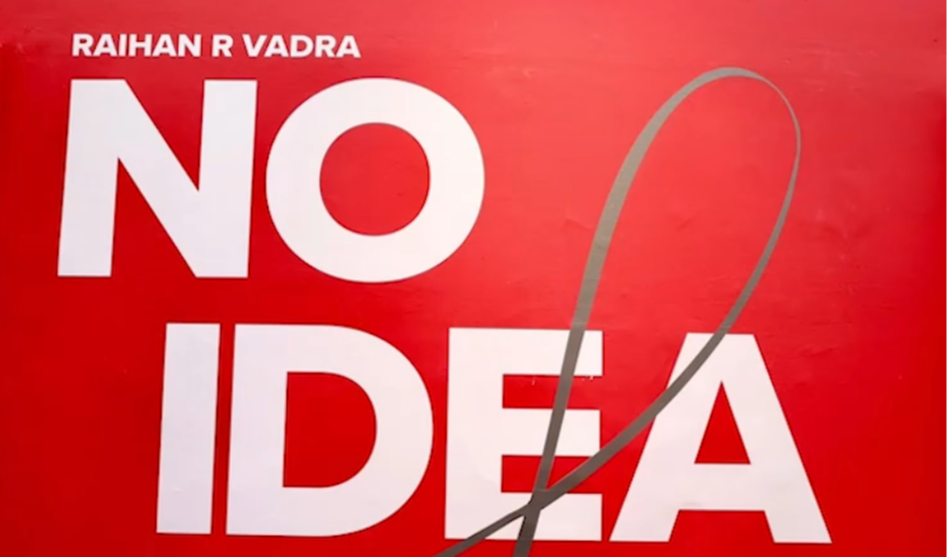
Protest photographs by Raihan Vadra were removed from his Delhi exhibition at Bikaner House, sparking debate over artistic freedom and venue policy. Subtitle: Artist says 74 of 105 photographs were removed from No Idea Is Final at Bikaner House; venue cites policy concerns as the dispute sparks debate over artistic freedom. By News National Editorial Team NEW DELHI, October 23, 2026: A controversy over artistic expression has emerged in New Delhi after photographs documenting youth protests were removed from an exhibition by Raihan Rajiv Vadra, the son of Congress MP Priyanka Gandhi Vadra and businessman Robert Vadra. The photographs were part of No Idea Is Final, an exhibition held at Bikaner House, a cultural venue in the national capital associated with the Rajasthan government. Raihan said the venue’s management asked him to remove or replace a substantial portion of the photographs only hours before the exhibition was scheduled to open on October 21, 2026. According to reports published by The Indian Express and NDTV, Raihan said he was instructed to remove 74 of the 105 photographs. Many of the images documented student and youth demonstrations in Delhi. The dispute has raised questions about the responsibilities of public cultural institutions and the limits of artistic expression. Artist Says Photographs Were Removed Before Opening Raihan said the photographs captured recent public movements and demonstrations, with an emphasis on the atmosphere, movement and collective experience of people participating in protests. In comments reported by The Indian Express, he said he viewed displaying the images as part of his responsibility as both an artist and a citizen. He also questioned the decision to object to the works shortly before the exhibition opened. According to his account, the exhibition team had shared a layout with the venue earlier in October. He said the management subsequently raised objections to the photographs’ political nature and the timing of their display. Raihan also said that photographs featuring the Indian national flag were among the images questioned. He objected to their removal, although he reported that venue personnel subsequently removed one of the images. The artist said he intended to find another venue where the complete collection could be displayed. Bikaner House Cites Its Exhibition Policy Bikaner House management maintained that certain photographs were inconsistent with the venue’s policies and that their removal had been requested. The venue’s position differs from Raihan’s account of how the objections were communicated and why the images were considered unsuitable for display. The disagreement centres on whether the photographs violated the venue’s stated requirements or whether their subject matter and timing prompted the decision. The artist has questioned the process, while the venue has referred to its policy framework. The available reports do not independently establish that the removal was ordered specifically to suppress criticism of the government. That interpretation remains disputed and should not be presented as a proven motive. Priyanka Gandhi Vadra Backs Her Son The incident prompted a public response from Priyanka Gandhi Vadra, who supported her son and criticised the restrictions placed on his work. The controversy also drew reactions from Congress leaders and other political figures, some of whom described the removal as an attempt to restrict artistic freedom. The BJP countered the criticism, arguing that the exhibition had raised issues concerning the venue’s policies and describing the political controversy as part of a wider political dispute. These reactions reflect competing interpretations of the incident rather than an independent determination of the venue’s motives. Debate Over Artistic Freedom and Public Institutions The dispute has renewed discussion about how publicly operated cultural spaces should handle exhibitions that document political demonstrations or other contentious public events. Artists rely on exhibition venues to present their work, while institutions may establish rules governing the use of their premises. When disagreements arise shortly before an exhibition opens, questions can emerge about transparency, prior review, consistent application of policies and the opportunity for artists to respond to objections. The case also highlights the distinction between documenting a protest and endorsing the views expressed by its participants. Photographs of demonstrations can serve as records of public events, although the context, presentation and applicable venue rules may become subjects of disagreement. As of October 23, 2026, the central facts reported by multiple news organisations are that photographs were removed from Raihan Vadra’s exhibition and that the artist and venue offered differing accounts of the decision. The precise reasoning behind the removal remains contested. The incident is therefore both a dispute over an individual exhibition and a broader discussion about the relationship between art, public institutions and freedom of expression in India. Sources: Reuters, The Indian Express, NDTV and Press Trust of India (PTI), reporting published on October 21–22, 2026.

AP Municipal Elections 2026 Extended Nomination Window

Andhra Pradesh reportedly extends the nomination window in specified wards of four urban local bodies. Check the election schedule and official updates. Andhra Pradesh Municipal Elections 2026: Additional Nomination Opportunity in Four Urban Local Bodies Subtitle: State Election Commission reportedly extends nomination window following Supreme Court directions By News National Editorial Team Amaravati, October 23, 2026: The Andhra Pradesh State Election Commission has reportedly provided an additional opportunity for candidates who faced difficulties filing nominations during the municipal election process. The measure concerns specified wards in four urban local bodies: Kadapa Municipal Corporation, Rajampet Municipality, Mydukur Municipality and Tirupati Municipal Corporation. According to the information provided, the decision follows directions from the Supreme Court of India and is intended to address complaints that some candidates were prevented from filing their nominations within the original deadline. The details are attributed to State Election Commission Notification No. 1135/SEC-F1/2026, reportedly issued on October 22, 2026. The notification and its complete terms should be checked against the original official document before publication. Extended Nomination Window The schedule supplied for the additional nomination opportunity specifies October 23 and 24, 2026, as the dates for receiving nominations. The stated hours are 11 a.m. to 3 p.m. on both days. The facility is reported to apply only to the specified wards in the four urban local bodies. Candidates should confirm their ward eligibility, the designated Returning Officer and the required nomination documents with the relevant election authorities. The additional window is intended to give eligible candidates another opportunity to participate in the electoral process where nomination-related difficulties have been reported. Scrutiny and Final List of Candidates The schedule provided states that scrutiny of newly filed nominations, the withdrawal process and publication of the final list of contesting candidates are scheduled for October 25, 2026. Candidates should verify the applicable procedures and deadlines directly with the State Election Commission or the concerned Returning Officer. Any change to the original election schedule must be confirmed through an official order. Polling and Counting Schedule The dates included in the information supplied are: October 23–24, 2026: Additional nomination window, from 11 a.m. to 3 p.m. October 25, 2026: Scrutiny, withdrawal-related proceedings and publication of the final list, as stated in the supplied schedule. November 1, 2026: Polling, subject to confirmation against the latest official notification. November 2, 2026: Re-polling, if required, subject to official confirmation. November 3, 2026: Counting of votes, subject to official confirmation. These dates should not be treated as independently verified until they have been compared with the original notification and any subsequent amendments. Importance of a Fair Nomination Process The opportunity to file nominations is an important part of the electoral process. Eligible candidates must be able to participate in accordance with applicable election rules, while complaints about procedural obstacles should be examined through the appropriate legal and administrative mechanisms. The latest reported development concerns four urban local bodies in Andhra Pradesh. The precise wards covered, the scope of the Supreme Court's directions and the final election timetable require confirmation from primary official records. News National will report further developments after the relevant documents and dates have been verified. Sources for verification: Andhra Pradesh State Election Commission notification and relevant Supreme Court order. Background reporting may also be consulted through Moneycontrol and ThePrint/PTI.

Hachikō The True Story of Japan's Loyal Dog

Discover the true story of Hachikō, the Japanese Akita who continued waiting at Shibuya Station after his owner died in 1925. Hachikō: The Japanese Dog Who Waited Nearly 10 Years for His Owner By News National Editorial Team Hachikō, a Japanese Akita remembered for his extraordinary loyalty, became a national symbol after continuing to visit Tokyo's Shibuya Station following the sudden death of his owner, Professor Hidesaburō Ueno, in 1925. Born in 1923 in Odate, Akita Prefecture, Hachikō was brought to Tokyo in 1924 and became the companion of Ueno, a professor at Tokyo Imperial University, now the University of Tokyo. The two developed a close bond. Hachikō accompanied Ueno on parts of his daily journey, and their routine became the foundation of a story that would later capture public attention across Japan. On May 21, 1925, Ueno died suddenly after suffering a brain haemorrhage while at work. He never returned to meet Hachikō. Despite his owner's death, Hachikō continued visiting Shibuya Station and waiting for him. He remained associated with the station for nearly a decade, even as he lived with different caretakers. Hachikō's story gained widespread attention in 1932 after a newspaper article brought his loyalty to a national audience. Commuters and local residents began recognising him, and people provided food and care. In 1934, a bronze statue honouring Hachikō was unveiled outside Shibuya Station. Hachikō himself was reportedly present at the ceremony. He died on March 8, 1935, at approximately 11 years of age. Later examination of his remains identified cancer and a parasitic infection; the popular claim that swallowed food skewers caused his death was not supported by the examination. Hachikō's legacy continues through the statue at Shibuya Station, books and film adaptations, including the 2009 film Hachi: A Dog's Tale, starring Richard Gere. His story remains one of Japan's best-known accounts of the bond between humans and animals. Sources: University of Tokyo — Hachikō's history | Official HACHI100 story | Nippon.com — Hachikō, the Faithful Dog

Alleged Attack on YSRCP Workers in Anantapur

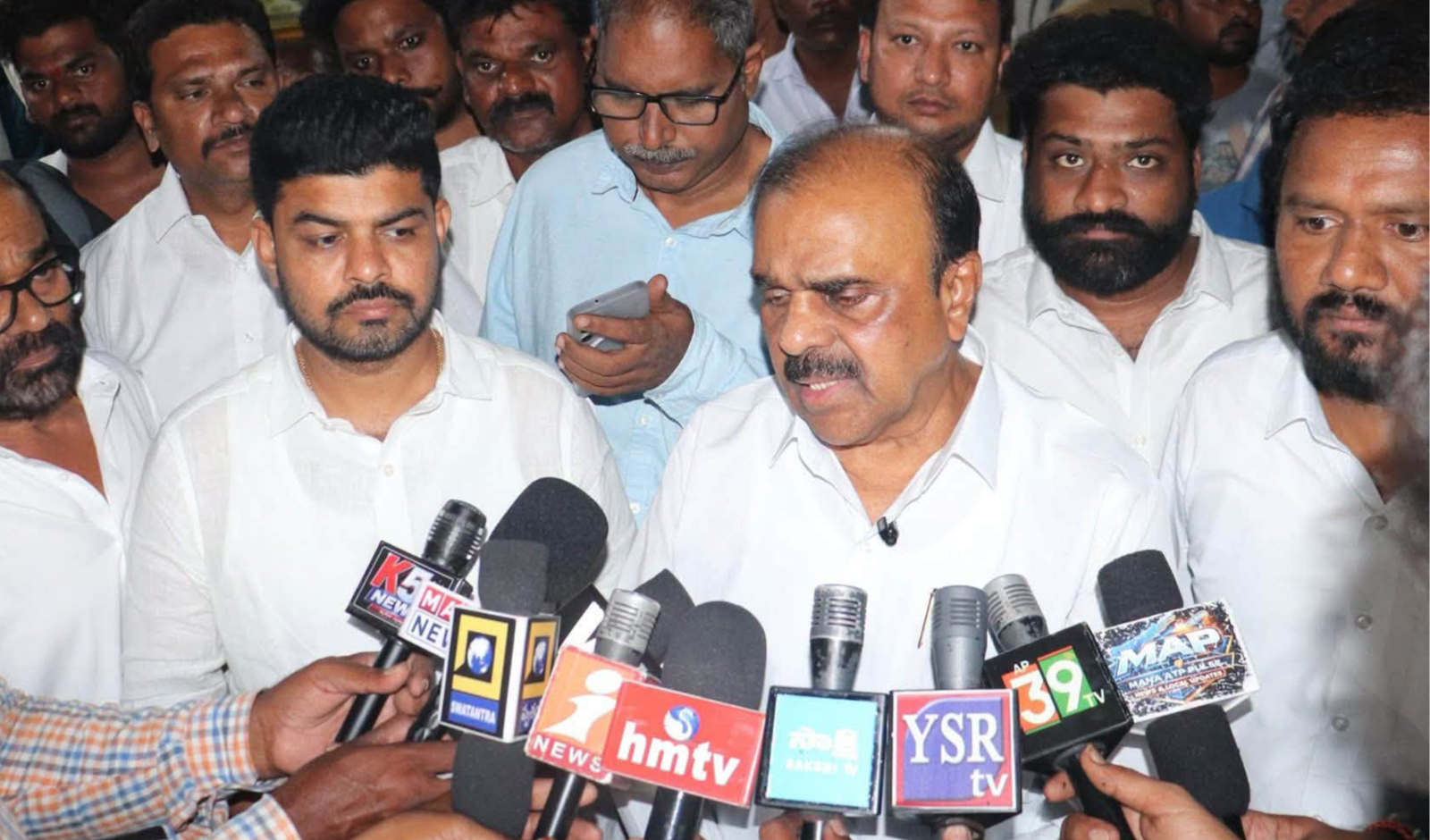
Fact-Check: Alleged Attack on YSRCP Workers in Anantapur’s Nayak Nagar Remains Unverified By News National Editorial Team ANANTAPUR: Claims of an alleged attack on YSRCP workers in Nayak Nagar, the 39th Division of Anantapur, have not been independently verified by the sources reviewed for this report. According to information provided by YSRCP representatives, two party workers allegedly sustained serious head injuries after an attack with a stick while returning home following election campaigning. The injured workers were reportedly taken to Anantapur Government General Hospital for treatment. The allegations also name former Deputy Mayor Gampanna in connection with the incident. However, no independently verified police statement, FIR, hospital confirmation or reliable news report establishing his alleged involvement was located during this fact-check. The allegation should therefore not be presented as an established fact. Sake Chandrasekhar, identified in the supplied information as the YSRCP youth wing district president and the party’s candidate for the 39th Division, reportedly alleged that Telugu Desam Party workers were resorting to attacks because they feared defeat in the division. This is an attributed political allegation, not an independently established finding. The information further states that YSRCP district president Ananta Venkatrami Reddy, mayoral candidate C. Ramesh and senior leader Ananta Chandra Reddy visited the injured workers at the government hospital. This visit also requires independent confirmation. source: https://www.facebook.com/photo?fbid=1643465484233725&set=pcb.1643465567567050  

iHUB IIIT Delhi Data Science and AI/ML Course

Explore iHUB Anubhuti IIIT Delhi’s four-month Data Science and AI/ML programme, learning modules and qualifier test information. iHUB Anubhuti, IIIT Delhi Offers Four-Month Data Science and AI/ML Programme, Qualifier Test Listed for October 25 By News National Editorial Team Learners interested in artificial intelligence and data science can explore the Foundations of Data Science and AIML programme offered by iHUB Anubhuti, IIIT Delhi, in association with Masai. The programme is delivered online in Telugu and is designed to help beginners develop practical skills in data analysis, Python programming, machine learning and generative AI. According to Masai’s programme directory, the Telugu-language course has a duration of four months. The course page lists a weekly time commitment of approximately six to eight hours, making it an option for students and working professionals who want to build technology skills alongside their existing responsibilities. What Will Students Learn? The curriculum covers several areas of data science and artificial intelligence, with an emphasis on practical learning. 1. Generative AI and data fundamentals Students are introduced to artificial intelligence, machine learning and generative AI. They learn how to work with AI tools, write effective prompts and check AI-generated information rather than relying on it without verification. 2. Spreadsheet analysis and dashboards The programme covers spreadsheet formulas, data cleaning, sorting, filtering, pivot tables and charts. Learners can use these skills to organise information and present findings through dashboards. 3. SQL for data analysis Students learn the fundamentals of SQL, including selecting and filtering data, calculating summaries and combining information from multiple tables to answer practical questions. 4. Python and Pandas The Python module introduces programming concepts such as variables, lists and loops. Students also learn to use Pandas to load, inspect, clean and analyse datasets. 5. AI-assisted analysis and AI agents The curriculum introduces AI-assisted data analysis, document-based question answering using retrieval-augmented generation (RAG), and the fundamentals of AI agents. It also emphasises checking AI-generated results against the underlying information. 6. Machine learning and practical projects Students explore predictive models, classification, model evaluation and cross-validation. The programme concludes with a capstone project in which learners apply their knowledge to a data analysis or prediction task. The course page also describes live online classes in Telugu, hands-on projects and mentoring. A certificate is offered subject to the programme’s stated completion and assessment requirements. Entrance Examination: October 25, 2026 Listed Masai’s hosted programme directory currently lists October 25, 2026, as the qualifier test date for the Telugu-language programme. However, another Masai programme listing displays October 18, 2026. Because the published dates differ, applicants should confirm the latest examination schedule and available slots directly with the programme team before registering. The admission process described on the official course page begins with registration and a qualifier test. Candidates who clear the test are invited to a one-to-one discussion about the programme and subsequent enrolment steps. The qualifier test assesses: Quantitative Aptitude Data Interpretation Logical Reasoning Verbal Ability The programme’s admission page describes a 60-minute test. Applicants should check the current registration fee, test fee, payment terms, technical requirements and allotted examination slot before making a payment. Who Can Apply? The official course information states that applicants with a minimum qualification of Class 12 or an equivalent qualification can apply, regardless of their academic background, subject to the provider’s admission requirements. The programme may be relevant to students, graduates, job seekers and working professionals who want to develop foundational skills for roles involving data analysis, business intelligence and entry-level data science. Masai also advertises placement assistance for eligible learners. This support is subject to the provider’s conditions, including the stated attendance and academic-performance requirements; it should not be interpreted as a guarantee of employment. How to Check the Latest Admission Details Applicants can review the syllabus, admission process and course information through the official programme page: Official course page:https://www.masaischool.com/program/ihub-anubhuti-iiitd-foundation/foundations-of-data-science-and-aiml-telugu/ivsinfo Before enrolling, candidates should confirm the next qualifier test date, the exact test slot, the complete fee structure, class schedule and certificate requirements. The programme offers a Telugu-language route into data science and AI/ML, combining introductory concepts with practical tools and project work. Prospective students should rely on the provider’s latest official information when making admission and payment decisions. Sources and verification Official Telugu programme page — Masai School:https://www.masaischool.com/program/ihub-anubhuti-iiitd-foundation/foundations-of-data-science-and-aiml-telugu/ivsinfo iHUB Anubhuti, IIIT Delhi programme directory — Masai School:https://www.masaischool.com/our-program/ihub-anubhuti-iiitd-foundation Masai Data Science and AI/ML programme directory:https://hosted-courses.masaischool.com/domain/data-science-ai-ml  

Andhra Pradesh Halts Municipal Election Process in 100 Urban Local Bodies

Andhra Pradesh pauses the election process in 100 urban local bodies following Supreme Court directions amid complaints over nomination filing. Complaints Over Nomination Process Under Review; Fresh Schedule Awaited Amaravati, October 22: The election process in 100 urban local bodies in Andhra Pradesh has reportedly been put on hold following directions from the Supreme Court of India. The development comes amid complaints that candidates were allegedly prevented from filing nominations in certain areas. According to media reports, the Andhra Pradesh State Election Commission (SEC) issued an order on October 21, temporarily halting further steps in the election process. The affected urban local bodies reportedly include 13 municipal corporations and 87 municipalities and nagar panchayats. Complaints Over Nomination Filing The notification for the urban local body elections was reportedly issued on October 14. The nomination filing period was scheduled from October 16 to 18, followed by scrutiny of nomination papers on October 19. The Yuvajana Sramika Rythu Congress Party (YSRCP) alleged that its candidates were obstructed from filing nominations in some places. The party also raised allegations of intimidation and attacks in areas including Punganur, Rayachoti, Kadapa and Tirupati. These allegations should not be treated as independently established facts. Their accuracy and the circumstances surrounding the complaints must be assessed through official records, supporting evidence and the findings of the relevant authorities. What Did the Supreme Court Direct? Media reports state that the Supreme Court directed the State Election Commission to examine complaints and supporting material, including documents and electronic evidence, relating to candidates who allegedly could not file their nominations. The Commission was asked to consider whether additional time should be provided in places where candidates were found to have been prevented from submitting their nomination papers. Reports also indicate that, if an extension was granted, candidates would be given at least 48 additional hours from the announcement of that decision. Publication of the final list of candidates was also reported to have been deferred pending further directions from the court. What Happens Next? The next steps will depend on the State Election Commission's examination of the complaints, reports from election officials and any further judicial directions. Candidates and political parties are awaiting clarity on whether the nomination deadline will be extended, when the election process will resume and whether a revised schedule will be announced. The Commission's subsequent official orders will be essential in determining the timeline for the remaining election procedures. Important clarification: A temporary halt to the election process should not be described as cancellation of the elections. The precise scope and duration of the suspension, as well as any subsequent changes, must be verified against the latest official orders. By News National Editorial Team Sources The New Indian Express – Andhra SEC halts urban local body elections NDTV – Supreme Court directions on civic election nominations ThePrint – PTI report on Andhra Pradesh local body elections

TOMCOM Overseas Job Opportunities for Telangana Youth

Explore TOMCOM overseas employment services, application guidance and important checks for Telangana youth seeking jobs abroad. TOMCOM Opens Overseas Employment Pathways for Telangana Youth HYDERABAD: The Telangana Overseas Manpower Company Limited (TOMCOM), a Telangana government undertaking, works to facilitate overseas employment opportunities for eligible candidates from the state. Its services are aimed at helping job seekers explore international career opportunities through recruitment support and information on overseas employment. According to information available through official government and TOMCOM channels, interested candidates can explore available vacancies and registration procedures. Job opportunities depend on individual qualifications, professional experience, language skills and the requirements of employers in destination countries. Overseas Employment Opportunities For young people seeking careers abroad, access to reliable job information, appropriate training and legitimate recruitment channels is essential. Candidates should review the eligibility criteria, job descriptions, salary details and employment conditions before applying. Applicants should also verify the employer, recruitment process, visa requirements, accommodation arrangements and other contractual terms. Any recruitment or training fees should be checked against the official terms, with written agreements and receipts obtained wherever applicable. Important Advice for Job Seekers Before accepting an overseas job offer, candidates should: Verify the vacancy through official TOMCOM channels. Check the employer's identity and the legitimacy of the recruitment process. Read the employment contract and understand the salary, working hours and benefits. Confirm visa requirements and applicable overseas employment regulations. Obtain written confirmation of any fees, refund conditions and other payments. Candidates can consult TOMCOM's official website for current vacancy announcements, registration details and contact information. Overseas employment can provide opportunities for professional development and international work experience. However, candidates should make informed decisions based on verified vacancies, transparent recruitment procedures and clear employment contracts. Sources: TOMCOM official website, Telangana government employment information and official app listing. TOMCOM Official Website: tomcom.telangana.gov.in Telangana Government — District Employment Office: Peddapalli District Employment Office TOMCOM Official App: Google Play Store By News National Editorial Team

Xi Jinping Invokes Long March Spirit as China Marks 90th Anniversary

Xi Jinping calls for drawing strength from the Long March spirit as China marks the 90th anniversary of the Red Army’s historic victory. Xi Jinping Calls for Long March Spirit to Guide China Through Challenges By News National Editorial Team BEIJING: Xi Jinping, general secretary of the Communist Party of China Central Committee, has called on the Chinese people to draw strength from the spirit of the Long March to overcome difficulties, manage risks and respond to emerging challenges. The remarks came on Thursday as China marked the 90th anniversary of the victory of the Red Army’s Long March, a landmark event in the history of the Chinese Communist Party. Xi emphasised the importance of carrying forward the Long March spirit to support China’s national rejuvenation. He expressed the goal of ensuring that the country continues to advance steadily despite difficulties and challenges, using the image of a giant ship navigating through waves. The Long March remains a significant part of China’s official historical narrative. The Red Army’s military retreat and strategic movement during the 1930s played an important role in the development of the Chinese Communist Party. The anniversary provides an opportunity for Chinese leadership to highlight historical resilience, unity and perseverance. Xi’s remarks linked the historical experience of the Long March with the country’s present-day challenges, reinforcing the leadership’s emphasis on drawing lessons from the past while pursuing China’s national development objectives. Sources and References Xinhua News Agency — Official report on Xi Jinping’s speech at the 90th anniversary commemoration of the Red Army’s Long March victory, October 22, 2026.https://english.news.cn/ The State Council of the People’s Republic of China — Xi calls for new achievements on new Long March, October 22, 2026.https://english.www.gov.cn/news/202610/22/content_WS6ad9b060c6d00ca5f9a0de52.html The State Council of the People’s Republic of China — China holds gathering to mark 90th anniversary of Long March victory, October 22, 2026.https://english.www.gov.cn/news/202610/22/content_WS6ad97604c6d00ca5f9a0de50.html Source attribution: Based on reports published by Xinhua News Agency and the State Council of the People’s Republic of China.  

APEC 2026 Foreign Journalists Explore Shenzhen’s AI and Robotics Innovation

Foreign journalists explore Shenzhen’s AI imaging, robotics, electronics manufacturing and technology ecosystem ahead of the 2026 APEC meeting. Category: World News | Technology | Business SHENZHEN, CHINA: As the 2026 Asia-Pacific Economic Cooperation (APEC) Economic Leaders’ Meeting approaches, media representatives from several countries are visiting Shenzhen to explore the Chinese city’s technological innovation and industrial development. Often described as China’s Silicon Valley, Shenzhen has emerged as a major centre for electronics manufacturing, artificial intelligence (AI), robotics and advanced technology development. During the visit, foreign journalists explored Insta360, a company known for its immersive panoramic cameras and imaging technologies. They experienced how AI-powered imaging and 360-degree camera systems are creating new possibilities for photography, video production and digital content creation. The media representatives also visited Shenzhen Robot Valley, where they interacted with robots and observed developments in robotics and smart manufacturing. The visit offered a closer look at how automation and intelligent equipment are being applied in modern industrial environments. Another key destination was Huaqiangbei, Shenzhen’s internationally recognised electronics marketplace. Known for its extensive network of electronic components, devices and technology suppliers, the area highlights the city’s role in the global electronics supply chain. Shenzhen’s technology ecosystem extends beyond individual companies and products. The city brings together research and development, advanced manufacturing, component suppliers and supporting businesses, helping technology companies develop and produce products efficiently. This integrated industrial ecosystem has contributed to Shenzhen’s reputation as an important destination for technology entrepreneurs, manufacturers and businesses seeking access to electronics expertise and production capabilities. The media tour provides international journalists with an opportunity to observe these developments firsthand and understand how Shenzhen combines technological research, manufacturing capacity and supply-chain networks. As attention turns towards the 2026 APEC Economic Leaders’ Meeting, the visit also highlights the role of technology and industrial innovation in discussions about economic development and regional cooperation across the Asia-Pacific.

AMSU Protests in Imphal, Demands Removal of Sinai Camp

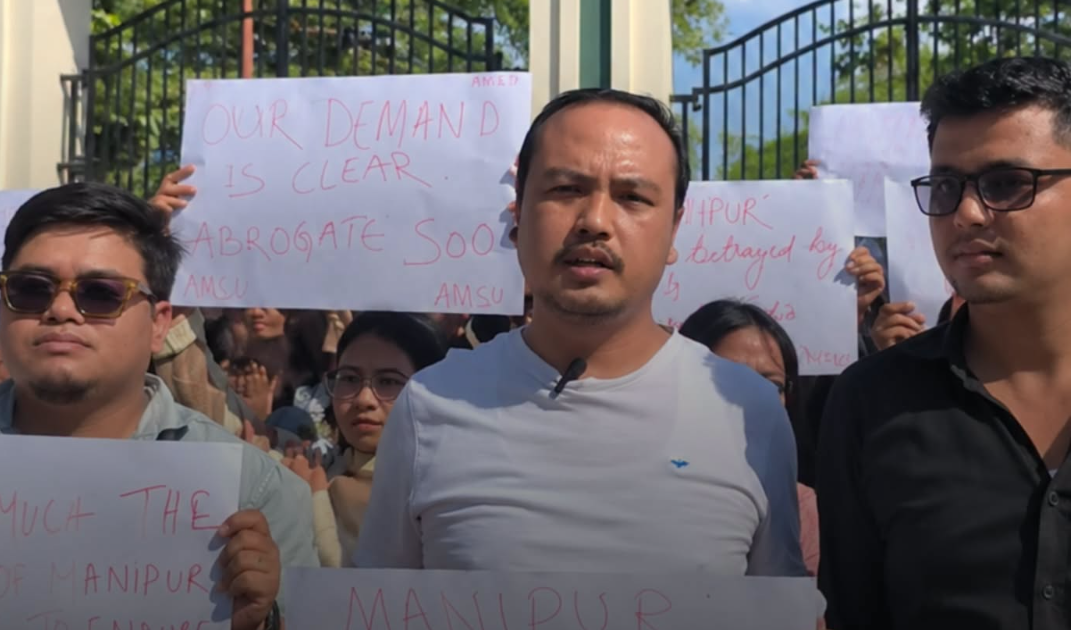
AMSU staged a protest in Imphal on October 22, demanding the removal of Sinai Camp and an end to the SoO agreement with Kuki militant groups. By News National Editorial Team The All Manipur Students’ Union (AMSU) staged a sit-in protest outside DM University in Imphal on Thursday, October 22, demanding the removal of the designated ‘Sinai Camp’ in Kangpokpi district and the reinstallation of the United National Liberation Front’s (UNLF) ‘Nongshum Camp’. The protest followed violence reported in the Nongshum area on October 19, which reportedly left three people dead and four injured. AMSU also demanded the termination of the Suspension of Operations (SoO) agreement with Kuki militant groups, citing security concerns in villages near Imphal East. The student organisation urged the government to address its demands and take steps to restore peace and security in the affected areas. It warned that further public protests could follow if authorities failed to respond. The demands come amid continuing security concerns in Manipur, where tensions between communities and disputes over security arrangements remain sensitive issues. Source: https://www.facebook.com/northeastpublish/posts/amsu-stages-protest-in-imphal-demands-removal-of-sinai-campthe-all-manipur-stude/1578643404280414/

Indian Athletes Sweep Asian Para Games Shot Put Medals

Indian athletes Sachin Khilari, Mohammed Yasser and Parveen won gold, silver and bronze in the men's shot put F46 event in Japan. Indian Athletes Win Gold, Silver and Bronze in Asian Para Games Shot Put By News National Editorial Team Indian athletes secured all three medals in the men's shot put F46 event at the Asian Para Games in Aichi-Nagoya, Japan, on October 21, 2026. Sachin Sarjerao Khilari won gold with a throw of 15.87 metres, setting a new Games record. Mohammed Yasser claimed silver with 15.06 metres, while Parveen secured bronze with 14.94 metres. India also recorded strong performances in other events. Praveen Kumar won gold in the men's high jump T44/64 with a Games-record clearance of 2.05 metres. Banti took silver with a personal-best jump of 1.92 metres. Ayush Verma won gold in the men's shot put F53 event with a throw of 8.16 metres. Indian para-archers Sheetal Devi and Payal Nag secured silver in the women's compound doubles competition. The results added to India's medal tally and highlighted the performances of its para-athletes at the competition. Source: Akashvani News | The Indian Express image :https://www.facebook.com/photo/?fbid=1691803642515976&set=a.269322134764141