
Language Settings
Select Website Language

GDPR Compliance

We use cookies to ensure you get the best experience on our website. By continuing to use our site, you accept our use of cookies, Privacy Policy, and Terms of Service.

Filters

Channels
Topics
Other Filters

Digital Marketing in India 2026 Key Trends for Businesses

Explore India's 2026 digital marketing trends, including SEO, AI, social media, video, local search and digital advertising. Digital Marketing in India 2026 Trends Businesses Need to Know Digital marketing has become an essential part of business growth in India. From local retailers and startups to large companies and online brands, businesses increasingly depend on search engines, social platforms, video, messaging applications and digital advertising to reach customers. India's digital advertising industry is expected to continue expanding as smartphone adoption, internet usage, e-commerce and digital services grow. SEO Remains Important Search engine optimisation remains one of the most useful long-term marketing channels because businesses can attract people who are already looking for information, products or services. However, successful SEO is changing. Businesses need useful articles, technically healthy websites, original information and clear authorship rather than pages created simply to repeat keywords. AI Is Changing Marketing Artificial intelligence is increasingly being used for research, customer analysis, content planning, advertising optimisation and customer service. The biggest opportunity is not simply generating more content. Businesses can use AI to improve research and productivity while retaining human editorial control. Video Marketing Continues to Grow Short-form video, explainers, demonstrations and educational content can help brands reach audiences who prefer visual information. Businesses should consider using the same core idea across articles, videos, social posts and newsletters rather than creating completely separate campaigns. Local Search Is Important for Indian Businesses Restaurants, clinics, shops, educational institutions, travel companies and service providers can benefit from local search visibility. Accurate business information, useful location pages, customer reviews and strong website content can help businesses build local discovery. Regional-Language Marketing India's linguistic diversity creates an opportunity for businesses to publish useful information in English as well as relevant Indian languages. Regional content should not simply be translated word-for-word. It should reflect the terminology and search behaviour of the target audience. The Road Ahead The strongest digital marketing strategies in 2026 will combine SEO, original content, video, social media, local discovery, data analysis and responsible AI use. For businesses, the goal should be sustainable visibility rather than short-term traffic spikes. FAQ Is SEO still important in 2026?Yes. SEO remains useful for helping people discover relevant information through search. Is AI replacing digital marketers?AI can automate many tasks, but strategy, editorial judgement, creativity, fact-checking and brand decisions still require human involvement. What is the best digital marketing strategy for a small Indian business?A combination of local SEO, useful content, social media and targeted advertising can provide a practical starting point. digital marketing India 2026, SEO India, digital advertising India, online marketing, AI marketing

HDFC Bank Shares in Focus After Anup Bagchi CEO Appointment

HDFC Bank shares came under focus after Anup Bagchi was appointed CEO as investors assessed the impact of the leadership change. By News National Editorial Team Published: October 5, 2026 HDFC Bank shares came under scrutiny on Monday as investors assessed the appointment of Anup Bagchi as the bank's new chief executive officer, with the market weighing what an external leadership choice could mean for India's largest private-sector lender. Reuters reported that HDFC Bank shares moved lower after initially gaining as investors considered the implications of Bagchi's appointment. Why the appointment matters Leadership changes at a major bank can influence investor expectations about growth, technology investment, asset quality, lending strategy and profitability. HDFC Bank has a major presence across India's retail, corporate and digital banking markets. The appointment therefore has significance beyond the company's own share price. Investors will likely focus on whether the new leadership maintains the bank's existing strategy or introduces changes in areas such as digital banking, retail lending and operational efficiency. What investors will watch The market reaction to a leadership appointment is often influenced by expectations rather than the immediate financial performance of the company. Investors are likely to examine: The new CEO's strategic priorities Growth in loans and deposits Asset-quality trends Net interest margins Digital banking expansion Cost efficiency Competition from other private banks and fintech companies What customers should know A change at the top of a bank does not automatically mean immediate changes to customer services, loan terms or deposit products. Existing customers should continue to follow official communication from HDFC Bank for any changes affecting their accounts or products. The longer-term significance of the appointment will become clearer as the new leadership outlines its priorities. Key Takeaway The immediate market reaction reflects investor uncertainty and expectations surrounding the leadership transition. The more important question will be how Anup Bagchi shapes HDFC Bank's strategy over the coming quarters. Source: Reuters. HDFC Bank CEO, Anup Bagchi, HDFC Bank shares, Indian banking, HDFC Bank news 2026

IndiGo to Raise Fuel Charges as Aviation Fuel Costs Increase

IndiGo plans to increase domestic fuel charges as aviation fuel costs rise. Here's what Indian air passengers should know. IndiGo to Increase Fuel Charges as Aviation Fuel Costs Rise By News National Editorial Team Published: October 5, 2026 Domestic air travellers in India could face higher travel costs after IndiGo announced plans to increase fuel charges as aviation fuel prices rise. The airline said Monday that it would increase fuel charges on domestic flights, according to Reuters. Why fuel prices affect air tickets Aviation turbine fuel is one of the largest operating expenses for airlines. When fuel costs rise sharply, airlines can face pressure on their margins. Fuel surcharges or additional charges are one way carriers attempt to recover part of that increased expense. The impact on passengers can vary depending on the route, fare type and timing of the booking. What passengers should expect The additional fuel charge means the final amount paid by travellers could increase on affected domestic journeys. Passengers planning trips should therefore compare the total fare, rather than comparing only the basic ticket price. Airline fares can change frequently because of demand, seat availability, fuel costs and other operating factors. Why this matters for India's aviation market India has developed into one of the world's fastest-growing major aviation markets. Higher fuel costs create a challenge for airlines because carriers must balance affordable fares with financial sustainability. If fuel prices remain elevated for an extended period, airlines could face continuing pressure to control costs or adjust fares. Advice for travellers Passengers can reduce the impact of fare increases by: Booking when fares are favourable Comparing multiple travel dates Checking the final fare before payment Reviewing baggage and other additional charges Considering alternative travel options for short journeys Key Takeaway The IndiGo fuel-charge increase highlights how changes in global energy markets can eventually reach Indian consumers through higher transportation costs. Source: Reuters. IndiGo fuel charges, IndiGo flights, domestic flight fares India, aviation fuel prices, India airline news

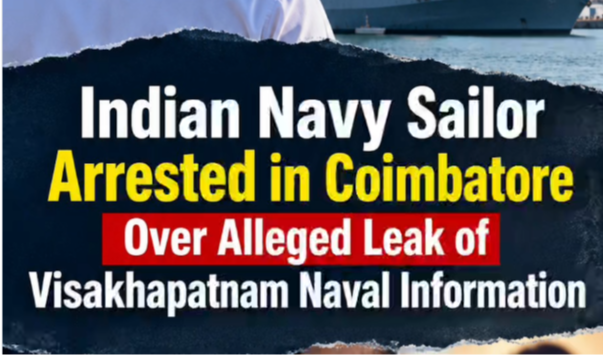
Andhra Pradesh Intelligence Questions Navy Sailor Over Alleged Data Leak

Andhra Pradesh intelligence officials reportedly questioned a Navy sailor over an alleged sensitive information leak involving a social-media contact. Andhra Pradesh Intelligence Questions Navy Sailor Over Alleged Sensitive Information Leak By News National Editorial Team Published: October 5, 2026 Andhra Pradesh intelligence officials have reportedly detained and questioned an Indian Navy sailor over allegations that sensitive maritime information was shared with a person linked to Pakistan through a social-media interaction. The case was reported by the Times of India on Monday, which said investigators were examining whether the sailor had been targeted through an online relationship and whether any sensitive information was actually compromised. Why the case is significant The incident highlights a growing cybersecurity and national-security challenge: social-media platforms can be used to establish relationships with defence personnel and potentially exploit them. Military personnel can become targets of social engineering, phishing, impersonation and other forms of manipulation. Investigation is still underway It is important to distinguish between an allegation and an established finding. The reported detention and questioning do not by themselves establish that classified information was successfully transferred or that the suspect acted with criminal intent. Investigators will need to determine what communications occurred, what information was allegedly shared and whether the information was actually sensitive or classified. The wider cybersecurity lesson The case also demonstrates why government and defence organisations increasingly emphasise digital-security awareness. Personnel should be particularly cautious about: Unknown social-media contacts Requests for workplace information Suspicious links Requests for photographs or documents Attempts to establish personal relationships quickly Questions about military movements or operations What happens next The investigation will determine whether formal charges or further action are warranted. News National will treat claims in the case as allegations unless they are established by investigators, courts or official statements. Key Takeaway The reported case demonstrates how traditional espionage risks can increasingly intersect with social-media manipulation and digital communication. Source: Times of India reporting. Andhra Pradesh Navy sailor, intelligence investigation, naval information leak, cybersecurity India, social media espionage

Tirupati Recruitment Hall Tickets 2026 Collection Dates October 5–6

Tirupati recruitment hall tickets for several outsourced posts are available for collection on October 5 and 6, 2026. Tirupati Recruitment Hall Tickets Available From October 5 and 6 By News National Editorial Team Published: October 5, 2026 Candidates participating in a recruitment process for several outsourced positions connected with the 8th Battalion Andhra Pradesh Special Police in the Tirupati region can collect their hall tickets from October 5 to October 6. The official Tirupati district administration website lists hall-ticket collection for posts including Record Assistant, Office Subordinate, Sweepers, Scavengers, Cooks, Dhobis and Barbers. Who should check the notice? Candidates who applied for the relevant recruitment should verify their eligibility and hall-ticket details through the official Tirupati district administration information. The recruitment notice specifies the collection period as October 5–6, 2026. Why candidates should act quickly Applicants should not wait until the final day if they are eligible to collect their documents. Candidates should carefully check: Their application details Hall-ticket information Reporting instructions Required documents Recruitment venue Date and time Any additional instructions issued by the authorities Use official information Job applicants should rely on the official district administration website or the recruiting authority for final instructions. Candidates should also be cautious of unofficial websites asking for money or personal information in exchange for recruitment assistance. Key Takeaway Eligible candidates connected with this Tirupati recruitment should check the official district administration notice during the October 5–6 hall-ticket collection window. Source: Tirupati District Administration, Government of Andhra Pradesh. Tirupati recruitment 2026, Tirupati jobs, hall tickets October 2026, APSP recruitment, Tirupati district jobs

COVID-19 Pandemic The Global Fraud, Waste and Accountability Questions That Remain

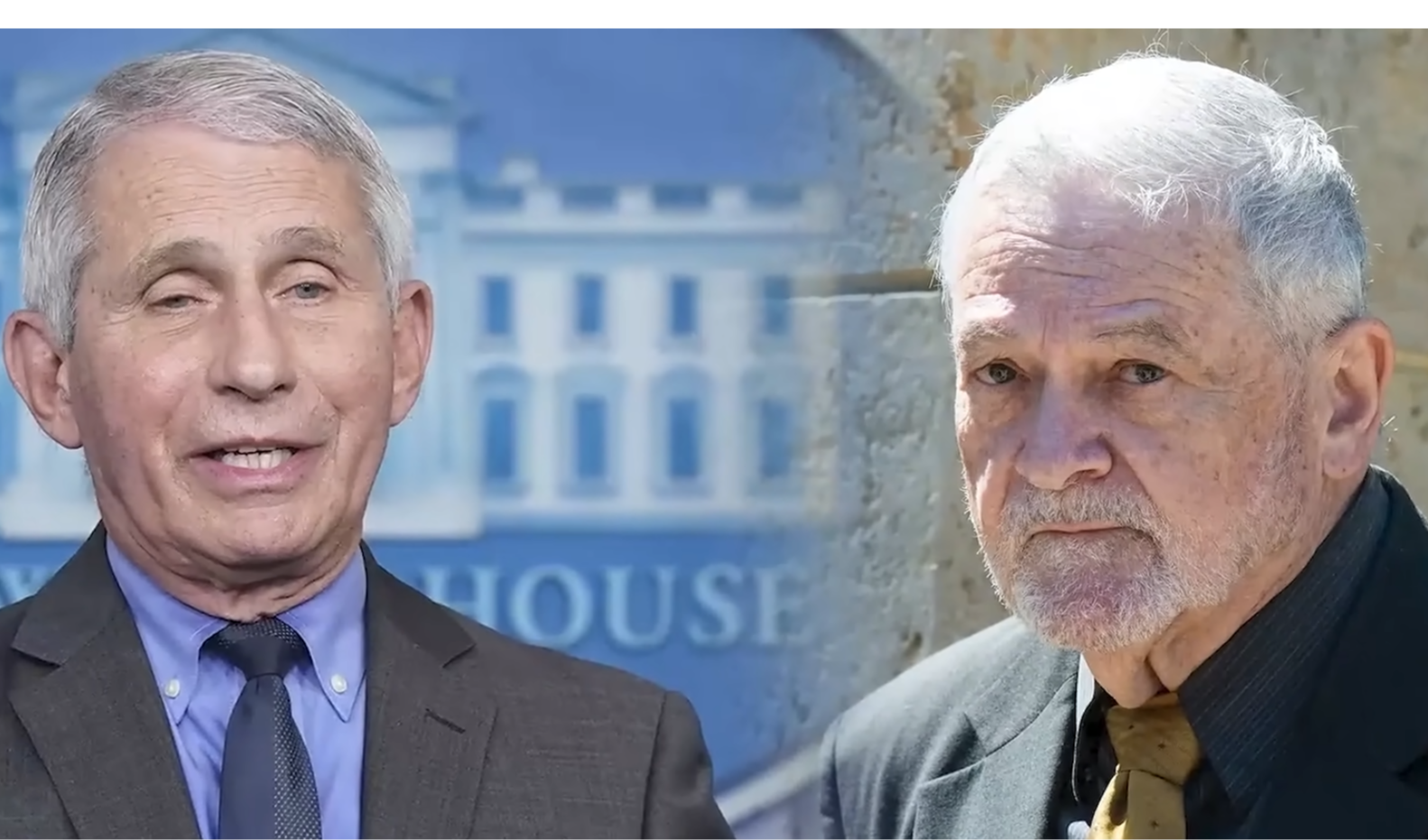
Former NIAID Adviser David Morens Pleads Guilty in COVID-19 Records Case: What the Guilty Plea Really Shows By News National Editorial Team WASHINGTON — A former senior adviser at the U.S. National Institute of Allergy and Infectious Diseases (NIAID), David M. Morens, has pleaded guilty in federal court to a conspiracy charge arising from efforts to conceal government-related communications concerning coronavirus research from public-record requests during the COVID-19 pandemic. The development is significant because the communications involved coronavirus research funding, a grant connected to research at the Wuhan Institute of Virology (WIV) and efforts to respond to allegations that COVID-19 may have originated through a laboratory-associated incident. However, the criminal case needs to be understood carefully. Morens's guilty plea establishes criminal responsibility for the conspiracy described in his plea agreement. It does not, by itself, establish that SARS-CoV-2 escaped from a laboratory, that the virus was genetically engineered, or that the entire COVID-19 pandemic response was fraudulent. The U.S. Department of Justice announced Morens's guilty plea on August 18, 2026, saying he admitted to participating in a scheme designed to evade the Freedom of Information Act (FOIA) and federal records requirements. Who is David Morens? David M. Morens is a physician and former senior official at NIAID, an institute within the U.S. National Institutes of Health (NIH). According to the U.S. Department of Justice, Morens served as a senior adviser in the NIAID Office of the Director from 2006 through 2022. During the COVID-19 pandemic, he became involved in communications concerning coronavirus research grants and the government's response to questions surrounding the origins of SARS-CoV-2. Morens was also a senior adviser to then-NIAID Director Dr. Anthony Fauci. The criminal case against Morens is United States v. David M. Morens, Case No. 8:26-cr-00138, in the U.S. District Court for the District of Maryland. Court-record information identifies the case as ending in a guilty plea. What did Morens plead guilty to? According to the Justice Department, Morens pleaded guilty to conspiracy to commit offenses and to defraud the United States. The government said the conspiracy involved attempts to evade FOIA requests and the Federal Records Act in connection with communications about coronavirus research grants. The central issue was not simply that Morens used a personal email account. According to prosecutors, Morens and others intentionally used his personal Gmail account instead of his official government email account because they anticipated that their communications could be requested through FOIA. The DOJ said the communications included non-public NIH information, discussions about research funding, drafts of correspondence to NIH leadership and other communications related to coronavirus research. Reuters independently reported that Morens admitted using his personal email to prevent official communications from being subject to public-record requests. Why was personal Gmail important? The use of personal email is one of the most important aspects of the case. Government officials conducting official business are subject to federal records and transparency requirements. FOIA allows members of the public, journalists and organizations to request certain federal records. Prosecutors alleged that Morens and other individuals anticipated such requests and deliberately moved certain communications away from government systems. The Justice Department says Morens and the other participants agreed in writing to use his personal Gmail account to keep communications away from public view. According to the DOJ, the communications concerned: Non-public NIH information Coronavirus research funding Efforts involving a terminated research grant Draft letters to senior NIH officials Communications intended to influence NIH funding decisions Back-channel communications involving senior NIAID personnel The Justice Department said the matters were related to Morens's official responsibilities and therefore constituted federal records that should have been handled through government systems. What was the coronavirus research grant? The case involved a research grant known as: “Understanding the Risk of Bat Coronavirus Emergence.” The DOJ said NIH terminated the grant after allegations emerged that COVID-19 had originated from the Wuhan Institute of Virology. The grant had been awarded to a U.S. recipient, which subsequently made a subaward to the Wuhan Institute of Virology. Following termination of the grant, prosecutors said Morens and others worked to help restore the funding and counter the narrative that COVID-19 had leaked from a laboratory. This connection is an important factual element of the criminal case. But it is essential to distinguish between two separate questions: Question 1: Did U.S.-funded coronavirus research have a connection to a Chinese laboratory? Answer: Yes. The DOJ's case documents describe such a connection. Question 2: Does that connection prove that SARS-CoV-2 came from that laboratory? Answer: No. The Morens guilty plea itself does not establish that conclusion. The Wuhan Institute of Virology connection The Wuhan Institute of Virology has been at the center of the global debate over the origins of COVID-19. The controversy intensified because U.S.-funded coronavirus research was conducted through organizations that collaborated with the Wuhan laboratory. The Morens case brings some of those relationships back into the spotlight because prosecutors specifically referred to a coronavirus research grant and a subaward involving WIV. The case therefore provides additional evidence about government communications and research-funding relationships, but those facts should not automatically be presented as proof of the precise origin of SARS-CoV-2. What did prosecutors say about the lab-leak debate? The Justice Department says Morens and others sought to counter the narrative that COVID-19 had leaked from a laboratory. According to the government's account, their efforts followed NIH's termination of the bat-coronavirus research grant. That means the laboratory-origin question was explicitly part of the communications surrounding the case. But the criminal prosecution was not a trial determining the scientific origin of COVID-19. The court's guilty plea concerned the conspiracy and associated conduct described in the plea agreement. That distinction is critical. The wine and alleged illegal gratuities Another striking element of the case concerns gifts allegedly provided to Morens. According to the Justice Department, Morens admitted that he and another individual conspired concerning illegal gratuities. The government said the individual provided Morens with wine for what was described as his “behind-the-scenes shenanigans.” Prosecutors further said Morens identified an official act that he could perform to “deserve” the gift. According to the DOJ, that act involved authoring a scientific commentary in a prominent medical journal advocating that COVID-19 had natural origins. The government also said the individual discussed providing Morens with other benefits, including meals at Michelin-starred restaurants in several major cities. These allegations raise serious questions about conflicts of interest and the independence of government-related scientific communications. However, the existence of an improper gift arrangement does not automatically establish that a scientific conclusion about COVID-19's origins was scientifically false. Does the case prove that the natural-origin theory was fabricated? No. This is one of the most important distinctions for readers. The prosecution alleges that Morens participated in improper conduct involving communications and gifts. That can raise legitimate questions about transparency, conflicts of interest and the handling of scientific information. But it does not mean that every scientific paper supporting zoonotic or natural origins of SARS-CoV-2 was false. A scientific conclusion must be evaluated using scientific evidence. The criminal case and the scientific-origin question overlap in important ways, but they are not the same legal or scientific question. Does Morens's guilty plea prove COVID-19 came from a laboratory? No. The guilty plea does not constitute a judicial finding that SARS-CoV-2 originated at the Wuhan Institute of Virology. This is especially important because the international scientific community has not reached a definitive conclusion about the virus's origin. In June 2025, the World Health Organization's Scientific Advisory Group for the Origins of Novel Pathogens (SAGO) said that much of the information necessary to fully evaluate all hypotheses had not been provided. WHO said that all hypotheses had to remain on the table, including zoonotic spillover and a laboratory-associated incident. At the same time, SAGO said the weight of the available evidence favored zoonotic spillover, while noting that the investigation remained unfinished. Therefore, the most accurate description is that the origin of SARS-CoV-2 remains unresolved, despite extensive investigation and competing assessments. What has the U.S. intelligence community said? The debate has also moved beyond scientific research into intelligence assessments. In June 2026, the U.S. Office of the Director of National Intelligence (ODNI) released material arguing that evidence supported a laboratory-associated origin and made serious allegations concerning the handling of intelligence and public narratives surrounding COVID-19. The ODNI publication went considerably further than the WHO's position and presented a laboratory-associated explanation as its assessment. However, an intelligence assessment and a criminal court ruling are different things. The ODNI position should therefore be attributed explicitly to the agency rather than presented as an independently established judicial fact. Was Anthony Fauci charged in the Morens case? No. This point is particularly important because Morens was a former adviser to Anthony Fauci. The Morens criminal case does not announce a criminal conviction of Fauci. Reuters reported that prosecutors had not accused Fauci of wrongdoing in connection with Morens's case. Therefore, headlines claiming that: “Fauci was convicted” or “Fauci was found guilty in the Morens case” would be inaccurate. The proper wording is that Morens was a former senior adviser associated with Fauci and that the case concerned his own conduct. What about Peter Daszak? The case documents refer to individuals as co-conspirators. Previous investigations and reporting have identified one of those individuals as Peter Daszak, the former president of EcoHealth Alliance, an organization that was involved in coronavirus research and had connections to research conducted at the Wuhan Institute of Virology. However, being identified in the documents as a co-conspirator is not the same as being convicted. As of the reported Morens guilty plea, the criminal conviction in this case belongs to David Morens. News reports have also noted that neither Daszak nor another individual identified in reporting as a co-conspirator had been charged in the Morens case. Why the case matters beyond one former official The Morens case is significant for several reasons. 1. Government transparency The allegations concern the deliberate movement of official communications to a private email account to avoid public-record scrutiny. That raises important questions about government transparency. 2. Scientific integrity The case involves communications concerning a highly controversial area of scientific research. The alleged gift arrangement also raises questions about potential conflicts of interest. 3. Coronavirus research funding The case provides another window into how U.S. government funding was connected to coronavirus research involving international partners. 4. COVID-19 origins Although the guilty plea does not resolve the origin of SARS-CoV-2, the underlying documents are relevant to understanding how officials and researchers dealt with competing theories during the pandemic. 5. Public trust Perhaps the broader issue is public confidence. When government officials use private communication channels to conduct official business, it can make it harder for journalists, researchers and the public to determine how important decisions were made. What the Morens case proves — and what it does not Established by the federal case David Morens was a senior NIAID adviser. He pleaded guilty to a federal conspiracy charge. The case involved COVID-related coronavirus research. The communications included government-related information. Personal Gmail was used to avoid anticipated FOIA scrutiny. The research grant involved a subaward to the Wuhan Institute of Virology. The case included allegations concerning improper gratuities. Morens faces a potential maximum sentence of five years. These points are supported by the DOJ announcement and court-related reporting. Not established by the guilty plea That SARS-CoV-2 was genetically engineered. That the Wuhan Institute of Virology definitely caused the pandemic. That COVID-19 was intentionally created. That Anthony Fauci was convicted of a crime in this case. That every scientist supporting natural origins committed fraud. That COVID-19 vaccines were fraudulent. That the entire pandemic response was a criminal conspiracy. Those conclusions go beyond what Morens admitted to in court. Why social-media headlines need careful reading The Morens case has already become part of a much larger online debate about COVID-19. A headline such as “COVID fraud confirmed” may attract attention, but it can collapse several separate issues into one claim. There are at least three distinct questions: First: Did Morens engage in conduct that violated federal law? Yes. He pleaded guilty. Second: Were government-funded coronavirus research programs connected to the Wuhan Institute of Virology? Yes, according to the federal case documents. Third: Has the Morens guilty plea conclusively established that SARS-CoV-2 escaped from the Wuhan laboratory? No. That distinction is essential for responsible journalism. A wider scientific debate remains The COVID-19 origin debate is not simply a choice between accepting one government's statement and rejecting another. WHO's SAGO assessment said the available evidence favored zoonotic spillover but also acknowledged that key information needed to fully assess the laboratory-associated hypothesis was unavailable. WHO specifically said that additional information about early cases, animals in Wuhan markets and laboratory work and biosafety conditions was needed. Meanwhile, U.S. intelligence assessments have included differing views over the years, with some agencies favoring a laboratory-associated explanation and others previously assessing natural transmission as more likely. The result is an unusual situation in which scientific, intelligence and political assessments do not completely agree. What happens next for Morens? Morens faces a maximum possible sentence of five years in prison for the conspiracy charge. The Justice Department emphasized that the maximum penalty does not mean that a five-year sentence will necessarily be imposed. Federal sentencing will be determined by the judge after consideration of the applicable sentencing guidelines and other statutory factors. Reuters reported that Morens's sentencing was scheduled for November 12, 2026. News National Fact Check Claim: A former senior NIAID official pleaded guilty in a COVID-related federal case. Verdict: TRUE. Claim: Morens admitted using personal Gmail to conceal government-related communications from anticipated FOIA requests. Verdict: TRUE. Claim: The case involved coronavirus research connected to the Wuhan Institute of Virology. Verdict: TRUE. Claim: The case included allegations involving wine and improper gratuities. Verdict: TRUE. Claim: Morens's guilty plea proves that COVID-19 came from a Wuhan laboratory. Verdict: NOT ESTABLISHED. Claim: Anthony Fauci was convicted in the Morens case. Verdict: FALSE. Claim: The guilty plea proves the entire COVID-19 pandemic was a fraud. Verdict: UNSUPPORTED. The bigger picture The David Morens case is a serious development in the continuing examination of how the U.S. government and scientific institutions handled coronavirus research and public-record requests during the COVID-19 pandemic. The guilty plea provides concrete evidence of misconduct involving government communications and transparency. It also places renewed attention on coronavirus research funding and the contentious debate surrounding the Wuhan Institute of Virology. But journalism must distinguish what has been proved in court from what remains a scientific or intelligence assessment. For News National readers, the central takeaway is straightforward: David Morens pleaded guilty to a federal conspiracy involving the concealment of government-related communications. The case raises serious questions about transparency, research funding and scientific conflicts of interest. But the guilty plea itself does not constitute a judicial finding that COVID-19 originated in a laboratory or that the entire pandemic was the result of a deliberate fraud. The origins of SARS-CoV-2 remain an unresolved international scientific question, with competing hypotheses and incomplete evidence continuing to shape the debate. Sources: U.S. Department of Justice; U.S. District Court for the District of Maryland case records; Reuters; World Health Organization/SAGO; U.S. Office of the Director of National Intelligence. Editorial note: This report distinguishes verified court findings from allegations, intelligence assessments and unresolved scientific questions. Claims concerning COVID-19's origins are attributed to the relevant authorities rather than presented as established fact.

Two New Gecko Species Discovered in Telangana's Rocky Habitats

Researchers have formally identified two new gecko species from Telangana, highlighting biodiversity in rocky and human-made habitats.Two New Gecko Species Discovered in Telangana By News National Editorial Team Published: October 5, 2026 Researchers have formally described two previously unrecognised gecko species from Telangana, adding to scientific knowledge of the state's rocky landscapes and human-made stone habitats. The research concerns two species belonging to the Hemidactylus genus, according to Research Matters. Why the discovery matters Discoveries of new species are not simply about adding names to scientific records. They can help researchers understand biodiversity, habitat distribution and the ecological importance of landscapes that may otherwise receive limited attention. Telangana contains a variety of rocky environments that support specialised wildlife. Human-made structures can also provide habitat One notable aspect of the research is the connection between the geckos and stone structures. Rock piles, walls and other human-created environments can sometimes provide shelter for small reptiles. This means conservation efforts cannot focus only on large forests or formally protected areas. More research needed Formal species identification is only one stage of biodiversity research. Scientists may subsequently study: Population distribution Habitat requirements Breeding behaviour Threats Seasonal activity Conservation status Understanding where a species occurs is particularly important if its habitat is affected by construction, quarrying or other land-use changes. Telangana's biodiversity The discovery adds another example of the biological diversity found in the Deccan region. Small reptiles can be difficult for the public to notice, but they form an important part of local ecosystems and can contribute to controlling insect populations. Key Takeaway The identification of two new gecko species highlights the importance of studying even familiar-looking landscapes and the smaller animals that live within them. Source: Research Matters. new gecko species Telangana, Telangana wildlife, Hemidactylus, Indian reptiles, biodiversity Telangana

India-China Economic Ties Face Major Tests Despite Diplomatic Thaw

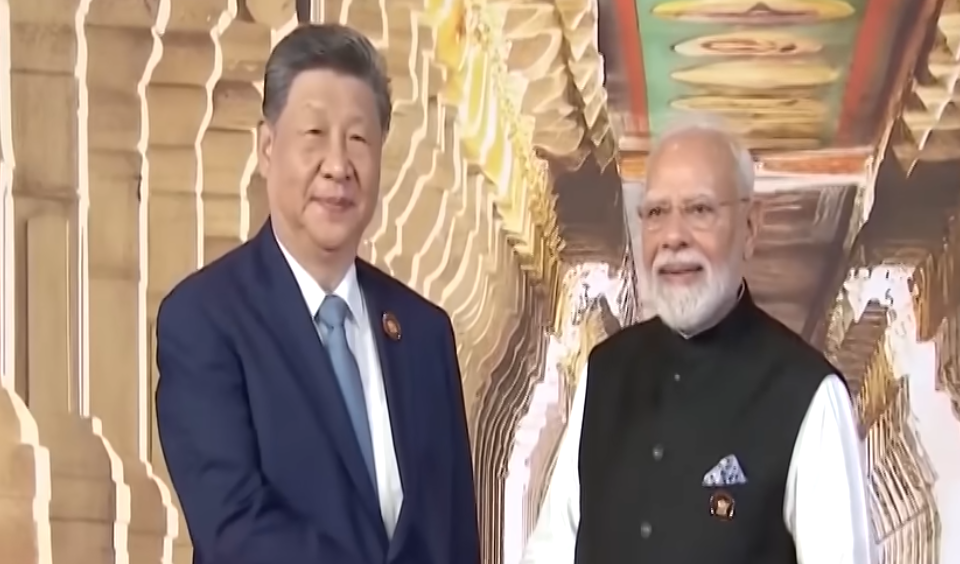
India and China are improving diplomatic ties, but economic competition, supply chains and manufacturing create major challenges. India-China Economic Relations Face New Tests Despite Diplomatic Thaw By News National Editorial Team Published: October 5, 2026 India and China are attempting to improve relations after years of tension, but economic ties face several difficult tests as both countries balance diplomatic engagement with strategic concerns. A Reuters analysis published Monday said the improvement in relations faces significant economic challenges, particularly as India seeks to strengthen its position in global manufacturing and supply chains. Why China matters to India China remains an important source of machinery, components, electronics and industrial inputs for Indian businesses. At the same time, India has been trying to increase domestic manufacturing and reduce excessive dependence on any single overseas supplier. That creates a complicated relationship. India wants access to global supply chains while also seeking greater economic resilience. The manufacturing question One of India's major opportunities is attracting companies looking to diversify production beyond China. Government incentives, infrastructure investment and the expansion of domestic manufacturing could help India capture a larger share of global production. However, Chinese companies remain deeply embedded in many supply chains. Diplomatic improvement does not remove economic competition Better political relations can make trade and investment easier, but they do not automatically eliminate competition. India and China continue to compete for influence across technology, manufacturing, infrastructure and regional markets. What businesses will watch Companies will be particularly interested in: Import conditions Supply-chain reliability Investment rules Technology access Manufacturing incentives Bilateral trade developments Key Takeaway The India-China relationship is moving into a more complicated phase in which diplomatic engagement and economic competition may continue simultaneously. Source: Reuters analysis. India China relations 2026, India China trade, India manufacturing, China supply chains, India economy

India Could Gain From China's Fuel Export Cut as Asian Demand Shifts

India's large refining industry could help fill part of Asia's fuel supply gap as China reduces refined-fuel exports. India Could Gain a Bigger Role in Asia's Fuel Market as China Cuts Fuel Exports By News National Editorial Team Published: October 5, 2026 India could have an opportunity to expand its role in Asia's refined-fuel market as China's reduction in fuel exports creates space for alternative suppliers. Reuters reported that China's suspension of fuel exports in October could tighten regional fuel markets, while India's large refining capacity gives it the potential to increase supplies to overseas buyers. India's refining advantage India has one of the world's largest refining industries, giving the country the ability to process substantial quantities of crude oil into products such as diesel, gasoline and aviation fuel. That capacity gives Indian refiners flexibility when international market conditions change. Why China's decision matters China has traditionally been an important supplier of refined petroleum products to Asian markets. If Chinese exports remain lower, buyers in countries such as Singapore, Australia and other Southeast Asian markets may seek supplies elsewhere. India is one of the countries capable of responding to some of that demand. Opportunity comes with risks India's ability to expand exports will depend on several factors. These include: Availability and cost of crude oil Domestic fuel demand Refinery utilisation International prices Shipping costs Regional geopolitical conditions India must also balance exports with domestic energy requirements. What it means for India's economy Higher refined-product exports could support India's trade position and refinery utilisation. However, the opportunity is not guaranteed. International energy markets can change rapidly, particularly when geopolitical disruptions affect crude supplies and shipping routes. Key Takeaway India's large refining capacity could give the country a strategic opportunity to supply more refined fuels to Asian markets as China's exports decline. Source: Reuters analysis. India fuel exports, China fuel exports, Indian refineries, Asian fuel market, India energy exports, crude oil

Singapore F1 Week Draws Global Business Leaders as Haze Raises Concern

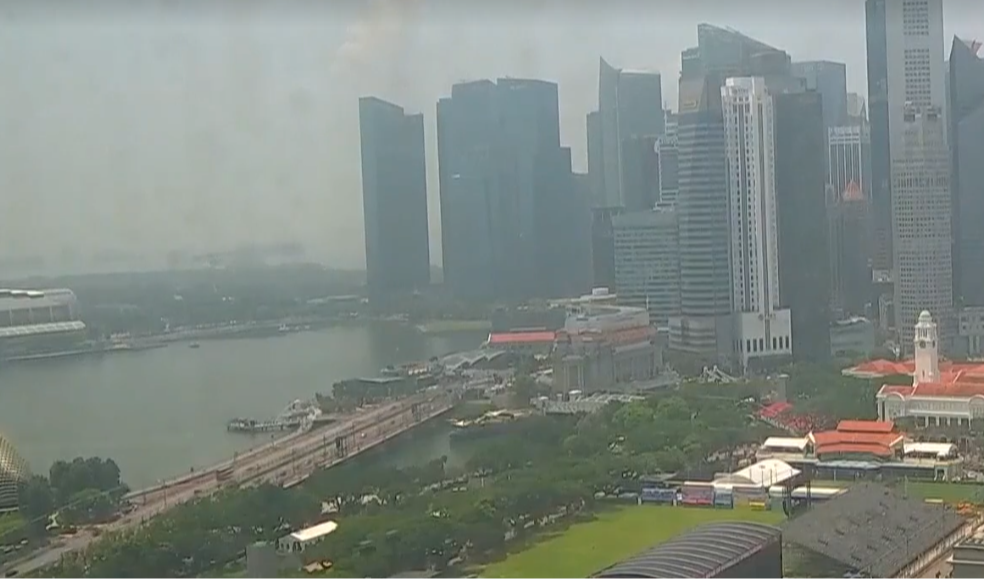
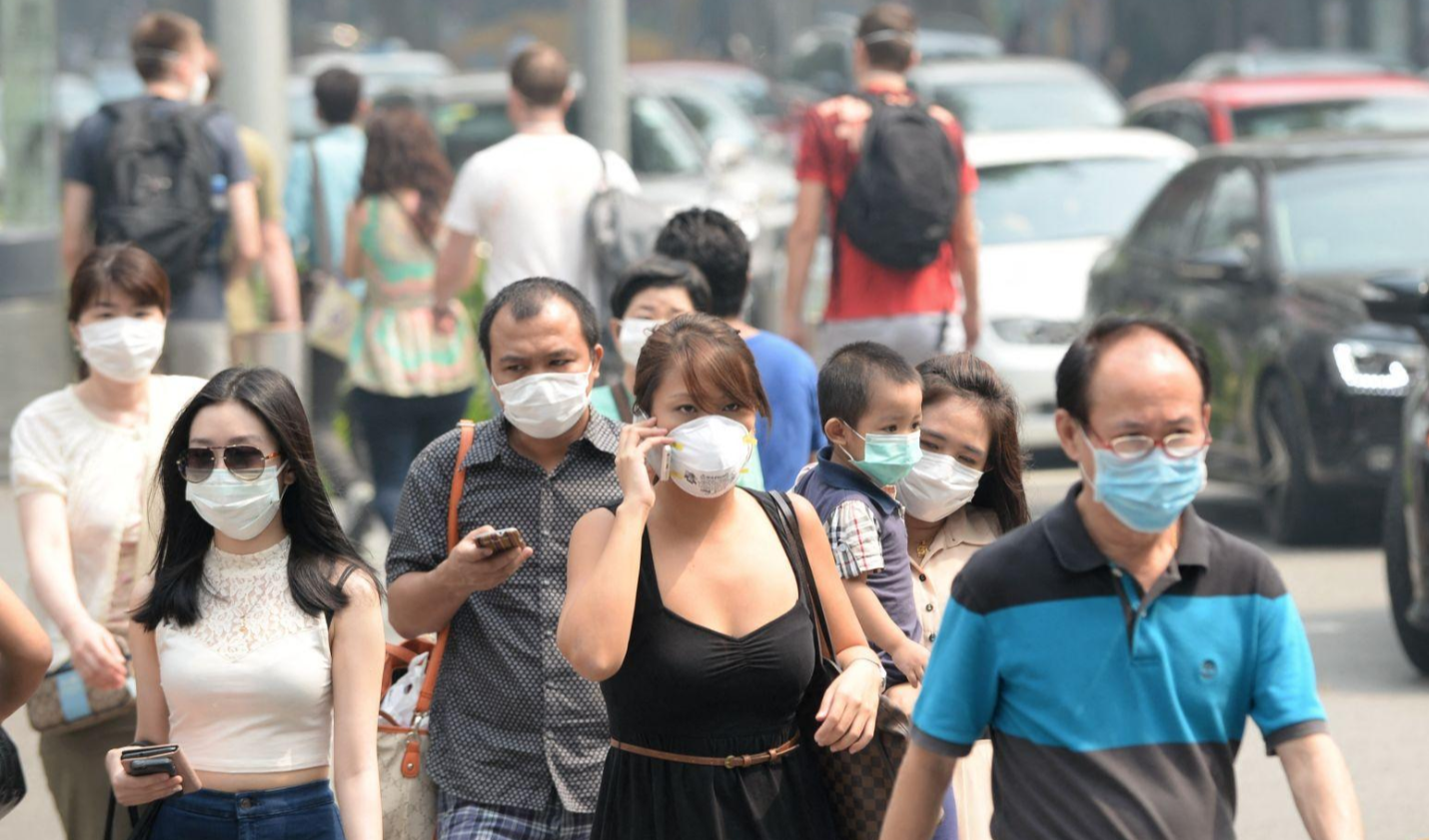
Singapore prepares for F1 and major business events as haze from Indonesia's fires raises concerns over air quality. By News National Editorial Team Published: October 5, 2026 Singapore is preparing for a major week of international business activity around the Formula 1 Grand Prix, but haze caused by fires in Indonesia is adding an environmental concern to the city's busy event calendar. Reuters reported that major business gatherings, including the Forbes CEO Conference, Milken Asia Summit and TOKEN2049, are attracting executives and investors to Singapore ahead of the race. F1's economic importance The Singapore Grand Prix is more than a sporting event. It brings international visitors, corporate executives and investors to the city and generates significant activity for hotels, restaurants, transportation and other tourism businesses. The Singapore Tourism Board expects strong visitor momentum around the event. Reuters reported an estimate of around 90,000 senior executives visiting for F1-related activities. Haze becomes a concern Air quality is an additional issue this year because of smoke linked to Indonesia's fires. Reuters reported that pollution levels were expected to range from high-moderate to low-unhealthy in the period surrounding the events. The actual impact on outdoor activities will depend on changing weather and wind conditions. Business and technology discussions The business conferences are expected to focus on subjects including: Artificial intelligence Financial markets Digital assets Investment Technology Regional economic trends This gives Singapore a second role during F1 week: not only a sporting destination but also a meeting point for global business leaders. Key Takeaway Singapore's F1 week is bringing together sport, tourism and international business, while haze conditions remain an issue that authorities and visitors will need to monitor. Source: Reuters. Singapore F1 2026, Singapore Grand Prix, Singapore haze, Indonesia fires, TOKEN2049, Singapore business events

RBI Rate Hike in Focus as Inflation Pressure Builds in India

RBI rate decision draws attention as inflation pressure builds. Here is what a possible 25-basis-point hike could mean for borrowers, savers and markets. RBI Rate Decision in Focus Why Borrowers, Depositors and Markets Are Watching This Week By News National Editorial Team Published: October 5, 2026 Category: Business & Economy India's monetary policy is coming under renewed attention this week as investors and economists increasingly expect the Reserve Bank of India (RBI) to consider raising interest rates amid signs that inflationary pressure is becoming broader. A Reuters survey published on October 5 found that 35 of 61 economists expected the RBI to raise its policy rate by 25 basis points at its upcoming meeting. Financial markets have been even more strongly positioned for an increase, with swap-market pricing indicating that traders are fully expecting higher borrowing costs. Why the RBI's decision matters The RBI has to balance several competing priorities when setting monetary policy. On one side is inflation. If prices rise too quickly or inflationary pressure becomes persistent, higher interest rates can help moderate demand and keep price expectations under control. On the other side is economic growth. Higher borrowing costs can make loans more expensive for households and businesses, potentially slowing consumption and investment. India's economy has continued to show resilience, making the policy decision particularly important as the central bank weighs inflation risks against growth conditions. What a 25-basis-point increase would mean A 25-basis-point move is equal to 0.25 percentage points. For consumers, a change in the RBI's policy rate does not necessarily translate immediately or equally into every loan rate. Banks consider their own funding costs, lending benchmarks and competitive conditions when determining the rates offered to customers. However, a sustained increase in policy rates can eventually influence borrowing costs across the financial system. Home-loan borrowers Existing borrowers with floating-rate loans could see their interest costs rise if their lending benchmark moves higher. For people planning to purchase a home, higher rates can increase the monthly repayment burden and may influence the size of loan they are comfortable taking. Personal and business loans Higher financing costs can also affect personal loans and business borrowing. Companies that depend heavily on debt financing may reassess expansion plans if borrowing becomes significantly more expensive. Fixed-income investors Higher interest rates can make newly issued fixed-income instruments more attractive because investors may receive better yields. The impact on existing bonds, however, can be more complicated because bond prices and yields generally move in opposite directions. Why inflation is central to the decision The latest market expectations reflect concern that inflation pressure is broadening while economic activity remains relatively strong. That combination can make monetary policy more difficult. If demand remains resilient while price pressures increase, the central bank may have less reason to maintain an extremely accommodative policy stance. At the same time, policymakers must assess whether inflationary pressure is temporary or persistent before making a significant policy adjustment. What markets are watching Financial markets are not looking only at the rate decision itself. Investors will also examine the RBI's accompanying communication for clues about the direction of future policy. Three questions will be particularly important: Does the RBI actually raise the policy rate? How does it assess the inflation outlook? What guidance does it provide about future rate decisions? The third point could be especially important for banks, companies and investors because expectations about future rates can influence financial markets even before another policy meeting takes place. What it could mean for ordinary Indians For households, the immediate impact will depend on the type of financial products they use. People with floating-rate loans should monitor communication from their banks and understand how changes in their lending benchmark could affect repayments. Savers, meanwhile, may find that higher interest-rate conditions eventually support better returns on some deposits and other fixed-income products, although the exact benefit depends on individual banks and financial instruments. Consumers should avoid making major financial decisions solely because of a single rate announcement. Loan terms, income stability, repayment capacity and long-term financial goals remain important. The bigger picture The RBI's challenge is to maintain price stability without unnecessarily weakening economic activity. With economists increasingly expecting a 25-basis-point move and financial markets already pricing in a rate increase, the central bank's assessment of inflation and growth will be closely watched. The upcoming policy decision could therefore provide an important signal about India's monetary-policy direction in the months ahead. Key Takeaways Economists are increasingly expecting an RBI rate increase. A Reuters poll found 35 of 61 economists expected a 25-basis-point hike. Market pricing has also moved strongly toward an increase. Higher rates can raise borrowing costs while potentially improving returns on some savings products. The RBI's guidance on future policy may be as important as the immediate rate decision. Source: Reuters; Reserve Bank of India policy communications should be followed for the official decision and statement. RBI rate hike 2026, RBI monetary policy, India inflation, RBI interest rates, home loan rates, India economy, banking news, interest rate hike

Singapore Raises Concerns Over AI Safety as Technology Advances

Singapore's Josephine Teo warns existing AI safeguards may be insufficient as artificial intelligence systems become more capable. Singapore has renewed its focus on artificial intelligence safety, with Minister for Digital Development and Information Josephine Teo highlighting concerns that existing safeguards may not be sufficient as AI systems become increasingly capable. The remarks reflect growing international discussion about the need for responsible AI development, effective oversight and stronger safety mechanisms. Rapid AI Development Creates New Challenges Artificial intelligence is increasingly being used in business operations, healthcare, education, financial services and public administration. While these systems can improve productivity and support innovation, their growing capabilities also create challenges involving reliability, transparency, data protection and misuse. AI systems may generate inaccurate information, expose sensitive data or be exploited for harmful purposes if appropriate safeguards are absent. Why Existing Safeguards Matter AI developers and technology companies have introduced safety measures designed to reduce harmful outputs and improve the reliability of their products. However, the effectiveness of these protections can vary depending on the system, its capabilities and how it is deployed. Singapore's position highlights the importance of continually evaluating safeguards rather than treating AI safety as a one-time technical requirement. Singapore's Approach to Responsible AI Singapore has positioned itself as an active participant in international discussions about AI governance and digital trust. The country's approach includes encouraging innovation while developing frameworks to address risks associated with emerging technologies. As AI becomes more integrated into everyday life, cooperation between governments, technology companies, researchers and the public will remain important.

Singapore Adds HPV9 Gardasil 9 Vaccine to National Schedule in 2027

Singapore will add the HPV9 vaccine to national immunisation schedules from January 2027, expanding protection against HPV-related diseases. Singapore will introduce the HPV9 vaccine, commercially known as Gardasil 9, into its national immunisation schedules from January 2027, expanding protection against human papillomavirus (HPV). The announcement represents a development in the country's preventive healthcare programme, particularly in efforts to reduce the long-term risk of cervical cancer. Understanding HPV and Its Health Risks Human papillomavirus is a common group of viruses, some types of which can cause cancers and other health conditions. Persistent infection with high-risk HPV types is a major cause of cervical cancer. Vaccination before exposure to the virus can significantly reduce the risk of infection from the HPV types covered by the vaccine. Expanded Protection Through HPV9 The HPV9 vaccine protects against nine HPV types, including several associated with cervical cancer and other HPV-related diseases. The inclusion of the vaccine in national immunisation schedules is intended to strengthen preventive healthcare access for eligible individuals. Singapore's existing vaccination programmes have focused on reducing HPV-related disease through immunisation and public health education. Importance of Preventive Healthcare Health authorities continue to emphasise that vaccination and regular screening serve complementary roles in preventing cervical cancer. The upcoming change provides an opportunity to improve public awareness of HPV, vaccination eligibility and the importance of early preventive measures. Residents should consult healthcare professionals or official Ministry of Health guidance for information about eligibility and vaccination arrangements.

Singapore–Johor Bahru RTS Link Delayed to February 2027

Passenger services on the Singapore–Johor Bahru RTS Link have been delayed to February 2027, affecting plans for cross-border commuters. SINGAPORE / JOHOR BAHRU: The launch of passenger services on the Johor Bahru–Singapore Rapid Transit System (RTS) Link has been delayed to February 2027, extending the wait for a new cross-border transport connection between the two neighbouring countries. The project is designed to improve connectivity between Singapore and Malaysia while providing an alternative to road travel across the busy Causeway. A Major Cross-Border Transport Project The RTS Link will connect Woodlands North station in Singapore with Bukit Chagar station in Johor Bahru. The rail connection is intended to support daily commuters, tourists and business travellers who regularly move between the two locations. Once operational, the service is expected to help ease pressure on existing cross-border transport infrastructure. Delay Raises Questions About Passenger Demand The revised opening timeline has prompted discussion about how the service will handle passenger demand, particularly if operations begin close to major holiday periods. Chinese New Year and Hari Raya are traditionally busy travel periods for people crossing between Singapore and Malaysia. Transport analysts have highlighted the importance of managing passenger flows, station access and border-clearance arrangements. Despite the delay, the RTS Link remains a significant infrastructure project for improving regional mobility and strengthening economic ties.

Singapore Air Quality Improves After Unhealthy Readings in Central Region

Singapore's air quality returned to moderate levels on October 3 after unhealthy readings in the central region raised environmental concerns. Air quality across Singapore returned to moderate levels on October 3 after the central region experienced unhealthy readings, prompting renewed attention to environmental monitoring and public health precautions. The development comes as Singapore continues to monitor air pollution levels and the potential effects of regional haze. Why Air Quality Matters Air pollution can affect people differently depending on their health, age and exposure levels. Children, older adults and individuals with respiratory conditions may be particularly sensitive to poor air quality. Unhealthy air conditions can contribute to eye irritation, coughing, breathing difficulties and the worsening of existing respiratory problems. Authorities use air quality measurements to help residents understand environmental conditions and make informed decisions about outdoor activities. Regional Haze Remains a Concern Singapore's air quality can be influenced by weather conditions and pollution originating beyond its borders. Transboundary haze has historically affected parts of Southeast Asia, particularly during periods of vegetation and forest fires. Although readings returned to moderate levels, continued monitoring remains important to identify any renewed deterioration. Residents can follow official environmental updates and consider reducing strenuous outdoor activity when pollution levels rise.