
Language Settings
Select Website Language

GDPR Compliance

We use cookies to ensure you get the best experience on our website. By continuing to use our site, you accept our use of cookies, Privacy Policy, and Terms of Service.

Filters

Channels
Topics
Other Filters

India Condemns Attacks on Saudi Airports Amid Middle East Tensions

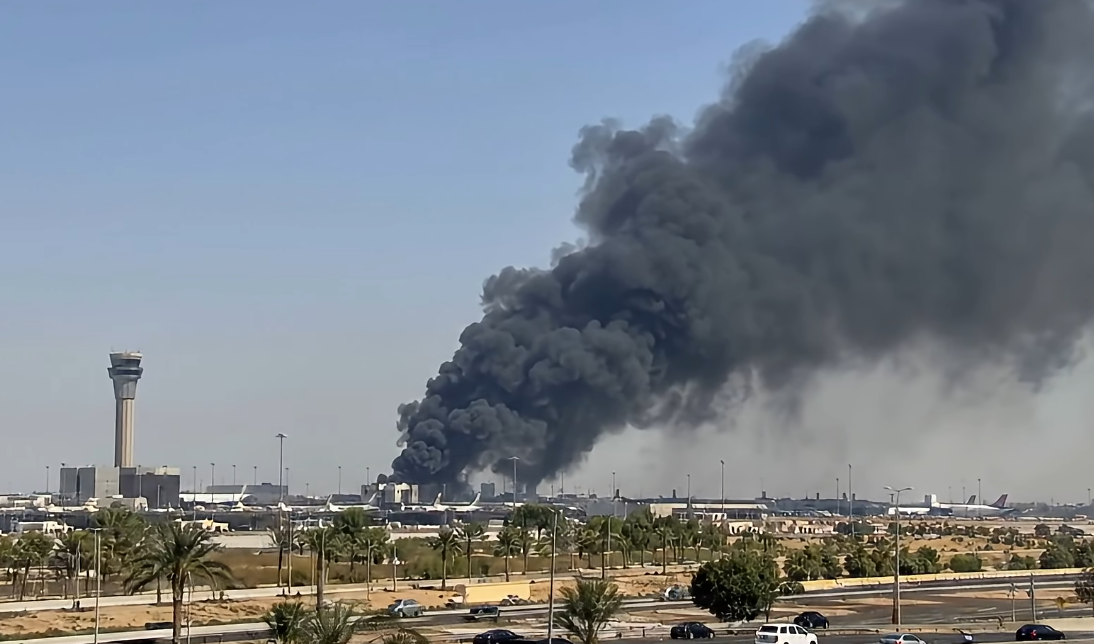
India condemned attacks on Saudi airports in Riyadh and Abha as regional tensions continue to disrupt aviation and threaten civilian infrastructure. By News National Editorial Team India has condemned recent attacks targeting Abha International Airport and King Khalid International Airport in Riyadh, after incidents involving Saudi civilian infrastructure caused deaths and injuries. The Indian Embassy in Riyadh said India considers attacks on civilian infrastructure unacceptable and expressed condolences to the families of those killed. It also wished those injured a speedy recovery. Growing regional security concerns The airport incidents come amid a wider escalation in the Middle East, with Saudi Arabia facing attacks attributed by claimants to Yemen's Iran-backed Houthi movement. On October 8, explosions were reported in Riyadh, including at or near King Khalid International Airport. The Houthis claimed responsibility for a ballistic-missile attack, although the claim was not independently established at the time of reporting. Saudi-led coalition officials said missiles launched toward Riyadh were intercepted. Impact on international aviation The security situation has affected commercial aviation, with airlines reviewing or suspending services to Riyadh. The developments are particularly important for India because millions of Indians live and work across the Gulf region, while Saudi Arabia remains a major destination for Indian workers, business travellers and pilgrims. India has called for civilian infrastructure and international navigation routes to remain protected. The continuing attacks could also have wider effects on aviation, shipping, energy prices and regional trade if disruptions persist. Sources Embassy of India, Riyadh — Official statement Associated Press — Riyadh airport explosions and regional developments

Air India Suspends Riyadh Flights After Airport Attack

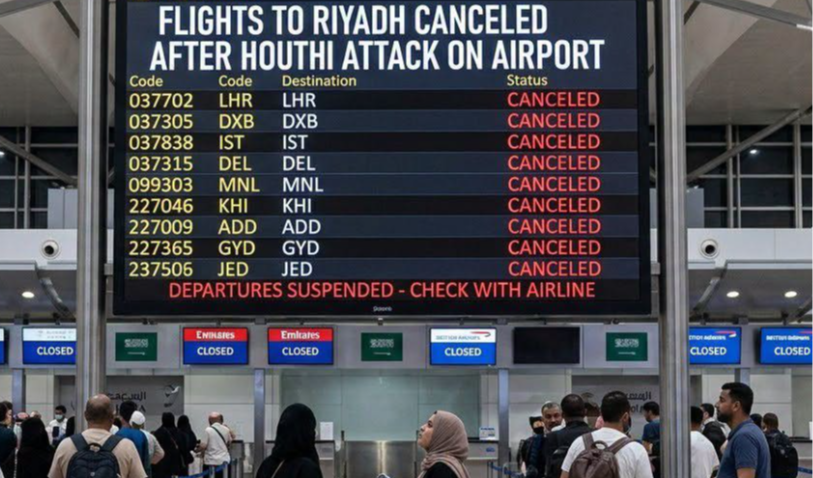
Air India and Air India Express suspended Riyadh flights until October 10 after airport attacks and rising security concerns in Saudi Arabia. Air India Suspends Riyadh Flights After Airport Attack; Delhi Flight Turns Back By News National Editorial Team Air India and Air India Express have suspended flights to and from Riyadh until October 10, 2026, following heightened security concerns after attacks around Saudi airports. An Air India flight operating from Delhi towards Riyadh also turned back during its journey on October 8 as the regional security situation deteriorated. The airline said the decision was taken in the interest of passenger and crew safety. Affected passengers are being offered refunds under the airline's announced arrangements. More flights affected The disruption extends beyond Air India. More than 100 Riyadh flights were reported cancelled during the day, while airlines including Lufthansa also suspended services. Flight-tracking data indicated significant disruption to Riyadh's normal operations. Passengers have been advised to check directly with their airlines before travelling to airports. Why the disruption matters to India Riyadh is an important destination for Indian business travellers, workers, families and other passengers. A prolonged suspension could affect thousands of travellers and may also create knock-on effects for connecting flights and airfares. The situation is being monitored as regional security developments continue. Airlines are expected to reassess operations according to security conditions and official guidance. Sources Economic Times — Air India Riyadh flight disruption Financial Times — Riyadh flight cancellations

Chandrababu Naidu Seeks Central Assistance for Andhra Pradesh Drought

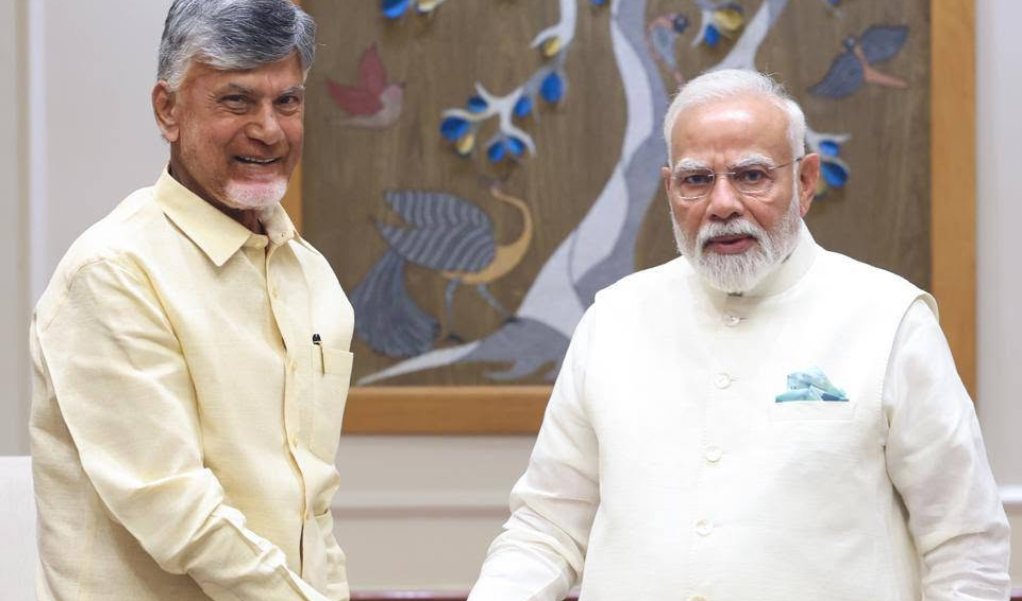
Andhra Pradesh CM Chandrababu Naidu sought central assistance over drought, Polavaram and major infrastructure projects during his meeting with PM Modi. By News National Editorial Team Andhra Pradesh Chief Minister N. Chandrababu Naidu met Prime Minister Narendra Modi in New Delhi on October 8 and sought central assistance to address drought conditions and support major infrastructure projects in the state. According to the Andhra Pradesh government, Naidu told the Prime Minister that the state had experienced a 53% rainfall deficit, which the state attributes to the impact of El Niño conditions. Irrigation and infrastructure on agenda Naidu sought support for several major projects, including the proposed Amaravati Outer Ring Road, Visakhapatnam Metro and Beach Road project. He also discussed the Polavaram project and sought timely release of funds so construction and rehabilitation work can continue. The Chief Minister also raised the proposed Godavari-Cauvery river-linking project, which Andhra Pradesh says could potentially benefit several southern states. Preparing for Godavari Pushkarams Naidu also discussed preparations for the 2027 Godavari Pushkarams, a major religious event expected to attract devotees from Andhra Pradesh, Telangana and other parts of India. The state government is seeking central support for infrastructure and related development works ahead of the event. The Prime Minister's Office separately confirmed that Naidu met Modi in New Delhi on October 8. Sources Prime Minister's Office — CM Andhra Pradesh meets PM Hindustan Times — Naidu seeks central assistance

Andhra Pradesh Approves Policy to Attract Foreign Universities

Andhra Pradesh Cabinet approved a 2026 policy to attract foreign universities and private institutions, expanding global education opportunities Andhra Pradesh Cabinet Approves Policy to Attract Foreign Universities By News National Editorial Team The Andhra Pradesh Cabinet has approved a new policy aimed at attracting foreign higher educational institutions and leading private universities to establish campuses in the state. The policy, approved under the Andhra Pradesh Policy for Promotion of Foreign Higher Educational Institutions and Private Universities, 2026, is intended to expand access to international-standard education within Andhra Pradesh. Focus on global education The state government says the policy will encourage international academic partnerships, research, innovation and investment. The objective is also to give students more opportunities to access global-standard education without having to travel abroad for every higher-education programme. The government expects the policy to help strengthen Andhra Pradesh's higher-education ecosystem. Other Cabinet decisions The Cabinet also approved measures relating to the Thalliki Vandanam scheme, welfare education and student support. An additional 58,601 students are expected to be brought under the scheme, according to the state government. The Cabinet also approved a Centre of Excellence at the AP Tribal Welfare Residential School at Marikavalasa in Visakhapatnam, aimed at providing residential coaching for IIT-JEE and NEET to tribal intermediate students. A 10% increase in monthly diet charges for students staying in welfare hostels and residential institutions was also approved. Sources New Indian Express — Andhra Pradesh foreign university policy

TTD Serves 9 Crore Annaprasadam Meals in First Nine Months of 2026

TTD served more than 9 crore Annaprasadam servings to Tirumala pilgrims from January to September 2026. TTD Serves More Than 9 Crore Annaprasadam Servings in Nine Months By News National Editorial Team The Tirumala Tirupati Devasthanams (TTD) has provided more than 9 crore, or 90 million, Annaprasadam servings to pilgrims during the first nine months of 2026. The figure covers the period from January through September 2026 and highlights the enormous scale of the free-food programme at Tirumala. Nearly two lakh meals a day The Annaprasadam system currently averages about 1.8 lakh meals a day, while the number can rise above three lakh servings during major festival and pilgrimage rushes. The programme operates through multiple kitchens and distribution points covering dining halls, accommodation areas and waiting facilities. TTD's official news platform also published the milestone of 90 million servings in nine months. Large-scale food operation The system consumes substantial quantities of rice, pulses, oil, wheat and other ingredients every day. Food is distributed not only in designated dining halls but also to pilgrims waiting in queue complexes and other areas. TTD is also working on further modernisation, including an automated kitchen designed to prepare up to two lakh meals a day. The Annaprasadam programme, which began in 1985 with a much smaller daily capacity, has grown into a major continuous food-distribution operation serving pilgrims visiting Tirumala. Sources TTD News — Official Tirumala Tirupati Devasthanams information New Indian Express — TTD Annaprasadam figures

PM Modi Calls for Global Framework Against Cyber Fraud and Deepfakes

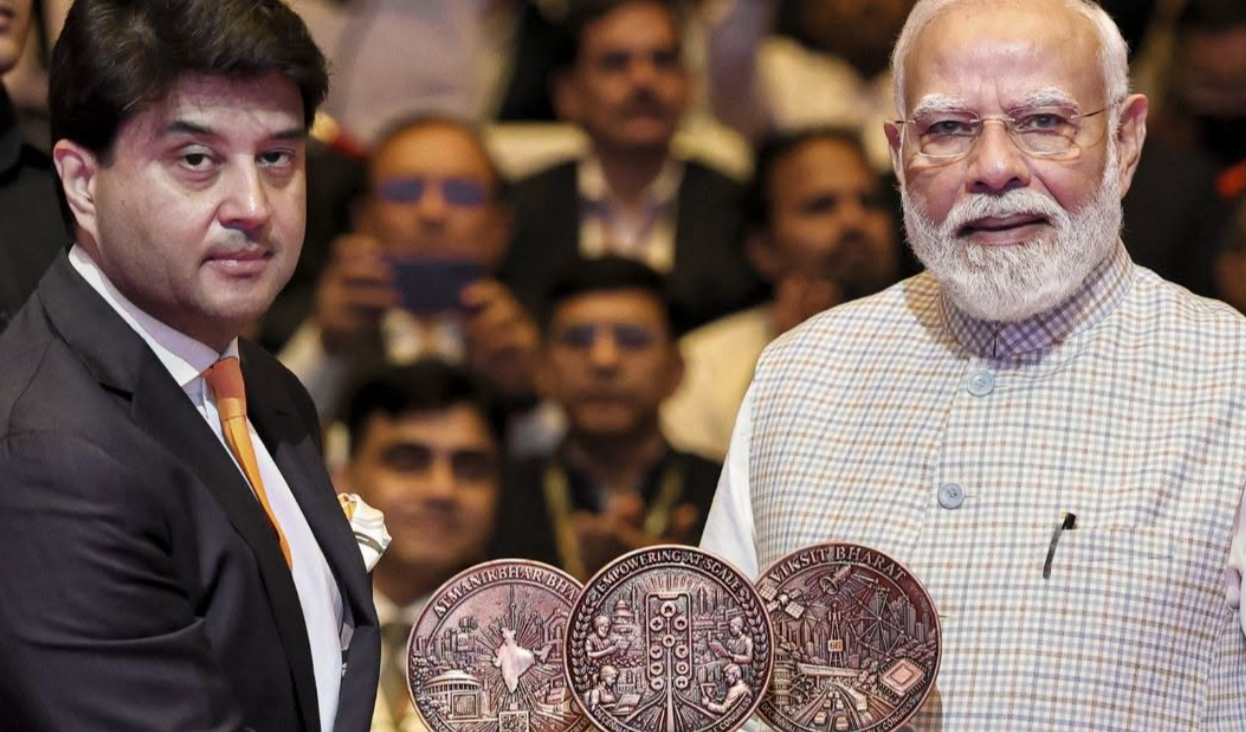
PM Modi called for a global framework to tackle cyber fraud and deepfakes while inaugurating India Mobile Congress 2026. By News National Editorial Team Prime Minister Narendra Modi has called for stronger international cooperation to address cyber fraud, deepfakes and other digital threats while inaugurating the 10th India Mobile Congress 2026 in New Delhi. Speaking at Yashobhoomi on October 8, Modi highlighted India's transformation from a technology consumer into a technology creator and stressed the need to strengthen digital security. Deepfakes emerge as a global challenge Modi said deepfakes have become a major challenge and argued that countries need to work toward a global framework to tackle the technology's misuse. The issue has become increasingly important as generative artificial intelligence makes it easier to create convincing manipulated audio, video and images. Such material can be used in misinformation campaigns, impersonation scams, financial fraud and other forms of cybercrime. India Mobile Congress The 10th India Mobile Congress is being held from October 7 to 10 at Yashobhoomi. The event brings together telecom operators, technology companies, startups, investors, policymakers and researchers. The government has highlighted India's expanding 5G network, domestic telecom manufacturing and ambitions in next-generation technologies. The Prime Minister also stressed the importance of securing phones and networks as digital services become increasingly central to everyday life. The call for international cooperation reflects the cross-border nature of cybercrime, where criminals, victims, infrastructure and financial transactions can be located in different countries. Sources Prime Minister of India — India Mobile Congress 2026 PIB — India Mobile Congress 2026

Veteran Actor Nana Patekar Dies at 75 After Cardiac Arrest

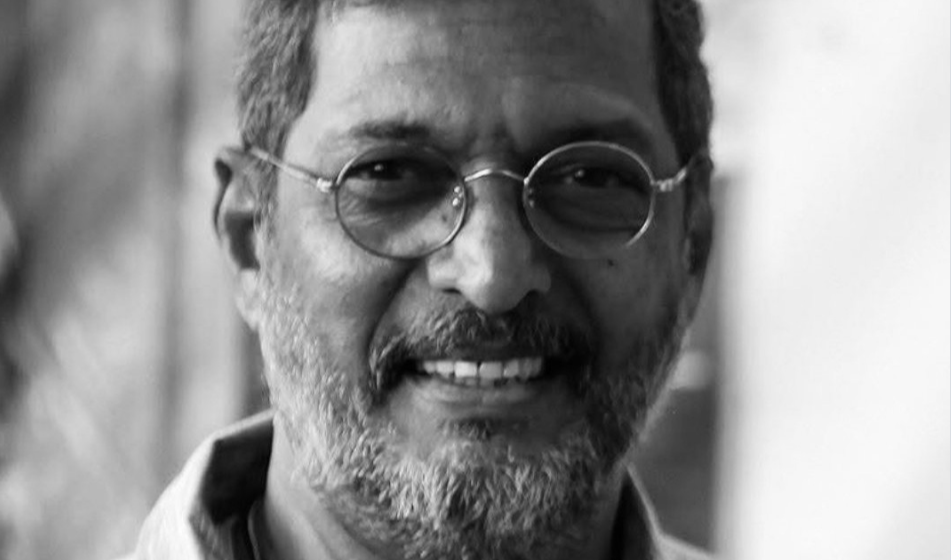
Veteran actor and filmmaker Nana Patekar has died at 75 in Goa after cardiac arrest, ending a nearly five-decade film career. By News National Editorial Team Veteran Indian actor and filmmaker Nana Patekar has died at the age of 75. Patekar died in Goa on October 8 after suffering cardiac arrest, according to reports citing the hospital and his family. His death marks the end of a career spanning nearly five decades across Hindi and Marathi cinema. Career spanning theatre and cinema Born Vishwanath Patekar in Maharashtra, he began his career in Marathi theatre before establishing himself as one of India's most recognisable screen performers. His filmography included critically acclaimed productions such as Parinda, Krantiveer and Salaam Bombay!, as well as popular commercial films including Welcome. His performances were known for their intensity, distinctive voice and ability to portray complex characters. National recognition Patekar received three National Film Awards during his career and was awarded the Padma Shri, one of India's highest civilian honours. He worked across serious dramas, social films, crime stories and comedy, building a reputation for versatility. Prime Minister Narendra Modi expressed condolences following his death, remembering Patekar for his individuality, intensity and contribution to Indian cinema. Patekar is survived by his son and family. His death has prompted tributes from colleagues and audiences across the Indian film industry.

WTO Raises 2026 Global Trade Forecast to 3.9% on AI Boom

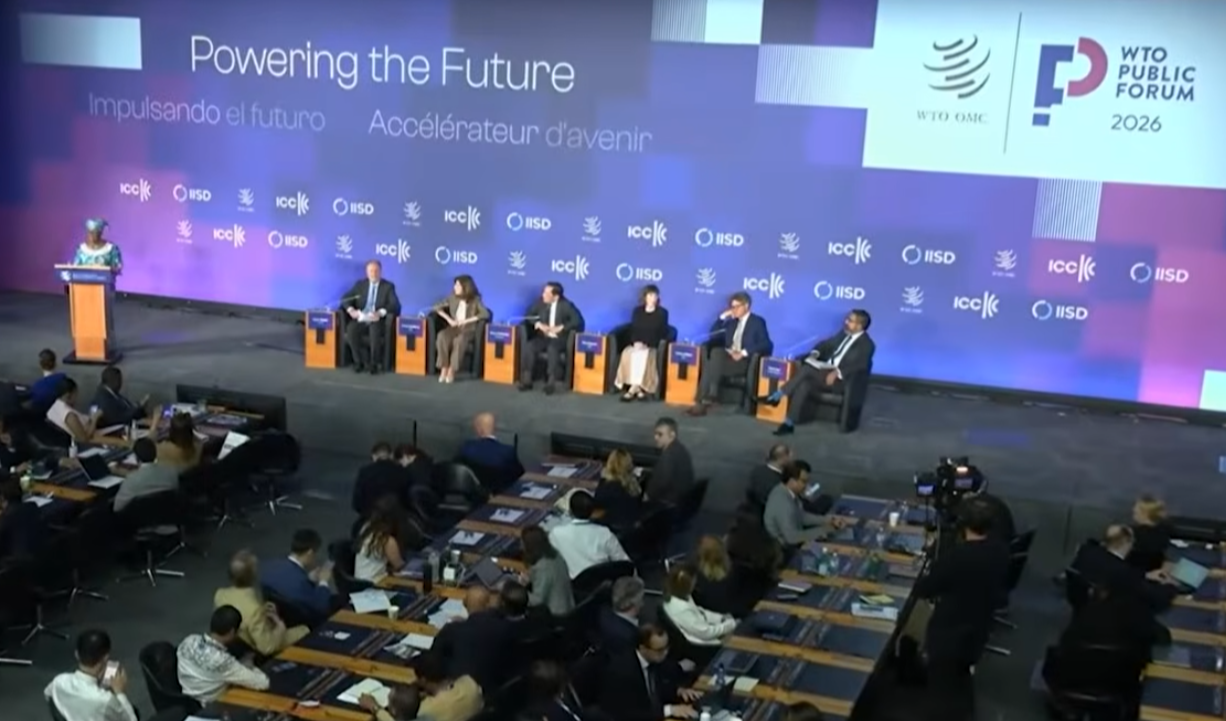
WTO raised its 2026 global merchandise trade forecast to 3.9%, citing strong AI-related demand despite Middle East disruptions. By News National Editorial Team The World Trade Organization has sharply raised its forecast for global merchandise trade growth in 2026 to 3.9%, more than doubling its earlier projection of 1.9%. The WTO said stronger-than-expected investment in artificial intelligence infrastructure has provided an important boost to trade in technology-related goods, helping offset some disruption caused by the Middle East conflict. AI becomes a major trade driver Demand for products used in AI infrastructure, including semiconductors and servers, has grown strongly. According to the WTO assessment reported by the Associated Press, trade in AI-enabling goods increased substantially during the first half of 2026, making these products an important contributor to overall merchandise trade growth. This illustrates how investment in AI is increasingly affecting not only technology companies but also global manufacturing and supply chains. Middle East remains a risk The improved trade forecast comes despite serious disruption to energy and fertilizer flows from the Middle East. The WTO said global supply chains have adapted to some of the disruptions, while alternative suppliers have helped reduce the broader impact. The organisation forecasts global merchandise trade growth of 4.1% for 2027, up from its earlier projection of 2.9%. What it means for India For India, stronger global demand for technology products and continued investment in digital infrastructure could create opportunities for electronics manufacturing, software services, semiconductor-related industries and other technology supply chains. However, higher energy and shipping costs caused by Middle East instability remain risks for import-dependent economies. Sources Associated Press — WTO raises global trade forecast World Trade Organization — Official WTO website

Bulgaria Halts Search After Drone Attack Sinks Black Sea Ship

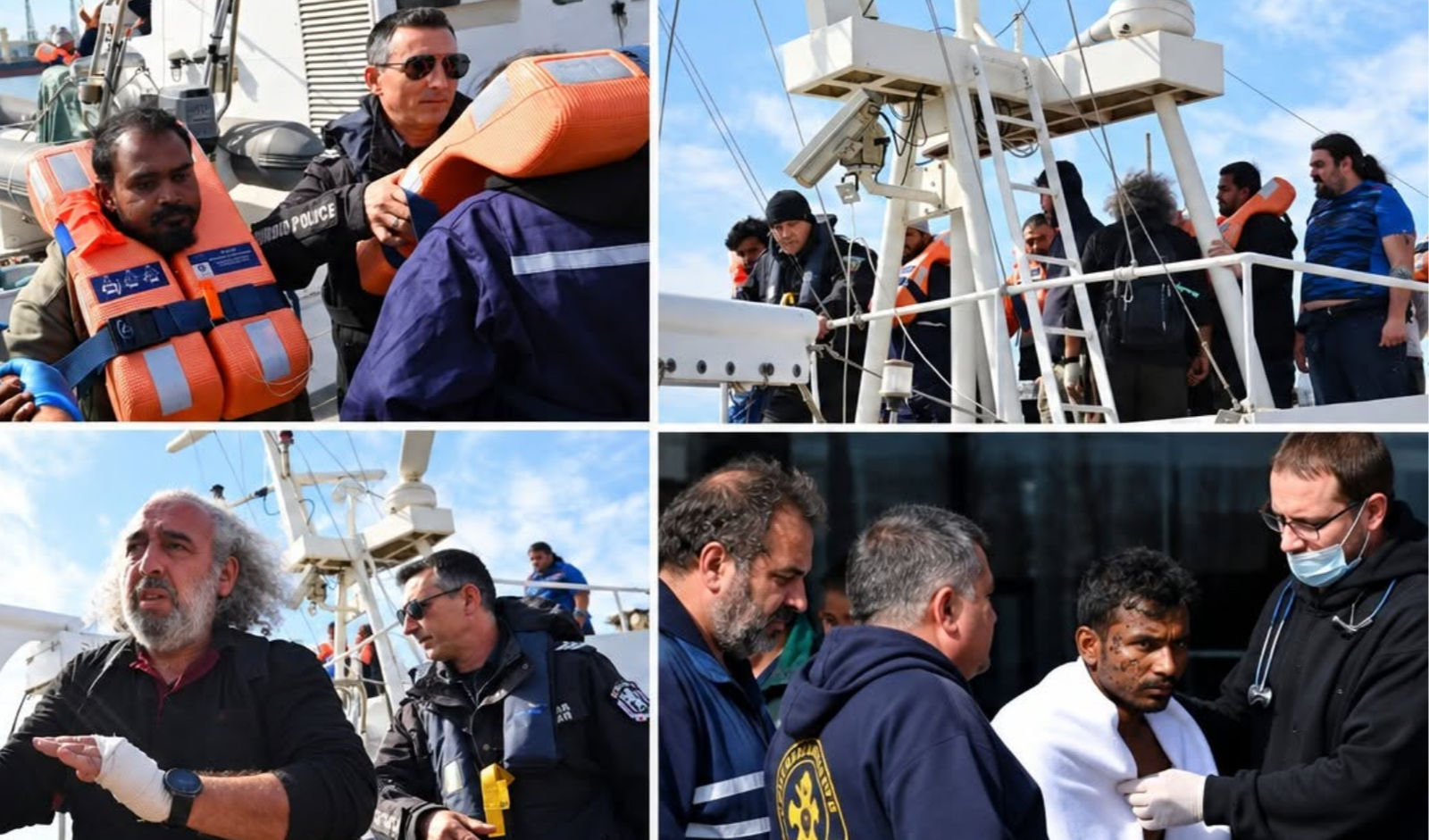
Bulgaria ends the search for missing crew after a drone attack sank a cargo ship in its Black Sea economic zone. Bulgaria Halts Search for Missing Crew After Drone Attack Sinks Cargo Ship By News National Editorial Team Bulgaria has halted the search for the crew of a cargo ship that sank after a drone attack in the Black Sea, while authorities investigate an incident that has raised fresh concerns about the war in Ukraine spreading into commercial shipping routes. Two merchant vessels were hit by air and sea drones on October 6 in Bulgaria's exclusive economic zone, about 70 nautical miles east of Byala. One vessel sank and another was damaged, according to Bulgarian authorities. Search operation ends Bulgarian rescuers searched for the crew of the sunken vessel but found no survivors. Authorities recovered an overturned boat, three life rafts and parts of the vessel's equipment, but no members of the missing crew were located. Bulgaria's Maritime Administration subsequently said the search would not resume on October 7. The second vessel was damaged in the same attack, but its crew was rescued. Responsibility remains disputed The identity of whoever launched the attack has not been conclusively established. Ukrainian President Volodymyr Zelenskyy said an investigation involving Bulgaria's navy had established Russian responsibility. Bulgarian Prime Minister Rumen Radev, however, said there was not yet conclusive evidence identifying the source of the drones. Russia has denied involvement. News National is therefore not attributing the attack to Russia as an established fact while the investigation remains incomplete. Incident occurred outside Bulgarian territorial waters The attack occurred inside Bulgaria's exclusive economic zone, rather than its territorial waters. Under the normal maritime framework, Bulgaria's territorial sea extends 12 nautical miles from its coastline. The incident took place much farther offshore, in an area where Bulgaria has specific economic and maritime responsibilities but which is not part of its territorial sea. The distinction is important because the incident involves commercial vessels operating in international maritime space while still occurring inside Bulgaria's designated economic zone. NATO security concerns Bulgaria is a NATO member and occupies a strategically important position on the western Black Sea. The incident has therefore triggered concern about the security of commercial shipping and the possibility that drone warfare could increasingly threaten civilian vessels. Bulgaria's government has discussed strengthening surveillance and air-defence capabilities following the attack. Prime Minister Radev also said the government would move toward acquiring five additional surface-to-air missile systems. European Commission President Ursula von der Leyen has also condemned attacks on civilian shipping in the Black Sea and described the danger to commercial vessels and their crews as unacceptable. Wider regional implications The attack comes as Russia's war against Ukraine continues to affect the wider Black Sea region. Commercial ships have increasingly operated in an environment where drones, missiles and naval activity create additional risks for crews and cargo operators. For Bulgaria, the incident highlights the challenge of protecting maritime traffic without becoming directly involved in the wider conflict. It also raises questions about how NATO members can improve early-warning systems and counter-drone capabilities around commercial shipping lanes. Investigation continues Bulgarian authorities are continuing to investigate the circumstances surrounding the attack. Until investigators establish the origin of the drones, the responsible party remains disputed. The loss of the vessel and missing crew members nevertheless represents a serious maritime-security incident and demonstrates how the effects of regional warfare can reach civilian shipping far from the main battlefield. Verification News National cross-checked Bulgarian government statements with Reuters and Associated Press reporting. The location, two-vessel attack, rescue operation, missing crew and disputed attribution are supported by multiple sources. Sources: Bulgarian Government; Reuters; Associated Press; European Commission statements. Bulgaria drone attack, Black Sea ship attack, Bulgaria cargo ship, Bulgaria Russia Ukraine, Black Sea security, NATO Bulgaria

Myanmar Leader Visits Malaysia Amid Repatriation Dispute

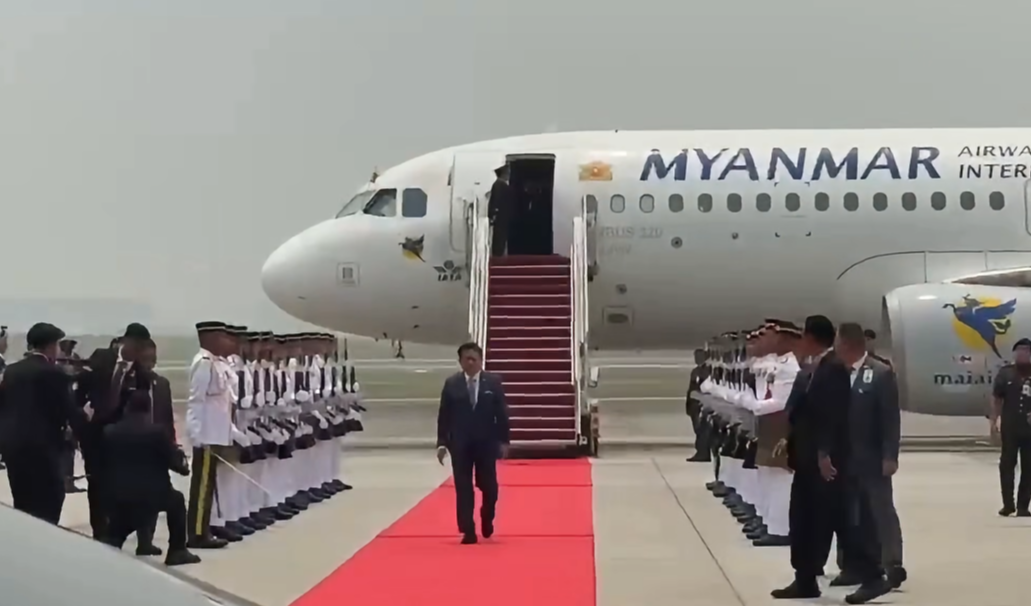
Myanmar leader Min Aung Hlaing visits Malaysia for talks on migrant repatriation amid criticism over refugee safety. Myanmar Leader Min Aung Hlaing Visits Malaysia as Repatriation Talks Draw Criticism By News National Editorial Team Myanmar's military-backed leader Min Aung Hlaing has arrived in Malaysia for talks with Prime Minister Anwar Ibrahim, marking an important diplomatic engagement as Kuala Lumpur seeks cooperation over the return of thousands of Myanmar nationals. The two-day visit began on October 7, 2026, and comes amid continuing international criticism of Myanmar's military government and its treatment of displaced people following the 2021 military takeover. Repatriation at the centre of talks Malaysia is seeking cooperation from Myanmar over the repatriation of thousands of Myanmar nationals currently in Malaysia. Reuters reported that Anwar's government has already returned around 10,000 Myanmar nationals this year and wants further cooperation from Myanmar authorities. Malaysia is considering the return of thousands more. The issue is particularly sensitive because some people affected by repatriation arrangements may have fled conflict or persecution in Myanmar. Associated Press reported that Malaysia plans to repatriate about 5,000 Myanmar nationals, while human-rights groups have raised concerns over the risks faced by people returned to a country experiencing continuing conflict. Rohingya concerns The situation is especially complicated for Rohingya refugees. Malaysia hosts a large Rohingya population but is not a signatory to the 1951 UN Refugee Convention. As a result, refugees are generally treated under Malaysian law as undocumented migrants rather than receiving formal refugee status. Human-rights organizations have warned that returning vulnerable people to Myanmar could expose them to persecution, violence or forced recruitment. Malaysia has argued that it faces significant domestic challenges from undocumented migration and needs cooperation from Myanmar to manage the situation. Diplomatic significance Min Aung Hlaing has faced international isolation since the military seized power in 2021. His appearance in Kuala Lumpur therefore has significance beyond the migration issue. Malaysia is an influential member of ASEAN, and Anwar has attempted to maintain diplomatic engagement with Myanmar while the regional bloc continues to struggle to make progress toward ending the country's civil war. The visit provides Myanmar's military-backed administration with another opportunity to engage directly with a regional government. Critics, however, argue that high-level diplomatic receptions risk giving political legitimacy to Myanmar's military authorities without producing meaningful progress toward ending violence. Continuing conflict inside Myanmar The diplomatic engagement is taking place while fighting continues in Myanmar. The country has experienced prolonged conflict between the military and armed opposition groups since the 2021 coup. Fighting and airstrikes have caused extensive displacement and humanitarian difficulties. Reuters reported that violence was continuing in Rakhine State during Min Aung Hlaing's visit, while the United Nations and ASEAN have repeatedly expressed concern about the humanitarian situation. The continuing conflict makes any large-scale repatriation programme particularly controversial. Malaysia's difficult balancing act For Anwar's government, the visit reflects a difficult balance between humanitarian concerns, domestic migration pressures and regional diplomacy. Malaysia wants cooperation from Myanmar on the return of its nationals, but it also faces pressure from human-rights groups and international organizations to ensure that people are not returned to dangerous conditions. The government has defended its approach as necessary given Malaysia's limited legal framework for refugees. What happens next The outcome of the talks will be important for thousands of Myanmar nationals living in Malaysia. Any repatriation programme is likely to face continued scrutiny over whether returns are voluntary, safe and consistent with international human-rights principles. The visit also demonstrates that ASEAN diplomacy toward Myanmar remains active despite the lack of a political solution to the country's civil war. Verification News National cross-checked the visit and repatriation issue using Reuters and Associated Press reporting. The figures concerning proposed repatriation and Malaysia's refugee-policy framework have been attributed rather than presented as independently verified government forecasts. Sources: Reuters; Associated Press; Malaysian government and ASEAN-related reporting. Myanmar Malaysia relations, Min Aung Hlaing, Anwar Ibrahim, Myanmar migrants, Rohingya Malaysia, Myanmar refugees, ASEAN

Türkiye Expands Defence Support for Saudi Arabia Amid Yemen Conflict

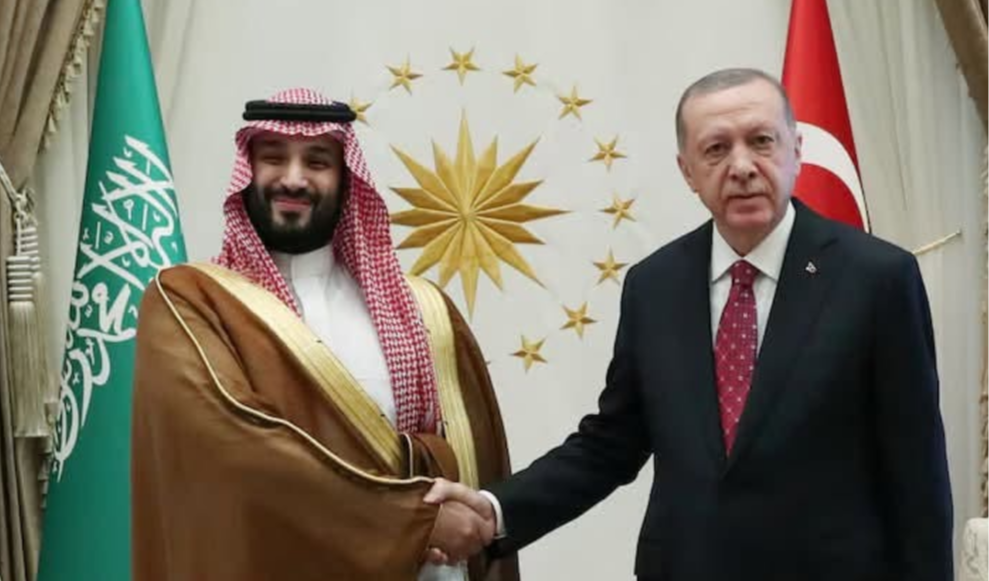
Türkiye is providing defensive and technical support to Saudi Arabia under a new three-country defence alliance with Pakistan. Türkiye Begins Military Support Measures for Saudi Arabia Under New Defence Alliance By News National Editorial Team Türkiye is beginning to provide military and technical support to Saudi Arabia as the two countries respond to attacks by Yemen's Iran-aligned Houthi forces, according to Turkish officials and the latest Reuters reporting. The development follows the Makkah Alliance for Defense, a new security arrangement involving Türkiye, Saudi Arabia and Pakistan. The alliance is moving from political commitments toward practical defence cooperation as attacks against Saudi territory continue. Defensive support for Saudi Arabia Two officials told Reuters that Türkiye is providing primarily defensive and technical assistance to Saudi Arabia. The assistance includes air-defence capabilities, military equipment, intelligence cooperation, drone-related support and logistical assistance. Türkiye's parliament has not yet ratified the defence pact, meaning the current support is being provided through existing bilateral arrangements rather than the alliance's full treaty mechanism. The Turkish government has nevertheless moved toward implementing the collective-defence commitments agreed by the three countries. A joint statement issued after an emergency meeting in Riyadh on October 5 said the members had decided to begin practical implementation of their collective-defence commitments and take the necessary measures to provide agreed military forces and capabilities, subject to national legislation. Rising regional tensions The immediate background is the continuing conflict involving Saudi Arabia and the Houthis in Yemen. Türkiye has repeatedly condemned Houthi attacks against Saudi Arabia. On October 1, its Foreign Ministry condemned an attack targeting civilian infrastructure associated with the Prophet's Mosque in Medina and reaffirmed support for Saudi sovereignty and security. Ankara has also previously condemned attacks targeting Saudi Arabia and called for an end to actions that could further escalate the regional conflict. The latest military cooperation therefore represents an escalation in the practical involvement of Türkiye in Saudi Arabia's defensive preparations. What is the Makkah Alliance? The alliance brings together three countries with significant military and strategic interests in the region. Türkiye is a NATO member with substantial military capabilities. Saudi Arabia is one of the Middle East's largest military powers and has been directly affected by attacks linked to the Yemen conflict. Pakistan provides another major military partner with longstanding defence ties to both Saudi Arabia and the wider Muslim world. At the October 5 meeting, the three countries appointed Pakistani Lieutenant General Nauman Mahmood as the alliance's first secretary-general for a three-year term. The countries also stated that an attack against one member would be treated within the framework of their collective-defence commitments. Strategic significance The development could reshape security cooperation across the Middle East. Saudi Arabia has traditionally relied heavily on partnerships with the United States and other Western countries for advanced defence systems. Greater cooperation with Türkiye and Pakistan gives Riyadh additional regional military relationships. For Türkiye, deeper defence cooperation with Saudi Arabia could strengthen Ankara's influence in the Gulf and expand its role in regional security. The alliance also demonstrates how the Yemen conflict is increasingly affecting countries beyond Yemen itself. No indication of a Turkish combat deployment The current reporting describes Türkiye's assistance as mainly technical and defensive. That distinction is important. There is no verified indication from the sources reviewed that Türkiye has formally entered the Yemen war with a large-scale combat deployment. The exact scale and operational details of Turkish support could change if the defence pact is fully ratified and the regional conflict continues to intensify. Verification News National checked Reuters reporting against Türkiye's Foreign Ministry statements. Ankara's official documents confirm the October 5 emergency Makkah Alliance meeting and the decision to begin practical implementation of collective-defence commitments. Reuters independently reported the nature of the Turkish assistance. Sources: Reuters; Republic of Türkiye Ministry of Foreign Affairs. Türkiye Saudi Arabia, Makkah Alliance, Turkey defence support, Saudi Arabia Houthis, Yemen conflict, Pakistan Turkey Saudi alliance

Portugal Backs Costa and Metsola for EU Leadership Continuity

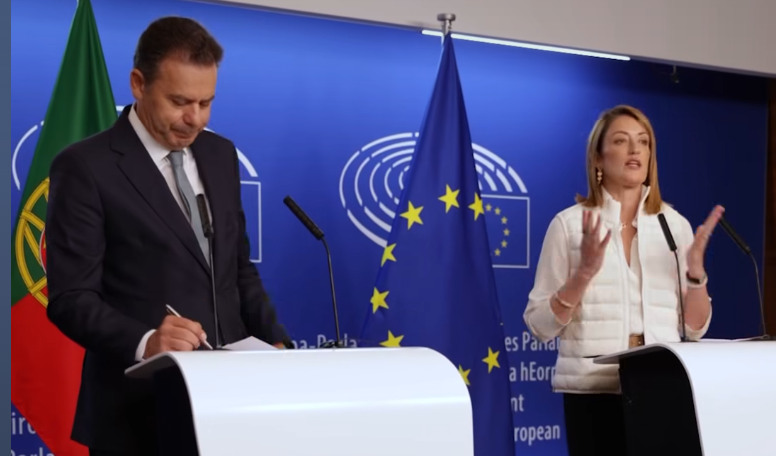
Portugal's PM Luís Montenegro supports keeping António Costa and Roberta Metsola in senior EU roles through 2029. By News National Editorial Team Portugal is backing the continuation of António Costa as President of the European Council and Roberta Metsola as President of the European Parliament through 2029, with Prime Minister Luís Montenegro arguing that continuity could provide greater stability for the European Union. Montenegro's position was reported during discussions over the future leadership of the EU institutions as European governments consider the bloc's priorities for the coming years. Montenegro supports continuity The Portuguese prime minister has expressed support for extending the mandates of Costa and Metsola, both of whom currently hold senior positions at the EU level. Costa, a former Portuguese prime minister, became President of the European Council in 2024. Metsola, from Malta, has led the European Parliament since 2022 and was re-elected to the position in 2024. Montenegro's argument is that keeping experienced leaders in place could provide greater continuity while the EU deals with security, economic and geopolitical pressures. Portugal's wider EU priorities The Portuguese government has also been engaged with discussions about the EU's long-term budget, competitiveness and strategic autonomy. Costa met Montenegro in Lisbon in September, with their discussions covering the 2028–2034 EU long-term budget, competitiveness and strategic autonomy. They also discussed the "One Europe, One Market" agenda, which aims to improve conditions for businesses and opportunities for citizens. These issues are likely to become increasingly important as EU governments debate future spending priorities, defence requirements and economic competitiveness. Costa's role in EU enlargement Costa has also placed considerable emphasis on EU enlargement. During the EU-Western Balkans summit in June, he described enlargement as a strategic priority and encouraged candidate countries to accelerate reforms. Montenegro has emerged as one of the EU's leading candidates in the enlargement process. By July 2026, 18 of the 33 negotiating chapters in Montenegro's accession talks had been provisionally closed, according to the European Council. The European Council has also said that Montenegro could become the EU's 28th member around 2028 if the accession process proceeds successfully and all requirements are met. What continuity could mean Keeping experienced leaders in senior EU positions could help maintain continuity on major issues including defence, energy security, economic competitiveness, migration and enlargement. However, any future appointments or mandate arrangements depend on political negotiations among EU member states and the institutions involved. Portugal's position therefore represents political support rather than a final decision on the future composition of EU leadership. Why it matters for Portugal Portugal has traditionally sought an influential role in EU policymaking, and Costa's presence at the top of the European Council gives Lisbon a direct connection to the bloc's highest political discussions. Supporting continuity could also help Portugal maintain influence over debates involving the EU budget, competitiveness, strategic autonomy and enlargement. The issue is likely to remain part of wider negotiations as European governments prepare for the next stage of EU institutional planning. Verification News National checked Reuters' current reporting with European Council material concerning Costa's work with Portuguese Prime Minister Luís Montenegro and the EU's enlargement agenda. The support for continuity is a political position attributed to Montenegro, not a completed EU appointment decision. Sources: Reuters; European Council; Government of Portugal. Portugal EU politics, Luís Montenegro, António Costa, Roberta Metsola, European Council, European Parliament, EU leadership 2029

Sweden to Deploy Patriot Air Defence to NATO Hub in Poland

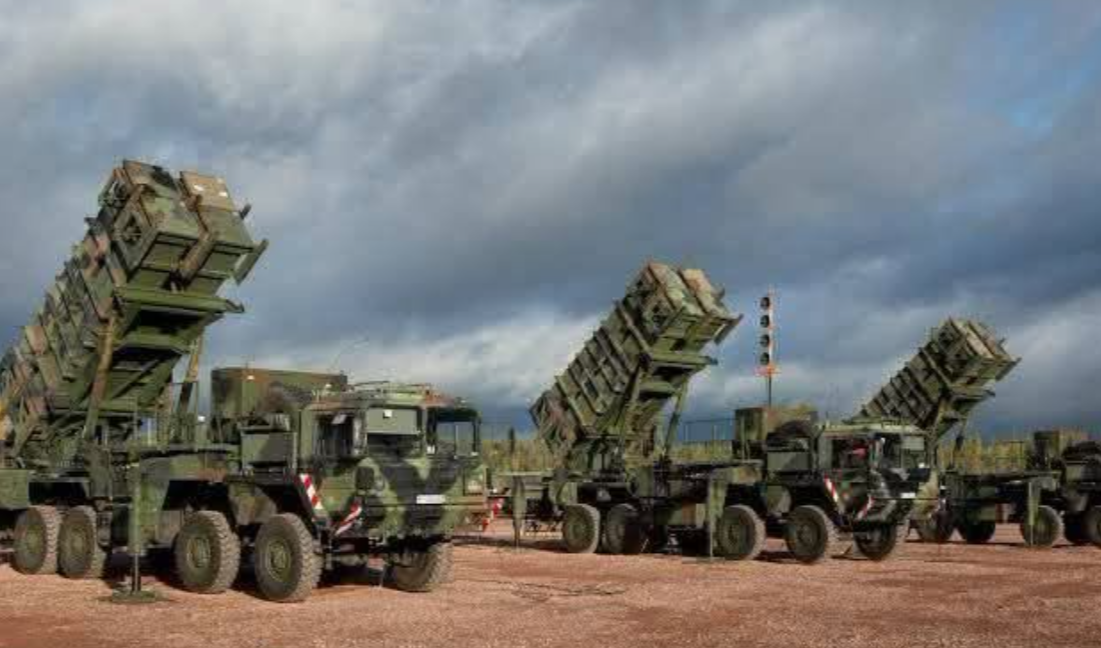
Sweden will deploy a Patriot air-defence unit to Poland from December to protect a NATO logistics hub supporting Ukraine. Sweden to Deploy Patriot Air Defence System to Protect NATO Hub in Poland By News National Editorial Team Sweden plans to deploy a Patriot air-defence unit to Poland from December 2026 as part of a NATO operation protecting a major logistics hub used to transfer military and civilian assistance to Ukraine. The Swedish government announced the move on October 6, saying the deployment will strengthen NATO's eastern flank and help protect the logistics network supporting Ukraine. First Swedish Patriot deployment on a NATO mission The operation will mark the first time Sweden deploys its Patriot surface-to-air missile system on a NATO mission, according to the Swedish Armed Forces. The unit will be responsible for protecting NATO's logistics hub in southeastern Poland. The hub is an important transit point for military and civilian assistance destined for Ukraine. Swedish Armed Forces information says the force will include approximately 100 soldiers and will operate under NATO command. The deployment is initially planned from the beginning of December until the end of 2026, with preparations allowing the mission to continue into the first half of 2027 if required. Sweden is also providing Gripen aircraft The Patriot deployment follows a separate Swedish decision to contribute Gripen fighter aircraft to NATO's air-defence and surveillance activities in Poland. Sweden announced in September that its fighter aircraft would support NATO's eastern flank and help protect the continued delivery of military and civilian assistance to Ukraine. The combination of fighter aircraft and ground-based air defence represents a broader Swedish contribution to NATO's efforts to protect the alliance's eastern members and important logistics infrastructure. Why the Polish hub is important The logistics hub in southeastern Poland has become a critical part of international support for Ukraine. Military equipment, humanitarian assistance and other supplies destined for Ukraine pass through regional infrastructure before being transferred onward. Protecting the hub is therefore considered important not only for Poland but also for NATO countries supporting Ukraine. Sweden's government said the security environment has deteriorated and cited concerns about repeated violations of allied airspace and attempts to disrupt support for Ukraine. Sweden's expanding NATO role Sweden joined NATO in 2024 after abandoning its longstanding policy of military non-alignment following Russia's full-scale invasion of Ukraine. Since joining the alliance, Stockholm has increasingly participated in NATO operations and defence planning. The latest deployment demonstrates how Sweden is moving from being a relatively new alliance member to taking an active role in collective air and missile defence. Wider European security implications The deployment comes at a time when European governments are increasing defence spending and strengthening air-defence capabilities. NATO countries have been particularly focused on protecting critical infrastructure, military supply routes and airspace following Russia's war against Ukraine. Sweden's contribution is therefore part of a broader European effort rather than an independent Swedish military operation. Verification News National checked the announcement against the Swedish government and Swedish Armed Forces. The planned December deployment, Patriot system, NATO command structure, approximately 100 personnel and mission to protect the logistics hub are supported by Swedish official sources. Sources: Government of Sweden; Swedish Armed Forces; Reuters. Sweden Patriot Poland, NATO Poland, Swedish military, Patriot air defence, NATO eastern flank, Ukraine support, Sweden NATO

US Voters Demand Stronger AI Regulation as Concerns Rise

A Reuters/Ipsos poll finds most US voters want stronger AI regulation and believe Washington is not taking AI risks seriously enough. Most US Voters Say Government Is Not Taking AI Risks Seriously, Poll Finds By News National Editorial Team A majority of U.S. voters believe the federal government is not doing enough to address the risks associated with artificial intelligence, according to a new Reuters/Ipsos poll, highlighting growing public pressure for stronger AI regulation ahead of the 2026 midterm elections. The survey found that 57% of voters believe President Donald Trump's administration is not taking AI risks seriously enough, while 54% said the same about Congress. The poll also found strong support for government regulation of artificial intelligence. AI concerns extend beyond jobs Artificial intelligence has rapidly moved from being primarily a technology and business issue to a broader political and public-policy question in the United States. Job losses remain one of the major concerns. However, respondents are also worried about AI systems becoming difficult to control, potential misuse of the technology and the impact of expanding data-centre infrastructure. According to the poll, 62% of voters said they were concerned that AI could get out of control and threaten humanity's future. The findings indicate that public anxiety extends beyond the immediate effects of automation. At the same time, AI companies and technology investors continue to promote rapid development, creating a policy debate over whether regulation should slow innovation or establish safeguards while allowing the industry to expand. Strong support for regulation The survey found 84% support for stricter government regulation of AI, showing that concern about the technology is not confined to one political group. The debate has become particularly important as Washington considers how to manage AI safety, employment effects, data-centre expansion and potential national-security applications. The Trump administration has previously emphasized voluntary safeguards rather than broad regulatory restrictions. Earlier this month, Trump announced a voluntary agreement involving major technology companies intended to address AI safety concerns, but critics have questioned whether voluntary commitments provide sufficient enforcement. A growing election issue The timing of the poll is significant because Americans are approaching the November 3, 2026 midterm elections. AI is competing with more traditional voter concerns such as the economy, immigration, international conflicts and household costs. Nevertheless, the latest findings suggest that AI policy is becoming increasingly difficult for candidates to ignore. The issue could also become more complicated as AI affects employment, electricity consumption and investment decisions. Large data centres require substantial amounts of electricity, while companies are spending heavily to build computing capacity for increasingly sophisticated AI models. This has created local debates about power demand, infrastructure and environmental effects. Poll methodology The Reuters/Ipsos October survey was conducted from September 30 through October 5, 2026 using Ipsos' probability-based KnowledgePanel. The nationally representative survey included 4,506 U.S. adults aged 18 and older and has a reported margin of sampling error of approximately ±1.5 percentage points for the full sample. The results therefore provide a snapshot of public opinion rather than a prediction of how voters will behave in the election. Why it matters The findings point to a growing gap between the rapid development of AI and public expectations for government oversight. For policymakers, the challenge will be balancing innovation and international competitiveness with concerns about employment, safety, security and accountability. For voters, AI is increasingly becoming an issue that goes beyond technology companies. Its effects are likely to influence workplaces, education, energy systems, cybersecurity and government policy for years to come. Verification News National checked the latest Reuters report against the official Ipsos methodology for the October Reuters/Ipsos survey. The polling dates, sample size and methodology are consistent with Ipsos' published information. Sources: Reuters; Ipsos; Reuters/Ipsos October 2026 survey. US AI regulation, artificial intelligence USA, Reuters Ipsos poll, AI risks, AI jobs, US technology policy, AI regulation 2026

Italy Plans €1 Billion Investment in 13 Renewable Data Centres

Italy's Core Stack and Green Arrow plan 13 renewable-powered data centres with more than €1 billion in investment over four years. By News National Editorial Team Italy is set for a major expansion of its digital infrastructure after Core Stack, the digital infrastructure business of Lazzari Group, and Green Arrow Capital announced plans to invest more than €1 billion ($1.12 billion) over the next four years to build a network of 13 medium-sized data centres across the country. The project comes as demand for computing capacity continues to grow, particularly because of artificial intelligence, cloud services and other data-intensive technologies. Unlike very large hyperscale facilities, the planned centres are designed as a distributed network, with the companies saying they will be powered by renewable energy generated on-site. First projects planned in northern Italy The first two facilities are being developed in areas near Cremona and Verona, with the project partners focusing on previously developed or industrial sites rather than relying solely on new greenfield locations. According to the companies, permitting for the first two centres is progressing, with construction approvals expected by the end of 2027 and operations targeted for the first quarter of 2028. After the initial developments in northern and northeastern Italy, the wider programme is expected to expand toward central and southern regions. The companies say the initiative is intended to combine digital infrastructure with energy planning. Battery energy-storage systems are also being considered to improve the energy performance of the facilities. Growing demand from AI and cloud computing The expansion reflects a broader European push to increase domestic computing capacity. Artificial intelligence applications require increasingly large amounts of processing power, while cloud services, enterprise software and digital platforms continue to increase demand for data-storage and computing infrastructure. Italian data-centre capacity has already been expanding. Data cited by Italy's Politecnico di Milano indicate that installed data-centre power capacity increased by 19% in 2025 compared with the previous year, reaching 609 megawatts. The investment therefore arrives at a time when governments and businesses are increasingly considering not only the availability of computing capacity but also the electricity required to operate it. Renewable energy is central to the plan The proposed facilities are intended to use renewable electricity generated directly at the sites. The developers say this approach is designed to link energy availability with computing capacity while reducing the environmental impact associated with rapidly expanding digital infrastructure. The project is also expected to use an Italian supply chain, according to the companies. That could provide opportunities for engineering, construction, energy, technology and infrastructure businesses involved in the development of the centres. Why the project matters Italy's data-centre expansion comes as countries across Europe compete to attract AI and cloud investment while managing electricity demand, land use and environmental concerns. For Italy, the planned 13-centre network could strengthen domestic digital capacity and reduce dependence on concentrated infrastructure in a small number of locations. The use of renewable generation and potential battery storage could also help address some of the energy challenges associated with high-performance computing. The first facilities are still at the planning and permitting stage, meaning the announced €1 billion investment will be deployed over several years rather than immediately. Verification News National reviewed current Reuters reporting and Italian financial and national news coverage. The investment amount, 13 data centres, four-year timeframe, renewable-energy plan and initial locations are consistent across the available reports. The first two facilities remain subject to permitting and are not yet operational. Sources: Reuters; ANSA; Borsa Italiana/Radiocor; Politecnico di Milano data cited in Italian reporting. Italy data centres, Italy AI infrastructure, Core Stack, Green Arrow Capital, renewable data centres, Italy technology, AI infrastructure