Language Settings
Select Website Language

GDPR Compliance

We use cookies to ensure you get the best experience on our website. By continuing to use our site, you accept our use of cookies, Privacy Policy, and Terms of Service.

Filters

Channels
Topics
Other Filters

Ethiopia-Eritrea Tensions Rise as Troops Reportedly Seen in Tigray

Ethiopia-Eritrea tensions rise after witnesses reported Eritrean troops in Adigrat, while Asmara denies the claim. Eritrean Troops Reportedly Seen in Northern Ethiopia as Risk of Wider War Grows By News National Editorial Team Tensions between Ethiopia and Eritrea have escalated after witnesses reported seeing Eritrean soldiers moving through the northern Ethiopian town of Adigrat, days after the two countries severed diplomatic relations. Reuters reported on October 7 that two residents said they saw trucks carrying dozens of Eritrean soldiers travelling through the town in Ethiopia's Tigray region. Reuters said it could not independently verify the witnesses' accounts. Eritrea's Information Minister Yemane Gebremeskel denied that Eritrean forces were present and accused Ethiopia of using the allegations to create a justification for military action. Northern Ethiopia already facing renewed conflict The reported troop movement comes amid renewed fighting in northern Ethiopia. Fighting between Ethiopian federal forces and a rebel alliance began last month across parts of Tigray, Amhara and Afar. Federal forces have made gains in parts of the north, while opposition forces continue to challenge government control. Reuters reported that airstrikes and artillery fire struck parts of Tigray earlier this week, with humanitarian sources reporting civilian deaths. The escalation has revived memories of Ethiopia's devastating 2020–2022 Tigray war. Ethiopia accuses Eritrea Ethiopian authorities have accused Eritrea of supporting the rebel alliance fighting federal forces. Eritrea has repeatedly denied the accusation. The latest dispute is particularly sensitive because Eritrean forces previously fought alongside Ethiopian federal troops during the Tigray war. Although the two countries normalised relations in 2018, their relationship deteriorated again following disagreements over the Tigray conflict and Ethiopia's interest in obtaining reliable access to the Red Sea. Diplomatic relations severed The situation deteriorated sharply last week when Eritrea severed diplomatic relations with Ethiopia. The decision followed Ethiopia's closure of its embassy in Asmara and expulsion of Eritrean diplomats. Ethiopia accused Eritrea, Sudan and Egypt of supporting an opposition alliance, while those countries have denied the allegations. The diplomatic rupture has increased concerns that the current fighting could develop into a wider regional conflict. Red Sea access remains sensitive Ethiopia is landlocked and has repeatedly stressed the importance of access to the Red Sea for its economy and national security. Eritrea, which controls a long Red Sea coastline, views Ethiopian discussions about maritime access with suspicion. The issue has become one of the central strategic tensions between the two countries. Any military escalation involving Eritrea and Ethiopia could therefore have consequences beyond the immediate battlefield. International concern The United States has urged Ethiopia and Eritrea to exercise restraint. The African Union has also called for peaceful dialogue as tensions increase. A wider war could destabilise an already fragile region bordering Sudan, which is experiencing its own prolonged civil war. The possibility of another major conflict in the Horn of Africa is therefore generating concern among regional governments and international organisations. Verification remains critical The reported presence of Eritrean troops in Adigrat is not independently confirmed. Reuters reported witness accounts but explicitly said it could not independently verify them. Eritrea has denied the allegation. News National therefore treats the troop sightings as a reported development under dispute, rather than as an established military deployment. That distinction is particularly important in an active conflict, where misinformation and competing claims can spread rapidly. What happens next The immediate priority for regional and international actors is preventing the fighting from expanding into a direct Ethiopia-Eritrea war. Diplomatic engagement, independent monitoring and humanitarian access will become increasingly important if fighting continues. The coming days could determine whether the current conflict remains primarily an internal Ethiopian confrontation or develops into a broader regional crisis. News National Verification Confirmed: Ethiopia and Eritrea have severed diplomatic relations. Reported: Witnesses told Reuters they saw Eritrean troops in Adigrat. Not independently confirmed: Reuters could not independently verify the witness accounts. Eritrea's position: The government denies its troops were present and rejects Ethiopia's accusations. Sources: Reuters; African Union statements; U.S. State Department; humanitarian reporting; Ethiopian and Eritrean government positions. Ethiopia Eritrea conflict 2026, Tigray fighting, Eritrea troops Ethiopia, Ethiopia news, Horn of Africa, Adigrat

Reform UK Donation Controversy Police Investigation Continues

Reform UK admits internal failures over prospective donations while a separate police investigation into possible electoral offences continues. By News National Editorial Team Britain's Reform UK party has acknowledged serious internal weaknesses in the way prospective political donations were handled after an undercover investigation raised questions about foreign funding and electoral law. The party's own internal review concluded that it had not broken the law, but acknowledged that officials behaved improperly in some discussions and that its procedures for dealing with potential donors were inadequate. The Metropolitan Police is separately investigating possible electoral offences, meaning the party's internal findings do not close the matter. Undercover investigation triggered scrutiny The controversy began after an undercover operation by Channel 4's investigative programme raised allegations involving potential foreign donors. According to reporting on the investigation, individuals posing as wealthy overseas donors discussed providing large sums to Reform UK and financing political polling. British electoral law places restrictions on political donations from people who are not permissible donors. No disputed donation was ultimately received by Reform UK, according to the party's internal investigation. Party accepts procedural failures Reform UK commissioned an internal investigation following the allegations. The review concluded that there was no evidence that party officials actually processed an illegal donation. However, it criticised aspects of the conduct and acknowledged that the party's procedures were not strong enough to prevent the situation from developing. The party has promised tighter controls, including clearer instructions for officials dealing with donors and stronger oversight of political fundraising. Two officials, James Orr and Dan Jukes, have faced suspension while the wider matter remains under examination. Police investigation remains separate The most important distinction is that Reform UK's internal review is not the same as an independent legal investigation. The Metropolitan Police is continuing to examine whether electoral offences may have occurred. That means the question of whether any criminal law was breached remains unresolved. Reform UK has denied breaking electoral law and says its internal investigation found no evidence of criminal activity. Political consequences The controversy comes at a sensitive time for Reform UK. The party, led by Nigel Farage, has become a major force in British politics and is challenging both Labour and the Conservatives in several parts of the country. Questions about political donations and foreign influence could therefore have wider consequences for public confidence in political parties. Political parties in Britain are required to maintain strict controls over donations because foreign funding can create potential risks to the integrity of elections. Conservatives also face pressure The controversy comes as Britain's opposition parties compete for support ahead of future national elections. Reform UK is attempting to expand its political influence, while the Conservative Party under Kemi Badenoch is seeking to rebuild after its historic 2024 election defeat. The handling of political donations is therefore likely to remain an important issue in debates over party transparency and electoral integrity. What happens next The police investigation will determine whether further action is necessary. Reform UK has promised to strengthen its internal donation procedures regardless of the outcome. The party has also criticised aspects of the undercover investigation and indicated that legal action could be pursued. Until independent authorities complete their work, allegations of criminal wrongdoing should not be treated as established facts. News National Verification Confirmed: Reform UK acknowledged internal failings in handling prospective donations. Party position: Its internal review concluded that no law was broken. Independent status: A Metropolitan Police investigation into possible electoral offences remains ongoing. Important clarification: No disputed foreign donation was ultimately received by the party, according to its internal review. Sources: Reform UK internal investigation; Metropolitan Police reporting; Reuters; Financial Times; The Guardian. Reform UK donations, Nigel Farage, UK political donations, UK electoral law, foreign donations, Reform UK investigation

Protests in France, India, Spain and Chile Intensify in October 2026

Major protests in France, India, Spain and Chile focus on education, elections and housing as demonstrations intensify in October 2026. Protests Across France, India, Spain and Chile as October 2026 Demonstrations Intensify By News National Editorial Team October 7, 2026: Demonstrations have intensified in several countries in recent days, with major protests reported in France, India, Spain and Chile. Although the demonstrations are taking place during the same period, they are not part of a single coordinated global movement. Each protest has its own domestic cause, ranging from education and housing to electoral-roll revisions. France: Students Protest School Conditions France has witnessed a major student-led protest movement over conditions in the country's high schools. The demonstrations began in September and expanded nationally, with students, teachers, parents and trade unions joining calls for better educational resources. Protesters have highlighted teacher and staff shortages, overcrowded classrooms, long school hours and deteriorating school buildings. On October 6, more than 250,000 people participated in demonstrations across France, according to reports. Attendance figures can vary depending on whether they come from authorities or organisers. The demonstrations have also produced clashes in some locations. French authorities have reported thousands of arrests since the movement began, while officials have said schools and staff have suffered damage and injuries. The French government has faced increasing pressure to respond to demands for improved school facilities and staffing. India: Opposition Protests Over SIR and Election Commission In India, opposition parties have been demonstrating against the Special Intensive Revision (SIR) of electoral rolls and demanding the resignation of Chief Election Commissioner Gyanesh Kumar. On October 6, Congress leader Rahul Gandhi and other INDIA bloc lawmakers marched in New Delhi toward the Election Commission. Police stopped the demonstration and detained several opposition lawmakers. The opposition has alleged that the voter-roll revision could exclude eligible voters and has questioned the Election Commission's handling of the process. Those claims remain political allegations rather than independently established findings. The Election Commission and the BJP have rejected the opposition's accusations. Protests continued on October 7, when Rahul Gandhi and other lawmakers were again detained during demonstrations demanding action over the issue. Spain: Housing Crisis Sparks Large Demonstration Spain has also seen major demonstrations over the country's housing affordability crisis. In Barcelona on October 5, thousands marched demanding lower rents, greater access to affordable housing and stronger protections for people facing housing insecurity. The size of the demonstration is disputed. Barcelona's municipal authorities estimated approximately 20,000 participants, while organisers claimed the turnout was as high as 120,000. The main demonstration was reportedly peaceful. However, serious disturbances broke out after the march ended. Police reported 13 arrests and 30 lightly injured Mossos d'Esquadra officers. Authorities also reported barricades and fires during the subsequent unrest. The protests reflect wider concerns in Spain about rising rents, housing shortages and access to affordable homes. Chile: Students Protest Education Budget In Chile, students and supporting organisations demonstrated in Santiago on October 1 against proposed changes to the 2027 education budget. The protest was organised by the Confederation of Students of Chile (Confech), with the slogan “Ni un peso menos para la educación” — “Not a single peso less for education.” Attendance estimates differed. El País reported that more than 20,000 people participated, while police figures cited by other reporting put the number at approximately 6,000. Police reported dozens of arrests, with later figures reaching 31 detainees. The demonstrations followed President José Antonio Kast's announcement of the proposed 2027 budget. The government says education remains a major spending area, while student and education groups argue that the proposed allocation does not adequately address their concerns. Four Countries, Four Different Causes The simultaneous protests in France, India, Spain and Chile highlight different domestic political and social pressures: France: school funding, staffing and educational conditions India: SIR electoral-roll revision and demands concerning the Election Commission Spain: housing affordability, rents and housing rights Chile: education funding and the proposed 2027 budget While social media posts may group these demonstrations together as part of a broader wave of protests, there is no evidence from the sources reviewed that the four movements are centrally coordinated. For readers following developments, attendance figures should also be treated carefully because protest organisers and government authorities frequently publish different estimates. By News National Editorial Team France protests 2026, India SIR protest, Spain housing protest, Chile student protest, global protests October 2026, France student protests, India election protest, Barcelona housing protest, Chile education protest

Spain Approves 21 Housing Measures Ahead of 2026 Election

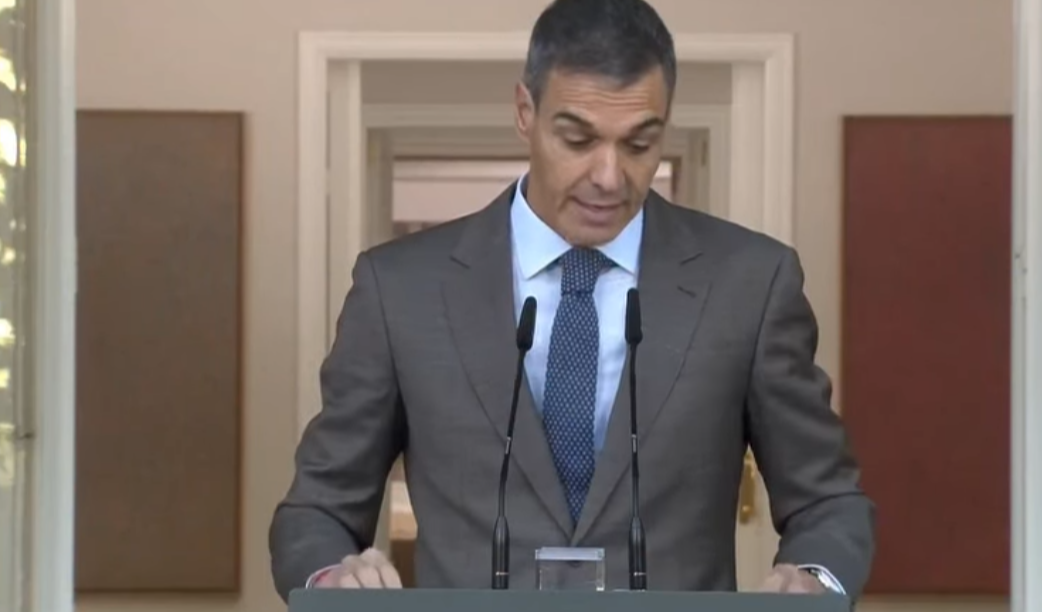
Spain approves 21 emergency housing measures, including rental support and a €10 billion fund, ahead of the November 2026 election. Spain Approves 21 Emergency Housing Measures Ahead of Snap Election By News National Editorial Team Spain's government has approved 21 emergency measures aimed at easing the country's housing crisis, including new financial support for homebuyers, rental assistance and stronger protections for vulnerable tenants. The measures were approved by Prime Minister Pedro Sánchez's Cabinet on October 6, just weeks before Spain's early general election scheduled for November 29, 2026. The government says housing has become one of the country's most urgent social and economic challenges. Housing crisis becomes major election issue Housing affordability has become one of the most politically sensitive issues in Spain. Rents and property prices have risen substantially in major cities, while the availability of affordable housing has failed to keep pace with demand. Large demonstrations have taken place across the country, with protesters demanding stronger tenant protections and more affordable housing. The issue has become particularly important for younger people, many of whom struggle to purchase homes or pay market rents. Government package The government says the new measures are intended to increase access to housing while supporting construction and protecting people at risk of losing their homes. The package includes measures to facilitate home purchases and rentals, strengthen protections for vulnerable households facing eviction and address the rapid growth of seasonal and room rentals. The government is also proposing a €10 billion financing fund intended to support housing construction and provide financial assistance for buyers. The package follows an earlier attempt by the government to pass housing measures through parliament. Those proposals failed to secure sufficient support, prompting the Cabinet to return with a revised package. Eviction controversy The housing debate intensified after the eviction of an 87-year-old woman from her home in Madrid became a focus of national protests. The case generated widespread public attention and contributed to demonstrations demanding stronger protection for vulnerable tenants. The government has responded by emphasizing measures aimed at preventing evictions from leaving vulnerable households without alternatives. However, critics argue that Spain's housing shortage requires much larger increases in construction and supply rather than relying primarily on tenant protections. Election adds political pressure The housing package is being introduced during a highly competitive political period. Prime Minister Sánchez has called a snap election for November 29 after political difficulties surrounding his government. Housing is expected to remain a central issue during the campaign, alongside immigration, employment, taxation and public services. The government's ability to secure parliamentary approval for the emergency measures could therefore have political consequences. Supply remains the central challenge Spain's housing problems are not simply a question of rents. The country also faces a shortage of available homes in areas where employment and population growth are strongest. Construction, planning restrictions, land availability and the growth of short-term and seasonal rentals all contribute to the debate. The government therefore faces pressure to increase supply while protecting existing tenants. What happens next Spain's Parliament has been dissolved ahead of the election, leaving an interim legislature to consider the government's measures. The package will require parliamentary approval, meaning political negotiations could determine how much of the proposed programme becomes law. The housing crisis is likely to remain one of the defining issues of Spain's 2026 election campaign. News National Verification Confirmed: Spain's Cabinet approved 21 housing measures on October 6, 2026. Major proposal: A €10 billion financing fund for housing-related support. Election: Spain is scheduled to hold an early general election on November 29. Key issue: Housing affordability, supply and tenant protection. Sources: Government of Spain, La Moncloa; Associated Press; Reuters. Spain housing crisis, Spain housing measures 2026, Pedro Sanchez, Spain election 2026, Spanish housing, rental crisis

Kazakhstan Plans Fuel Self-Sufficiency and Central Asia Exports

Kazakhstan plans to meet domestic fuel demand by 2030 and begin exporting refined petroleum products to Central Asia. Kazakhstan Targets Fuel Self-Sufficiency and Central Asian Exports by 2030 By News National Editorial Team Kazakhstan expects to become fully self-sufficient in refined petroleum products by 2030 and begin exporting surplus fuel to other Central Asian countries, Energy Minister Yerlan Akkenzhenov told lawmakers on October 7. The government says expanded refinery capacity will allow Kazakhstan to meet domestic demand while eventually creating enough surplus production for exports. The plan represents a significant shift for Kazakhstan, which has experienced periods of domestic fuel shortages and restrictions on petroleum-product exports. Three major refineries Kazakhstan currently operates three major oil refineries: Atyrau Oil Refinery Shymkent Refinery Pavlodar Petrochemical Plant The country processed approximately 18.4 million tonnes of crude oil in 2025 and produced about 15.5 million tonnes of finished petroleum products, according to figures cited by the energy minister. That output already covers more than 90% of domestic demand. Shymkent expansion One of the key projects is the expansion of the Shymkent refinery. Its processing capacity is planned to increase from approximately 6 million tonnes to 12 million tonnes annually. The Pavlodar refinery is also planned to receive an additional 2 million tonnes of capacity. Together, the projects are intended to close Kazakhstan's domestic supply gap and create the possibility of exports. From shortages to potential exports Kazakhstan has previously imposed restrictions on exports of gasoline, diesel and certain petroleum products because of concerns over domestic availability. The restrictions have been extended at different times as authorities sought to prevent shortages and maintain stable domestic prices. The government's latest strategy is therefore based on increasing production rather than relying primarily on export restrictions. Central Asia could become a new market If Kazakhstan reaches its production targets, neighbouring Central Asian countries could become important markets for its refined products. Kazakhstan is geographically positioned to supply countries such as Uzbekistan, Kyrgyzstan, Tajikistan and other regional markets. The development could strengthen Kazakhstan's role as an energy hub in Central Asia, although infrastructure, pricing and cross-border trade arrangements will determine how much fuel can actually be exported. Energy security and economic importance Greater domestic refining capacity would reduce Kazakhstan's vulnerability to supply disruptions. It could also create additional economic activity in refining, transport, storage and related industries. For neighbouring countries that depend on imported petroleum products, additional Kazakh supply could provide another source of fuel and reduce dependence on more distant suppliers. Challenges remain Building and expanding refinery capacity requires major investment and reliable supplies of crude oil. Kazakhstan will also need to ensure that increased production is matched by sufficient storage, transport infrastructure and export logistics. The government's target is therefore ambitious, and actual export volumes will depend on how quickly the refinery projects are completed. News National Verification Confirmed: Kazakhstan expects to meet domestic petroleum-product demand fully by 2030 and potentially begin exporting refined products to Central Asia. Current production: About 18.4 million tonnes of crude processed and 15.5 million tonnes of finished products in 2025. Major expansion: Shymkent refinery capacity planned to double to 12 million tonnes. Strategic goal: Domestic fuel security followed by regional exports. Sources: Kazakhstan Energy Ministry statements; Interfax-Kazakhstan; Kazakh parliamentary reporting. Kazakhstan fuel 2030, Kazakhstan oil refineries, Central Asia fuel exports, Kazakhstan energy, Shymkent refinery, petroleum products

Zambia, US Prepare $3.6 Billion Health Agreement

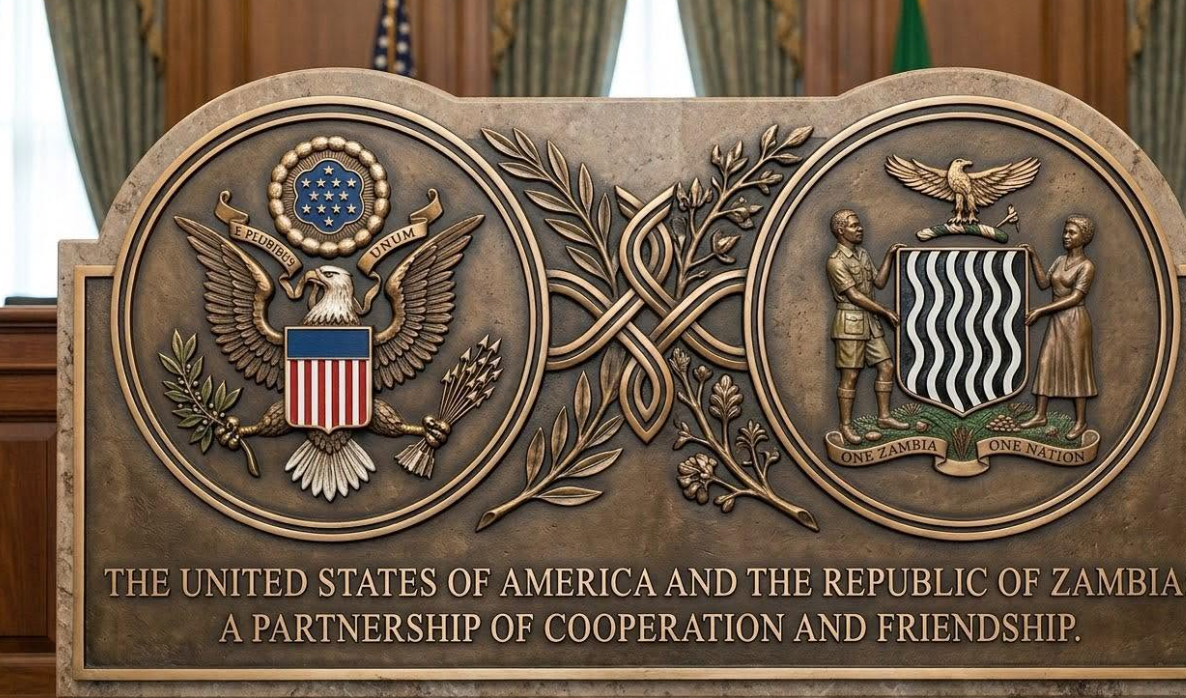
Zambia and the US are preparing a $3.6 billion health agreement after controversial patient-data and specimen-sharing clauses were removed. By News National Editorial Team Zambia and the United States are preparing to sign a new five-year health cooperation agreement worth more than US$3.6 billion, after negotiations removed controversial provisions concerning patient data and biological specimens. Zambian Health Minister Roma Chilengi said the agreement is expected to be signed on October 8. The United States is expected to contribute about US$1.5 billion, while Zambia's contribution will bring the combined commitment to approximately US$3.6 billion. The agreement represents a major change in the structure of US health assistance to Zambia, with greater emphasis on co-financing and national ownership. Data-sharing provisions removed One of the most sensitive issues during negotiations involved provisions relating to patient information and biological specimens. Zambia's health minister said those requirements had been removed from the final agreement. The government had previously raised concerns about provisions involving data, specimens, intellectual property and the length of the agreement. The revised arrangement was subsequently approved by Zambia's Cabinet. The final agreement will therefore proceed without the controversial patient-data and specimen-sharing conditions that had delayed the process. US contribution The United States is expected to provide approximately US$1.5 billion over five years. Zambia's contribution is expected to be approximately US$2.1 billion, bringing the total commitment to more than US$3.6 billion. The funding is intended to strengthen Zambia's healthcare system and support programmes dealing with HIV, tuberculosis, malaria, maternal and child health and wider health-security needs. Shift toward co-financing The agreement reflects a broader shift in US health assistance toward arrangements in which recipient governments contribute more of their own resources. Zambia's Health Ministry had previously described the planned agreement as a performance-based, co-financed partnership designed to support the country's transition toward greater health-system self-reliance by 2030. Under the earlier framework, Zambia's annual health expenditure was projected to rise substantially as external assistance gradually declines. Why the agreement matters Zambia has relied on international assistance for important public-health programmes, particularly HIV prevention and treatment. A large reduction in external health financing could therefore have serious consequences for healthcare delivery. The new agreement aims to maintain essential services while increasing Zambia's financial responsibility for its health system. The removal of the data-sharing clauses is also significant because Zambia has emphasised national control over sensitive health information. Agreement follows months of negotiations The agreement has taken months to negotiate. Earlier versions faced criticism over data-sharing, specimen collection and other provisions. Reuters previously reported that Zambia had delayed the deal while officials reviewed concerns over national interests and transparency. The final version represents a compromise between maintaining substantial US financial support and protecting Zambia's control over health information. What happens next The two governments are expected to formally sign the memorandum of understanding on October 8. Implementation will then determine how the funding is distributed across Zambia's health programmes and how performance targets are monitored. The agreement could also become an important model for other African countries negotiating new bilateral health partnerships with the United States. News National Verification Confirmed: Zambia and the United States have agreed on a revised five-year health partnership. Total commitment: More than US$3.6 billion. US contribution: Approximately US$1.5 billion. Key change: Patient-data and biological-specimen-sharing provisions were removed from the revised arrangement. Sources: Zambia Ministry of Health; Zambia Daily Mail; Associated Press; Reuters. Zambia US health deal, Zambia health agreement, US Africa health funding, Zambia healthcare, HIV Zambia, health data

Kosovo Elects Justina Shiroka Pula as New President

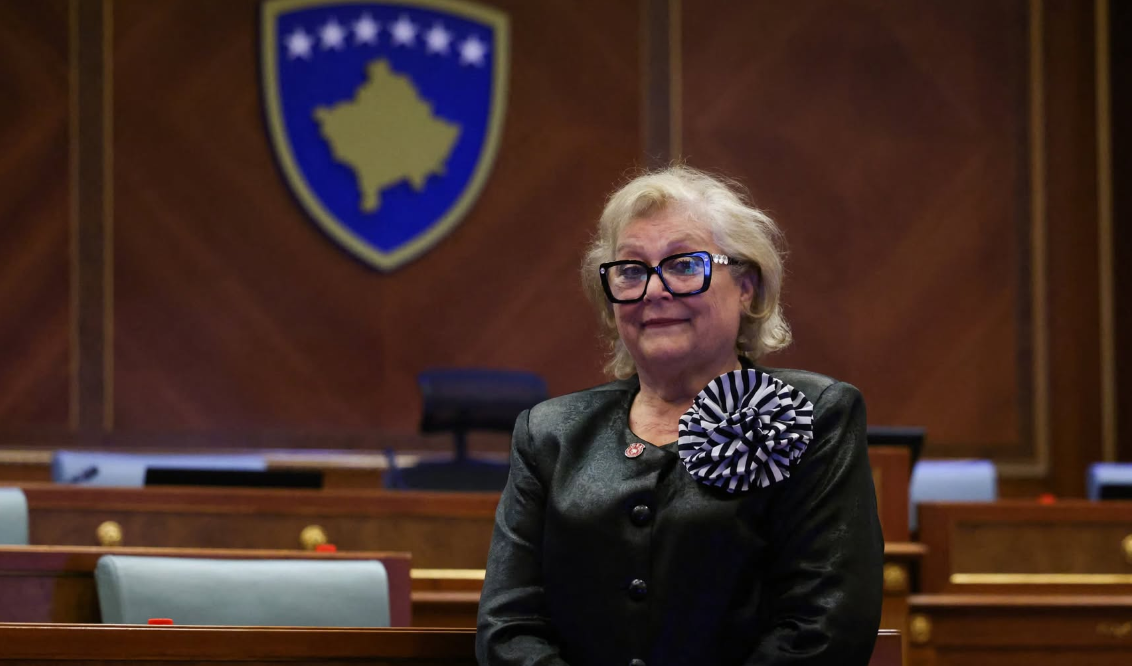
Kosovo's parliament elected Justina Shiroka Pula as president with 81 votes, avoiding another snap-election crisis. By News National Editorial Team Kosovo's parliament has elected Justina Shiroka Pula as the country's new president, ending a period of political uncertainty and avoiding the possibility of another snap parliamentary election. Shiroka Pula received 81 votes in the 120-seat Assembly during a special parliamentary session on October 7. The official Kosovo Assembly record confirms her election, while Reuters and the Associated Press independently reported the result. She becomes Kosovo's third female president. Economist and academic takes office Shiroka Pula is an economist and academic who previously served as Kosovo's minister of economy and later headed the Kosovo Academy of Sciences and Arts. In her first address as president, she said she would serve all citizens regardless of political, ethnic or social background. She also pledged to strengthen Kosovo's institutions and maintain the country's Euro-Atlantic orientation. The presidency is largely ceremonial, but it carries important responsibilities in foreign policy and national security. Election prevents another political crisis The presidential vote was significant because failure to elect a president could have triggered another political crisis and potentially new parliamentary elections. Kosovo's parliament reached the required threshold with 81 votes, allowing the country to avoid another immediate electoral confrontation. Reuters reported that the vote followed an agreement between the governing Vetevendosje movement and the opposition Democratic Party of Kosovo. The agreement comes after a period of political tension and protests. Dispute over war-crimes court The parliamentary session also involved a controversial legislative change concerning Kosovo's Specialist Chambers and Specialist Prosecutor's Office in The Hague. The Assembly approved the amendment with 88 votes in favour, according to its official record. The court has prosecuted alleged crimes connected with the 1998–99 Kosovo conflict. The issue remains politically sensitive because many Kosovars regard former Kosovo Liberation Army figures as central to the country's independence struggle. Reuters reported that recent convictions of former KLA leaders contributed to political tensions and public protests. A difficult political environment The new president inherits a politically divided environment. Kosovo continues to face challenges involving relations with Serbia, international recognition, European integration and domestic political stability. The country declared independence from Serbia in 2008, but Serbia continues to reject Kosovo's independence. Several EU member states also do not recognise Kosovo. The new presidency will therefore have an important diplomatic role despite its limited executive powers. What happens next Shiroka Pula's immediate task will be to help restore institutional stability and represent Kosovo internationally. Her emphasis on unity and stronger institutions could help reduce political tensions, although major disagreements over Kosovo's relations with Serbia and the international community will remain. News National Verification Confirmed: Justina Shiroka Pula was elected president by Kosovo's Assembly on October 7, 2026. Vote: 81 of 120 lawmakers voted for her. Additional development: Parliament approved amendments concerning the Specialist Chambers. Political significance: The presidential vote avoided another immediate snap-election crisis. Sources: Kosovo Assembly; Office of the President of Kosovo; Reuters; Associated Press. Kosovo president 2026, Justina Shiroka Pula, Kosovo politics, Kosovo parliament, Kosovo election, Serbia Kosovo

Norway 2027 Budget - Tax Cuts, Defence and Ukraine Support

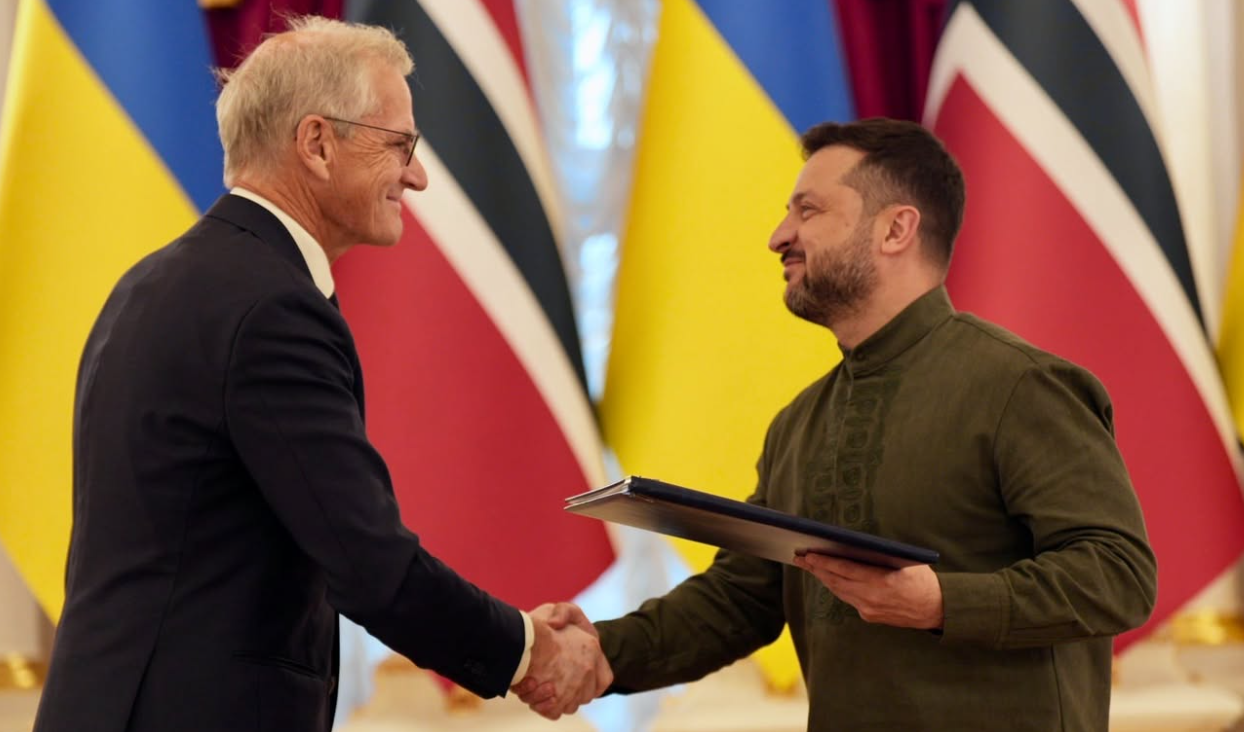
Norway proposes a 2027 budget with NOK 6.4 billion in tax cuts, higher defence spending and NOK 85 billion for Ukraine. Norway Proposes 2027 Budget With Major Tax Cut and More Defence Spending By News National Editorial Team Norway's government has presented its proposed 2027 national budget, combining tax reductions for households with increased spending on defence, healthcare and education. The government proposes reducing income taxes by 6.4 billion Norwegian kroner, describing it as the largest income-tax reduction in a Norwegian budget in two decades. The proposal was presented on October 7 by Finance Minister Jens Stoltenberg. The budget is being presented against a backdrop of heightened geopolitical uncertainty and a Norwegian economy that remains relatively strong. Government plans higher use of sovereign wealth fund The government proposes using 608.4 billion Norwegian kroner from the Government Pension Fund Global to finance the 2027 budget. That represents approximately 2.7% of the fund's estimated value, remaining below the government's assumed long-term real return of 3%. Norway's sovereign wealth fund is one of the world's largest and is financed largely by the country's petroleum revenues. The fund allows Norway to support public spending while attempting to preserve wealth for future generations. Defence becomes a major priority The budget gives significant attention to national security. Norway's government has proposed 191.7 billion kroner for defence in 2027, an increase reflecting the country's assessment of a more uncertain European security environment. The budget also includes 85 billion kroner in support for Ukraine through Norway's wider assistance programme. The increased defence allocation reflects Norway's position as a NATO member bordering Russia in the Arctic region. Economy remains resilient The government says Norway's economy continues to perform relatively well, although growth has slowed compared with earlier periods. The 2027 budget forecasts mainland GDP growth of 1.7%, following estimated growth of 1.1% in 2026. Registered unemployment is forecast at around 2.1%, while consumer-price inflation is projected to fall to 2.7% in 2027. The government also expects wages to continue rising faster than consumer prices, supporting household purchasing power. Healthcare and education Defence is not the only major spending priority. The government says the budget also prioritises schools and healthcare, while seeking to improve households' financial position through tax reductions. The combination is intended to address both immediate household pressures and longer-term national priorities. Fiscal balancing act Norway faces a long-term challenge despite its enormous wealth. The government estimates that public expenditure will grow faster than revenues in coming years. That could eventually require slower spending growth, higher revenue or changes in public policy. The issue is particularly important because Norway's ageing population is expected to increase demand for healthcare and pensions. At the same time, the government wants to maintain investment in defence and public services without excessively stimulating the economy. What happens next The proposed budget must go through Norway's parliamentary process before becoming final. The minority Labour government will need to negotiate with other parties in the Storting to secure sufficient support. The final budget could therefore differ from the government's initial proposal. News National Verification Confirmed: Norway presented its proposed 2027 national budget on October 7, 2026. Tax proposal: NOK 6.4 billion reduction in income taxes. Fund spending: NOK 608.4 billion from the Government Pension Fund Global. Defence: Proposed defence spending of NOK 191.7 billion. Ukraine: NOK 85 billion included in support. Sources: Norwegian Ministry of Finance; Norwegian Ministry of Defence; Government of Norway; Reuters. Norway budget 2027, Norway tax cuts, Norway defence spending, Norway Ukraine support, Norwegian economy, sovereign wealth fund

Vietnam Banks Plan $7 Billion Capital Raise as Economy Surges

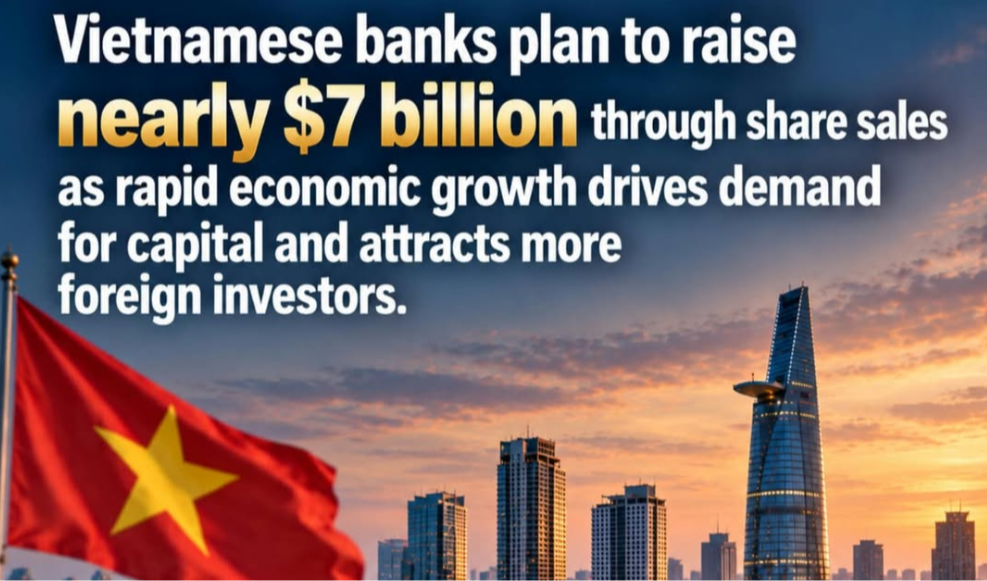
Vietnam's banks plan nearly $7 billion in share sales as rapid economic growth increases demand for capital and foreign investment. Vietnam Banks Plan Nearly $7 Billion in Share Sales as Economy Expands Rapidly By News National Editorial Team Vietnam's banking sector is preparing for a major capital-raising drive, with local banks planning to raise nearly US$7 billion through share sales by the end of 2027, according to Reuters analysis of company disclosures and Fitch Ratings research. The planned fundraising comes as Vietnam's economy expands rapidly and banks face increasing demand for credit from businesses and households. Reuters reported on October 7 that the potential fundraising could represent the country's largest-ever wave of bank equity issuance. Rapid economic growth drives demand for capital Vietnam's economy grew by 9.95% year on year in the third quarter of 2026, according to data reported by Reuters. The expansion was supported by exports and infrastructure investment, while industrial production and foreign direct investment also increased. Rapid economic growth creates additional demand for bank lending. Vietnamese policymakers are therefore seeking to ensure that banks have sufficient capital to support credit expansion without creating excessive financial risks. Foreign investors see new opportunities Vietnam's banking sector has historically been tightly controlled for foreign investors. The general foreign-ownership ceiling for commercial banks remains 30%, although certain banks involved in restructuring can have higher limits under specific rules. Reuters reported that recent policy changes have created opportunities for foreign investors to increase their presence in selected Vietnamese lenders. Japanese and South Korean financial institutions are among the foreign banks showing interest. Japan's SMBC, for example, has been negotiating to increase its stake in Vietnam's VPBank, according to Reuters. Major banks preparing capital raising Several large Vietnamese banks are preparing equity transactions. Reuters identified banks including VPBank, Vietcombank, BIDV and HDBank among institutions planning significant capital-raising activity. The transactions could provide banks with additional resources to expand lending and strengthen their balance sheets. However, analysts caution that raising fresh capital does not automatically eliminate financial risks. Vietnam's banks are experiencing rapid loan growth, while concerns remain about bad debts, particularly in the property sector. Basel III adds pressure Vietnamese banks are also preparing for stronger international capital standards. The country's financial institutions are working toward broader adoption of Basel III standards by 2030. Higher capital requirements mean banks need stronger financial buffers as they expand their balance sheets. The planned equity sales could therefore serve two purposes: financing future growth and strengthening regulatory capital. Market reforms add momentum Vietnam has also been reforming its stock market. In December 2026, shares currently listed on the Hanoi Stock Exchange are scheduled to be transferred to the main Ho Chi Minh City stock-market structure as part of a broader market overhaul, according to Reuters. Vietnam's recent promotion to secondary emerging-market status by FTSE Russell has also increased expectations of greater foreign investment. Risks remain The rapid expansion of credit and investment creates opportunities but also risks. If lending grows faster than underlying economic activity, banks could face rising non-performing loans. Property-market weakness remains an important concern. Foreign investors will therefore have to assess individual banks carefully rather than treating Vietnam's overall growth rate as a guarantee of banking-sector performance. News National Verification Confirmed: Vietnamese banks are planning nearly US$7 billion in share sales through the end of 2027. Economic backdrop: Vietnam's third-quarter 2026 GDP growth reached 9.95% year on year. Key investors: Japanese and South Korean financial institutions are among those expanding their interest. Risks: Rapid credit growth, property-related bad debts and capital requirements remain important challenges. Sources: Reuters; Fitch Ratings; Vietnam government and State Bank regulatory information. Vietnam banks 2026, Vietnam economy, Vietnamese banking sector, foreign investment Vietnam, VPBank, Vietcombank, BIDV

Argentina Launches Citizenship-by-Investment Programme in 2026

Argentina has announced a citizenship-by-investment programme offering qualifying foreign investors a new route to citizenship. Argentina Launches Citizenship-by-Investment Programme to Attract Foreign Capital By News National Editorial Team Argentina has announced a new citizenship-by-investment programme designed to attract foreign capital and investors by offering a route to Argentine citizenship linked to qualifying financial contributions. Economy Minister Luis Caputo announced the programme on October 2 during Argentina Week in Paris. The government said applications are expected to open during the fourth quarter of 2026. The initiative forms part of President Javier Milei's broader economic strategy to attract international investment, strengthen Argentina's integration with global markets and improve the country's investment climate. Two investment routes Under the programme announced by the government, foreign applicants will have two principal options. The first is a non-refundable contribution of US$350,000 to the Argentine Treasury. The second is the purchase of a specially created Argentine government security worth US$800,000. The government says the programme will include due-diligence, financial-transparency and risk-management standards aligned with recommendations from the Organisation for Economic Co-operation and Development and the Financial Action Task Force. Applications will undergo a formal assessment intended to protect national security and the integrity of Argentina's financial system. Family members can also apply The programme includes provisions for spouses and children of the principal applicant. The Argentine government says a spouse and children aged between 18 and 25 who meet the specified conditions can apply through additional contributions. Children under 18 have a lower contribution requirement. The government gives an example of a family consisting of one principal applicant, a spouse and two minor children applying for citizenship for a combined contribution of US$500,000. Why Argentina introduced the programme Argentina has been attempting to improve its investment environment while carrying out major economic reforms under President Milei. The government is seeking foreign capital for productive investment and wants to position Argentina as a more attractive destination for international investors. The citizenship programme is therefore being presented not simply as an immigration measure but as part of a wider effort to increase foreign investment and international economic integration. Programme still has implementation questions The announcement does not mean that citizenship will automatically be granted simply after money is transferred. Argentina says applicants will be subject to eligibility requirements, background checks and due-diligence procedures. The exact administrative process, documentation requirements and implementation arrangements will be important once applications officially begin. The programme could also attract scrutiny over issues common to investment-migration schemes, including financial transparency, security screening and whether investment-linked citizenship creates unequal access to nationality. International significance Argentina's programme would make it one of the few countries in the region to explicitly connect citizenship with a structured investment route. The policy is likely to attract interest from wealthy international investors seeking a second nationality while also giving Argentina another mechanism for attracting foreign capital. Its success will ultimately depend on whether the programme generates genuine productive investment while maintaining strong safeguards against money laundering and other financial risks. News National Verification Confirmed: Argentina announced the citizenship-by-investment programme on October 2, 2026. Expected launch: Applications are scheduled to become available during the fourth quarter of 2026. Principal investment options: US$350,000 non-refundable contribution or US$800,000 government security. Important clarification: Applicants remain subject to due-diligence and eligibility checks. Sources: Government of Argentina; Argentina Ministry of Economy; Reuters. Argentina citizenship by investment, Argentina investment visa, Javier Milei, Argentina economy 2026, foreign investment Argentina

New Zealand Election 2026 Tax, Cost of Living and Public Services

New Zealand's election campaign focuses on tax, living costs, healthcare and education as voters prepare to choose a new government. New Zealand Election Campaign Focuses on Cost of Living, Tax and Public Services By News National Editorial Team New Zealand's 2026 general-election campaign has entered a more intense stage, with the country's major political leaders clashing over taxation, living costs, healthcare and education. Prime Minister Christopher Luxon and opposition Labour leader Chris Hipkins faced off in a televised leaders' debate this week as voters prepare for the general election, which is now less than five weeks away. Recent reporting shows that both leaders have ruled out increasing the Goods and Services Tax (GST), while offering different approaches to the country's economic and public-service challenges. The election campaign is becoming increasingly focused on the economic pressures facing households. Tax becomes a major campaign issue Tax policy has emerged as one of the key differences between the major parties. During the leaders' debate, Luxon and Hipkins both indicated that they would not increase GST. The discussion reflects wider voter concerns about household expenses, income, housing and the cost of essential services. With the election approaching, political parties are seeking to convince voters that their economic policies can improve living standards without putting additional pressure on household budgets. Healthcare and education remain important Healthcare and education have also become central campaign issues. New Zealand's political parties are presenting competing approaches to public services, with debate focusing on funding, service delivery and government priorities. The leaders' debate provided voters with an opportunity to compare those positions directly, although the campaign will continue to develop as parties release additional policy details. Economy showing modest recovery The political debate is taking place against an economy that has returned to modest growth. Statistics New Zealand reported that GDP increased 0.2% in the June 2026 quarter, following 0.9% growth in the March quarter. Annual GDP growth reached 1.7% in the year to June 2026. The recovery remains uneven. Stats NZ said nine of 16 industries recorded increases in the June quarter, indicating that economic activity is improving but not uniformly across the economy. Fuel costs remain a concern Households and businesses are also dealing with higher fuel costs. Stats NZ reported that petrol prices increased 20.1% during the June 2026 quarter, while diesel prices increased 47.7%. Higher energy costs can feed into household expenses as well as transportation, agriculture, manufacturing and other business costs. The issue gives economic policy an important role in the election campaign. Housing construction shows improvement There are also signs of improvement in housing construction. Stats NZ reported that 41,268 new homes were consented in the year to August 2026, an increase of 21% compared with the previous year. Housing affordability and supply remain important political issues, meaning the increase in construction activity is likely to feature in the wider economic debate. Election enters decisive period With the election approaching, the campaign is moving from broad political positioning toward detailed comparisons of party policies. Voters are likely to focus on whether proposed tax, healthcare, education, housing and economic policies can address household pressures while maintaining fiscal stability. The coming weeks will therefore be important for both the governing coalition and opposition parties as they attempt to turn policy arguments into electoral support. News National Verification Confirmed: New Zealand's 2026 election campaign is entering its final weeks, with cost of living, tax, healthcare and education among the major issues. Economic context: GDP grew 0.2% in the June 2026 quarter and 1.7% year on year. Housing: 41,268 new homes were consented in the year to August 2026. Sources: Statistics New Zealand; Reserve Bank of New Zealand; New Zealand election reporting; 1News; Farmers Weekly. New Zealand election 2026, Christopher Luxon, Chris Hipkins, New Zealand politics, New Zealand economy, cost of living

Egypt Foreign Reserves Hit Record $57.35 Billion in September

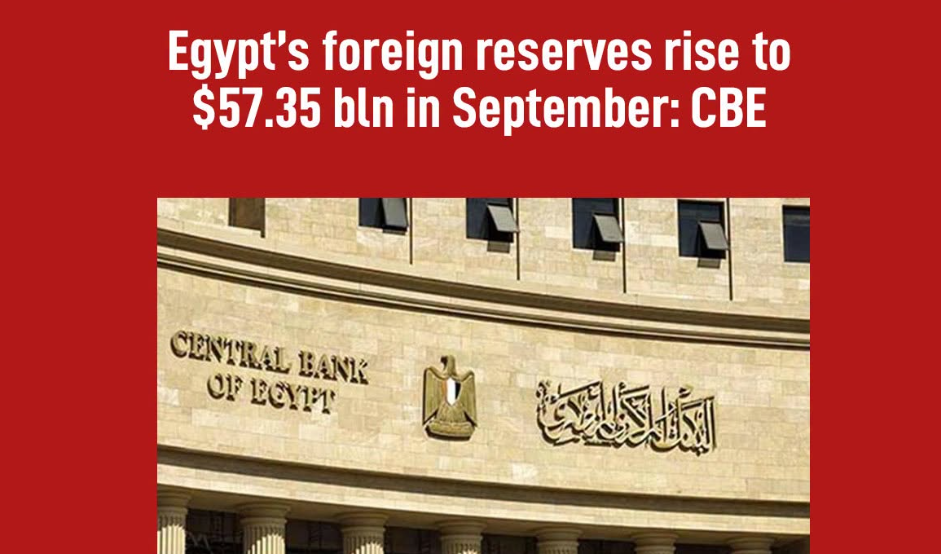
Egypt's foreign reserves reached a record $57.35 billion in September, extending nine months of consecutive gains. By News National Editorial Team Egypt's net international reserves increased to approximately $57.35 billion at the end of September 2026, reaching their highest level on record, according to figures from the Central Bank of Egypt. The reserves rose by about $133.7 million from $57.2145 billion at the end of August. The latest increase extends a sustained upward trend in Egypt's external reserves. The improvement provides Egypt with a larger financial buffer for meeting external obligations, supporting imports and helping stabilise the foreign-exchange market. Nine consecutive months of gains Egypt's reserves have increased for nine consecutive months, according to reporting based on Central Bank of Egypt data. At the end of September 2025, reserves were approximately $49.54 billion. The latest figure represents an increase of roughly $7.8 billion over the year. The rise is significant for Egypt after several years of foreign-exchange pressure and efforts to strengthen the country's external financial position. Foreign currency and gold holdings The September data show that Egypt's reserve position includes substantial holdings of foreign currency and gold. Foreign-currency holdings stood at about $39.29 billion, while gold reserves were valued at approximately $17.46 billion. Special Drawing Rights, an international reserve asset associated with the International Monetary Fund, accounted for about $602 million. These assets provide the Central Bank of Egypt with resources that can be used to meet external payment obligations and support financial stability. Remittances provide important support One factor supporting Egypt's foreign-exchange position has been stronger remittance inflows. The Central Bank of Egypt previously reported that remittances from Egyptians working abroad reached a record $47.3 billion during the 2025–26 financial year, an increase of 29.6% from the previous year. Remittances are an important source of foreign currency for Egypt, alongside export earnings, tourism revenues and Suez Canal receipts. Why the reserve increase matters A stronger reserve position can improve a country's ability to withstand external economic shocks. For Egypt, higher reserves can help finance essential imports, meet international debt obligations and support confidence in the country's foreign-exchange system. However, reserves alone do not resolve all economic challenges. Egypt continues to face pressure from inflation, debt servicing costs and external geopolitical developments. Broader economic picture Egypt's external position has been closely watched by investors and international financial institutions. The country's ability to attract foreign investment, increase exports and maintain strong remittance flows will remain important for sustaining reserve growth. The latest data nevertheless represent a positive development for Egypt's financial position. News National Verification Confirmed: Egypt's net international reserves reached approximately $57.35 billion at the end of September 2026. Monthly increase: About $133.7 million from August. Annual increase: Approximately $7.8 billion compared with September 2025. Key supporting factor: Stronger foreign-currency inflows, including record remittances. Sources: Central Bank of Egypt; Ahram Online; Reuters reporting. Egypt foreign reserves 2026, Central Bank Egypt, Egypt economy, Egypt forex reserves, Egyptian economy, remittances Egypt

Mexico Bans Dual Citizens From Presidency Under New Reform

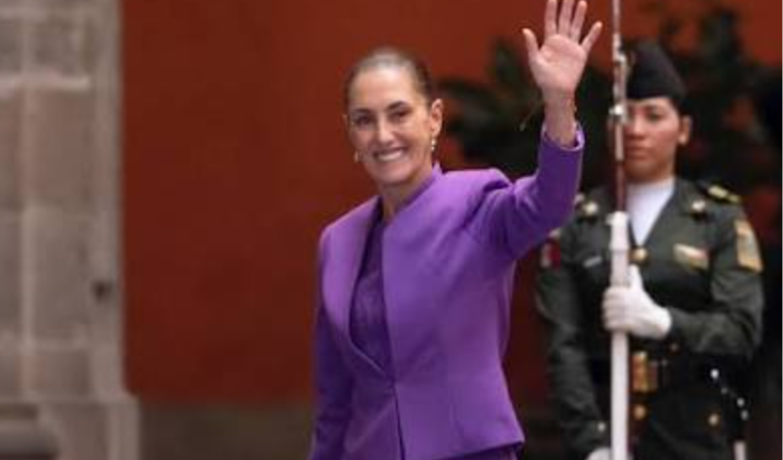
Mexico has enacted a reform barring dual citizens from the presidency and key state offices from 2028. Mexico Enacts New Rule Barring Dual Citizens From Presidency and Key State Offices By News National Editorial Team Mexico has enacted a constitutional reform that will prevent people holding dual citizenship from running for president, state governor or Mexico City mayor. The reform, championed by President Claudia Sheinbaum, was formally enacted on October 7, 2026. It will apply from 2028 and requires prospective candidates for the specified offices to renounce any non-Mexican nationality before seeking office. The government says the measure is designed to protect Mexico's sovereignty and prevent potential foreign influence in the country's highest political offices. Reform takes effect in 2028 The new constitutional provision will not affect Mexico's 2027 midterm elections. Its principal impact will come with elections beginning in 2028 and, particularly, the 2030 presidential election cycle. Under the reform, candidates for the presidency, state governorships and Mexico City's mayoralty will have to meet the new nationality requirement. The measure does not eliminate dual citizenship for ordinary Mexican citizens. Instead, it establishes additional eligibility requirements for people seeking some of the country's highest elected offices. Government argues sovereignty is at stake President Sheinbaum has defended the constitutional change as a safeguard against foreign interference. Her administration argues that individuals occupying the country's most powerful political positions should have an exclusive national allegiance. The reform comes at a time when Mexico is dealing with complicated relations with the United States, including disputes involving migration, trade and cross-border security. The government therefore sees the measure as part of a broader emphasis on national sovereignty. Opposition raises concerns Opposition parties and representatives of Mexican citizens living abroad have criticized the reform. Critics argue that possessing another nationality does not necessarily mean that a Mexican citizen has divided loyalty. They also say the change could restrict political participation by Mexicans who have lived abroad and acquired another citizenship. The opposition PAN party has also questioned the consistency of the reform because Mexican legislators can still hold dual nationality under existing rules. The American Society of Mexico has similarly criticized the measure, arguing that nationality alone should not determine a person's loyalty to Mexico. Political implications The timing of the reform is likely to keep the issue politically significant ahead of the 2030 presidential election. Because the new rule does not affect the 2027 midterms, its immediate electoral impact will be limited. However, potential presidential and gubernatorial candidates will need to examine their nationality status before the 2028 eligibility rules begin applying. The reform also adds to a broader international debate over how countries should address foreign influence while protecting the political rights of citizens with international backgrounds. What happens next The practical consequences will depend on how Mexican authorities interpret and enforce the new constitutional requirements. Candidates who possess another nationality will need to comply with the renunciation requirement before seeking the offices covered by the reform. The debate is therefore likely to continue over whether the measure represents a legitimate national-security safeguard or an unnecessary restriction on political participation. News National Verification Confirmed: Mexico enacted the constitutional reform on October 7, 2026. Effective: The new restriction will apply from 2028. Covered offices: Presidency, state governorships and Mexico City mayoralty. Important clarification: The reform does not prohibit ordinary Mexican citizens from holding dual citizenship. Sources: Reuters; Mexican government statements; Mexican political reporting. Mexico dual citizenship law, Mexico politics 2026, Claudia Sheinbaum, Mexico presidency, Mexican constitutional reform

Germany Blocks Cosco Purchase of Logistics Firm Over Security

Germany blocked Cosco's planned acquisition of logistics firm Zippel, citing national security and supply-chain resilience concerns. Germany Blocks Chinese Cosco Purchase of Logistics Firm Over Supply Chain Security By News National Editorial Team The German government has blocked the planned acquisition of logistics company Zippel by Chinese state-owned shipping group Cosco, citing national-security concerns and the need to protect critical supply chains. Germany's Economy Ministry said on October 7 that allowing the transaction would deepen dependencies on foreign companies and potentially weaken the resilience of Germany's and the European Union's supply chains. Cosco had planned to acquire an 80% stake in Zippel, which specialises in transporting containers between seaports and inland destinations. Security concerns override previous approval The case demonstrates the growing importance of national-security reviews in major foreign investment decisions. Germany's antitrust authority had cleared the transaction in February because competition law did not identify an obstacle. However, national-security considerations fall outside the authority's normal competition assessment. The federal government subsequently used its investment-screening powers to block the transaction. The decision reflects growing European concern about foreign ownership of strategically important logistics, transport and infrastructure businesses. Why Zippel matters Zippel operates in the logistics sector, connecting ports with inland destinations. While the company is not itself a major container port operator, Germany's government considers logistics networks strategically important because disruptions or excessive dependence on a single foreign provider could affect the movement of goods. The European Union has increasingly focused on economic security, critical infrastructure and resilient supply chains following disruptions caused by the COVID-19 pandemic, Russia's war against Ukraine and wider geopolitical tensions. Cosco's existing German presence The decision also comes against the background of Cosco's existing investment in Germany. The Chinese shipping company holds a minority stake in a container terminal at Hamburg's port. The previous German government approved that investment in 2023 despite strong political disagreements over the transaction. The latest decision indicates that Berlin is taking a more cautious approach toward Chinese investment in strategically sensitive parts of the German economy. Zippel says operations continue Zippel CEO Axel Plass expressed disappointment with the government's decision but said the company's daily operations would continue as normal. Cosco did not immediately provide a comment to Reuters on the decision. The blocked transaction does not mean Zippel's existing logistics operations will stop. Instead, the proposed change in ownership has been prevented. Wider European trend Germany's decision comes amid a broader European debate about how to balance foreign investment with economic and national security. Chinese companies remain important participants in European trade and supply chains, while European governments increasingly want to prevent strategic dependencies from becoming vulnerabilities. For Germany, the challenge is particularly significant because the country depends heavily on international manufacturing and exports. What the decision means The Zippel case is unlikely to be viewed only as an individual corporate transaction. It illustrates how investment screening is becoming an increasingly important tool for European governments dealing with geopolitical competition. Germany is attempting to maintain international trade and investment while protecting critical infrastructure and supply-chain resilience. News National Verification Confirmed: Germany blocked Cosco's planned 80% acquisition of Zippel. Reason given: National-security and supply-chain resilience concerns. Important distinction: Germany's antitrust authority had previously cleared the deal; the later decision concerned national-security considerations. Sources: German Economy Ministry; Reuters; Financial Times reporting. Germany Cosco, Zippel logistics, China Germany relations, German national security, supply chains, foreign investment

Kenya Strengthens Ebola Response After First Imported Case

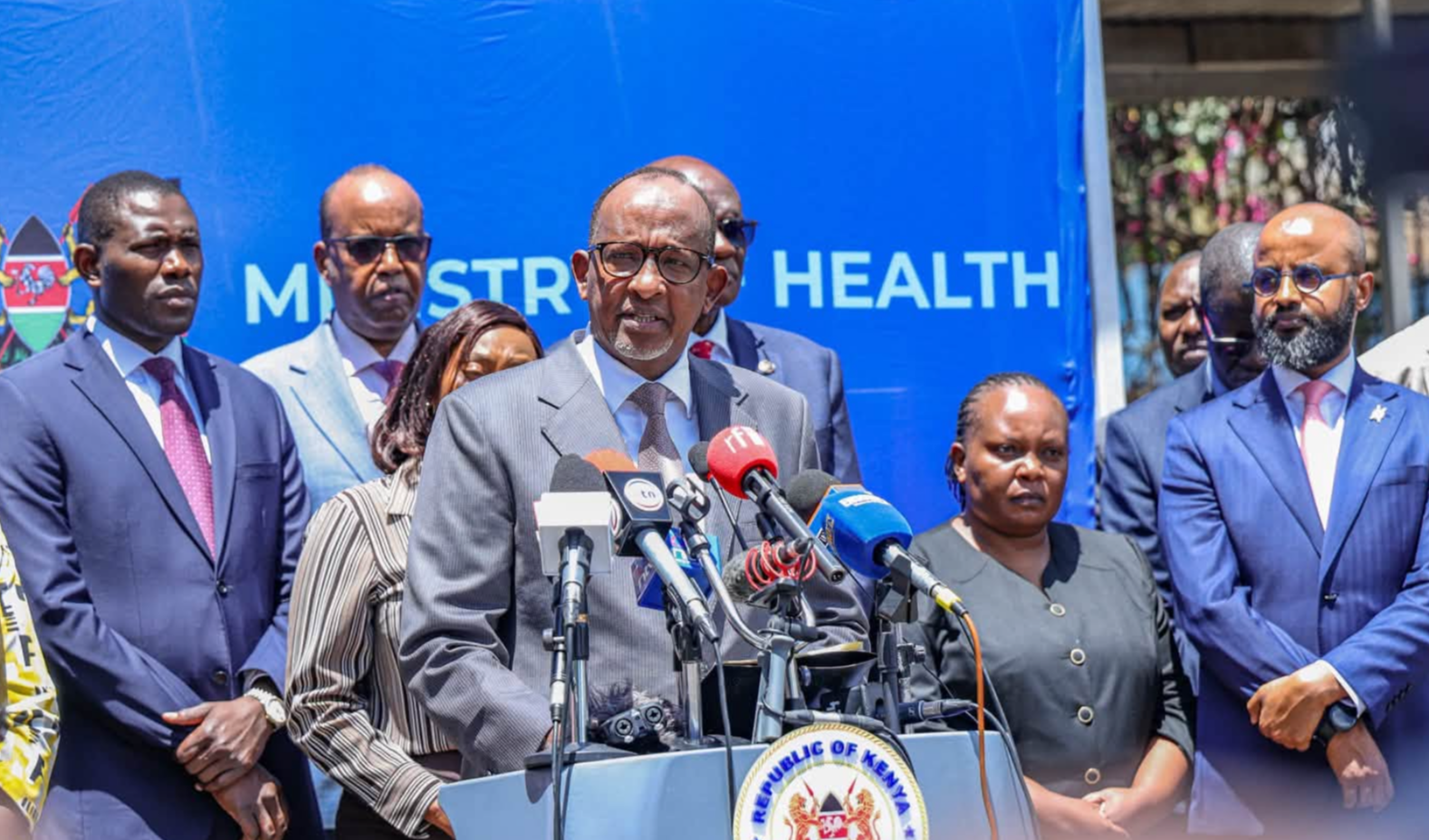
Kenya strengthens Ebola surveillance and contact tracing after confirming its first imported Bundibugyo Ebola case. By News National Editorial Team Kenya has strengthened its public-health response after confirming the country's first imported case of Bundibugyo Ebola Virus Disease, involving a Kenyan citizen who had been living in the Democratic Republic of Congo. The Kenyan Ministry of Health said the patient became ill in the Democratic Republic of Congo, travelled through Uganda and arrived in Nairobi on October 3. He was taken to Nairobi Hospital, isolated and tested after showing symptoms consistent with Ebola. Independent testing by Kenya's National Virology Reference Laboratory and the Kenya Medical Research Institute confirmed the infection. The patient later died. Contact tracing expanded Kenyan health authorities have identified 57 contacts connected with the case, with 10 people placed under quarantine as of October 7. The Ministry of Health said contact tracing remains underway and that the number of identified contacts could increase as investigators establish the patient's movements and interactions. The case has raised particular concern because the patient travelled internationally while experiencing symptoms. Reuters reported that the case exposed weaknesses in cross-border health screening, although officials have not said that local transmission has occurred. Kenya says there is no outbreak Kenya's Health Cabinet Secretary Aden Duale has stressed that the country is not experiencing an Ebola outbreak. Instead, authorities are managing a confirmed imported case while increasing surveillance and preparedness. The distinction is important because a single imported case does not automatically mean sustained community transmission. The Ministry has also urged the public to rely on official health information rather than rumours or unverified social-media claims. Five hospitals prepared Kenya has designated five health facilities to isolate and manage suspected or confirmed Ebola patients. The Ministry of Health said the facilities collectively provide substantial isolation capacity, including units at Kenyatta National Hospital, Moi Teaching and Referral Hospital, National Police Service Hospital, Port Reitz Hospital and Nairobi Hospital. Kenya has also increased screening at points of entry. According to the Health Ministry, more than 652,000 travellers had already been screened and 267 samples tested through the country's laboratory network by October 6. Regional significance The case highlights the difficulty of controlling infectious diseases across international borders. The patient had travelled from the Democratic Republic of Congo through Uganda before reaching Kenya. This makes cooperation between neighbouring countries particularly important for contact tracing, laboratory testing and information sharing. Kenya's response is being supported by international health partners, while the government continues to monitor contacts and strengthen surveillance. What happens next The immediate priority is to identify every person who may have had close contact with the patient and monitor them during the relevant observation period. Kenyan authorities are also working to ensure that hospitals and border facilities can identify and safely isolate suspected cases quickly. At present, officials are describing the situation as an imported case under active management, not a national Ebola outbreak. News National Verification Confirmed: Kenya confirmed its first imported Bundibugyo Ebola case. Patient: A Kenyan citizen who had been living in the Democratic Republic of Congo; the patient subsequently died. Current response: 57 contacts identified and 10 people quarantined as of October 7. Important clarification: Kenya's Health Ministry says the country is not experiencing an Ebola outbreak. Sources: Kenya Ministry of Health; Reuters; Associated Press; Kenya Broadcasting Corporation. Kenya Ebola 2026, Bundibugyo Ebola, Kenya Ministry of Health, Ebola Africa, Kenya health news, Ebola contact tracing