
Language Settings
Select Website Language

GDPR Compliance

We use cookies to ensure you get the best experience on our website. By continuing to use our site, you accept our use of cookies, Privacy Policy, and Terms of Service.

Filters

Channels
Topics
Other Filters

12 Crew Members Injured After Projectile Hits Ship Near Oman

A projectile struck Panama-flagged MT On Peace near Oman, injuring 12 crew members including 11 Indians, India’s MEA said. By News National Editorial Team Twelve crew members were injured after the Panama-flagged commercial vessel MT On Peace was struck by a projectile while transiting the Strait of Hormuz off the coast of Oman, according to India's Ministry of External Affairs. Of the vessel's 19 crew members, 17 were Indian nationals. The MEA said 11 Indian nationals were among those injured. The incident has raised fresh concerns over the safety of commercial shipping and seafarers in one of the world's most important maritime corridors. Injured crew evacuated The injured crew members were evacuated with assistance from Omani authorities and taken for medical treatment in Khasab, Oman. India thanked the Omani authorities for their assistance. The vessel, identified as MT On Peace, was travelling through the Strait of Hormuz when it was hit by the projectile. Details about who launched the projectile and the circumstances surrounding the incident were not immediately established in the available official information. India condemns attack The Ministry of External Affairs condemned the incident and expressed concern over continuing attacks affecting commercial shipping in the region. India called for an immediate end to attacks targeting commercial vessels, seafarers and civilian infrastructure. The government also stressed the importance of restoring safe navigation and commercial movement through international waterways. Why the Strait of Hormuz matters The Strait of Hormuz is a strategically important maritime passage connecting the Persian Gulf with the Gulf of Oman and the Arabian Sea. A disruption to shipping in the area can have implications beyond the immediate region because the waterway is a major route for international energy and commercial shipments. For India, the safety of the route is particularly important because a large number of Indian nationals work in the global maritime sector. The incident involving MT On Peace is therefore being closely watched by Indian authorities as they monitor the security situation in the region. Oman ship attack, MT On Peace, Strait of Hormuz, Indian sailors, Indian crew injured, MEA, maritime security Sources Hindustan Times — MEA statement and casualty details Indian Express — Ship incident and MEA response Economic Times — Vessel and crew details

Ladakh Begins 90,000 Corm Saffron Plantation Experiment in Leh

Ladakh has planted 90,000 saffron corms across 4,000 square metres in Leh under Project Him Sarovar to test high-value crop cultivation. Ladakh Begins Major Saffron Plantation Experiment in Leh By News National Editorial Team Ladakh has begun a large-scale saffron cultivation experiment in Leh, marking a new agricultural initiative in the high-altitude Union Territory. Around 90,000 saffron corms weighing approximately 800 kilograms have been planted across about 4,000 square metres of land. The initiative is being undertaken under Project Him Sarovar, a government effort aimed at restoring and making productive use of degraded or previously unused agricultural land. First large-scale saffron experiment Ladakh Lieutenant Governor Vinai Kumar Saxena announced the plantation drive as an agricultural diversification initiative. The project seeks to determine whether saffron can be successfully cultivated under Ladakh's distinctive high-altitude and cold-desert conditions. The corms used for the experiment are premium Iranian saffron corms, according to reports. The plantation follows earlier agricultural and floriculture experiments in Ladakh involving high-value crops. Potential for farmers Saffron is one of the world's most valuable agricultural products and is traditionally associated with Kashmir in India. If the Ladakh experiment proves successful, officials believe the crop could create another potential source of income for farmers, young people and self-help groups. The project also forms part of a broader effort to transform unused or degraded land into productive agricultural assets. However, successful plantation does not automatically guarantee commercial-scale production. Yield, climate response, water availability, soil conditions and long-term crop performance will need to be assessed. A new direction for Ladakh agriculture The initiative reflects growing interest in crop diversification in regions where conventional agriculture is constrained by geography and climate. Ladakh's high altitude presents both opportunities and challenges for farming. The saffron experiment could provide useful information about whether a crop traditionally associated with Kashmir can adapt to another Himalayan environment. The coming cultivation and harvest cycles will be important in determining whether the experiment can eventually be expanded Ladakh saffron, Leh saffron cultivation, Project Him Sarovar, saffron farming India, Ladakh agriculture, Kashmir saffron Sources Indian Express — Ladakh saffron plantation initiative Kashmir Observer/PTI — 90,000 saffron corm experiment Daily Excelsior — Project Him Sarovar and saffron cultivation

Tamil Nadu Bypolls Put Vijay’s TVK to an Early Electoral Test

Tamil Nadu’s Madurantakam and Dharapuram bypolls are being watched as an early electoral test for Vijay’s TVK. By News National Editorial Team Tamil Nadu's October 6 Assembly bypolls have emerged as an early electoral test for Tamilaga Vettri Kazhagam (TVK), the political party led by actor-turned-politician C. Joseph Vijay. Voting took place in the Madurantakam and Dharapuram Assembly constituencies, both of which are reserved seats. The contests are being watched closely because the two seats became vacant after AIADMK legislators resigned and subsequently joined TVK. Two constituencies in focus The Election Commission scheduled bypolls for Madurantakam and Dharapuram after the seats fell vacant. The former AIADMK MLAs, Maragatham Kumaravel and P. Sathyabama, subsequently joined TVK and are contesting again under their new party affiliation. The developments have made the contests important for assessing the electoral strength of TVK after the 2026 Assembly election. Strong voter participation Polling was reported to be brisk. According to figures reported during polling, Madurantakam recorded a turnout of 70.31%, while Dharapuram recorded 68.08% by 3 pm, according to election authorities cited by PTI. The turnout indicates significant voter participation in both constituencies, although turnout alone does not indicate which party has an advantage. Why the bypolls matter The results could provide an early indication of whether TVK can retain support beyond the broader electoral campaign that brought it to power. The bypolls are also important for the opposition parties, particularly the DMK and AIADMK, which are seeking to assess their political position following the Assembly election. Because the two constituencies are reserved seats and have their own local political dynamics, the results should not necessarily be interpreted as a direct statewide prediction. Still, the outcome will attract considerable attention because TVK is a relatively new political force and its performance in individual constituencies will be closely examined by political observers Tamil Nadu bypolls 2026, Vijay TVK, Tamilaga Vettri Kazhagam, Madurantakam, Dharapuram, Tamil Nadu politics Sources Indian Express — Tamil Nadu bypolls and TVK contest New Indian Express — Election Commission bypoll schedule and vacant seats ThePrint/PTI — Polling turnout and political significance

From Trump to Asia, Why World Leaders Are Meeting AI Leaders

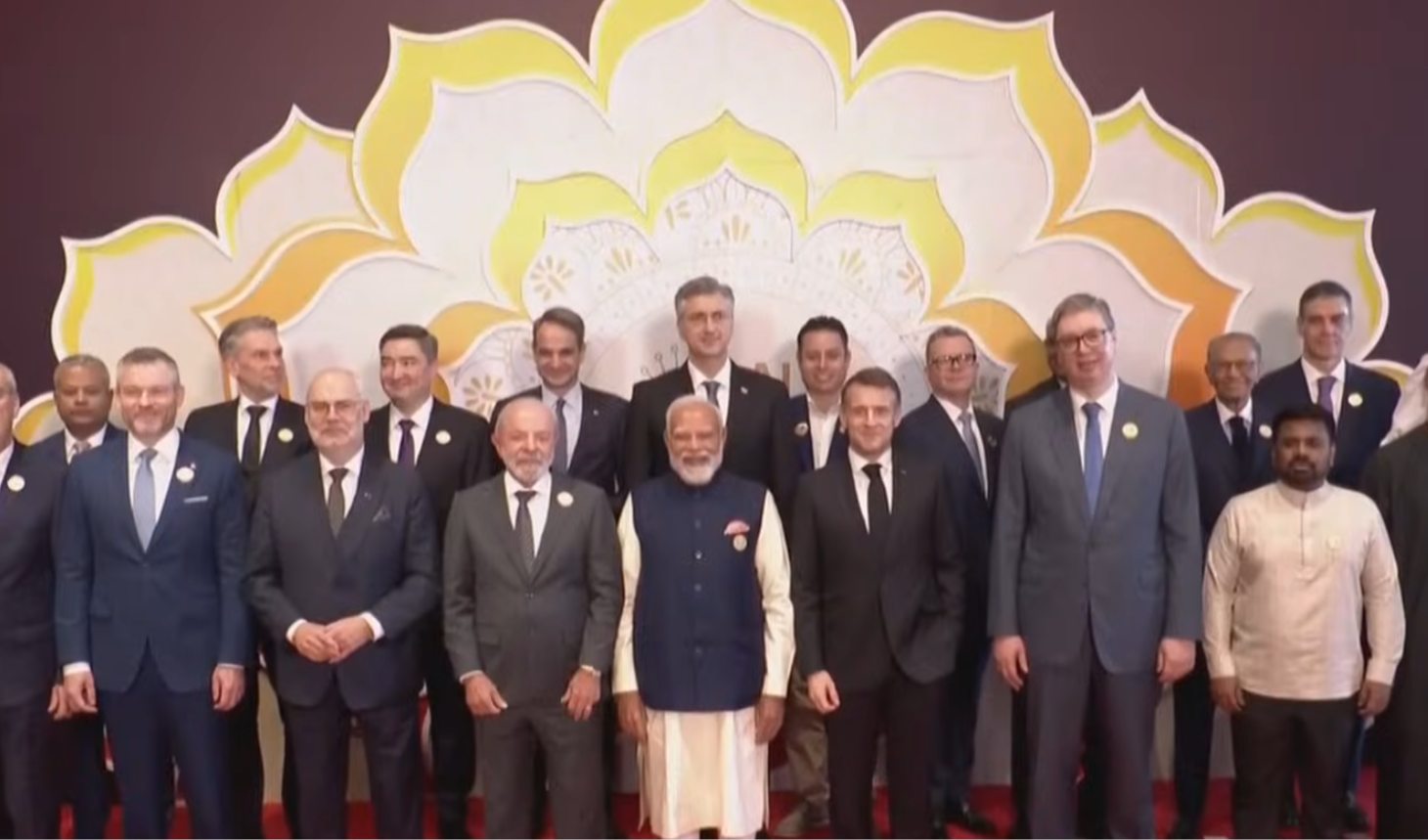
From the US and India to Singapore, Japan and ASEAN, governments are bringing AI leaders together as global competition accelerates. From Trump to Asia, Why World Leaders Are Bringing AI Leaders Into the Room By News National Editorial Team AI Is Becoming a Global Government Priority Artificial intelligence is no longer being treated simply as a technology-industry trend. In 2026, governments across the United States, Europe and Asia have increasingly brought technology executives, AI researchers and industry leaders into high-level discussions about the future of artificial intelligence. The trend was highlighted by U.S. President Donald Trump's September 29 White House AI meeting, which brought together 31 executives and government officials. Participants included Nvidia CEO Jensen Huang, Meta CEO Mark Zuckerberg, Google CEO Sundar Pichai, Anthropic CEO Dario Amodei and Microsoft CEO Satya Nadella. But the movement extends far beyond Washington. India Brings More Than 500 AI Leaders Together India held one of the year's largest AI gatherings through the India AI Impact Summit 2026 in New Delhi. The Indian government said the summit included more than 500 global AI leaders, including approximately 100 CEOs and founders, together with more than 20 heads of state and government and around 60 ministers and vice ministers. Prime Minister Narendra Modi also participated in a CEO roundtable. The summit focused on AI's impact on economic growth, social development, safety, human capital and innovation. Singapore Becomes an Asian AI Meeting Point Singapore has also emerged as an important meeting point for governments and technology companies. At ATxSummit 2026, government leaders from Asia, the Middle East and the United States met alongside technology and AI figures including representatives from OpenAI, Amazon and Nvidia. Singapore and Google also announced a new National AI Partnership aimed at expanding AI adoption, workforce development, enterprise innovation and secure AI deployment. The U.S.–ASEAN AI Ministerial was also held in Singapore, bringing ASEAN digital ministers together with U.S. officials and industry representatives from Amazon and Google to discuss AI development and governance. Japan and Malaysia Build an AI Partnership Japan is pursuing a different model: building direct government and industry cooperation with Southeast Asian countries. Japan and Malaysia established a Japan–Malaysia AI Platform in 2026. The platform is designed to connect Japanese and Malaysian companies, develop AI solutions for social challenges and strengthen cooperation on AI governance and security. Japan has also been working with Indonesia on AI talent development. A new project aims to strengthen Indonesia's AI workforce and build cooperation between government, universities and industry. Indonesia, the Philippines and Other Asian Countries The wider Asian region is also becoming part of this AI network. Japan invited AI policy officials from Indonesia, Malaysia, the Philippines, Cambodia, Thailand and Vietnam to study Japan's AI ecosystem and develop government–industry–academic connections. Japan and the Philippines have separately agreed to strengthen cooperation in advanced technologies including AI and digital technologies through public–private efforts. Meanwhile, ASEAN has been actively participating in global AI-governance discussions, including the 2026 World Artificial Intelligence Conference in Shanghai. G7 Also Brings AI CEOs to the Table The trend is equally visible in Europe. At the 2026 G7 Summit in Évian, France, a working lunch on the safe, rapid and effective deployment of AI brought together G7 countries, partner countries and business leaders. Participants included OpenAI's Sam Altman, Google DeepMind's Demis Hassabis, Anthropic's Dario Amodei, Meta's Alexandr Wang, Mistral AI's Arthur Mensch, Cohere's Aidan Gomez and Salesforce's Marc Benioff. Discussions included possible international cooperation on AI standards. Why Are Governments Doing This? The reason is that AI now touches almost every major part of the economy. Advanced AI requires: Powerful computer chips Huge data centers Reliable electricity Cloud infrastructure Cybersecurity Skilled workers Large-scale investment It also raises questions about safety, privacy, employment, national security and regulation. Governments therefore need the technology companies developing these systems at the policy table. A New Global AI Competition The emerging picture is larger than a series of individual meetings. The United States is focusing on AI leadership and infrastructure. India is building a major international AI platform. Singapore is positioning itself as a regional technology hub. Japan is developing AI partnerships across Southeast Asia. ASEAN is working on regional governance, while China is promoting its own international AI-governance discussions. At the same time, Europe and the G7 are looking at international standards and responsible AI deployment. The result is an increasingly interconnected global AI ecosystem in which governments, technology companies, researchers and investors are all becoming important participants. The Bigger Question The next stage of the AI race may not be determined only by which company builds the most powerful model. It could also depend on which countries have the chips, electricity, data centers, talent, investment and international partnerships needed to deploy AI at scale. From Washington and New Delhi to Singapore, Tokyo, Kuala Lumpur and Jakarta, governments are now making AI a central part of economic and technology policy. The global AI story is therefore no longer just about Silicon Valley. It is becoming a competition—and a cooperation effort—involving the entire world. global AI leaders 2026, Trump AI meeting, India AI Summit, Singapore AI, Japan AI, Malaysia AI, Indonesia AI, ASEAN AI, G7 AI, global AI governance

Why World Leaders Are Gathering With AI CEOs in 2026

World leaders are increasingly meeting AI CEOs to discuss technology, regulation, safety, investment and the future of artificial intelligence. Why World Leaders Are Gathering With AI CEOs The New Global Power Around Artificial Intelligence By News National Editorial Team From Washington to New Delhi, AI CEOs Are Now Sitting With World Leaders Artificial intelligence has moved from being a technology-industry issue to a major global economic and strategic priority. In 2026, governments and political leaders in the United States, India, France and the United Kingdom have increasingly brought senior AI executives into high-level discussions about the future of artificial intelligence. The trend was particularly visible when U.S. President Donald Trump hosted a White House AI luncheon attended by 31 executives and government officials, including Meta CEO Mark Zuckerberg, Nvidia CEO Jensen Huang, Google CEO Sundar Pichai, Anthropic CEO Dario Amodei, Microsoft CEO Satya Nadella and AMD CEO Lisa Su. OpenAI President Greg Brockman also attended. Why Are Governments Bringing CEOs Into the Room? The reason is simple: governments can create policy, but the world's largest technology companies control much of the infrastructure and expertise needed to develop advanced AI. The discussions now involve several major questions: AI safety, regulation, computer chips, data centers, electricity, cybersecurity, investment and international competition. At Trump's White House meeting, technology companies agreed to voluntary AI standards involving internal controls and independent auditing, while the administration continued to support rapid AI infrastructure expansion. G7: AI Becomes an International Issue The same trend appeared at the G7 summit in France, where President Trump and other officials held an AI working lunch with leading executives including OpenAI's Sam Altman, Google DeepMind's Demis Hassabis, Anthropic's Dario Amodei, Meta's Alexandr Wang, Mistral AI's Arthur Mensch, Cohere's Aidan Gomez and Salesforce's Marc Benioff. The discussions included the possibility of creating an international forum for AI standards and cooperation. India Takes a Major Role India hosted another significant gathering through the India AI Impact Summit 2026 in New Delhi. According to the Indian government, the summit brought together more than 500 global AI leaders, including around 100 CEOs and founders, alongside more than 20 heads of state and government and around 60 ministers and vice ministers. Prime Minister Narendra Modi also participated in a CEO roundtable. The summit focused on making AI more inclusive and accessible while addressing safety, governance, economic growth and the interests of the Global South. Britain Joins the Conversation The United Kingdom has also brought technology leaders into discussions about AI's future. King Charles III hosted senior representatives from companies including OpenAI, Anthropic, Google DeepMind and Nvidia in Scotland. The discussions focused on keeping AI under human control and ensuring that the technology benefits people, communities and the environment. A New Global AI Power Structure? These meetings point to an important change in the global technology landscape. AI companies are no longer simply building software products. Their technology increasingly affects national security, employment, cybersecurity, energy demand, education, healthcare, financial markets and international competition. That is why presidents, prime ministers, governments and even royalty are increasingly meeting directly with the people leading the AI industry. The central question for the coming years will be how governments and technology companies can balance rapid innovation with safety, accountability and public interest. From Trump's White House to India's AI summit, the message is increasingly clear: the future of artificial intelligence is becoming a global policy issue—not just a Silicon Valley story. AI CEOs 2026, Trump AI meeting, India AI Impact Summit, G7 AI summit, King Charles AI meeting, global AI regulation, AI leaders, artificial intelligence

Trump Meets Top Tech Leaders, Why America’s AI Future Was Discussed

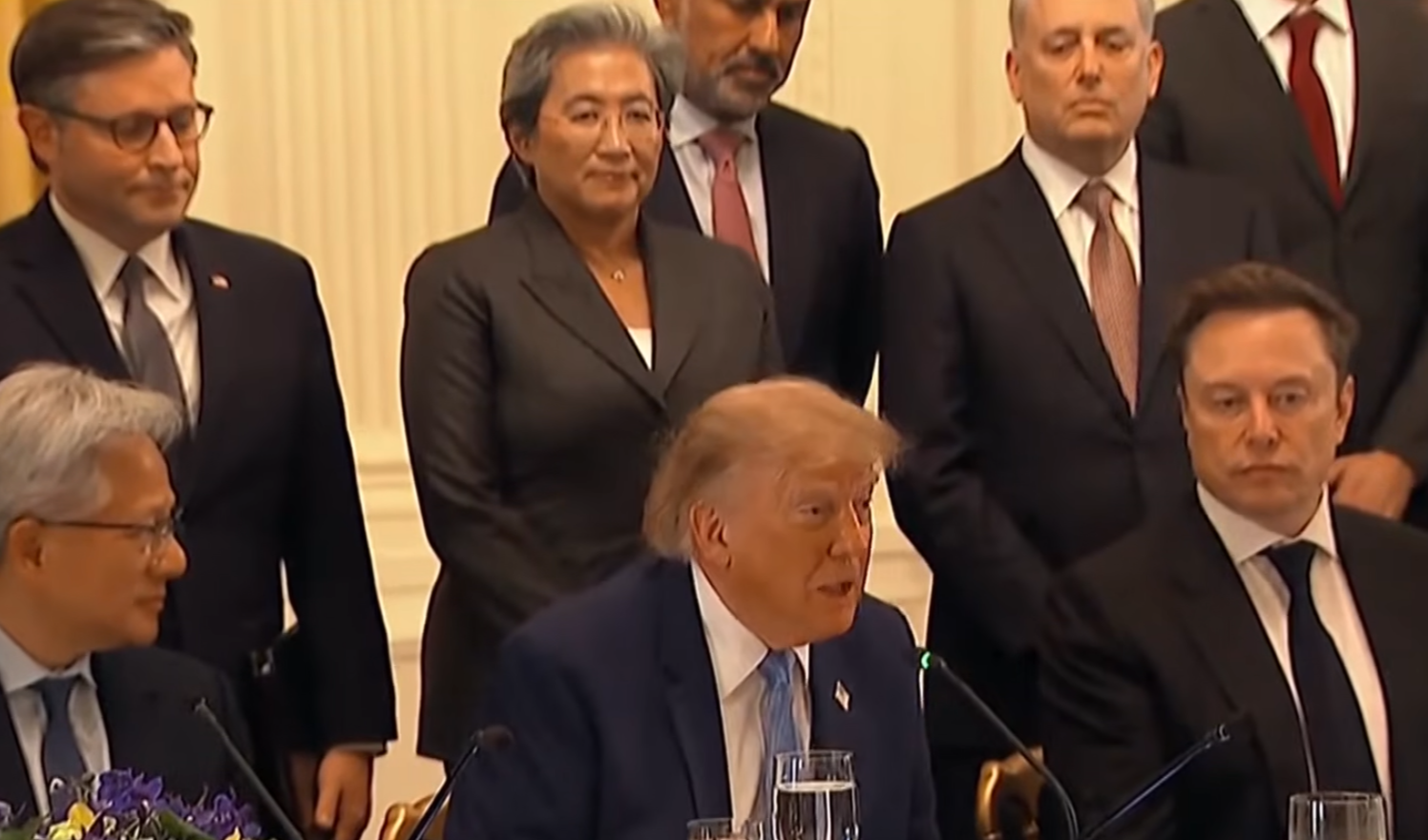
Trump gathered 31 tech leaders and officials at the White House to discuss AI safety, self-regulation, data centers and U.S. technology leadership. Trump Brings Top Tech Leaders Together at White House Why America’s AI Future Was Discussed By News National Editorial Team Trump Hosts Major AI and Technology Leaders U.S. President Donald Trump brought together some of America’s most influential technology and artificial intelligence leaders at the White House on September 29, 2026, for a high-profile discussion on the future of AI. The gathering had 31 confirmed attendees, including technology executives and senior U.S. government officials. Among the prominent technology leaders were Nvidia CEO Jensen Huang, Meta CEO Mark Zuckerberg, Google CEO Sundar Pichai, Anthropic CEO Dario Amodei, Microsoft CEO Satya Nadella, AMD CEO Lisa Su, Broadcom CEO Hock Tan, Palantir CEO Alex Karp and Palo Alto Networks CEO Nikesh Arora. Elon Musk and Amazon founder Jeff Bezos were also among the attendees. OpenAI was represented by President Greg Brockman, as CEO Sam Altman was attending the company's conference in San Francisco. Why Did Trump Call the Meeting? The central discussion focused on AI safety, innovation, self-regulation and the rapid expansion of AI infrastructure. Trump backed a voluntary agreement under which participating technology companies would strengthen internal AI controls and work with independent auditors. The agreement is not a legally binding federal regulation. The meeting also highlighted the growing demand for AI data centers and computing infrastructure. Trump has supported expanding these facilities as the United States competes internationally in advanced technology, particularly with China. Why It Matters The gathering shows how artificial intelligence has become a major U.S. economic and strategic issue involving technology, cybersecurity, energy, investment and national competitiveness. With leading companies developing AI models, chips, cloud infrastructure and data centers, decisions made by Washington and the technology industry could influence how quickly AI develops—and how it is governed—in the United States. Trump AI meeting, Trump tech CEOs, AI leaders White House, Jensen Huang, Mark Zuckerberg, Sundar Pichai, Dario Amodei, AI safety, US AI

France's Mistral Unveils New AI Model as Global Competition Intensifies

French AI company Mistral has launched a new model as Europe seeks a stronger position in the global artificial intelligence race. France's Mistral Unveils New AI Model in Challenge to Chinese Rivals By News National Editorial Team Published: October 6, 2026Category: Technology | Artificial Intelligence | Europe French artificial intelligence company Mistral has unveiled a new AI model as European technology companies seek to compete with increasingly powerful American and Chinese AI systems. Mistral's chief executive said the new model performs better than some Chinese competitors in certain areas, according to Reuters. Europe's AI ambitions The launch highlights Europe's growing effort to develop its own artificial-intelligence capabilities instead of relying entirely on technology developed in the United States or China. European governments have increasingly treated AI as both an economic opportunity and a strategic issue. The technology is expected to influence productivity, defence, cybersecurity, healthcare, education and financial services. Competition is becoming global The AI industry is no longer dominated by a small group of US companies. Chinese developers are rapidly advancing their own models, while European companies such as Mistral are trying to establish a position in the international market. The competition is increasingly focused on model performance, computing infrastructure, energy consumption, enterprise adoption and access to high-quality data. Why smaller models matter AI competition is also moving beyond the largest general-purpose systems. Companies are developing models that can be deployed more efficiently, integrated into business applications and operated with greater control over data. That could be particularly important for European governments and companies concerned about technological sovereignty. What happens next The success of Mistral's latest model will ultimately depend on independent testing, business adoption and the ability to compete on cost as well as performance. The broader AI race is increasingly becoming a contest between technology companies, countries and regional ecosystems. Source: Reuters. Mistral AI, artificial intelligence, France AI, China AI, Europe AI, AI technology 2026

Global Oil Supply Buffers Shrinks as Middle East Conflict Continues

Global oil and fuel buffers are tightening as the Middle East conflict enters its eighth month, raising concerns over energy security. By News National Editorial Team Published: October 6, 2026Category: World Affairs | Energy | Business The global oil market is facing a growing supply-buffer problem as the Middle East conflict continues into its eighth month. Chevron CEO Mike Wirth said the energy system has become more fragile, with accessible oil and refined-fuel reserves becoming increasingly limited. He said the physical price of oil delivered into Asia is considerably higher than the headline Brent benchmark. Why the situation matters Brent crude was trading around the psychologically important $100-a-barrel level on October 6, although prices fell as increased Middle Eastern exports eased some immediate supply concerns. The apparent stability in crude prices does not necessarily mean the underlying energy market is comfortable. Shipping risks, insurance costs, refined-product shortages and regional security concerns can push the price consumers pay for petrol, diesel and other fuels higher even when benchmark crude prices remain relatively stable. Strategic reserves being used The G7 has agreed to release around 100 million barrels of crude and diesel from strategic reserves in an effort to increase market supply and reduce pressure on consumers and industry. However, the use of emergency stockpiles also reduces the amount of spare inventory available for a future disruption. Asia faces particular risks Asian economies are especially sensitive to Middle East energy developments because many countries depend heavily on imported oil and refined fuels. Higher energy costs can affect transportation, manufacturing, electricity generation and household budgets. Why it matters for India India is one of the world's major oil-importing economies. A prolonged period of high physical oil prices could put pressure on the rupee, inflation and the country's import bill. The effect will depend on the duration of the disruption, global crude availability and how quickly shipping routes and refining supplies normalise. Source: Reuters reporting and energy-market data. global oil prices, Middle East oil crisis, energy security, Brent crude, oil supply 2026, global fuel prices

Ukraine Launches Nearly 900 Drones at Russia as Moscow Braces for Further Air Attacks

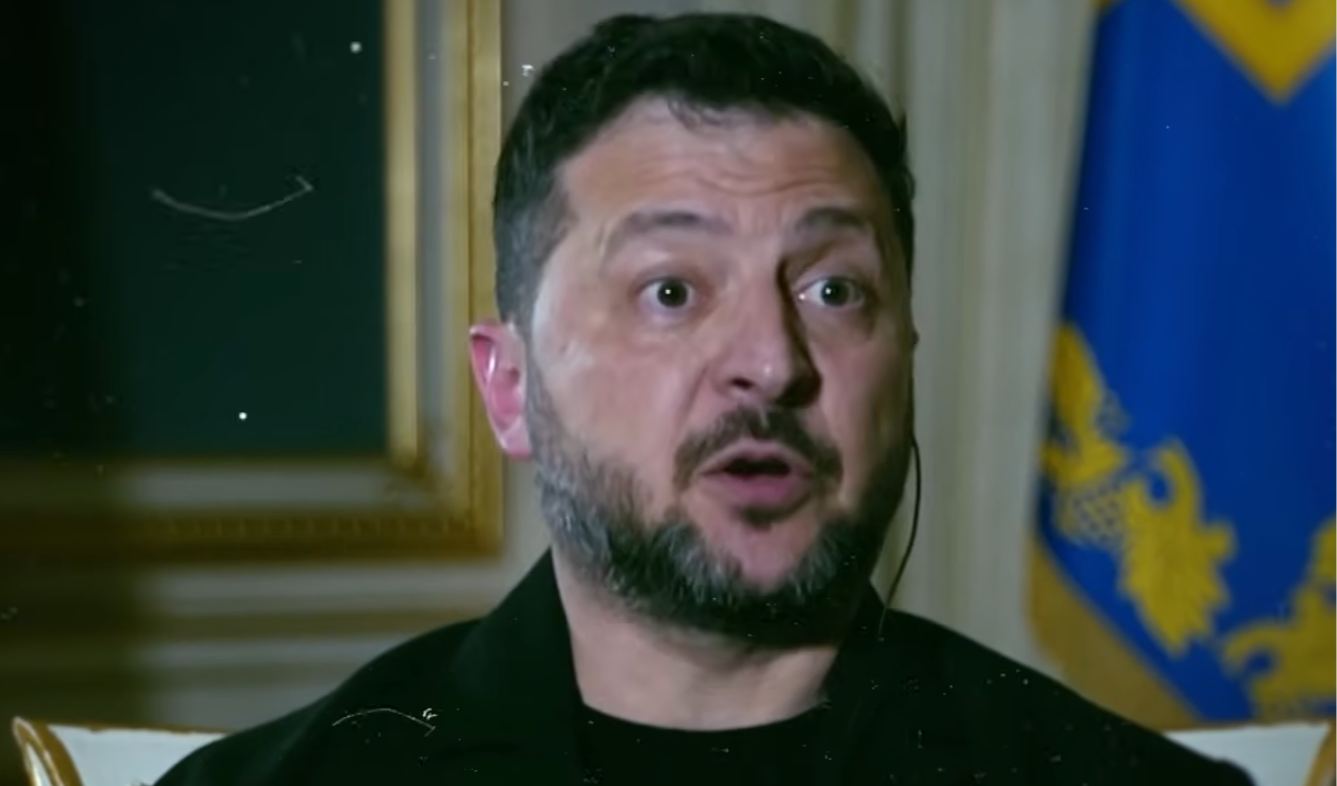
Ukraine launched nearly 900 drones at Russia as Kyiv warned of a possible major Russian aerial attack. By News National Editorial Team Published: October 6, 2026Category: World Affairs | Russia-Ukraine War Ukraine launched a major wave of drone attacks against Russia on October 6, with Russian authorities reporting that nearly 900 Ukrainian drones were intercepted over multiple regions, occupied Crimea and the Sea of Azov. The reported attacks come as Ukraine prepares for what President Volodymyr Zelenskyy has warned could be another major Russian aerial assault. Large-scale drone warfare Russia's Defence Ministry said its air-defence systems intercepted the majority of the drones. More than 700 were reportedly directed toward the Moscow area, according to Russian statements cited by the Associated Press. Unconfirmed reports also indicated that a fuel depot in the Moscow region was hit and that two people were killed. Ukraine has increasingly relied on domestically produced long-range drones and missiles to strike targets deep inside Russian territory. Energy infrastructure remains a major target The latest escalation is part of a broader campaign targeting energy and military infrastructure. Ukraine has sought to damage Russia's oil-refining and fuel infrastructure, while Russia continues to attack Ukrainian energy facilities, ports and other infrastructure. The attacks are therefore becoming an important part of the economic dimension of the war, affecting fuel availability, logistics and government finances. Kyiv expects another Russian attack Ukrainian authorities are also preparing for further Russian aerial attacks. Concerns over supplies of air-defence interceptors, including Patriot missiles, have increased as the war continues. Why it matters The latest drone exchange demonstrates how long-range unmanned weapons have changed the battlefield. Neither side needs to rely exclusively on conventional aircraft to strike targets hundreds of kilometres away. This increases the geographical reach of the conflict and raises risks for energy infrastructure and civilian areas. Source: Associated Press reporting based on statements from Russian and Ukrainian authorities. Ukraine Russia war 2026, Ukraine drone attack, Russia drone attack, Zelenskyy, Russia Ukraine latest news

Andhra Pradesh Seeks Extra Power as Night Time Electricity Supply Tightens

Andhra Pradesh is seeking additional power as India faces tighter night-time electricity supplies and weaker hydropower generation. By News National Editorial Team Published: October 6, 2026Category: Andhra Pradesh | Energy | India Andhra Pradesh is among several Indian states seeking additional electricity supplies as power availability becomes tighter during night-time hours, according to officials cited by Reuters. States including Rajasthan, Gujarat, Maharashtra, Tamil Nadu, Andhra Pradesh, West Bengal, Uttar Pradesh and Chhattisgarh have sought additional allocations from the Centre. Why is power supply under pressure? India has rapidly increased renewable-energy generation, particularly solar power. However, solar generation falls sharply after sunset, while electricity demand can remain high during the evening and night. The situation has also been affected by weaker hydropower generation and maintenance at some power plants. According to information reported by Reuters, India's power shortage reached about 560 million kilowatt-hours in September, the highest monthly shortage since August 2023. Why Andhra Pradesh is affected Andhra Pradesh has a large agricultural sector as well as growing industrial and urban electricity demand. Reliable electricity is particularly important for farmers using irrigation pumps, manufacturing units and households. The state's request for additional supply reflects the wider challenge facing India's power system: ensuring enough electricity when renewable generation is unavailable. Storage becomes increasingly important India's energy transition is changing the nature of the electricity challenge. Solar generation can produce substantial power during daylight hours, but the country needs additional generation, storage or grid-management capacity to meet demand after sunset. Battery energy-storage projects are therefore becoming increasingly important to India's electricity planning. What happens next? The availability of additional electricity will depend on central allocations, generation levels and demand during peak periods. Consumers should follow announcements from their local electricity distribution companies for information about planned maintenance or supply interruptions. News National Analysis The issue is not simply about how much electricity India can generate. Increasingly, it is about when that electricity is available. For Andhra Pradesh and other states, investment in storage, transmission and flexible generation could become just as important as adding new renewable capacity. Source: Reuters reporting based on government officials and power-sector information. Andhra Pradesh power supply, AP electricity, India power shortage, electricity news, renewable energy India

India Services Growth Hits Three Month High but Quarterly Growth Weakens

India's services sector accelerated in September, but quarterly expansion remained at its weakest level in more than four years. India Services Growth Reaches Three Month High but Quarterly Expansion Weakens By News National Editorial Team Published: October 6, 2026Category: Business | Economy | India India's services sector recorded its fastest monthly growth in three months during September, supported by stronger demand across financial, consumer and digital services. However, the broader quarterly performance was considerably weaker, with growth falling to its lowest level in more than four years, according to a business survey reported by Reuters. A mixed picture for India's economy The latest figures present two different signals. September showed an improvement in business activity, suggesting that demand remained relatively resilient. At the same time, the weaker quarterly performance indicates that the recovery has not been uniform. Why services matter Services are a major component of India's economy and include: Information technology Banking and financial services Telecommunications Professional services Retail Digital businesses Transport and logistics Growth in these industries can influence employment, corporate investment and consumer spending. Digital services remain important The continued contribution from digital services highlights how technology is becoming increasingly integrated into India's wider economy. Indian companies are expanding their use of cloud platforms, artificial intelligence, digital payments and online services, creating new opportunities while also changing traditional business models. What investors will watch Markets will look beyond one month's data and assess whether stronger September activity continues through the final quarter of 2026. Employment, new business orders, input costs and international demand will remain important indicators. News National Analysis The latest services data should be viewed as mixed rather than simply positive or negative. September's improvement is encouraging, but the weak quarterly performance means businesses and policymakers will still be watching for evidence of sustained momentum. Source: Reuters, reporting on the latest services-sector survey. India services growth, India PMI 2026, Indian economy, services sector India, business news India

Telangana Commissions First Indoor 33/11 kV Substation in Karimnagar

Telangana commissions its first indoor 33/11 kV substation in Karimnagar at a reported cost of ₹6.92 crore. By News National Editorial Team Published: October 6, 2026Category: Telangana | Infrastructure | Technology Telangana's Northern Power Distribution Company Limited has commissioned its first indoor 33/11 kV electrical substation in Karimnagar, marking a move toward more space-efficient power infrastructure in urban areas. The project was developed at a reported cost of ₹6.92 crore and was technically commissioned on Tuesday. Why an indoor substation? Conventional electrical substations generally require significant open space. As cities expand, finding suitable land for new electricity infrastructure can become increasingly difficult and expensive. An indoor substation can help utilities use limited urban land more efficiently. What does 33/11 kV mean? The voltage levels refer to stages within the electricity distribution network. Power is delivered through higher-voltage networks and then stepped down at substations before being distributed to consumers at lower voltages. A 33/11 kV substation therefore forms an important link in the local distribution system. Why Karimnagar matters Karimnagar has experienced continued urban and commercial development, increasing the need for reliable electricity infrastructure. Modernising substations can help utilities respond to growing electricity demand while working within land constraints. A wider infrastructure challenge Electricity demand is rising across Indian cities because of expanding residential areas, commercial activity, industries and greater use of electrical equipment. Utilities therefore need to expand capacity while making better use of existing urban land. News National Analysis The Karimnagar project represents a relatively small infrastructure development compared with major power-generation projects, but its significance lies in the urban distribution model. Space-efficient substations could become increasingly useful as Indian cities become more densely developed. Source: Times of India reporting on TGNPDCL's commissioning announcement. Telangana power news, Karimnagar substation, TGNPDCL, 33/11 kV substation, Telangana infrastructure

Supreme Court Refuses Interim Relief in Andhra Pradesh Local Poll Case

The Supreme Court declined interim relief in the Andhra Pradesh local election case and will hear the matter on October 9. Supreme Court Refuses Interim Relief in Andhra Pradesh Local Poll Case By News National Editorial Team Published: October 6, 2026Category: Andhra Pradesh | Politics | Elections The Supreme Court has declined to grant interim relief in a case concerning the timing of local-body elections in Andhra Pradesh, while agreeing to hear the matter on October 9. The petition challenges the process concerning voter-list revision and the conduct of local elections. What is the dispute? The petitioners have sought elections only after completion of the Special Intensive Revision of voter lists and preparation of revised electoral rolls. The Supreme Court did not grant the requested interim relief at this stage. The bench also observed that there was no apparent bar on conducting local-body elections using the existing electoral rolls, according to the report. Why the October 9 hearing matters The next hearing could provide greater clarity on the legal challenge and the process for the elections. The case comes at a time when local governance and reservation issues remain important political subjects in Andhra Pradesh. What voters should do Until the election authorities issue official notifications, voters should rely on the State Election Commission and official government announcements for dates, polling arrangements and electoral-roll information. News National Editorial Note The Supreme Court's refusal to grant interim relief should not be interpreted as a final decision on all issues raised in the petition. The substantive legal questions remain before the court. Source: Times of India report on the Supreme Court proceedings. Andhra Pradesh local elections, AP local polls 2026, Supreme Court AP elections, voter list SIR, Andhra Pradesh politics

Supreme Court Asks AP High Court to Monitor Polavaram Child Death Probe

The Supreme Court directed the Andhra Pradesh High Court to monitor the investigation into a child's death in Polavaram. Supreme Court Asks AP High Court to Monitor Polavaram Child Death Probe By News National Editorial Team Published: October 6, 2026Category: Andhra Pradesh | Health | India The Supreme Court has directed the Andhra Pradesh High Court to monitor the investigation into the death of a seven-year-old girl in Polavaram following an anti-malaria campaign. The case concerns the administration of chloroquine during a public-health campaign. Other villagers reportedly experienced similar symptoms, while the child's death is being investigated. What happened? According to reports, the child, Madivi Jamuna, from Gollaguppa village in Polavaram, died on September 2 after being taken to hospital. Reports said several other villagers, including children, were also hospitalised after receiving the medication. Why the court intervened The Supreme Court has called for monitoring by the Andhra Pradesh High Court to ensure that the investigation is conducted properly. Authorities are awaiting laboratory findings, including forensic examination, which could help establish what happened to the medicine involved. No conclusion before investigation The investigation is still ongoing. It would be premature to conclude that the medicine itself caused the death or that negligence occurred until medical and forensic evidence is examined. Public-health lessons The incident highlights the importance of: Correct medicine identification Proper dosage Medical supervision Safe storage and distribution Monitoring patients after treatment Prompt investigation of adverse reactions News National Editorial Note Because this case involves a child's death and an ongoing investigation, News National will distinguish between reported allegations, official findings and established facts. Any later laboratory, investigative or judicial findings should be considered before drawing conclusions. Sources: Indian Express reporting and court-related information. Polavaram child death, Andhra Pradesh High Court, Supreme Court India, Polavaram malaria campaign, AP health news

India Switzerland Relations, Defence, Nuclear Energy and Trade

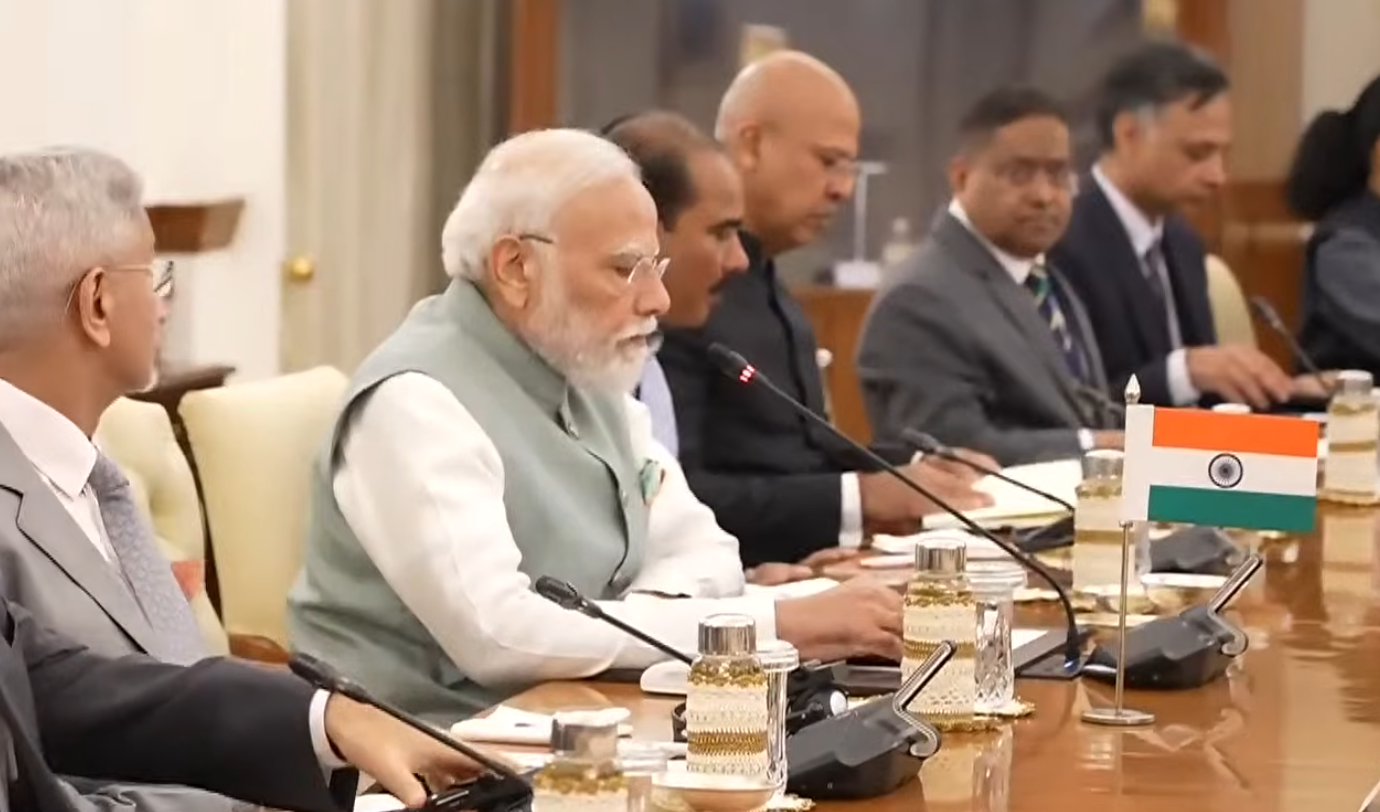
India and Switzerland are strengthening cooperation in defence, nuclear energy, trade, investment and professional mobility. India and Switzerland Strengthen Defence, Nuclear Energy and Trade Ties By News National Editorial Team Published: October 6, 2026Category: India | World | Business India and Switzerland are expanding cooperation in defence, nuclear energy, trade, investment and professional mobility, as both countries look to deepen their long-term strategic and economic relationship. Swiss President Guy Parmelin's visit to India has led to new discussions and agreements covering several areas of bilateral cooperation. (indianexpress.com) Young professionals and mobility One important area is professional mobility. India and Switzerland have agreements designed to provide opportunities for young professionals and students to gain experience in each other's countries. Such arrangements can support international skills development and strengthen people-to-people connections. Nuclear energy cooperation Nuclear power is also becoming an important area of cooperation. India is seeking to expand nuclear generation as part of its long-term energy strategy, while Switzerland has expertise in nuclear technology and related scientific fields. Trade and investment The two countries are also working to strengthen commercial ties. Potential areas of cooperation include: Technology Pharmaceuticals Biotechnology Engineering Infrastructure Financial services Advanced manufacturing The broader India-EFTA economic relationship could provide additional opportunities for investment and trade. Why it matters India is seeking greater investment, technology partnerships and access to international markets. Switzerland, meanwhile, offers expertise and investment capacity in several high-value industries. The relationship is therefore moving beyond traditional trade toward technology, energy, skilled mobility and strategic industries. News National Takeaway Stronger India-Switzerland cooperation could create new opportunities for Indian businesses, professionals and technology sectors while supporting India's wider engagement with European economies. Source: Indian Express reporting and government-related information. (indianexpress.com) India Switzerland relations, India Switzerland trade, nuclear energy India, Switzerland investment India