Explore Saudi Arabia vs Iran, their oil wealth, military influence, Strait of Hormuz, regional rivalry and latest diplomatic developments in 2026.
Oil wealth, strategic geography, military influence and political rivalry make Saudi Arabia and Iran two of the most important players in Middle Eastern affairs.
The Middle East is home to some of the world's most strategically important countries, and Saudi Arabia and Iran stand among its most influential regional powers. Both countries possess enormous energy resources, occupy critical geographical positions and play significant roles in shaping regional security, diplomacy and international energy markets.
Although they share important economic and geographical interests, their political rivalry has influenced conflicts, alliances and diplomatic developments across the region for decades.
Their relationship has experienced periods of confrontation as well as diplomatic cooperation. In 2026, renewed regional conflict has once again placed their relationship under international scrutiny.
Saudi Arabia: An influential Arab and Islamic power
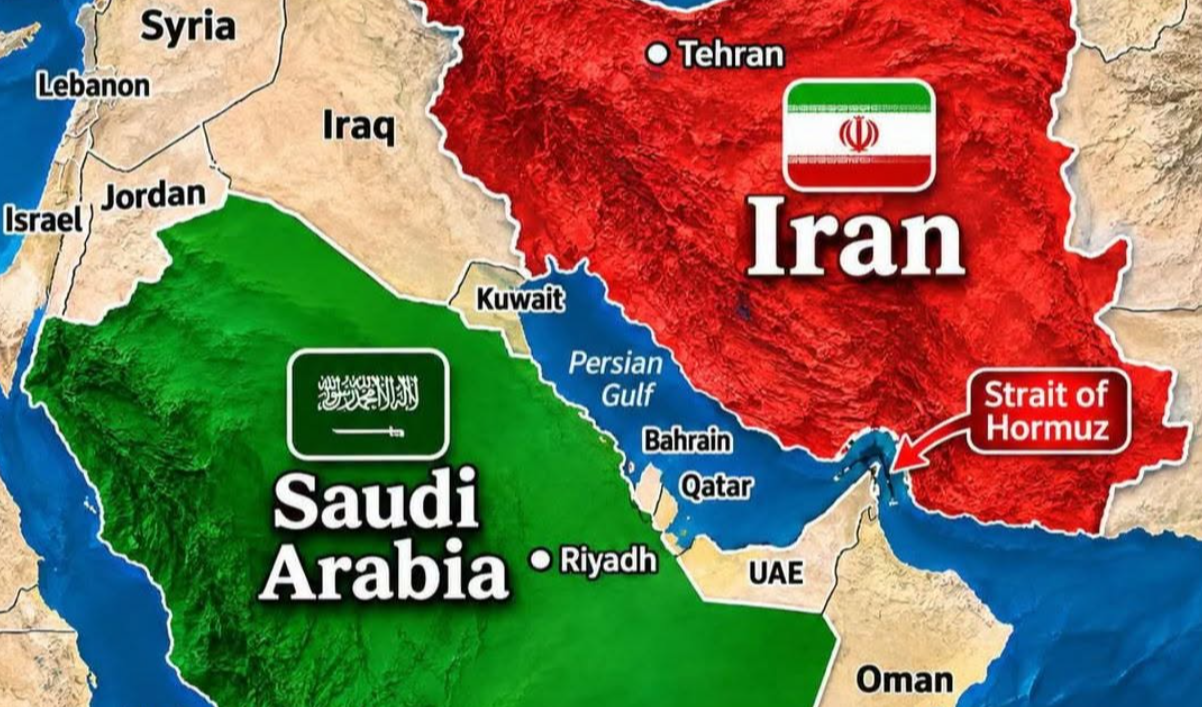
Saudi Arabia is the largest country on the Arabian Peninsula and occupies a strategically important position between the Red Sea and the Persian Gulf.
The country is home to Mecca and Medina, the two holiest cities in Islam. Their religious significance gives Saudi Arabia an important position in the Muslim world, attracting millions of pilgrims for Hajj and Umrah.
Saudi Arabia is also one of the world's leading oil-producing countries and holds substantial proven petroleum reserves.
Beyond its energy resources, the kingdom is pursuing an ambitious economic transformation through Vision 2030, a national development programme launched in 2016.
The initiative aims to reduce dependence on oil revenues and expand sectors such as tourism, technology, entertainment, manufacturing, renewable energy and international investment.
Under Crown Prince Mohammed bin Salman, Saudi Arabia has also sought to strengthen its international diplomatic and economic relationships.
Iran: A major geopolitical and energy power
Iran is located in southwestern Asia and has coastlines along the Persian Gulf, Gulf of Oman and Caspian Sea.
Its geographical position makes it strategically important for regional trade, energy transportation and military security.
Iran possesses some of the world's largest proven oil and natural gas reserves. According to the US Energy Information Administration, Iran ranked among the world's leading countries in both oil and natural gas reserves.
One of Iran's most significant strategic advantages is its proximity to the Strait of Hormuz, a narrow maritime passage connecting the Persian Gulf with the Gulf of Oman and the Arabian Sea.
Iran also maintains considerable regional influence through its diplomatic relationships, military capabilities and partnerships with regional armed groups.
International sanctions, economic challenges and longstanding tensions with Western countries have affected its economy and international relations.
Why are Saudi Arabia and Iran rivals?
The rivalry between Saudi Arabia and Iran is rooted in several overlapping factors, including political competition, regional security concerns, religious differences and competing visions of influence in the Middle East.
Saudi Arabia is predominantly associated with Sunni Islam, while Iran is governed by a Shia Islamic political system.
However, their rivalry cannot be explained by religious differences alone. Strategic interests, national security, regional leadership and political ideology are also important factors.
Both countries have sought to protect their interests and strengthen their influence in neighbouring countries, including Yemen, Iraq, Lebanon and Syria.
Their competing regional relationships have contributed to tensions and complicated efforts to establish lasting peace in parts of the Middle East.
The Strait of Hormuz: Why the world is watching
One of the most important geographical features connecting the interests of Saudi Arabia and Iran is the Strait of Hormuz.
According to the International Energy Agency (IEA), an average of approximately 20 million barrels per day of crude oil and petroleum products passed through the strait in 2025, representing around 25% of global seaborne oil trade.
This makes the waterway one of the world's most important energy transportation routes.
Any disruption to shipping through the Strait of Hormuz could affect international oil supplies, transportation costs, fuel prices and global economic stability.
Although Saudi Arabia has alternative export infrastructure, including routes to the Red Sea, the region's dependence on maritime energy transportation makes the security of this passage extremely important.
2023 diplomatic agreement: A temporary opening for peace
After years of diplomatic tensions, Saudi Arabia and Iran agreed to restore diplomatic relations in March 2023 under an agreement facilitated by China.
The agreement raised hopes of improved regional stability and greater cooperation.
Both countries took steps towards rebuilding diplomatic contacts after seven years of severed relations.
However, the rapprochement remained fragile because of continuing disagreements over regional security and political influence.
2026: Regional conflict puts relations under pressure
The situation has become considerably more complicated in 2026.
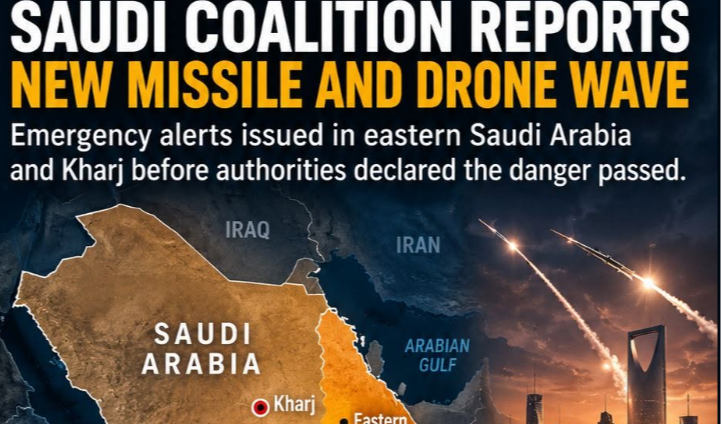
The wider US-Israeli war involving Iran, which began in late February 2026, has increased security concerns across the Gulf region.
Reuters reported in March that Saudi Arabia expelled Iran's military attaché and several embassy staff members, accusing Iran of continued missile and drone attacks on Saudi territory.
A separate Reuters investigation published in May reported that Saudi Arabia had carried out previously unpublicised retaliatory strikes against Iran during the regional conflict.
Despite these tensions, diplomatic channels have not completely disappeared.
In a report published on November 3, 2026, Reuters said Iranian Foreign Minister Abbas Araqchi confirmed that discussions with Saudi Arabia were continuing.
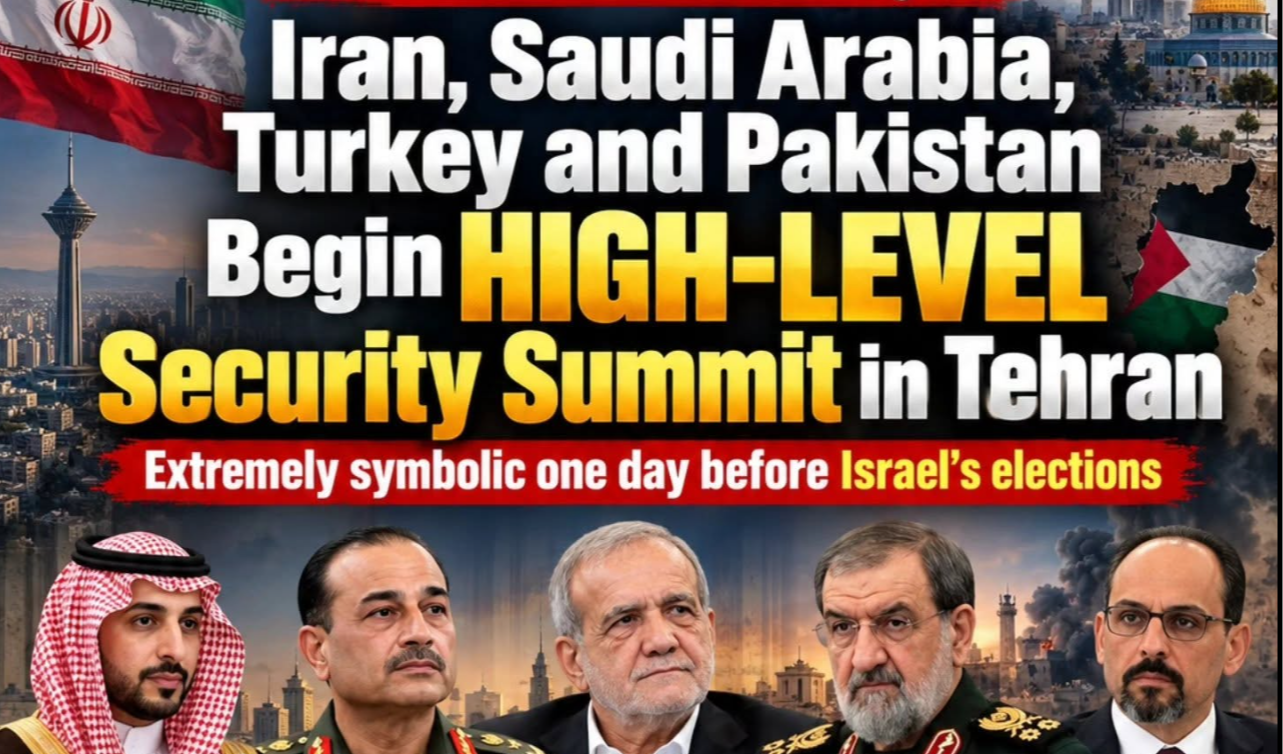
Senior officials from Saudi Arabia, Turkey and Pakistan had also met Iranian officials in Tehran as part of efforts to prevent another escalation.
Riyadh described the diplomatic engagement as an effort to open negotiating channels and prevent renewed military escalation.
These developments demonstrate that even amid serious security tensions, regional powers continue to recognise the importance of diplomacy.
Saudi Arabia vs Iran: Key differences
| Category |
Saudi Arabia |
Iran |
| Capital |
Riyadh |
Tehran |
| Region |
Arabian Peninsula |
Southwestern Asia |
| Major religion |
Sunni Islam |
Shia Islam |
| Political system |
Monarchy |
Islamic Republic |
| Energy resources |
Major oil reserves |
Major oil and gas reserves |
| Strategic waterway |
Red Sea and Persian Gulf |
Strait of Hormuz and Gulf of Oman |
| Economic strategy |
Vision 2030 diversification |
Diversification under sanctions and economic constraints |
| Regional influence |
Gulf and Arab world |
Gulf and wider regional networks |
Why their relationship matters to the world
The relationship between Saudi Arabia and Iran extends far beyond their national borders.
Their decisions can influence international oil markets, maritime transportation, regional security, diplomatic negotiations and the economic stability of neighbouring countries.
For major energy-importing economies, including India, developments in the Gulf are particularly important because disruptions to oil and shipping routes can affect energy costs and trade.
India also maintains significant economic and strategic interests in the wider Middle East, making regional stability an important international concern.
Ultimately, Saudi Arabia and Iran are not simply neighbouring countries competing for influence. They are two major regional powers whose relationship has the potential to shape the future political and economic landscape of the Middle East.
Whether they move towards cooperation or renewed confrontation will remain an important question for regional and international observers.
By News National Editorial Team