
Language Settings
Select Website Language

GDPR Compliance

We use cookies to ensure you get the best experience on our website. By continuing to use our site, you accept our use of cookies, Privacy Policy, and Terms of Service.

Filters

Channels
Topics
Other Filters

India's Forex Reserves Fall $18.34 Billion to $747.56 Billion

India's forex reserves fell $18.34 billion in the week ended September 25. Here's what the decline means for the rupee and economy India's Forex Reserves Fall $18.34 Billion in One Week to $747.56 Billion MUMBAI, October 3, 2026: India's foreign exchange reserves declined by $18.343 billion during the week ended September 25, according to Reserve Bank of India data cited by The Economic Times. Total reserves stood at approximately $747.56 billion, marking the third consecutive weekly decline. The reserves had reached a record level of about $785.71 billion on September 4, meaning the decline over the subsequent three weeks was about $38.15 billion. What Are Forex Reserves? Foreign exchange reserves are assets held by a country's central bank and monetary authorities. They provide a buffer against external financial shocks and help support confidence in the country's ability to meet international payment obligations. India's reserves include foreign-currency assets, gold, special drawing rights and its reserve position with the International Monetary Fund. Foreign-Currency Assets Lead the Decline According to the data cited by The Economic Times, India's foreign-currency assets declined by about $15.57 billion during the reporting week. Gold reserves also declined by approximately $2.59 billion. What Does This Mean for the Rupee? Market participants cited by The Economic Times linked the fall partly to intervention by the Reserve Bank of India in foreign-exchange markets. The RBI itself does not necessarily attribute every weekly movement in reserves to a single factor; valuation changes in currencies and gold can also affect the reported figures. Why Oil Prices Matter India imports substantial quantities of crude oil. When international oil prices rise, Indian importers need more dollars to pay for energy purchases. That can increase pressure on the currency and the external account. This is particularly relevant while global energy markets remain volatile. Should Consumers Be Concerned? A decline in reserves does not automatically mean an economic crisis. India continues to hold a very large reserve stockpile by international standards. The more important issue is the direction and persistence of the movement, together with currency conditions, oil prices, capital flows and external trade.

AI's $30 Trillion Race: The Future of Artificial Intelligence Investment

Global AI infrastructure spending could reach $30 trillion by 2050. Here's why investors are watching AI returns, productivity and jobs.AI's $30 Trillion Infrastructure Race: Can the Technology Boom Generate Enough Returns? SAN FRANCISCO / LONDON, October 3, 2026: Artificial intelligence has entered a new phase in which the biggest question is no longer simply what AI can do, but whether the enormous investment required to build its infrastructure can ultimately generate sufficient economic returns. Reuters reported on October 3 that cumulative global spending on data centres could exceed $30 trillion by 2050, citing a PwC projection. The scale reflects spending on computing infrastructure required to train and operate increasingly powerful AI systems. Why AI Requires So Much Capital Modern AI systems depend on large computing clusters, advanced processors, electricity, cooling systems and high-speed networking. As AI models become larger and more capable, companies are competing to secure computing capacity. This has created demand for new data centres and associated energy infrastructure. The Investment Challenge The enormous investment numbers also raise a basic economic question: how much revenue will AI applications eventually generate? Reuters reported that Bain & Company estimates AI infrastructure builders would need to generate more than $4.2 trillion in additional revenue within five years to justify current levels of investment. That does not mean the investment will necessarily fail. It illustrates the scale of future revenue that investors are implicitly expecting. AI and Productivity Supporters of the technology expect AI to improve productivity across software development, research, healthcare, finance, manufacturing and other industries. Economists, however, note that large technological investment cycles do not automatically produce immediate economy-wide productivity gains. The timing of those benefits remains uncertain. What It Means for Jobs AI is already changing the structure of knowledge work. Routine analytical and administrative tasks can increasingly be automated or accelerated, while demand is growing for workers who can build, deploy and manage AI systems. The result could be a substantial change in the skills employers require. India's Opportunity India has a large technology workforce and a substantial IT-services industry. AI creates opportunities in software development, data engineering, cybersecurity, cloud computing and AI services. At the same time, automation may put pressure on traditional outsourcing models. The key issue for India's technology industry will be how quickly companies move from labour-intensive services toward higher-value AI-enabled services. The Big Question The AI boom is backed by unprecedented investment, but the final economic outcome will depend on whether businesses and consumers adopt AI at a scale capable of supporting the infrastructure being built. The next phase of the AI story will therefore be measured not only in model performance, but also in productivity, revenue and sustainable business use.

India Saudi Arabia Relations Expand Beyond Oil as Vision 2030 Advances

India and Saudi Arabia are expanding cooperation in investment, technology, infrastructure, healthcare, manufacturing and energy. India and Saudi Arabia Deepen Economic Partnership as Riyadh Pushes Vision 2030 NEW DELHI, October 3, 2026: India and Saudi Arabia are expanding their economic relationship beyond traditional energy trade as Riyadh pursues its Vision 2030 programme and seeks to diversify its economy. For decades, oil and the large Indian workforce in Saudi Arabia have been central to bilateral relations. Increasingly, cooperation is extending into technology, infrastructure, manufacturing, healthcare, mining, logistics, finance and investment. From Oil to a Wider Economic Partnership Saudi Arabia's Vision 2030 seeks to reduce the country's dependence on hydrocarbons and develop new economic sectors. That creates areas of potential cooperation with Indian companies and institutions, particularly in technology, construction, pharmaceuticals, healthcare, food security, financial services and infrastructure. India, meanwhile, remains an important market for Saudi energy exports and a major source of skilled and professional workers. Investment Is Becoming More Important The two countries have been working through their Strategic Partnership Council and related investment mechanisms to expand bilateral economic cooperation. An official Indian government statement has highlighted cooperation across defence, security, energy, trade, investment, technology, agriculture, culture, healthcare and education. It also noted the importance of investment flows between the two countries. Why India Matters to Vision 2030 India's large consumer market, technology sector, manufacturing base and expanding infrastructure ecosystem make it a significant potential partner for Saudi Arabia's economic diversification. Indian companies can also find opportunities as Saudi Arabia develops new cities, tourism infrastructure, logistics networks and industrial projects. The Energy Relationship Remains Important Despite diversification, energy remains a major part of the relationship. Any major change in Gulf energy markets affects India because the country is one of the world's major energy-importing economies. This makes India-Saudi ties relevant not only to bilateral commerce but also to India's wider energy-security strategy. The Road Ahead The relationship is increasingly becoming a multi-sector economic partnership rather than an oil-only relationship. Future growth will depend on investment execution, trade expansion, technology cooperation and the ability of companies from both countries to convert government-level agreements into commercial projects.

SIR Voter List Row Delhi and Mumbai Protests Intensify

SIR Voter-List Row Protests Intensify in Delhi and Mumbai as Opposition Groups Seek CEC Resignation NEW DELHI / MUMBAI, October 3, 2026: Protests over the Election Commission's Special Intensive Revision (SIR) of electoral rolls intensified in Delhi and Mumbai on October 2, with demonstrators raising concerns about voter-list changes and demanding the resignation of Chief Election Commissioner Gyanesh Kumar. In Delhi, hundreds of protesters were detained after attempts to reach Jantar Mantar. The Indian Express reported that more than 550 people were detained, while other reports put the number closer to 1,000. The differing figures reflect different reporting and stages of the police action. In Mumbai, a separate demonstration took place at Shivaji Park. Participants included members of civil-society and political groups, while the organisers said they intended to continue their campaign. What Is SIR? Special Intensive Revision is an electoral-roll verification exercise intended to update voter lists. The process has become politically contentious because opponents have raised concerns about the possibility of eligible voters being removed or required to provide additional documentation. The Election Commission and its supporters have presented electoral-roll revision as part of the process of maintaining accurate voter records. Why the Issue Has Become Political The dispute is no longer limited to administrative questions about voter registration. Opposition groups and civil-society organisations have connected the SIR process with wider questions about electoral transparency. Former election officials have also publicly commented on the exercise, although their interpretations and criticisms should be distinguished from the Election Commission's official position. What Happens Next? Reports indicate that further protests are planned, while questions surrounding voter-list revision remain part of the broader public debate. The central issue for voters is whether electoral rolls are being updated accurately while ensuring eligible citizens have an effective opportunity to remain registered.

G7 to Release 100 Million Barrels of Oil Global Energy Crisis Explained

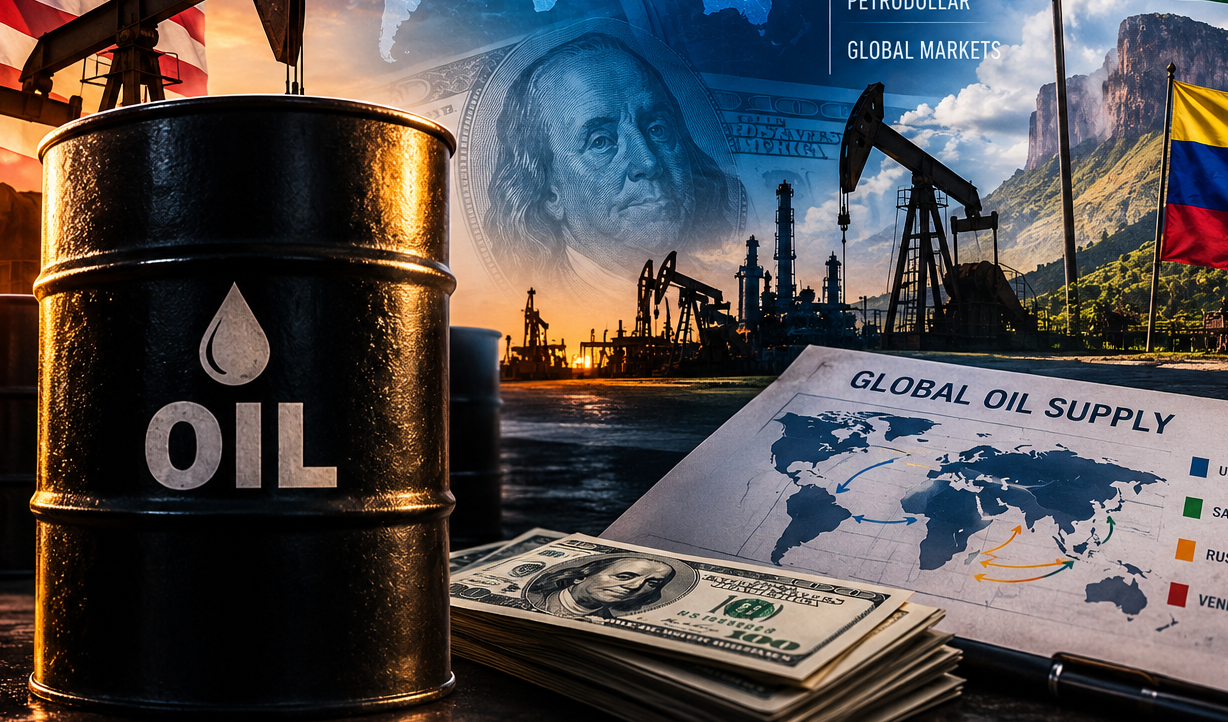
G7 nations plan to release 100 million barrels of oil and fuel through the IEA. Here's what it means for global markets and India. G7 Announces 100 Million-Barrel Emergency Oil Release as Global Fuel Supply Comes Under Pressure BRUSSELS / WASHINGTON, October 3, 2026: The Group of Seven has agreed to coordinate the release of about 100 million barrels of crude oil, diesel and other fuel products from emergency reserves as governments confront severe pressure in global energy markets. The decision comes amid disruptions to energy supplies associated with the continuing conflict involving Iran, damage to infrastructure in the Persian Gulf region and wider restrictions affecting international fuel flows. The coordinated action will be carried out through the International Energy Agency (IEA). According to a joint G7 statement reported by Reuters, the programme is scheduled to begin immediately and continue for four months, with a substantial release of diesel planned during the first 20 days. Why Is the G7 Releasing Emergency Oil Stocks? Emergency petroleum reserves are normally maintained for situations in which a major disruption threatens energy supplies. The latest G7 decision reflects concerns that prolonged disruptions could place additional pressure on crude oil, diesel and other refined fuel markets. Diesel is particularly important because it powers much of the global freight, agriculture, construction and industrial economy. A shortage can therefore affect considerably more than motorists. The G7's plan is intended to add additional supply to the market and improve liquidity while energy flows remain under pressure. The Associated Press reported that the release will begin with substantial quantities of diesel, followed by additional crude and fuel products over the following months. How Will the 100 Million Barrels Be Released? The programme is expected to operate through the IEA rather than as an isolated action by a single country. The G7 statement says approximately 100 million barrels will be released over a four-month period. A significant portion of the diesel component is expected to be released during the initial 20-day period. The timing matters because governments are attempting to respond to immediate fuel-market pressure while avoiding measures that could further restrict international trade in energy products. Why Diesel Has Become a Major Concern Diesel is closely connected to the real economy. Trucks use diesel to transport food, manufactured goods and industrial materials. Farmers rely on diesel-powered machinery, while construction companies, mining operations and many generators also depend on the fuel. Consequently, a sustained diesel shortage can increase transportation and production costs. The current G7 response therefore goes beyond the question of petrol prices. The availability and cost of diesel can influence supply chains and, ultimately, consumer prices. What Does the Move Mean for Oil Prices? The immediate objective is to increase available supply and reduce some of the pressure in energy markets. However, releasing emergency reserves does not automatically solve the underlying supply problem. The effect on prices will depend on several factors, including the scale and duration of physical supply disruptions, refinery availability, shipping conditions, global demand and the pace at which reserve barrels enter the market. The G7 action has already attracted attention in financial markets. Reuters reported that the coordinated release is intended to help stabilise global energy markets. Why the Decision Matters for India India is one of the world's major oil-importing economies, making international energy prices particularly important for its economy. Higher crude prices can increase the country's import bill and put pressure on the trade balance. Fuel costs can also affect transportation, manufacturing, agriculture and logistics. India's currency can face additional pressure when the cost of imported energy rises because importers require more foreign currency to pay for crude and related products. Recent Reuters reporting has highlighted the sensitivity of the Indian rupee and government bonds to elevated oil prices and geopolitical developments surrounding energy supplies. The G7 reserve release could therefore be relevant to India even though India is not itself a G7 member. Will the Emergency Release End the Energy Crisis? Not necessarily. Emergency stocks are designed to provide temporary market support rather than permanently replace normal oil production and international trade. The longer-term direction of energy prices will depend on whether disrupted production and transportation routes return to normal, whether additional restrictions are introduced and how global demand develops. There is also a strategic consideration: using emergency reserves reduces the amount of stock available for a future disruption. That means governments must balance immediate market support against the need to retain emergency supplies for later crises. The Bigger Geopolitical Picture The G7 announcement demonstrates how geopolitical conflict can rapidly become an economic issue. An energy disruption in one region can affect shipping, refining, transportation, inflation, currencies and financial markets thousands of kilometres away. The decision also highlights the importance of coordinated action among major energy-consuming economies. Rather than relying entirely on individual national measures, the G7 has chosen a coordinated mechanism involving the IEA. What Happens Next? The immediate focus will be on how quickly the planned diesel and crude releases reach the market and whether they reduce pressure on fuel prices. Markets will also watch developments in the Middle East, shipping routes, refinery operations and international energy trade. For consumers, businesses and governments, the key question is whether the emergency supply intervention provides temporary relief or becomes part of a longer-running strategy to manage an extended energy disruption. News National Analysis The G7's 100-million-barrel plan is significant because it represents a coordinated attempt by major economies to use emergency petroleum stocks during an unusually disruptive period for global energy markets. Its impact will depend less on the headline number alone and more on how quickly the fuel reaches the market, where it is released, how long supply disruptions continue and whether normal energy flows can be restored. For India and other major oil-importing economies, developments in global fuel markets will remain closely connected to inflation, transportation costs, currency movements and economic growth. Key Facts at a Glance Item Details Coordinating group G7 Planned reserve release About 100 million barrels Main mechanism Coordinated release through the IEA Initial priority Diesel and refined fuel products Initial period Substantial diesel release within first 20 days Overall programme About four months Main objective Support global energy-market stability Key concern Supply disruptions and elevated fuel prices  

Financial Markets Confront Inflation, Debt and Interest-Rate Uncertainty

Global financial markets are responding to a combination of elevated borrowing costs, energy-price pressures and uncertainty over monetary policy. A Reuters market review published on October 2 highlighted the challenges facing investors in France, the United States, Brazil and Japan. French political and fiscal concerns, high government borrowing costs and energy-market volatility are contributing to a complicated environment for financial decision-makers. In Europe, inflation has also become a significant concern. Euronews reported on October 2 that eurozone inflation reached 3.8% in September, a three-year high, with energy costs contributing to the increase. What investors are watching Central bank decisions: Interest-rate changes influence borrowing costs, investment and currency values. Government debt: Rising financing costs can place additional pressure on public budgets. Inflation trends: Persistent price increases can affect consumer confidence and business planning. Currency movements: Exchange-rate fluctuations influence imports, exports and international investment. Corporate earnings: Businesses must manage input costs while maintaining demand and profitability. For emerging economies, these developments can have additional consequences through capital flows, currency movements and the cost of imported commodities. However, market volatility does not affect every country or industry equally. The actual impact depends on domestic economic conditions, policy responses and exposure to international markets.

GLOBAL SPECIAL REPORT | NEWS NATIONAL

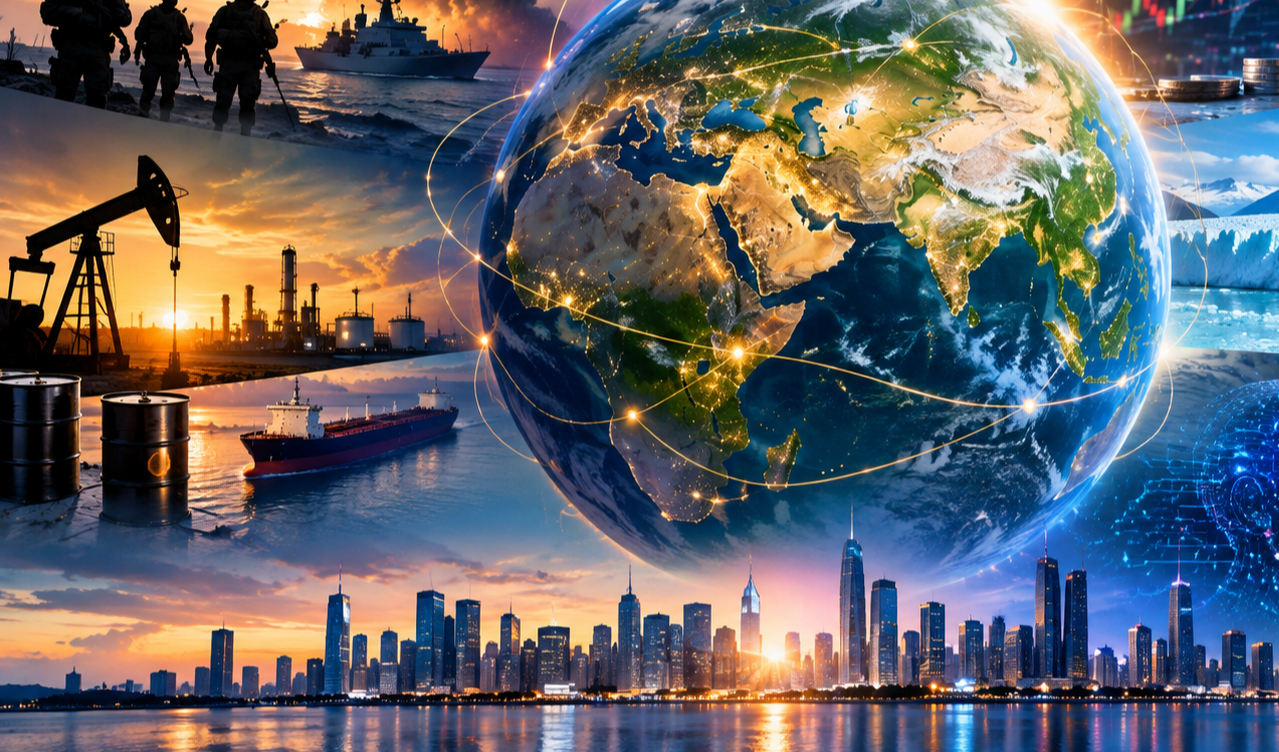
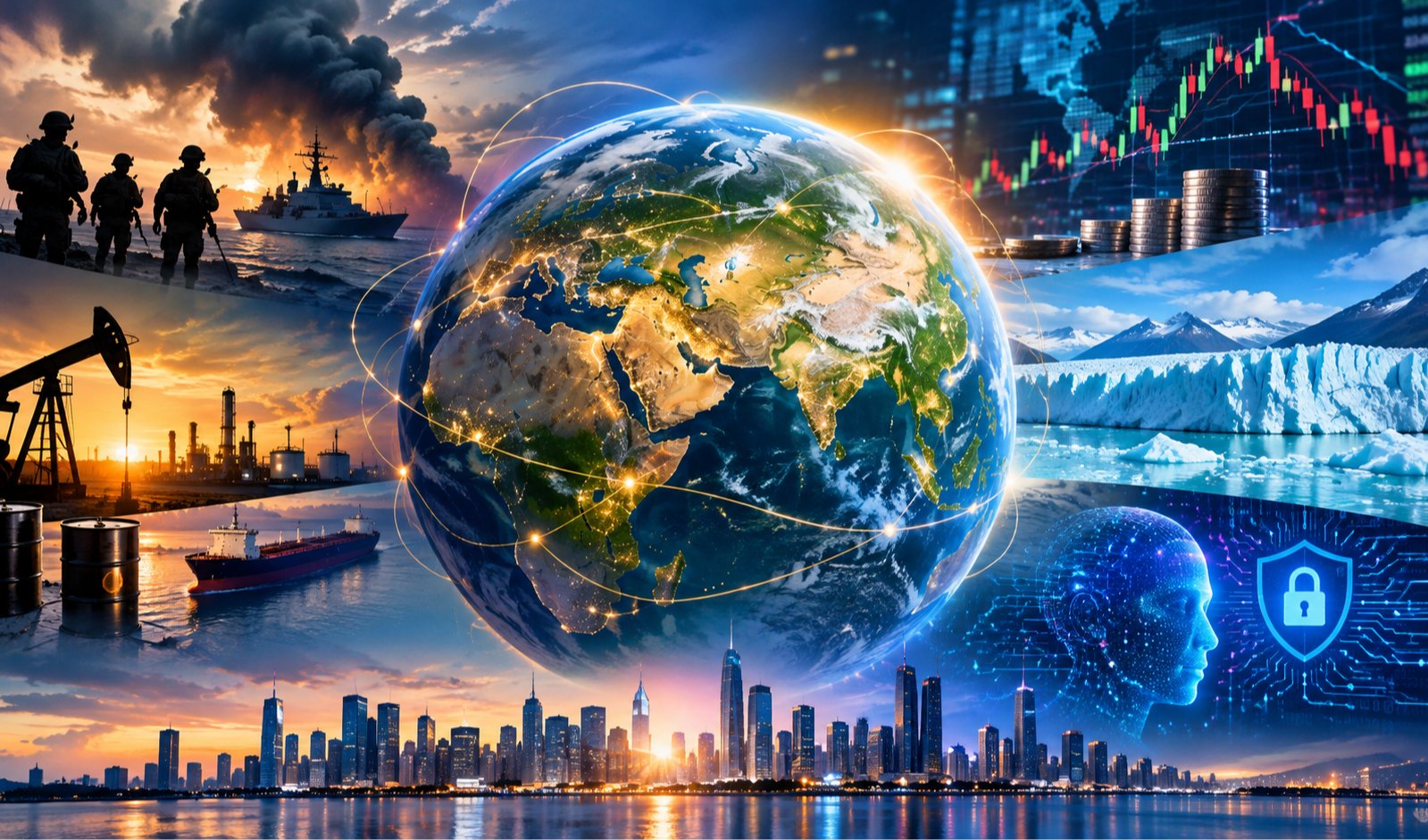
The World at a Crossroads: Five Global Developments Reshaping the Future of Nations By News National Special Correspondent | Global Desk From escalating geopolitical tensions and rising energy costs to financial market uncertainty, climate challenges and the rapid transformation of technology, the world is entering a period of interconnected change. Developments unfolding across major economies are influencing everything from household budgets and international trade to national security and the future of global cooperation. As governments navigate competing priorities, businesses reassess their strategies and communities face economic pressures, the central question is how nations will respond to a world in which political, economic and environmental challenges increasingly overlap. This News National Special Report examines five major developments shaping the international landscape as of October 2, 2026, their wider implications and the issues that deserve attention in the months ahead. 1. Geopolitical Tensions Put International Security Under Pressure International security remains one of the most significant challenges facing governments. The continuing conflict in Ukraine, tensions involving Iran and the United States, and disagreements between major powers are placing pressure on diplomatic relationships. On October 1, Russian President Vladimir Putin warned at the Valdai Forum that the international situation was dangerous and cautioned against further escalation concerning Kaliningrad, Russia's exclave between Poland and Lithuania. His remarks included a warning that Moscow could consider its full range of weapons if Russian territory were directly attacked. The statement highlights the continuing risks associated with military confrontation between nuclear-armed powers. Why this matters International stability: Escalation between major powers can affect diplomatic relations well beyond the immediate conflict zone. Defence spending: Governments may face pressure to increase military expenditure, potentially affecting other budget priorities. Trade and investment: Uncertainty can influence business confidence, international investment and supply-chain planning. Humanitarian concerns: Prolonged conflicts can displace populations and increase pressure on international relief organisations. Diplomatic engagement, crisis communication and mechanisms to prevent miscalculation remain central to reducing the risk of wider confrontation. 2. Energy Prices and Fuel Supply Become a Global Economic Concern   Energy markets have become a major point of concern as geopolitical developments intersect with supply restrictions and national fuel policies. On October 1, international oil prices rose sharply amid reports of additional US military deployments to the Middle East and China's suspension of fuel-product exports beyond Hong Kong and Macau. Brent crude futures settled at $102.31 per barrel, while US West Texas Intermediate closed at $92.87. The developments have intensified concerns about fuel availability, transportation expenses and inflation. The United States has also urged France and Germany to release emergency diesel inventories to ease fuel-price pressures, according to people familiar with the discussions cited by Reuters. The proposal presents European governments with a difficult choice between addressing immediate price pressures and preserving reserves for future supply disruptions. The wider economic impact Higher energy costs can affect multiple sectors simultaneously: Transportation: Increased diesel and petrol costs can raise freight and logistics expenses. Manufacturing: Energy-intensive industries may face higher production costs. Agriculture: Fuel and fertiliser expenses can influence food production and distribution. Households: Higher utility and transport bills can reduce disposable income. Global trade: Countries dependent on imported energy may experience additional pressure on their trade balances. The situation demonstrates how energy security is connected to economic stability, international diplomacy and national resilience. 3. Financial Markets Confront Inflation, Debt and Interest-Rate Uncertainty Global financial markets are responding to a combination of elevated borrowing costs, energy-price pressures and uncertainty over monetary policy. A Reuters market review published on October 2 highlighted the challenges facing investors in France, the United States, Brazil and Japan. French political and fiscal concerns, high government borrowing costs and energy-market volatility are contributing to. Refference by Reuters.

The Global South and the Search for Greater Influence

Countries across Africa, Asia and Latin America are increasingly seeking a stronger voice in international decision-making. Their priorities include development financing, infrastructure, climate adaptation, food security, technology access and reform of global institutions. The term Global South covers countries with widely differing political systems, economic conditions and foreign-policy priorities. It should not be interpreted as a single political bloc. Nevertheless, many of these countries share concerns about unequal representation in international institutions and the economic consequences of decisions made by major powers. Their growing diplomatic engagement creates opportunities for new partnerships, but it also raises questions about how international institutions can respond to a more diverse range of interests. The future of global governance may depend partly on whether existing institutions can accommodate these demands without undermining their ability to reach collective decisions. Five Possible Forces That Will Shape the Next Phase of World Politics The following are analytical scenarios, not predictions of specific outcomes. 1. Greater strategic competition Risk Competition over military capabilities, technology, trade and regional influence could increase pressure on international relationships. 2. Stronger regional partnerships Countries may deepen cooperation with neighbouring states to improve economic resilience, security coordination and infrastructure connectivity. 3. Economic diversification Governments and companies may seek alternative suppliers, markets and transportation routes to reduce exposure to geopolitical disruptions. 4. Renewed diplomatic initiatives International organisations and regional powers may pursue negotiations to prevent local conflicts from expanding into wider confrontations. 5. Greater emphasis on technological sovereignty Countries may increase investment in domestic technology, digital infrastructure, cybersecurity and advanced manufacturing. Which of these developments becomes most significant will depend on decisions by governments, businesses and international institutions, as well as events that remain difficult to anticipate. Conclusion: The Future of Global Order Will Depend on Cooperation as Much as Power The international system is experiencing a period in which military security, economic interests, technology and diplomacy are increasingly intertwined. The conflicts in the Middle East and Ukraine demonstrate how regional confrontations can generate consequences far beyond their immediate geographic boundaries. Meanwhile, China's diplomatic expansion, India's strategic engagement and the growing influence of developing economies are contributing to a more complex distribution of global power. Yet the emergence of new centres of influence does not necessarily mean that international cooperation must decline. The central challenge is to ensure that competition remains manageable, international trade routes remain accessible, and diplomatic institutions retain the capacity to address shared problems. For governments, the priorities are clear: protect national interests, strengthen economic resilience and maintain channels for dialogue. For ordinary citizens, the stakes are equally significant. The decisions made in international capitals can influence energy prices, employment, inflation, technology access and the security of future generations. The world is not simply witnessing a redistribution of power. It is confronting a test of whether countries with different interests and political systems can coexist within a stable international framework. The outcome will shape global affairs well beyond 2026.

Technology Is Becoming a New Front in Geopolitical Competition

Geopolitical influence is no longer determined solely by military strength, territory or natural resources. Artificial intelligence, semiconductors, cybersecurity, satellite infrastructure and advanced communications are increasingly important components of national power. Countries are competing to secure access to critical technologies, protect sensitive infrastructure and establish standards governing their use. The United Nations Security Council held a high-level briefing on artificial intelligence and international security on September 23, 2026, reflecting growing institutional attention to the relationship between emerging technologies and global peace. The emerging technology divide The global technology competition raises several questions: Who controls access to advanced computing infrastructure? How can countries protect critical systems against cyberattacks? What international rules should govern autonomous military technologies? How can developing countries participate in the AI economy? What safeguards are needed to prevent technology from intensifying conflict? The answers will influence economic competitiveness and international security for years to come. Technology is therefore becoming both an instrument of cooperation and a potential source of geopolitical friction. Reffence by Security Council Report

The United Nations and the Problem of International Gridlock

The United Nations remains a central institution for international diplomacy, conflict prevention and humanitarian coordination. However, disagreements among major powers can limit its ability to respond effectively to international crises. The Security Council's permanent members — China, France, Russia, the United Kingdom and the United States — possess veto powers that can prevent substantive resolutions from being adopted. On October 1, the UN General Assembly examined a Security Council veto involving a US-backed proposal concerning an expert panel on Iranian nuclear facilities. China and Russia had opposed the proposal. The episode illustrates a longstanding institutional challenge, the countries with the greatest influence over international security decisions may also have competing interests that prevent agreement. Why institutional reform remains important Debates over Security Council reform frequently involve: Representation for Africa, Asia and Latin America. The role and scope of veto powers. Greater transparency in decision-making. More effective conflict-prevention mechanisms. Improved cooperation between international and regional organisations. Reform proposals remain politically difficult because changes to the Council's structure require broad international agreement. Nevertheless, the effectiveness and legitimacy of multilateral institutions will remain important questions as international competition intensifies.

India’s Strategic Position in a Fragmented World

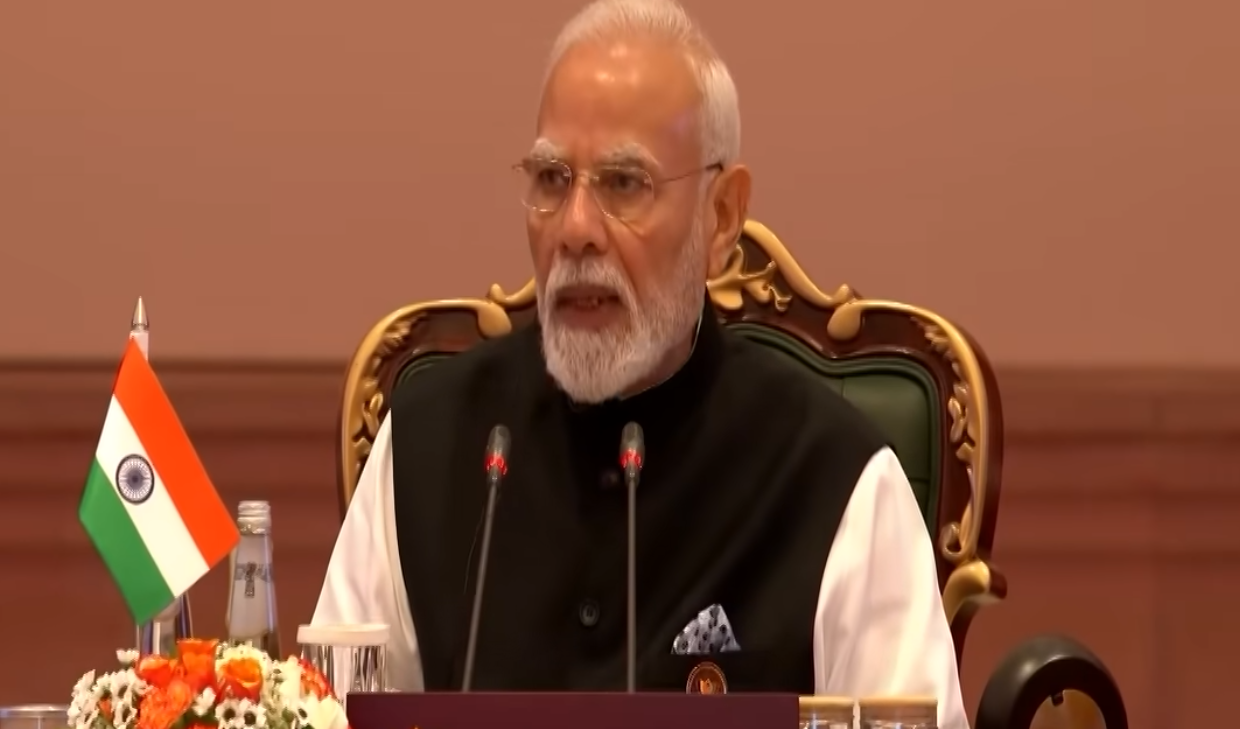
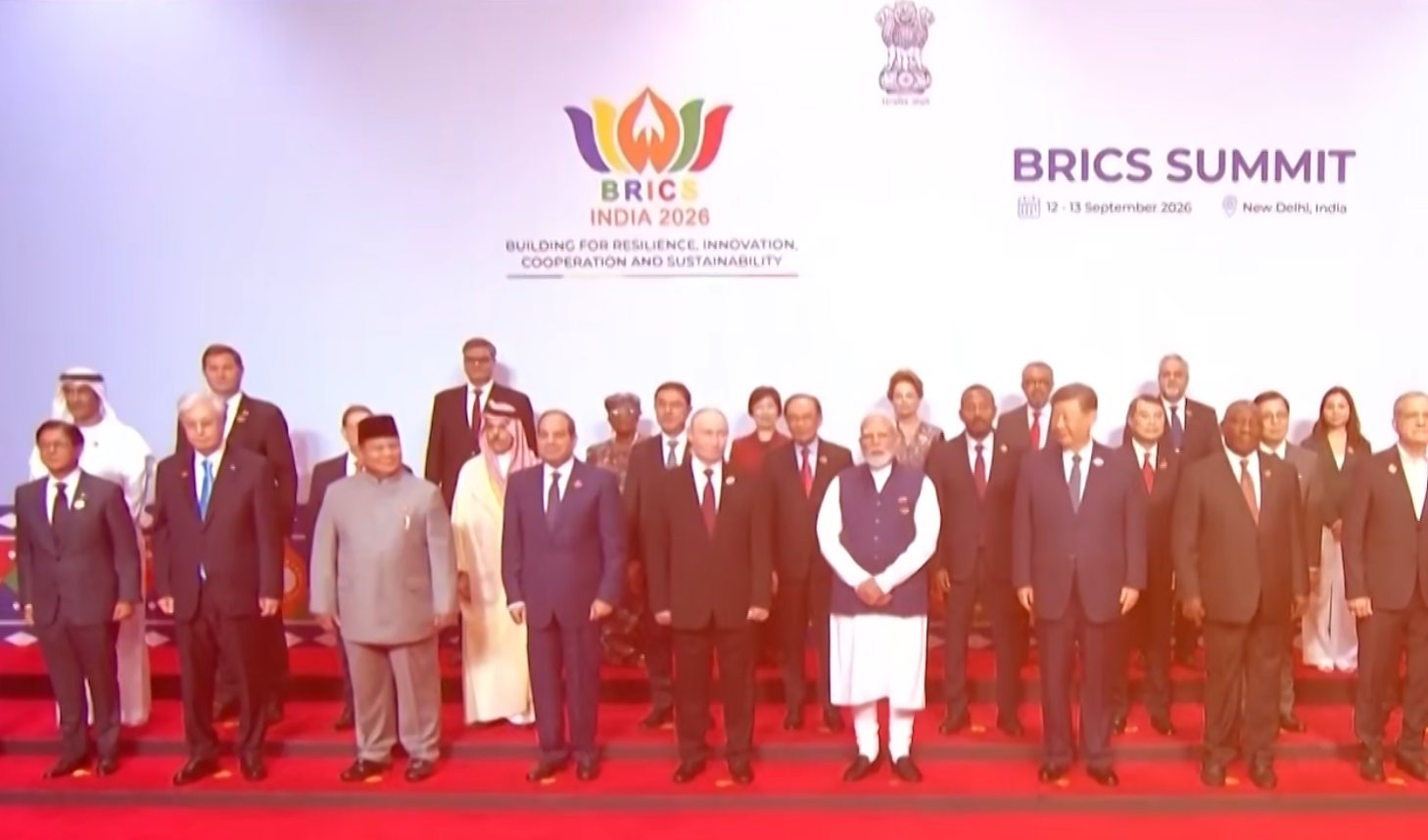
India occupies an important position in the evolving international system because of its population, economic scale, geographic location and diplomatic relationships. Its foreign policy involves engagement with several major powers while maintaining strategic autonomy across different areas of cooperation. India participates in BRICS and the Shanghai Cooperation Organisation, maintains a longstanding partnership with Russia, and has expanded cooperation with the United States, Europe, Japan and countries in the Indo-Pacific. This multi-directional engagement provides opportunities in trade, defence, energy, technology and infrastructure. The opportunities Expanding manufacturing and international supply-chain participation. Strengthening energy partnerships with multiple suppliers. Increasing diplomatic engagement with developing countries. Developing technology and semiconductor capabilities. Expanding defence cooperation and domestic production. Supporting international dialogue on economic development and security. The challenges India must also navigate competing strategic expectations, regional security concerns, trade negotiations and the economic consequences of international instability. The country's ability to balance these relationships will remain an important factor in its future global engagement. Its experience also illustrates a broader characteristic of contemporary geopolitics: many countries seek partnerships that serve specific national interests rather than permanent alignment with one geopolitical camp.

The Global Economy When Geopolitics Becomes an Economic Risk

The relationship between international politics and economic performance has become increasingly visible. Wars, sanctions, supply-chain disruptions and energy-price fluctuations can influence inflation, interest rates, investment decisions and government borrowing costs. A Reuters report published on October 1 highlighted a significant rise in government bond yields across major economies, with markets responding to inflation concerns, higher borrowing requirements and geopolitical uncertainty. The report noted that the US 10-year Treasury yield reached 5.34%, its highest level since 2002, during the trading session covered. Why this matters to ordinary citizens Geopolitical developments can affect people far removed from the locations where conflicts occur. Global development Potential economic impact Oil supply disruption Higher fuel and transportation costs Trade restrictions More expensive goods and production inputs Rising government borrowing costs Greater pressure on public finances Shipping interruptions Delays and increased freight charges Currency volatility Changes in import costs and investment returns Military escalation Greater uncertainty for businesses and investors For emerging economies, the consequences can be particularly significant when higher energy prices coincide with currency pressure or increased external financing costs. The result is a growing need for economic resilience, diversified supply chains and credible fiscal planning. Refference by Reuters

China’s Expanding Diplomatic Influence

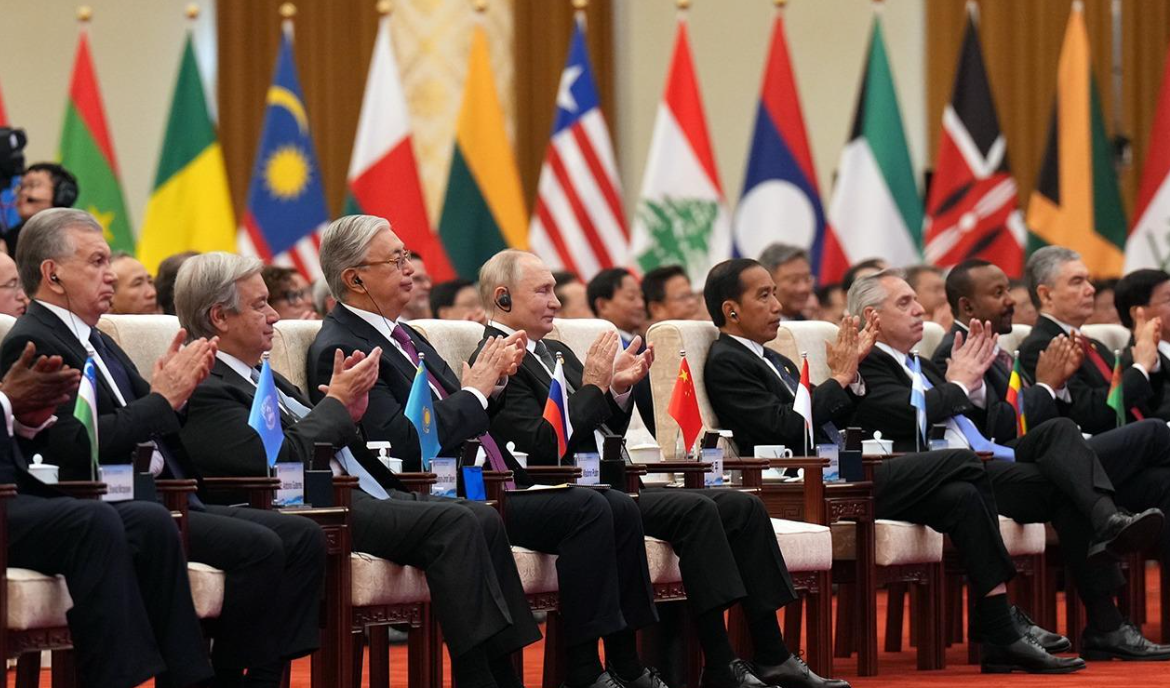
China's international strategy increasingly combines economic engagement, diplomatic initiatives, infrastructure investment and strategic partnerships. Rather than relying exclusively on traditional military alliances, Beijing has pursued relationships through trade, development financing, technology cooperation and multilateral institutions. Its participation in BRICS and the Shanghai Cooperation Organisation provides platforms for engagement with countries across Asia, Africa, Latin America and the Middle East. A recent analysis published by Le Monde on October 1 described how China has used successive international summits to promote its vision of a more multipolar global order and strengthen its diplomatic presence among developing economies. The limits of diplomatic expansion China's growing influence does not mean that every partner shares its strategic priorities. Many countries maintain economic relationships with Beijing while preserving security or diplomatic partnerships with the United States and European nations. This reflects a broader trend in international relations: governments increasingly seek flexibility rather than exclusive alignment with a single major power. For developing economies, maintaining relationships with multiple partners can provide access to investment, technology, markets and diplomatic support. However, balancing competing interests also requires careful management of trade disputes, security concerns and political expectations. Reffrenceby Le Monde.fr

Ukraine and Russia The Continuing Security Challenge for Europe

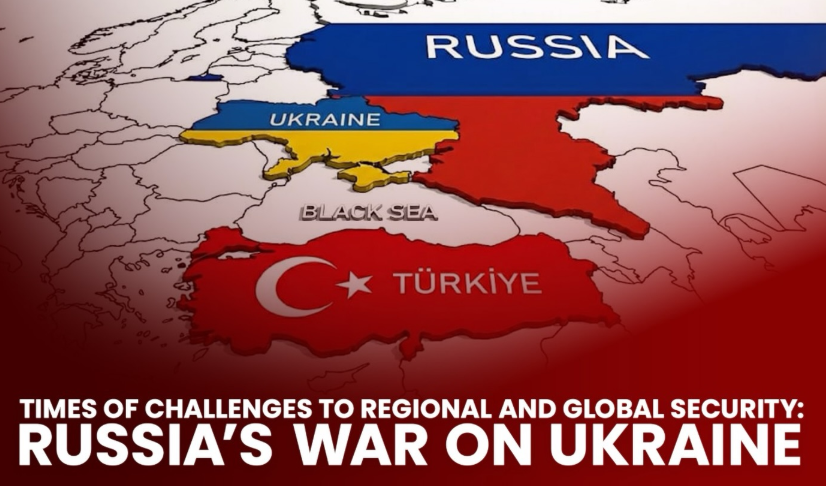
The Russia-Ukraine war continues to influence European security, NATO planning and relations between Moscow and Western capitals. The conflict has contributed to significant changes in defence spending, military preparedness, energy policy and diplomatic calculations across Europe. On October 1, Russian President Vladimir Putin warned against further escalation involving NATO and the Russian exclave of Kaliningrad. Reuters reported that he reiterated Russia's willingness to use its full military capabilities if its territory were directly threatened. Such statements underline the risks associated with confrontations involving nuclear-armed states. The wider consequences The conflict has implications extending beyond the battlefield: European security: Governments continue to assess military readiness and collective defence arrangements. Energy policy: Countries are reconsidering supply dependencies and energy infrastructure resilience. Economic pressures: Sanctions, trade restrictions and military expenditure influence national budgets. Diplomatic relations: Negotiations over security guarantees and territorial questions remain central to discussions about a possible settlement. Global food markets: Disruptions affecting agricultural production, exports and transportation can create additional pressure on vulnerable economies. A durable settlement would require more than a temporary reduction in fighting. It would involve difficult questions about sovereignty, security guarantees, territorial claims and the future relationship between Russia and European institutions. Refference by Reuters

The Middlhere Energy Security Meets strait of Hormuz matters

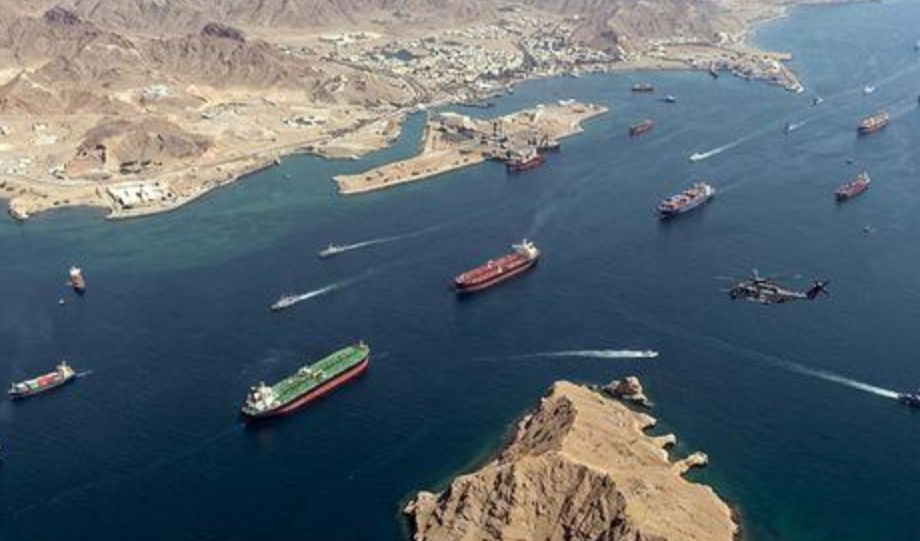
The Middlhere Energy Security Meets Geopolitical Competition The Middle East remains one of the most consequential regions in contemporary geopolitics, with developments affecting international energy markets, shipping networks and diplomatic relations. The conflict involving Iran, the United States and Israel has placed renewed attention on the strategic importance of the Strait of Hormuz. On October 1, 2026, the Associated Press reported that US President Donald Trump had rejected Iran's latest peace proposal and indicated that military escalation remained possible. The report also described a growing US naval presence in the region and an incident involving a tanker in the strait. These developments highlight the connection between regional security and global economic stability. Why the Strait of Hormuz matters The Strait of Hormuz connects the Persian Gulf with the Gulf of Oman and the Arabian Sea. It is a critical passage for international oil and gas transportation. Any prolonged disruption could affect: International crude oil prices. Fuel costs for importing countries. Shipping insurance and freight charges. Industrial production and transportation. Inflation and household expenditure. Energy security planning across Asia and Europe. For countries heavily dependent on imported energy, geopolitical instability in the Gulf is not simply a foreign-policy issue. It can directly affect domestic economic conditions. France's reported efforts to develop a United Nations Security Council resolution supporting freedom of navigation through the strait demonstrate the importance attached to protecting international shipping routes. The wider question is whether diplomatic negotiations can establish a sustainable framework that protects maritime commerce while addressing the security concerns of the countries involved. Refference by AP News