
Language Settings
Select Website Language

GDPR Compliance

We use cookies to ensure you get the best experience on our website. By continuing to use our site, you accept our use of cookies, Privacy Policy, and Terms of Service.

Filters

Channels
Topics
Other Filters

Clip-On Earbuds Explained: Benefits, Features and Limitations

Discover how clip-on earbuds work, their comfort benefits, open-ear audio technology, sound leakage concerns and what buyers should consider. Wireless audio is moving beyond the familiar in-ear design. Clip-on earbuds and open-ear headphones are attracting attention from consumers who want to listen to music, take calls and remain more aware of their surroundings. The emerging category reflects a broader shift in personal audio: comfort and situational awareness are becoming important considerations alongside sound quality. What are clip-on earbuds? Clip-on earbuds are designed to attach around the outer ear rather than sitting deep inside the ear canal. Their structure varies by manufacturer, but the central idea is to provide a secure fit while keeping the ear canal relatively unobstructed. Open-ear products use different approaches, including directional speakers and bone-conduction technology. Why are consumers exploring them? There are several practical reasons: Comfort: Some people find prolonged in-ear use uncomfortable. Awareness: Open-ear designs can make it easier to hear environmental sounds. Convenience: They may be useful for walking, commuting and office activities. Fit: Clip-on designs can provide an alternative for users whose ears do not comfortably accommodate conventional silicone tips. What are the limitations? Open-ear audio is not ideal for every situation. In noisy environments, users may struggle to hear their content clearly. Sound leakage can also affect people nearby, particularly at higher volumes. Noise cancellation performance differs significantly between open-ear and sealed in-ear designs. What should buyers consider? Before purchasing, consumers should evaluate comfort, microphone quality, battery life, water resistance, connectivity and return policies. Trying the product in person can be particularly useful because ear shape and comfort preferences vary between individuals. The future of personal audio As wearable technology develops, manufacturers are experimenting with different ways to combine audio, voice assistants and hands-free controls. Clip-on earbuds represent one part of this wider evolution. Their long-term appeal will depend on whether they can deliver reliable sound, comfort and practical features at competitive prices.

Samsung Galaxy A08 Price in India, Features and Specs

Samsung Galaxy A08 launched at ₹18,499 with a 6,000mAh battery, 50MP camera and six years of security updates. Explore its features. Samsung has expanded its affordable smartphone portfolio in India with the launch of the Galaxy A08. The device focuses on essential smartphone features, including a large battery, a 50-megapixel primary camera and extended software support. The Galaxy A08 was introduced at a starting price of ₹18,499 for the 4GB RAM and 64GB storage configuration. It runs One UI 9 based on Android 16 and is promised six generations of operating system upgrades and six years of security updates. Samsung Galaxy A08: Key specifications Feature Details Display 6.7-inch screen Refresh rate 90Hz Processor MediaTek Helio G99+ Rear camera 50MP main camera with depth sensor Battery 6,000mAh Operating system Android 16-based One UI 9 Software support Six OS upgrades and six years of security updates Protection IP64 rating reported Starting price ₹18,499   A focus on everyday performance The Galaxy A08 is positioned for users who primarily need a smartphone for messaging, video streaming, browsing, social media and routine photography. Its 6,000mAh battery is a significant part of the device's appeal. Battery endurance, however, will depend on network conditions, screen brightness, applications and usage habits. What about the camera? The 50-megapixel primary camera provides a high-resolution option for everyday photography. Actual image quality also depends on sensor size, image processing, lighting and stabilisation. Consumers should look for independent camera samples before making a purchase based solely on megapixel figures. Long-term software support Samsung's stated update commitment is an important specification for buyers who prefer to keep their phones for several years. Security updates can help protect devices against vulnerabilities, while operating system upgrades bring new features and compatibility improvements. Conclusion The Galaxy A08 brings together a large battery, a high-resolution main camera and a defined software-support commitment in Samsung's affordable smartphone range. Buyers should compare its 4G connectivity, memory configuration and overall performance with competing devices before deciding.

Nothing Phone Deals 2026: Flipkart Sale Offers in India

Explore Nothing Phone 4a, 4a Pro and 4b offers ahead of Flipkart Big Billion Days 2026, including sale dates, bank deals and buying tips. Smartphone shoppers in India are preparing for another major online shopping event as Nothing has announced special offers on its latest devices ahead of Flipkart's Big Billion Days 2026 sale. The promotional campaign includes the Nothing Phone (4a), Phone (4a) Pro and Phone (4b), along with selected products from the company's CMF audio range. The sale is scheduled to begin on October 9, while eligible customers will receive early access from October 8. Additional bank discounts and exchange benefits are also part of the announced offers. What makes the Nothing Phone range different? Nothing has developed a recognisable identity through transparent-inspired designs, distinctive lighting elements and a software experience that emphasises a clean interface. The company's smartphones appeal to buyers who want a design-led alternative to conventional smartphone styling. However, appearance should not be the only consideration when comparing devices. Processor performance, camera quality, software support, battery life and after-sales service remain important factors. What should shoppers check before buying? Consumers should compare the final checkout price rather than relying only on the advertised discount. Bank offers, exchange values and limited-time promotions can change the actual amount payable. Buyers should also confirm the storage variant, warranty conditions and seller details before placing an order. Is a sale smartphone necessarily a better deal? Not always. A discounted older model may offer better value for one user, while another may benefit more from a newer device with longer software support. The most useful comparison considers the phone's expected lifespan, everyday performance and total purchase cost. Conclusion The Big Billion Days campaign provides an opportunity for consumers to compare Nothing smartphones and accessories at promotional prices. Checking the final price and specifications carefully can help buyers make an informed purchase.

Syria Sweida Crisis Leaves Thousands of Students Without Exams

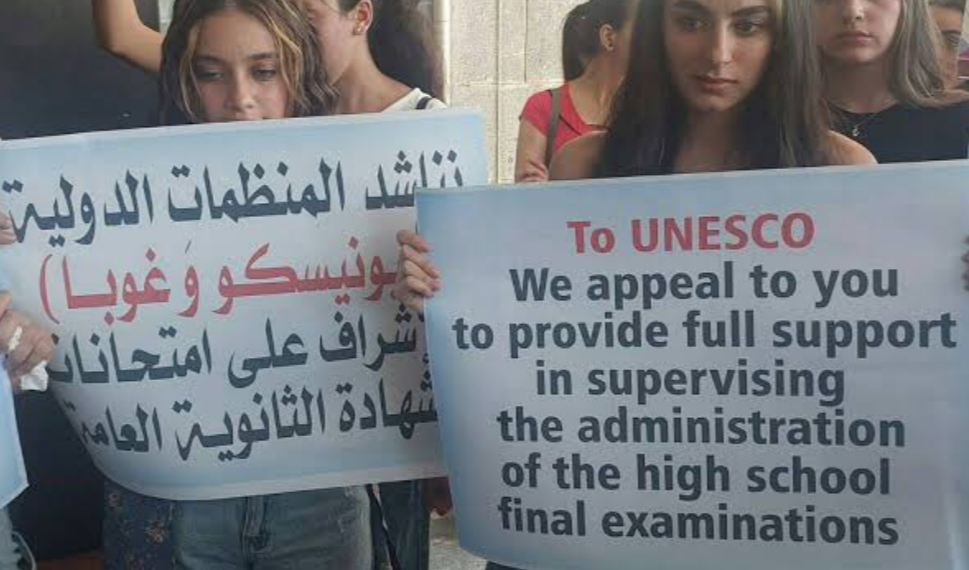
Political and security tensions in Syria's Sweida province have disrupted education, leaving thousands of students unable to complete exams. Syria's Sweida Crisis Leaves Thousands of Students Unable to Continue Their Education SWEIDA, Syria, October 3, 2026: Syria's continuing political and security tensions in Sweida province are affecting thousands of students, with many unable to complete examinations required to progress through school and university. Reuters reported that only about 150 of 13,700 school students in Sweida were able to complete their examinations in 2026, according to government figures shared through Syria's state news agency. Why Sweida Is Different Sweida is home to a large Druze population and has maintained a significant degree of local autonomy during years of Syrian conflict. Relations between local Druze leadership and the government in Damascus remain deeply strained. The Education Problem The dispute has affected examination arrangements. Government authorities have sought to conduct examinations in the province or move students to government-controlled areas. Some families have resisted those arrangements because of security concerns. Deep Distrust Reuters reported that distrust intensified after sectarian violence in the province in 2025. The continuing dispute means that students are caught between competing political and security authorities. Why the Crisis Matters Education disruptions can have long-term consequences. Students unable to complete examinations may lose academic years, university opportunities and access to professional careers. For a country attempting to rebuild after years of war, such disruptions create another barrier to recovery. International Mediation Syria, Jordan and the United States previously agreed on a roadmap intended to address the Sweida dispute. However, the United Nations said in June that there had been no progress, according to Reuters. Syria's Wider Reconstruction Challenge The Sweida issue illustrates that rebuilding Syria is not only about repairing buildings and infrastructure. Political reconciliation, local governance, security guarantees and public trust will also be necessary. News National Analysis The education crisis in Sweida is a reminder that prolonged political disputes often affect civilians in less visible ways. Students who miss examinations may face consequences long after immediate security tensions have eased.

US Military Buildup in Middle East as Iran Talks Remain Unresolved

The US is reinforcing its Middle East military presence while Iran prepares for possible escalation and diplomatic channels remain open. US Expands Military Presence in Middle East as Iran Crisis Remains Unresolved WASHINGTON / GULF REGION, October 3, 2026: The United States is increasing its military presence in the Middle East as Washington considers its next steps in the prolonged confrontation with Iran. Reuters reporting cited by regional media says the United States is moving additional military assets toward the region, while reports indicate a third aircraft carrier could be deployed. Why Washington Is Reinforcing the Region The military buildup comes as negotiations with Iran remain unresolved. US officials are weighing how to respond if diplomacy fails, while Iran has been preparing for the possibility of renewed attacks. Iran's Response Reuters reported that Iranian military commanders are reviewing plans for a stronger response should the United States resume major attacks. Iran has also continued to communicate through diplomatic channels. This creates a situation in which military preparations and negotiations are taking place simultaneously. Gulf States Face the Immediate Risk Countries hosting US military facilities could find themselves affected if the confrontation escalates. That is particularly significant for Gulf states located close to Iran. The UAE's financial markets have already shown sensitivity to the uncertainty surrounding US-Iran relations. Reuters reported declines in both Dubai and Abu Dhabi markets amid geopolitical concerns. Energy Markets Remain Vulnerable The presence of military forces near key energy infrastructure adds to concerns about oil and gas supplies. The Strait of Hormuz is particularly important because of the amount of energy transported through the area. Diplomatic Track Remains Open Iranian President Masoud Pezeshkian has said Tehran remains open to dialogue. Iran has also submitted proposals concerning the ceasefire and reopening of the Strait of Hormuz, although Washington and Tehran remain divided over the conditions. What to Watch The key developments for the coming days are: US military deployments Iran's response Negotiations through intermediaries Strait of Hormuz shipping Oil prices Security incidents involving Gulf states Humanitarian consequences

Yemen Crisis Deepens as Three in Four Families Face Hunger in Some Areas

Yemen's humanitarian crisis is worsening as renewed fighting and displacement increase food insecurity, according to WFP reporting cited by Reuters. Yemen's Humanitarian Crisis Deepens as Fighting Leaves Families Struggling for Food GENEVA / SANA'A, October 3, 2026: Yemen's humanitarian situation is deteriorating as renewed fighting and displacement place additional pressure on families already facing severe food insecurity. The World Food Programme has warned of an extremely serious situation in parts of the country. Reuters reported that three out of four families in some affected areas are going hungry amid the latest escalation. Years of Conflict Yemen has experienced years of armed conflict, economic disruption and humanitarian emergencies. The country's infrastructure, healthcare system and food supply chains have been severely affected. Although periods of reduced fighting provided some relief, renewed violence threatens to reverse those gains. Why Food Security Is So Vulnerable Yemen depends heavily on imports for food and other essential goods. Conflict can disrupt roads, ports, markets and distribution networks. When insecurity increases, food can become more expensive or physically difficult to deliver. Displacement Adds Pressure Families forced from their homes often lose access to regular employment, farmland and community support. Temporary displacement can therefore quickly become a food-security problem. Red Sea Connection Yemen's location beside the Red Sea and Bab el-Mandeb also means that the humanitarian crisis has an international dimension. Shipping disruptions can affect the cost and availability of imported goods. International Response Humanitarian organisations continue to call for access to affected communities and sufficient funding. The scale of the challenge means humanitarian assistance alone cannot permanently resolve Yemen's food insecurity. Long-term stability, functioning institutions and economic recovery are also required. News National Analysis The Yemen crisis demonstrates how military escalation can produce consequences far beyond the battlefield. Food shortages, displacement, shipping disruption and economic instability can reinforce one another. Any future political settlement will therefore need to address both security and humanitarian needs.  

Saudi Arabia Weighs Offensive Against Houthis in Red Sea Risks Rise

Saudi Arabia is considering military options against Houthi forces as Red Sea shipping security and Yemen's humanitarian crisis worsen. Saudi Arabia Weighs Military Options Against Houthis as Red Sea Shipping Faces New Pressure RIYADH / SANA'A, October 3, 2026: Saudi Arabia is considering military options against Houthi forces in Yemen amid growing concerns about attacks and the security of shipping routes through the Red Sea. Reuters reported that Saudi officials and regional and Western sources described options that could include a coastal operation intended to improve control of the Red Sea shipping corridor or a broader multi-front campaign. Why the Red Sea Matters The Red Sea connects the Mediterranean region with the Indian Ocean through the Suez Canal and Bab el-Mandeb. Any disruption can force commercial vessels to consider longer routes around Africa. That increases fuel consumption, sailing time and freight costs. Saudi Arabia's Security Concerns Saudi Arabia has faced attacks from Houthi forces during the Yemen conflict. The renewed security situation has increased pressure on Riyadh to protect its territory and important maritime routes. Military Escalation Could Have Wider Consequences A major Saudi military operation could alter the security situation across Yemen. It could also affect neighbouring countries and international shipping. For global markets, the biggest concern would be whether fighting spreads toward key maritime routes. Iran's Role The Houthis are widely described as being aligned with Iran, although the precise nature and degree of Iranian support has been a subject of continuing debate and reporting. The Saudi-Houthi confrontation is consequently linked to the broader regional competition involving Iran and Gulf states. Diplomatic Alternative Pakistan's foreign minister said Iran had suggested political engagement with the Houthis. According to Reuters, an emergency meeting involving members of the Mecca defence pact is expected to discuss the proposal in Riyadh. Humanitarian Concerns Yemen's population has already endured years of conflict and humanitarian hardship. The World Food Programme warned that intensified fighting is causing severe food insecurity in parts of the country. Reuters reported that three out of four families in some affected areas are going hungry. What Comes Next? The immediate question is whether Saudi Arabia chooses a military response, diplomacy, or a combination of pressure and negotiations. Any major escalation would need to be considered alongside the security of Red Sea shipping and Yemen's humanitarian situation.

Syria-Hezbollah Talks Reported in Turkey, Damascus Denies Meeting

Reuters reported secret Syria-Hezbollah talks in Turkey, but Syria and Turkey denied the reported meeting. Here's what is known. Syria-Hezbollah Talks Reported in Turkey as Damascus and Ankara Deny Meeting Took Place DAMASCUS / ANKARA, October 3, 2026: Reports of a secret meeting between Syrian government representatives and Hezbollah officials in Turkey have highlighted the complicated security relationship between Damascus and the Lebanese group. Reuters reported that representatives from Syria's government and Hezbollah met in Turkey in September in an attempt to reduce tensions. Six sources briefed on the reported meeting were cited. However, Syria's Ministry of Information denied that such a meeting had occurred, while Turkish authorities also rejected the report. Why Syria and Hezbollah Are Tensions Hezbollah supported former Syrian President Bashar al-Assad during Syria's civil war. After Assad was removed from power, relations between the new Syrian authorities and Hezbollah changed dramatically. Damascus has accused Hezbollah of security and weapons-related activities involving Syrian territory. Why Turkey Could Matter Turkey has become an important diplomatic and political actor in Syria following the change in Syria's leadership. Ankara also has significant security interests along the Syrian border. A meeting in Turkey, if it occurred, would therefore have considerable regional significance. What the Reported Talks Were Supposed to Address Reuters' sources said the reported meeting was intended to reduce tensions and discuss security concerns. No final agreement was reported. The report also indicated that Iran was not directly involved in the meeting, although the country remains closely connected to Hezbollah. Syria's Denial The Syrian government has rejected the reported meeting. Turkey also denied the claim. Because of these conflicting accounts, the alleged meeting should be described as a reported meeting that has been denied by the governments concerned, rather than as an established diplomatic event. Why This Matters for the Region The relationship between Damascus, Hezbollah, Iran, Israel, Lebanon and Turkey is part of a much wider regional security picture. Any reduction in tensions could affect border security and regional diplomacy. Conversely, failure to manage those tensions could create additional pressure on Syria and neighbouring countries.

Oil Tanker Hit Near Oman as Strait of Hormuz Risks Rise

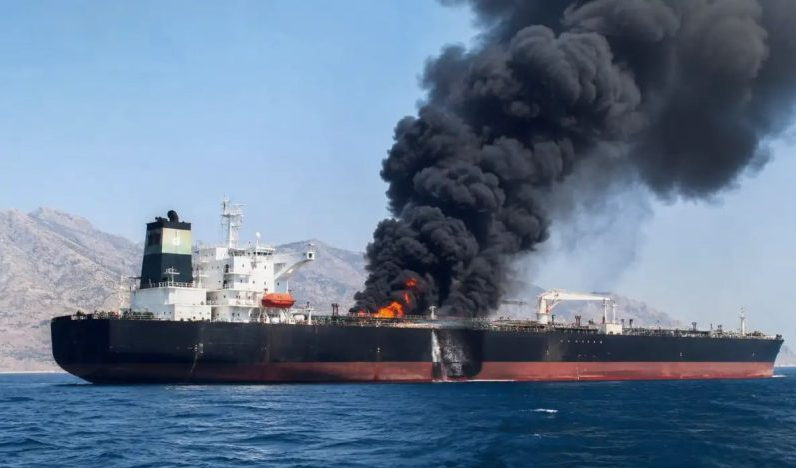
An oil tanker was hit by an unidentified projectile near Oman. The incident raises fresh concerns over shipping and energy security. Oil Tanker Hit by Unknown Projectile Near Oman as Strait of Hormuz Shipping Risks Rise MUSCAT, October 3, 2026: A crude oil tanker was struck by an unidentified projectile approximately four nautical miles east of Oman, according to the United Kingdom Maritime Trade Operations (UKMTO). All crew members were reported safe and no environmental damage had been reported at the time of the initial notification. The identity of the projectile and who was responsible remained unknown. Incident Near a Critical Energy Route The incident occurred close to one of the world's most strategically important energy corridors. The Strait of Hormuz connects the Persian Gulf with the Gulf of Oman and Arabian Sea and is critical for international oil and gas transportation. Even isolated attacks can increase concerns among ship operators, insurers and energy traders. Why Tanker Security Matters Commercial vessels operating through the region face risks associated with the wider Iran-US confrontation and attacks involving regional armed groups. Higher maritime-security risks can increase insurance and transportation costs even when individual vessels suffer no major damage. Crew Reported Safe According to UKMTO's report, the tanker sustained damage after the projectile impact, but the crew was safe and no pollution was reported. Authorities continued to monitor the situation. A Wider Pattern of Maritime Incidents The latest incident follows other reports of vessels being struck or damaged around the Strait of Hormuz. The accumulation of incidents is significant because shipping companies may reconsider routes, insurance arrangements and operating procedures if the security environment deteriorates. Impact on Oil Markets The immediate physical impact of a single incident can be limited. The larger concern is whether repeated attacks could reduce the number of vessels willing to transit the region or cause major shipping companies to delay voyages. That could place additional pressure on global energy markets. What India Needs to Watch India imports substantial quantities of crude oil from the Gulf region. Any prolonged disruption around Hormuz could therefore affect crude prices, freight rates, import costs and potentially domestic inflation. News National Analysis The tanker incident does not by itself establish who launched the projectile. The most important confirmed fact at this stage is that a commercial vessel was damaged while operating near Oman and that the crew remained safe. Further investigation will be required before responsibility can be established.

Iran-US Tensions Tehran Prepares for Possible New Attacks

Iran is preparing for a possible wider US attack while diplomatic efforts continue over sanctions, ceasefire terms and the Strait of Hormuz. Iran Prepares for Possible New US Attacks as Diplomacy Struggles to Break Deadlock TEHRAN / WASHINGTON, October 3, 2026: Iran is preparing for a potentially broader military response if the United States resumes large-scale attacks, while simultaneously keeping diplomatic channels open in an effort to prevent another major escalation in the Middle East. According to Reuters, Iranian officials say senior commanders are reviewing plans for a stronger response that could extend beyond US-linked targets in the region. The officials said no final decision had been taken, but preparations had intensified. Iran's Two-Track Strategy Tehran's current approach combines military preparation with diplomatic engagement. Iranian officials have continued discussions through intermediaries, including Qatar, while Iranian leaders remain sceptical that negotiations will produce an agreement. Reuters reported that Tehran has proposed conditions involving an end to hostilities, reopening the Strait of Hormuz, removal of the US blockade and relief from sanctions. Why the Strait of Hormuz Matters The Strait of Hormuz is one of the world's most important energy corridors. Any prolonged disruption can affect crude oil, petroleum products, shipping insurance, freight costs and global inflation. The issue has therefore become central to the wider Iran-US dispute. Iran's Economic Pressure The prolonged confrontation is also putting pressure on Iran's economy. Oil exports, sanctions, shipping restrictions and access to foreign currency have become major economic issues. Reuters reported that Iranian officials are concerned about the ability of the economy to withstand an extended confrontation. Regional Expansion Risk Iran's relationship with armed groups and political allies across the region adds another dimension to the crisis. Reuters reported that Iranian officials said allied groups in Lebanon, Yemen and Iraq had been instructed to prepare for a possible renewed US campaign. These are claims from Iranian sources and have not been independently established in every case. What Happens Next? The central uncertainty is whether diplomacy can prevent another major escalation. Iran has indicated that it remains open to dialogue, while Washington has maintained pressure on Tehran. The coming weeks could therefore involve both negotiations and military preparations. News National Analysis The latest developments show that the Iran crisis is not confined to the two countries. Any renewed fighting could affect Gulf security, shipping, oil markets and countries across the wider Middle East. For India, energy prices and the security of shipping routes will remain particularly important.

Mumbai Airport Terminal 1 Shutdown From October 25 Passenger Guide

Mumbai Airport Terminal 1 Shutdown Begins October 25: What Passengers Need to Know MUMBAI, October 3, 2026: Mumbai's Chhatrapati Shivaji Maharaj International Airport is preparing for a major operational change as Terminal 1 begins phasing out flight operations from October 25 ahead of a large redevelopment project. The transition will not happen as one single overnight closure. Reports indicate that operations will be reduced in stages, with the final T1 operations expected to move out by early 2027. Why Is Terminal 1 Being Redeveloped? Terminal 1 is an ageing part of Mumbai's airport infrastructure. The redevelopment plan involves demolishing and rebuilding the terminal as part of a broader effort to increase capacity and modernise passenger facilities. The redevelopment is expected to begin in January 2027. Where Will Flights Move? Airlines currently operating from T1 will need to shift operations. Some domestic services are expected to move to Terminal 2, while Navi Mumbai International Airport is also becoming an important part of the region's expanding airport network. International Flights May Also Be Affected The transition could affect international operations because Terminal 2 has limited spare capacity once domestic services are transferred from T1. Business Standard reported that Mumbai airport operator MIAL asked airlines to move 265 weekly international flights to Navi Mumbai as part of the transition plan. Passengers should therefore check their airline's latest terminal and flight information before travelling. What Travellers Should Do Passengers travelling through Mumbai during the transition period should: Check the terminal printed on their latest ticket or airline notification. Reconfirm terminal information before leaving for the airport. Allow additional travel time. Check whether their flight has been moved to Navi Mumbai. Confirm connecting-airport arrangements if travelling on separate tickets. Mumbai's Two-Airport Future The redevelopment comes as Mumbai's aviation network moves toward a dual-airport model involving the existing Mumbai airport and Navi Mumbai International Airport. The transition is expected to be complex because airlines, passengers, airport operators and regulators must coordinate the movement of thousands of flights.

India Beats Pakistan by 19 Runs to Win Asian Games Cricket Gold

India Beats Pakistan by 19 Runs to Win Asian Games Men's Cricket Gold NISSHIN, JAPAN, October 3, 2026: India defeated Pakistan by 19 runs in the men's cricket final at the 2026 Asian Games, successfully defending its gold medal. India posted 211 for six before restricting Pakistan to 192 for six in the 20-over final. India Starts Strong India's innings was powered by an explosive performance from Abhishek Sharma. He scored 61 from 28 deliveries, including seven sixes, providing the foundation for India's large total. Tilak Varma then supplied a late acceleration with an unbeaten 51 from 22 balls, helping India cross the 200-run mark. Pakistan Falls Short Pakistan required 212 to win but finished on 192 for six. India's bowlers managed to restrict the chase despite Pakistan remaining competitive through the innings. The 19-run victory gave India another Asian Games men's cricket gold medal. A Significant Final The final brought together two unbeaten teams from the tournament. India had reached the gold-medal match after defeating Sri Lanka by 124 runs in the semifinal, while Pakistan had beaten Bangladesh in its semifinal. India's Gold-Medal Defence The victory allowed India to retain the men's cricket title at the Asian Games. The result also added another major achievement to India's campaign at the 2026 Games.

AI Pressure Puts India's IT Industry Under Earnings Spotlight

India's IT firms face cautious client spending and AI-driven pricing pressure as September-quarter earnings approach AI Pressure and Cautious Clients Put India's IT Earnings Under the Spotlight BENGALURU, October 3, 2026: India's major information-technology companies are entering the September-quarter earnings season amid two competing forces: continued demand for digital services and increasing pressure from artificial intelligence. Reuters reporting cited by The Economic Times said India's major IT firms are facing restrained client spending and AI-related pricing pressure, with analysts expecting relatively modest sequential revenue growth among leading companies. Why Clients Are Becoming More Cautious Large technology customers are increasingly evaluating technology spending according to measurable business outcomes. That can make clients more selective about large transformation projects and traditional outsourcing contracts. AI Is Changing the IT Business Model Artificial intelligence can help technology companies automate parts of software development, testing, customer support and other processes. For IT-service providers, that creates an opportunity to deliver services faster but also raises questions about pricing. If a task can be completed with fewer human hours because of AI tools, clients may expect some of those productivity gains to appear in contract pricing. What It Means for IT Workers The impact is likely to differ across roles. Routine and repetitive work is more exposed to automation, while demand can increase for specialists in AI engineering, cybersecurity, cloud infrastructure, data platforms and complex technology consulting. India's Competitive Position India remains one of the world's major IT-services centres. Its large technology workforce and established relationships with international clients provide an existing platform for adapting to AI. However, companies may need to invest heavily in retraining employees and developing new service offerings. The Earnings Question Investors will be watching revenue growth, margins, new deal bookings, employee numbers and management commentary about AI. The September-quarter results should provide additional evidence about how rapidly AI is changing the economics of India's IT industry.

India's Manufacturing PMI Hits Seven-Month High at 55.1

India's manufacturing PMI rose to 55.1 in September, supported by stronger orders, output, exports, hiring and business confidence. India's Manufacturing Growth Hits Seven-Month High as New Orders and Exports Strengthen NEW DELHI, October 3, 2026: India's manufacturing sector accelerated in September, with the HSBC India Manufacturing Purchasing Managers' Index rising to 55.1, its highest level in seven months. The index had fallen to 52.8 in August. A reading above 50 indicates expansion. Demand Drives the Recovery The September improvement was supported by stronger new orders and production. Reports on the PMI survey indicated that domestic and overseas demand contributed to the rebound, while factory employment also improved. Why the PMI Matters The Purchasing Managers' Index is closely watched because it provides an early indication of manufacturing activity. It is based on business surveys rather than official industrial production data, so it should be interpreted alongside other economic indicators. Export Demand Provides Support Export orders were an important component of the September improvement. This is significant because Indian manufacturers are operating in an environment affected by geopolitical tensions, changing trade conditions and higher energy costs. Employment Shows Improvement The return of manufacturing hiring is another notable development. Stronger production and new orders can encourage factories to increase staffing, although the longer-term employment impact depends on whether the improvement is sustained. Challenges Remain The improvement in September does not remove all risks. Higher energy costs, global trade uncertainty, geopolitical disruptions and financing conditions can still affect manufacturers. The second-quarter average remained weaker than earlier periods, highlighting the uneven nature of the recovery. What It Means for India A sustained manufacturing expansion could support industrial investment, employment, exports and supply-chain development. The next few months will show whether September's acceleration represents the beginning of a stronger trend or a temporary rebound.

Great Indian Bustard Captive-Bred Birds Prepare for First Wild Release

India's Great Indian Bustard conservation programme reaches a new stage as captive-bred birds prepare for a pilot release in Rajasthan. Great Indian Bustard Set for First Pilot Release of Captive-Bred Birds Into the Wild JAISALMER, October 3, 2026: India's conservation programme for the critically endangered Great Indian Bustard is entering a significant new phase, with at least two captive-bred birds expected to be moved into protected enclosures within the Desert National Park in Rajasthan. The Indian Express reported that the birds are male chicks aged roughly four to six months and that the pilot release could represent the first time captive-bred Great Indian Bustards are placed into a wild environment as part of the programme. Why the Great Indian Bustard Matters The Great Indian Bustard is one of India's most threatened bird species. Its remaining population is extremely small and concentrated mainly in parts of Rajasthan and Gujarat. The species faces multiple threats, including habitat degradation and collisions with overhead power infrastructure. Captive Breeding Programme India established specialised conservation-breeding facilities to help increase the species' numbers. The objective is not simply to breed birds in captivity but eventually to create a population capable of surviving in suitable natural habitat. That makes the transition from captive breeding to protected outdoor environments an important scientific step. Why a Pilot Release Is Significant Moving captive-bred birds into an enclosure allows conservation teams to monitor their behaviour, feeding, adaptation and survival before considering broader releases. The approach can reduce risks while researchers learn how birds raised in captivity respond to more natural surroundings. The Road Ahead The success of the programme will depend on more than breeding numbers. Suitable habitat, protection from human activity and infrastructure-related threats, monitoring and long-term population management will all be important. India's Conservation Challenge The Great Indian Bustard illustrates a wider challenge facing endangered wildlife: breeding programmes can help increase numbers, but protecting ecosystems remains essential. For the species to recover sustainably, conservation efforts must combine captive breeding with habitat protection.