
Language Settings
Select Website Language

GDPR Compliance

We use cookies to ensure you get the best experience on our website. By continuing to use our site, you accept our use of cookies, Privacy Policy, and Terms of Service.

Filters

Channels
Topics
Other Filters

Delhi Protest Why Were Journalists Detained Despite Press IDs?

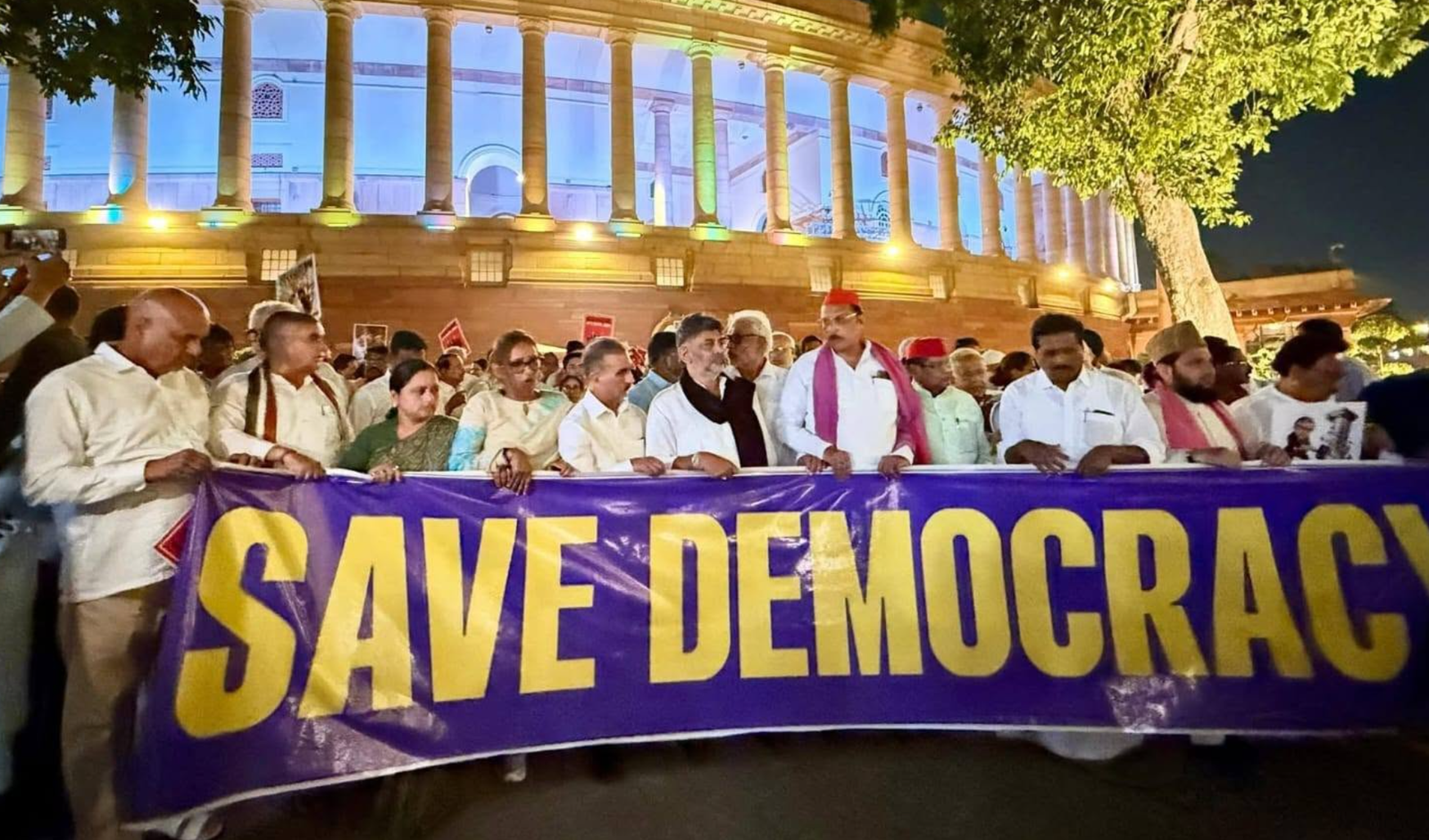
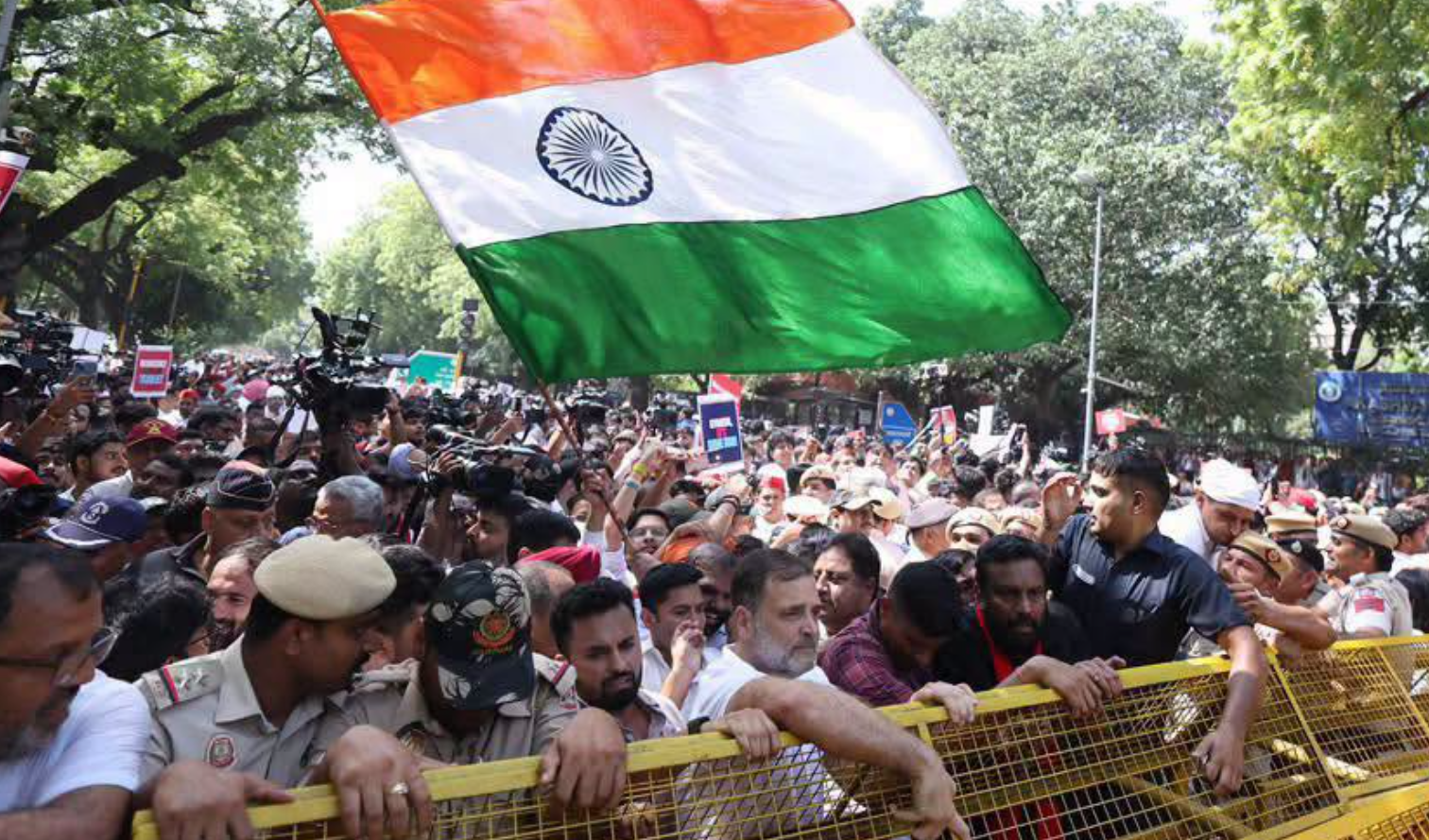
Journalists detained during Delhi protests have prompted press freedom concerns, as media groups demand an explanation and inquiry into police action. Delhi Protest: Why Were Journalists Detained Despite Showing Press IDs? Police Action Raises Press Freedom Concerns New Delhi, October 11, 2026: The detention of journalists covering protests in New Delhi has triggered criticism from press organisations and renewed questions about media freedom, police powers and the right to report on public demonstrations. Several journalists from digital news platforms and established media outlets were detained while covering demonstrations on October 10 and 11, according to reports published by the affected news organisations. Some journalists said they displayed their press identification cards but were still taken away by police. Reports also alleged that phones and reporting equipment were seized during the operation. The demonstrations were organised by the Cockroach Janta Party (CJP), student groups and other supporters demanding the resignation of Chief Election Commissioner Gyanesh Kumar over alleged irregularities in the Special Intensive Revision (SIR) of electoral rolls. The Election Commission and the BJP have denied allegations of deliberate voter-list manipulation. What Happened to Journalists in Delhi? Reports from The Quint, Newslaundry, Scroll and The Indian Express described journalists being stopped, questioned and detained while attempting to document police action and the demonstrations. Some reporters said officers questioned whether their identification cards were genuine or demanded particular forms of accreditation. Other journalists reported being taken in police buses to locations away from where they had been reporting. Newslaundry reported that its reporters had their phones seized and described physical handling during detention. The Quint reported that some of its journalists were held for several hours while officers checked their identities. On October 11, The Indian Express reported that three of its Hindi journalists were detained in Connaught Place and released around 45 minutes later at Chhatrasal Stadium, approximately 12 kilometres away. The reports describe the experiences of specific journalists and news organisations. A complete official account explaining the grounds for each detention was not available in the reporting reviewed. Why Did Police Detain Media Personnel? Delhi Police had imposed prohibitory restrictions in parts of the capital ahead of the planned demonstration. Authorities cited public-order and security concerns as they attempted to prevent gatherings in restricted locations. However, the journalists' accounts raise a separate question: whether media personnel were detained for violating a lawful order or were prevented from carrying out legitimate reporting. According to The Quint, some of its journalists said they had not crossed barricades or entered the restricted protest area. They also said they were carrying identification cards issued by their organisation. The distinction matters because journalists may need to work near demonstrations to document events, police conduct and public responses. Police can enforce lawful restrictions, but detentions should have a proper legal basis and must not be arbitrary. The reports reviewed did not establish a specific legal provision or individualised reason for every journalist's detention. Press Organisations Demand an Apology and Inquiry The Press Club of India, Indian Women's Press Corps, Delhi Union of Journalists and the Kerala Union of Working Journalists' Delhi unit condemned the reported detentions. The organisations said journalists had been detained despite displaying press cards, and that some had their phones or equipment taken away. They demanded a public apology from Delhi Police, the return of seized equipment and an inquiry into the conduct of officers involved. They also stressed that press freedom should not depend exclusively on accreditation from the Press Information Bureau (PIB). Independent and digital news organisations may have legitimate journalists who do not hold PIB accreditation. The Committee to Protect Journalists also called for detained media workers to be released, their equipment returned and reports of physical abuse investigated. These statements reflect the concerns of press-freedom organisations. Whether individual officers acted unlawfully in each case remains a matter for evidence and appropriate investigation. What Does Indian Law Say About Journalists' Rights? The Constitution of India protects freedom of speech and expression under Article 19(1)(a). This protection is central to journalism, including reporting on protests, public officials and government decisions. The Constitution also permits reasonable restrictions under Article 19(2), including in the interests of public order and other specified grounds. Journalists do not have blanket immunity from lawful police orders. However, carrying a press card or working for a digital publication should not, by itself, be treated as evidence of unlawful participation in a demonstration. Article 22 provides safeguards against arbitrary arrest and detention. The legal requirements that apply depend on whether a person has been formally arrested or is subject to another form of detention, as well as the specific circumstances. The Supreme Court has also laid down safeguards governing arrests and detention. Any assessment of the Delhi incidents must therefore consider the applicable orders, the grounds communicated to those detained, the duration of detention and the treatment of their equipment. Why This Incident Matters Journalists play a public-interest role during demonstrations by documenting events, recording official statements and reporting allegations from different sides. If reporters are unable to observe police action or communicate with their newsrooms, the public may have less independent information about what happened. At the same time, authorities have responsibilities to protect public safety and enforce lawful restrictions. The key issue is whether those measures are applied proportionately and without unnecessarily obstructing legitimate journalism. The October 10–11 detentions have prompted demands for a transparent explanation from Delhi Police. An independent inquiry, clear information about the legal grounds for individual detentions and the return of any improperly seized equipment would help establish the facts. By News National Editorial Team Sources The Indian Express — Three journalists detained by Delhi Police The Quint — Journalists detained and harassed while covering Delhi protest Newslaundry — Reporters detained during Delhi protest ThePrint — Press bodies demand apology and inquiry Committee to Protect Journalists — Organisation's website

India Protest News Today Delhi, Mumbai and Ahmedabad Updates

Delhi protests continue over voter-list revisions as the Supreme Court issues directions and demonstrations are reported in Mumbai and Ahmedabad. India Protest Updates Delhi Tensions Continue as Demonstrations Spread to Mumbai and Ahmedabad New Delhi, October 11, 2026: Protests demanding the resignation of Chief Election Commissioner Gyanesh Kumar continued in New Delhi on Sunday, with demonstrations and police detentions also reported in other cities. The agitation centres on allegations of irregularities in the Special Intensive Revision (SIR) of electoral rolls and concerns about restrictions imposed on protesters. The developments have brought electoral transparency, freedom of peaceful assembly and police accountability into the national debate. The Election Commission and the BJP have rejected allegations of deliberate voter-list manipulation, while opposition parties and protest organisers have demanded greater scrutiny of the revision process. New Delhi: Supreme Court Issues Directions Amid Fresh Detentions Small groups of demonstrators returned to streets around central Delhi on Sunday, raising slogans and demanding action over the electoral-roll revision. Police detained protesters in several locations, including areas around Connaught Place and RK Ashram Marg, according to reports from the ground. The demonstrations followed Saturday's large-scale security deployment and detentions during a planned protest linked to the Cockroach Janta Party (CJP) movement and opposition supporters. On Sunday, the Supreme Court intervened after petitions raised concerns about detentions, movement restrictions and disruptions to essential services. The court directed authorities to ensure that peaceful, unarmed protesters were not detained except in accordance with the procedure established by law. It also called for normal metro and railway operations, uninterrupted internet connectivity and the restoration of free movement. Despite the court's directions, Hindustan Times reported that around 100 people were detained near Connaught Place on Sunday. Delhi Police also said it had registered more than 20 FIRs in connection with incidents surrounding the previous day's demonstrations, including alleged attacks on police personnel and obstruction of officials. The competing accounts leave the legality of individual detentions and the circumstances surrounding specific incidents as important questions for further scrutiny. Source: Hindustan Times — Detentions continue in Delhi despite Supreme Court order Mumbai: Demonstrations and Political Reactions Mumbai also witnessed demonstrations in support of the Delhi protest movement. On Saturday, protesters gathered near August Kranti Maidan, where police detained hundreds of people, according to reports published on Sunday. On Sunday, Shiv Sena (UBT) leader Aaditya Thackeray and Maharashtra Navnirman Sena leader Amit Thackeray joined a demonstration against the detention of protesters near Shivaji Park in Dadar. Their participation highlighted the growing political response to the events in the capital. The organisers have presented the demonstrations as a protest against what they describe as restrictions on democratic expression. Police action, meanwhile, has been defended in the context of maintaining public order and enforcing applicable restrictions. Source: The Times of India — Aaditya and Amit Thackeray protest after Mumbai detentions Ahmedabad: Around 100 People Detained During SIR Protest In Gujarat, approximately 100 people were detained during a demonstration held outside MJ Library on Ashram Road in Ahmedabad on Saturday evening. The protest was organised in solidarity with the CJP-led movement in Delhi and focused on concerns about electoral-roll revisions. Those reportedly detained included students, social workers and activists, among them 86-year-old author and activist Prakash N. Shah. Police deployed a substantial force in the area and moved demonstrators to police stations. Protest organisers questioned the restrictions imposed on the gathering and raised concerns about transparency in the voter-verification process. Authorities cited law-and-order concerns in connection with restrictions on the demonstration. The allegations surrounding voter deletions remain disputed and require examination of the electoral records and the procedures available to people seeking corrections. Source: The Indian Express — Around 100 detained at Ahmedabad protest over SIR Protests Reported in Other Cities Reuters reported smaller demonstrations in Kolkata, Panaji and Pune on Sunday as the protest movement reached additional cities. The scale and circumstances of these gatherings differed, and the available reporting did not establish that large demonstrations were taking place simultaneously in every location. The wider movement has been driven by concerns over electoral-roll verification and the detention of protest organisers. Organisers have indicated that further demonstrations may follow, although plans announced by political groups should not be treated as confirmation that an event has taken place. Source: Reuters — Protesters seek Indian election chief's resignation What Are the Government and Election Commission Saying? Delhi Chief Minister Rekha Gupta defended the authorities' approach to maintaining order, saying the capital would not be allowed to be held hostage by demonstrations. Police have cited public-order concerns and alleged violations of restrictions in explaining their actions. The Election Commission has denied favouring any political party in the voter-list revision exercise. It has said that deletions include entries relating to people who have died, moved elsewhere or could not be traced during verification. The Commission has also said that people whose names were wrongly removed can seek re-enrolment. Opposition parties and protest organisers dispute the handling and transparency of the exercise. Their allegations should be assessed against official records, individual voter cases and any findings by courts or other competent authorities. The central issue is therefore twofold: whether the electoral-roll revision has been conducted fairly and whether the authorities have acted lawfully in managing demonstrations. What Happens Next? The Supreme Court's directions are likely to remain central to the immediate situation, particularly regarding peaceful assembly, movement restrictions and access to transport services. Political leaders have also indicated that the issue will be raised through further legal and political channels. The situation remains fluid. The latest reports confirm fresh detentions and demonstrations on October 11, but they do not establish that every announced protest will proceed or that restrictions remain unchanged in all locations. By News National Editorial Team Sources Reuters — October 11 protest update Hindustan Times — Supreme Court directions and Delhi detentions The Indian Express — Ahmedabad demonstration The Times of India — Mumbai demonstrations

Global Protest News Belgium, South Africa, Kosovo and Turkey

Latest protest developments in Belgium, South Africa, Kosovo and Turkey involve economic policies, asylum rules, war crimes justice and politics. International, October 11, 2026: Fresh protest developments across Belgium, South Africa, Kosovo and Turkey have highlighted disputes over economic policies, immigration procedures, the justice system and political party changes. The demonstrations have prompted government responses ranging from policy reversals and police warnings to heightened political tensions. The events have different causes and should not be treated as part of a single international protest movement. The latest available reports also indicate that some incidents have subsided, while the wider political disputes remain unresolved. Belgium: Thousands March Against Government Economic Policies Thousands of people demonstrated in Brussels on October 9 against the socioeconomic policies of Prime Minister Bart De Wever's government. Police estimated the crowd at approximately 30,000, while trade unions put attendance at around 50,000, according to Le Monde. Railway workers, teachers, students, public-sector employees, artists and social organisations joined the march. Protesters objected to proposed spending cuts, pension and unemployment-benefit reforms, and a possible increase in value-added tax from 21% to 22%. The demonstration took place ahead of the government's planned budget announcement on October 13. Unions and other groups argued that the proposed measures could put additional pressure on households and public services. The government faces the challenge of addressing public finances while responding to concerns about the cost of living and social protection. The demonstration included some clashes involving police and groups of young people, although the central march brought together a broad range of organisations. Source: Le Monde — Thousands protest against Belgian government's policies South Africa: Government Withdraws Asylum Directive After Violent Protests South Africa's Department of Home Affairs withdrew an administrative directive on October 9 following violent anti-immigration protests in Johannesburg's Soweto township and the coastal city of Durban. The unrest followed a Constitutional Court ruling concerning access to the asylum application process. The ruling removed certain procedural barriers that had prevented some people from having their asylum claims considered. It did not automatically grant refugee status or permanent residence to undocumented migrants. Misinformation about the ruling contributed to tensions. During the October 8 violence, at least 24 vehicles were reportedly set on fire and shops owned by foreign nationals were looted. Police also reported arrests. The government said refugee reception offices had been overwhelmed by applications and that the directive had created operational and public-safety difficulties. Authorities said they would develop a new approach while maintaining immigration controls. Police warned that concerns about immigration did not justify violence, arson or attacks on people. The withdrawal of the directive does not cancel the underlying court judgment, leaving authorities with the task of developing procedures that comply with the ruling. Source: Reuters — South Africa withdraws asylum directive after anti-migrant violence Kosovo: Tear Gas Used During Protest Over War Crimes Court In Kosovo's capital, Pristina, police used tear gas and a water cannon during confrontations with protesters outside parliament on October 5. The demonstration concerned proposed changes to the law governing the Kosovo Specialist Chambers, a war crimes court based in The Hague. Protesters opposed the court's powers following the sentencing of former Kosovo president Hashim Thaci and other former Kosovo Liberation Army figures over crimes connected to the 1998–1999 conflict. Some demonstrators demanded legal changes that would limit the court's jurisdiction. The proposed amendments advanced through an initial parliamentary stage but were not enacted during the session that prompted the confrontation. Police and protesters clashed after demonstrators attempted to prevent lawmakers from leaving the building. Reports described firecrackers, projectiles and burning bins during the unrest. The dispute reflects continuing divisions in Kosovo over the legacy of the independence struggle, accountability for wartime crimes and the role of international justice institutions. Source: Reuters — Protesters clash with police over Kosovo war crimes court law Turkey: Protest Follows Izmir Mayor's Move to Ruling Party Political tensions were also reported in Izmir, Turkey, after metropolitan mayor Cemil Tugay formally joined President Recep Tayyip Erdogan's ruling Justice and Development Party (AK Party) on October 7. Izmir has long been associated with Turkey's secular opposition. Tugay was elected in 2024 as a candidate of the Republican People's Party before leaving that party in June. The move triggered protests from opponents who criticised his political switch. Opposition figures alleged that pressure had been used to encourage defections, while Erdogan rejected such claims and defended cooperation between local and central government. The episode has added to political tensions surrounding opposition municipalities and the relationship between Turkey's ruling party and its critics. Allegations of coercion remain disputed and should be attributed to the people making them. Source: Reuters — Mayor of Turkey's secular stronghold Izmir joins Erdogan's party What These Developments Mean The four cases illustrate how demonstrations can arise from very different circumstances: disputes over spending and welfare in Belgium, immigration and asylum procedures in South Africa, wartime justice in Kosovo, and political party changes in Turkey. Government responses have also differed. Belgium's leaders face pressure ahead of a budget announcement; South Africa has withdrawn a directive while reconsidering implementation; Kosovo's political debate over the court continues; and Turkey's mayoral switch has intensified opposition criticism. These are recent reported developments, not confirmation that protests remain active in every location on October 11. Further updates should be based on new statements from authorities, organisers and reliable news organisations. By News National Editorial Team Sources Le Monde — Belgium protests Reuters — South Africa asylum directive Reuters — Kosovo protests Reuters — Turkey's Izmir mayor

Delhi Protest UN Raises Concerns, India Rejects Criticism

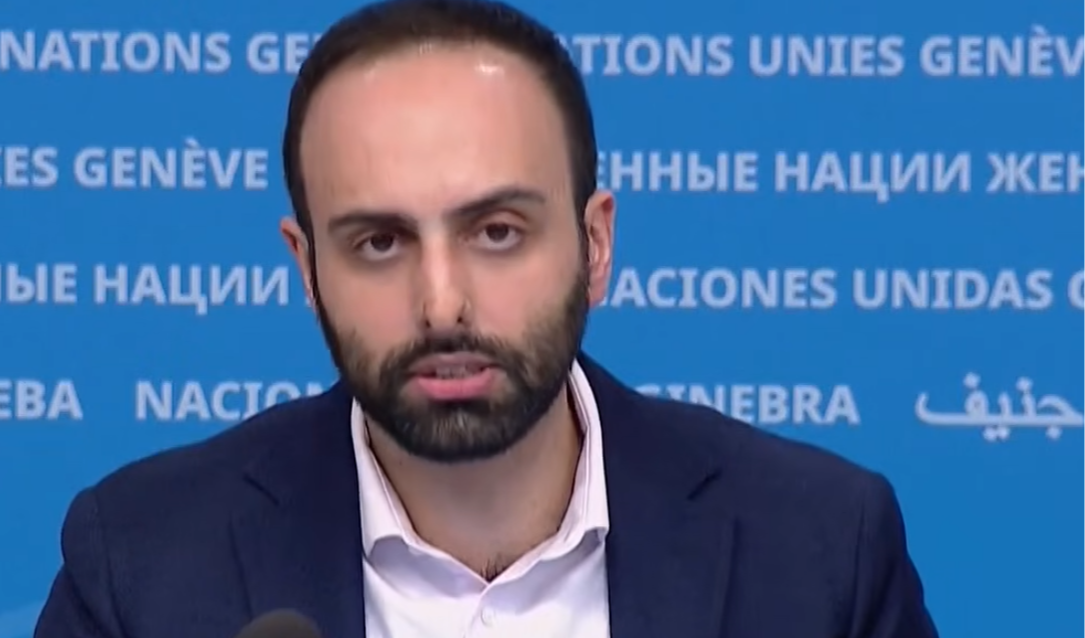
UN human-rights officials raised concerns over Delhi protest detentions as India rejected the criticism amid demands over electoral-roll revision. New Delhi, October 11, 2026: A protest in New Delhi over alleged irregularities in India's electoral-roll revision has triggered a public disagreement between the United Nations Human Rights Office and the Indian government. The UN expressed concern over reports of mass detentions during the demonstrations, while India rejected the criticism, describing it as misplaced interference in the country's internal affairs. The controversy has brought renewed attention to peaceful assembly, police restrictions, electoral transparency and the responsibilities of public authorities during demonstrations. Why Did Protesters Gather in New Delhi? The demonstration was organised by the Cockroach Janta Party (CJP), alongside student groups, activists and opposition supporters. Protesters demanded the resignation of Chief Election Commissioner Gyanesh Kumar over the Election Commission's Special Intensive Revision (SIR) of electoral rolls. Protesters and opposition representatives have alleged that the revision process could exclude eligible voters from electoral lists. They have called for greater transparency and accountability in the verification process. The Election Commission's position and the government's defence of electoral-roll verification must be distinguished from the protesters' allegations. Claims of deliberate or politically motivated voter exclusion require evidence and cannot be treated as established facts solely on the basis of political statements. According to reporting by Reuters and the Associated Press, authorities detained large numbers of demonstrators on October 10 as security restrictions were imposed around the planned protest areas. Police deployment, transport restrictions and limits on access to demonstration sites affected movement across parts of the capital. Source: Reuters report on Delhi protest detentions What Did the United Nations Say? The United Nations Office of the High Commissioner for Human Rights (OHCHR) expressed concern over reports that demonstrators, protest leaders, civil-society members, lawyers and journalists had been detained before and during the protests. The UN human-rights office called on Indian authorities to respect the right to peaceful assembly, exercise restraint and release people who had been arbitrarily detained. The intervention placed the handling of the demonstrations within a broader human-rights discussion. The right to peaceful assembly is recognised under international human-rights standards, although restrictions may be permitted in specific circumstances under applicable law. The UN's comments concerned reported detentions and the protection of peaceful assembly. They should not be interpreted as an endorsement of every political demand made by the protesters. Source: The New Indian Express — UN raises concern over Delhi protest detentions How Did the Indian Government Respond? India's Permanent Mission in Geneva rejected the UN human-rights office's criticism, calling its concerns “misplaced” and describing the remarks as unwarranted interference in India's internal affairs. In its response, India said the right to peaceful assembly is guaranteed by the Constitution and safeguarded by the country's institutions, independent judiciary and free media. It also emphasised that, as in other democracies, the exercise of this right is subject to reasonable restrictions in the interest of public order. The government's response reflects its position that public authorities can impose lawful restrictions to maintain order and manage security risks. The UN's concern, meanwhile, focused on whether reported detentions and restrictions were consistent with the right to peaceful assembly. The two positions highlight a central issue in democratic governance: how authorities can maintain public order while protecting citizens' rights to express dissent and assemble peacefully. Source: Hindustan Times — India calls UN concerns over Delhi protest misplaced Did Other Countries Condemn the Protest Crackdown? International criticism should be attributed accurately. The verified reports cited here establish a response from the UN human-rights office and criticism from organisations such as Amnesty International. They do not, by themselves, establish that the governments of the United States, the United Kingdom, China or other countries issued official condemnations of India's handling of this particular protest. Amnesty International criticised the restrictions imposed before the demonstration, including reported detentions and limits on movement and communications. The organisation called for authorities to facilitate peaceful protest and exercise restraint. However, Amnesty International is a human-rights organisation, not a national government. Its statements should not be presented as the official position of another country. Source: Amnesty International — Delhi police must facilitate the right to peaceful protest Electoral Transparency and the Right to Protest The controversy raises two distinct questions: whether the electoral-roll revision has been conducted fairly and whether the authorities' response to the demonstrations was proportionate and lawful. The first requires transparent information about voter-list changes, procedures for correcting errors and evidence supporting allegations of wrongful exclusion. The second requires scrutiny of the legal basis for detentions, restrictions on public movement and the treatment of peaceful demonstrators and journalists. Independent verification, access to official records and any relevant judicial proceedings will be important in assessing these questions. Neither political allegations nor official denials should substitute for evidence. As the debate continues, the handling of the Delhi demonstrations is likely to remain part of a wider discussion about electoral administration, public order and democratic freedoms in India. By News National Editorial Team Sources Reuters The New Indian Express Hindustan Times Amnesty International

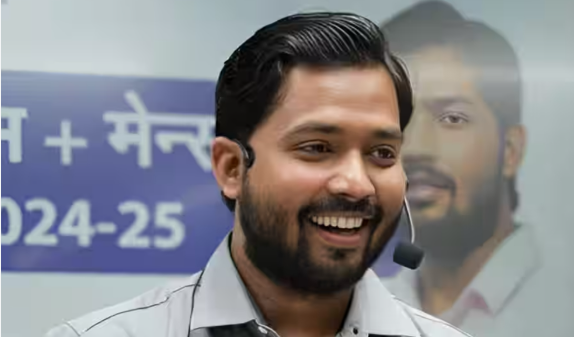
Who Is Khan Sir? Biography, Teaching Career and Latest News

Learn about Khan Sir, the Patna educator known for accessible competitive-exam lessons, his digital teaching career and public activities. Who Is Khan Sir? The Educator From Patna Who Made Competitive Exam Lessons Popular Online By News National Editorial Team PATNA, October 11, 2026: Faisal Khan, popularly known as Khan Sir, is an Indian educator and YouTube personality recognised for explaining general knowledge, geography, history, science and current affairs in accessible Hindi. Based in Patna, Bihar, he has built a substantial following among students preparing for government recruitment examinations and other competitive tests. His teaching style combines everyday examples, humour and regional expressions to make complicated subjects easier to understand. His popularity also reflects the growing role of online education in India, where students increasingly use digital platforms alongside traditional coaching classes. Early Life and Education Khan Sir is widely reported to have grown up in Uttar Pradesh and later moved into teaching. Media profiles have associated his background with Deoria district, although some reports have differed over his precise birthplace. According to published biographical accounts, he studied at the University of Allahabad and completed higher education in geography. He has spoken publicly about having considered a career in the armed forces before moving towards teaching. Detailed personal information about his early life is not consistently documented in authoritative public records. Claims about his family, exact earnings and other private details should therefore be checked carefully before publication. Building a Career in Teaching Khan Sir became known for his classroom teaching in Patna, a major centre for competitive-examination preparation. His educational work developed around helping students understand subjects commonly covered in examinations for railway recruitment, staff selection, banking and other government positions. He later became associated with Khan GS Research Centre and expanded his reach through online lectures. His lessons on YouTube allowed students outside Patna to access explanations of topics that might otherwise require travel or paid classroom coaching. A 2022 report by The Indian Express described his rise as an educator and noted his popularity among students preparing for government examinations. The report also discussed his involvement in public debate surrounding railway recruitment protests that year. His broader appeal comes from a teaching approach that often breaks complex topics into smaller explanations and uses familiar examples. Such methods can make learning more approachable, although students still need to consult official syllabuses, textbooks and examination notices when preparing for tests. Digital Education and Student Access Khan Sir's online presence illustrates how educators can use video platforms to reach learners across India. Recorded lectures allow students to revisit difficult topics, while online communities help learners follow examination-related developments. His work also highlights an important issue in Indian education: access to affordable, reliable preparation. Coaching costs, travel, accommodation and access to experienced teachers can create barriers for students from lower-income households and rural areas. However, students should verify course fees, schedules, enrolment conditions and claims about examination success directly with the relevant institution. No educator or coaching programme can guarantee success in a competitive examination. Public Attention and Controversies Khan Sir's prominence has also brought public scrutiny. In June 2026, a violent incident involving vandalism and alleged gunfire outside his coaching institute in Patna led to a police investigation and legal proceedings. Khan Sir was named in a police case connected with the incident and sought legal relief. His lawyer disputed allegations against him, while the police investigation and court proceedings formed part of the reported case. Media reports subsequently stated that a Patna court granted him anticipatory bail in July 2026. Anticipatory bail is a form of protection against arrest; it is not a finding of guilt or innocence. News reports should not describe allegations as established facts unless supported by a final judicial finding or independently verified evidence. Any further development in the case should be checked against current court records and official statements before publication. Recent Public Activity In October 2026, Hindi media outlets reported that Khan Sir and his team were distributing relief supplies to people affected by flooding in Bihar. A video showing him travelling with relief material on a tractor attracted attention on social media. The reported activity added a humanitarian dimension to his public profile. Details about the locations covered, the amount of assistance distributed and the number of beneficiaries should be confirmed through reliable reporting or statements from the organisers before being presented as established figures. Khan Sir's career demonstrates how classroom teaching and digital media can combine to reach students across geographical and economic boundaries. His accessible explanations have helped make him a recognisable figure in India's competitive-examination education sector. His public profile also shows why reporting on popular educators requires careful verification. A balanced account should examine their educational work, explain their public influence and report controversies with clear attribution, while distinguishing allegations from proven facts. Sources and further reading The Indian Express — Khan Sir's background and teaching career: https://indianexpress.com/article/india/faisal-khan-sir-teacher-rrb-beyond-me-7746467/ The Indian Express — Reporting on the June 2026 coaching-centre case: https://indianexpress.com/article/india/khan-sir-interim-protection-arrest-patna-firing-case-10730669/ The Economic Times — Updates on the anticipatory-bail proceedings: https://economictimes.indiatimes.com/topic/coaching-institute-patna/news Navbharat Times — October 2026 report on flood-relief activity: https://navbharattimes.indiatimes.com/state/bihar/patna/khan-sir-distribute-flood-relief-giving-instructions-to-tractor-driver-over-microphone-gone-viral/articleshow/134716488.cms Editorial note: Check the latest court status and confirm the details of the reported relief work before publication. This article is an original summary based on the cited reporting.

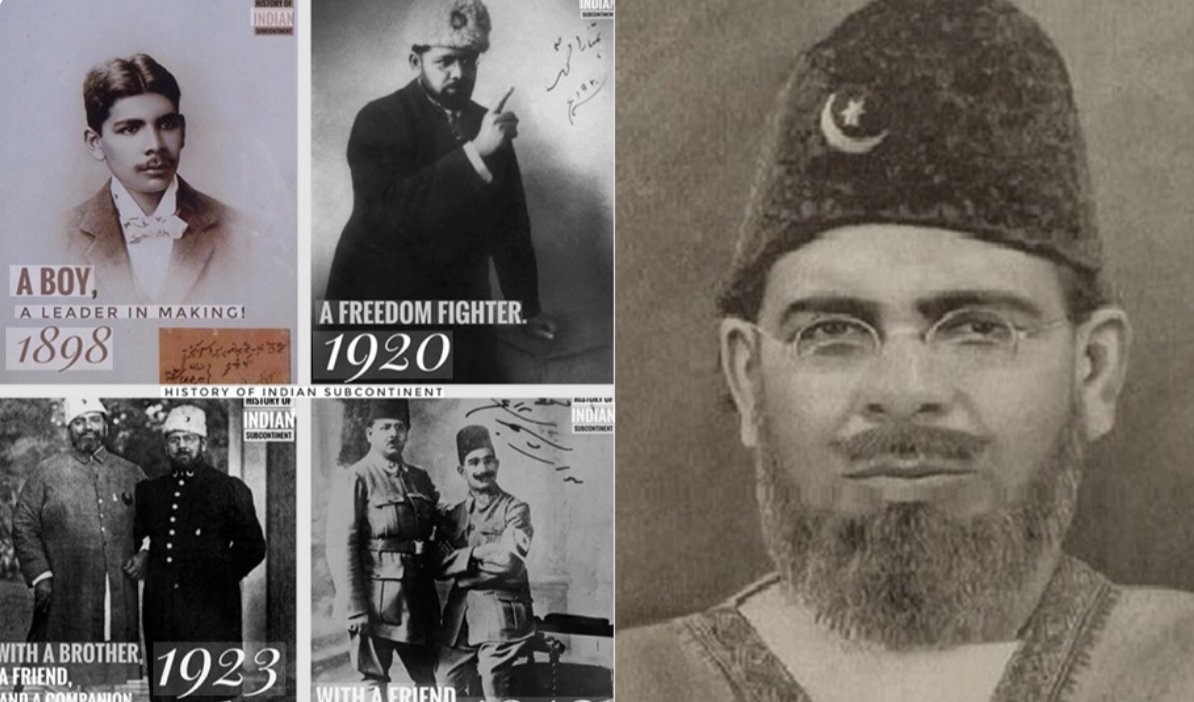
Maulana Muhammad Ali Jauhar Role in India's Freedom Struggle

Discover Maulana Muhammad Ali Jauhar's role in India's independence movement, the Khilafat Movement, journalism and education. By News National Editorial Team Maulana Muhammad Ali Jauhar was one of the prominent leaders of India's freedom struggle against British colonial rule. A journalist, poet, political activist and educationist, he helped mobilise public opinion against British policies and played an important role in the Khilafat Movement and the Non-Cooperation Movement. His contribution extended beyond politics to journalism and education, making him a significant figure in India's national movement. Born on 10 December 1878 in Rampur, in present-day Uttar Pradesh, Jauhar received his early education in India before studying at Lincoln College, Oxford, where he pursued modern history. His education and command of English and Urdu later helped him communicate political ideas to different audiences. Journalism as a Voice Against British Rule Jauhar believed that newspapers could educate the public and challenge colonial authority. In 1911, he launched The Comrade, an English-language publication, and in 1913 he started the Urdu newspaper Hamdard. Through these publications, he discussed political developments, criticised British policies and encouraged public debate. His journalism brought him into conflict with the colonial administration, and restrictions on his publications and periods of detention became part of his political life. At a time when the British government exercised considerable control over political activity, his work demonstrated how the press could help spread nationalist ideas and connect people with the wider independence movement. His Role in the Khilafat Movement One of Jauhar's most significant contributions was his leadership in the Khilafat Movement, which developed after the First World War. The movement emerged from concerns among many Indian Muslims about the future of the Ottoman Caliphate following the defeat of the Ottoman Empire. Alongside his elder brother, Maulana Shaukat Ali, Jauhar became one of its leading figures. The brothers helped organise public meetings and political campaigns to mobilise support. Although the movement initially focused on the future of the Caliphate, it became connected with India's struggle against British rule. Mahatma Gandhi supported cooperation with Khilafat leaders, seeing an opportunity to unite people against colonial authority. The resulting alliance helped bring sections of the Muslim community and the Indian National Congress together in a broader campaign of resistance. However, the movement had its own religious and international objectives, and its relationship with Indian nationalism changed as political circumstances developed. Cooperation With Mahatma Gandhi Jauhar supported the Non-Cooperation Movement launched under Gandhi's leadership in 1920. The campaign called on Indians to withdraw cooperation from British institutions and reject selected colonial symbols and practices. The movement encouraged participation in boycotts and promoted the idea that British rule depended partly on Indian cooperation. Jauhar's speeches and political organising helped strengthen the campaign among his supporters. The partnership did not remain without disagreements. Gandhi suspended the Non-Cooperation Movement in 1922 following the violence at Chauri Chaura. Jauhar and other leaders differed over the decision and the direction of the national struggle. Their disagreements illustrate the varied strategies and political priorities within the independence movement. President of the Indian National Congress In 1923, Jauhar became president of the Indian National Congress. His election was an important milestone, reflecting his position in the national movement and his role in bringing different political groups into public debate. He had also been associated with the All-India Muslim League, illustrating that political affiliations and strategies in the period did not always follow the boundaries seen in later decades. His relationship with Congress subsequently became more strained, particularly over questions of political representation and Hindu-Muslim relations. A balanced account of his life must therefore recognise both his role in the anti-colonial struggle and the disagreements that shaped his later politics. Contribution to Education Jauhar also believed that education was essential to India's social and political development. In 1920, he was among the founders of Jamia Millia Islamia, initially established in Aligarh and later moved to Delhi. The institution emerged in the context of the national movement and the desire to develop education outside the colonial system. It eventually grew into a major university. Jauhar's association with Jamia reflects his belief that education could help communities develop intellectual independence and prepare future generations for public life. Final Years and His Legacy In 1930, despite ill health, Jauhar travelled to London to attend the Round Table Conference, where representatives discussed India's constitutional future. He continued to press for freedom from British rule. He died in London on 4 January 1931, sixteen years before India achieved independence in August 1947. His remains were buried in Jerusalem. Maulana Muhammad Ali Jauhar did not live to see the independence for which he campaigned. Nevertheless, his work in journalism, political mobilisation, education and the freedom movement secured him a place in India's modern history. His life also reflects the complexity of the independence struggle: leaders could cooperate against colonial rule while disagreeing over religious concerns, political representation and the future structure of the country. Maulana Muhammad Ali Jauhar contributed to India's freedom struggle through his newspapers, leadership of the Khilafat Movement, participation in the Non-Cooperation Movement and presidency of the Indian National Congress in 1923. His role in establishing Jamia Millia Islamia also demonstrated his commitment to education. Remembering his contribution helps provide a fuller understanding of the different people, movements and ideas that shaped India's journey towards independence. Sources and further reading Jamia Millia Islamia, Sada-e-Jauhar: History and Contributions: https://www.jmi.ac.in/upload/menuupload/sada-e-jauhar_2019_20.pdf Maulana Mohammad Ali Jauhar University, biographical profile: https://jauharuniversity.edu.in/mohammad_ali_jauhar.html Rekhta, Maulana Muhammad Ali Jauhar's biography: https://www.rekhta.org/poets/maulana-mohammad-ali-jauhar/profile This article is an original summary written from historical reference material. Sources are provided for verification and further reading.

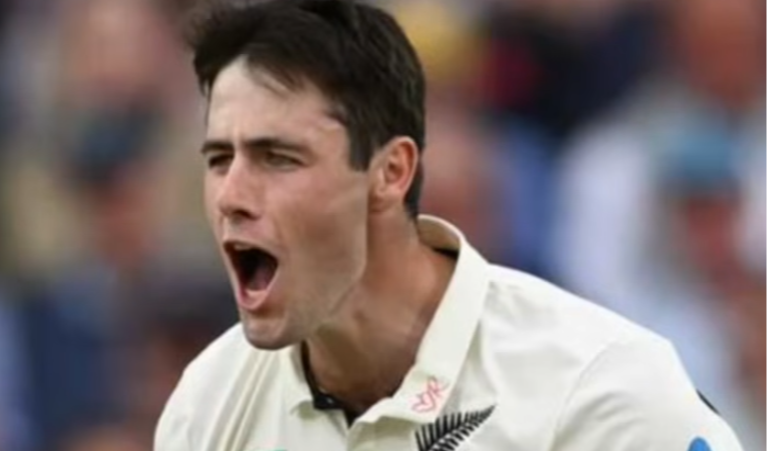
Will O’Rourke Ruled Out of New Zealand’s India Series

New Zealand fast bowler Will O’Rourke will miss the India series while recovering from hamstring and calf injuries. CHRISTCHURCH, October 11, 2026 New Zealand fast bowler Will O’Rourke has been ruled out of the upcoming international series against India as he continues rehabilitation for injuries to his left hamstring and calf. New Zealand Cricket confirmed the decision on Saturday, October 10, saying the pace bowler needs additional time to recover and rebuild his bowling workload safely. The decision means New Zealand will have to plan for the India tour without one of its promising fast-bowling options. O’Rourke had been expected to feature in both the one-day international and Test series, but the medical and coaching teams have chosen a cautious approach rather than risk an early return. New Zealand coach Rob Walter said the situation was disappointing for the player, particularly because the tour against India is an important home assignment. He also stressed that the team’s fast-bowling resources will be important in the months ahead. How the Injuries Developed O’Rourke suffered a hamstring tear during New Zealand’s Test series victory over England in June 2026. He subsequently sustained a calf injury during training in late August, delaying his return to competitive cricket. Recovering from multiple lower-body injuries can be complicated for fast bowlers. Their action places substantial demands on the hamstrings, calves and other muscle groups involved in acceleration, delivery stride and follow-through. Returning before the body is ready can increase the risk of another injury and prolong the period away from the team. For that reason, rehabilitation programmes generally involve gradual increases in running, strength work, bowling intensity and workload. A player may be able to complete some training activities before being ready to handle the physical demands of international cricket. New Zealand’s decision suggests the management team wants O’Rourke to regain full fitness rather than rush him into a demanding series. The board has not indicated that he will be available for the India matches. A Significant Tour for New Zealand The upcoming India tour is scheduled to include five Twenty20 internationals, five one-day internationals and two Test matches. The opening T20I is scheduled for Christchurch on October 22, according to Reuters’ report. The length and variety of the tour make player management particularly important. T20 cricket demands short bursts of high-intensity performance, while one-day and Test matches place different demands on bowlers in terms of spells, recovery and workload. Fast bowlers are especially valuable in Test cricket, where teams often need sustained pressure across long innings. In limited-overs matches, pace and variations can be decisive during the opening overs and at the end of an innings. Without O’Rourke, New Zealand’s selectors will need to consider the available fast-bowling options and how best to distribute workloads across the formats. The final selection decisions will depend on fitness, form, conditions and the balance of the squad. Why a Cautious Return Matters Walter said the team wanted O’Rourke to have enough time to rehabilitate both injuries and build up his bowling loads safely. The coach also highlighted the importance of preserving New Zealand’s pace resources for the upcoming international schedule. O’Rourke will instead aim to return to full fitness ahead of New Zealand’s four-Test tour of Australia, which is scheduled to begin on December 9. That target gives the bowler a longer recovery window, although it should not be interpreted as a guarantee that he will be available for the Australia series. His progress will depend on medical assessments, rehabilitation milestones and how his body responds when bowling intensity increases. A successful return requires more than the disappearance of pain. Fast bowlers need to demonstrate that they can repeatedly deliver at international intensity without a recurrence of the injury. A gradual build-up can help teams reduce unnecessary risk. What It Means for the India Series O’Rourke’s absence removes one option from New Zealand’s plans, but it also gives other bowlers an opportunity to establish themselves. The selectors will need to balance immediate requirements with the longer-term interests of the squad. For India, the change may influence preparations, although the effect will depend on New Zealand’s final team and the performances of the players selected to replace him. The key development is the decision to prioritise O’Rourke’s recovery. New Zealand faces a demanding international calendar, and protecting the fitness of its fast bowlers will be essential if the team is to compete across multiple formats. By News National Editorial Team Source: Reuters — New Zealand’s O’Rourke ruled out of India series

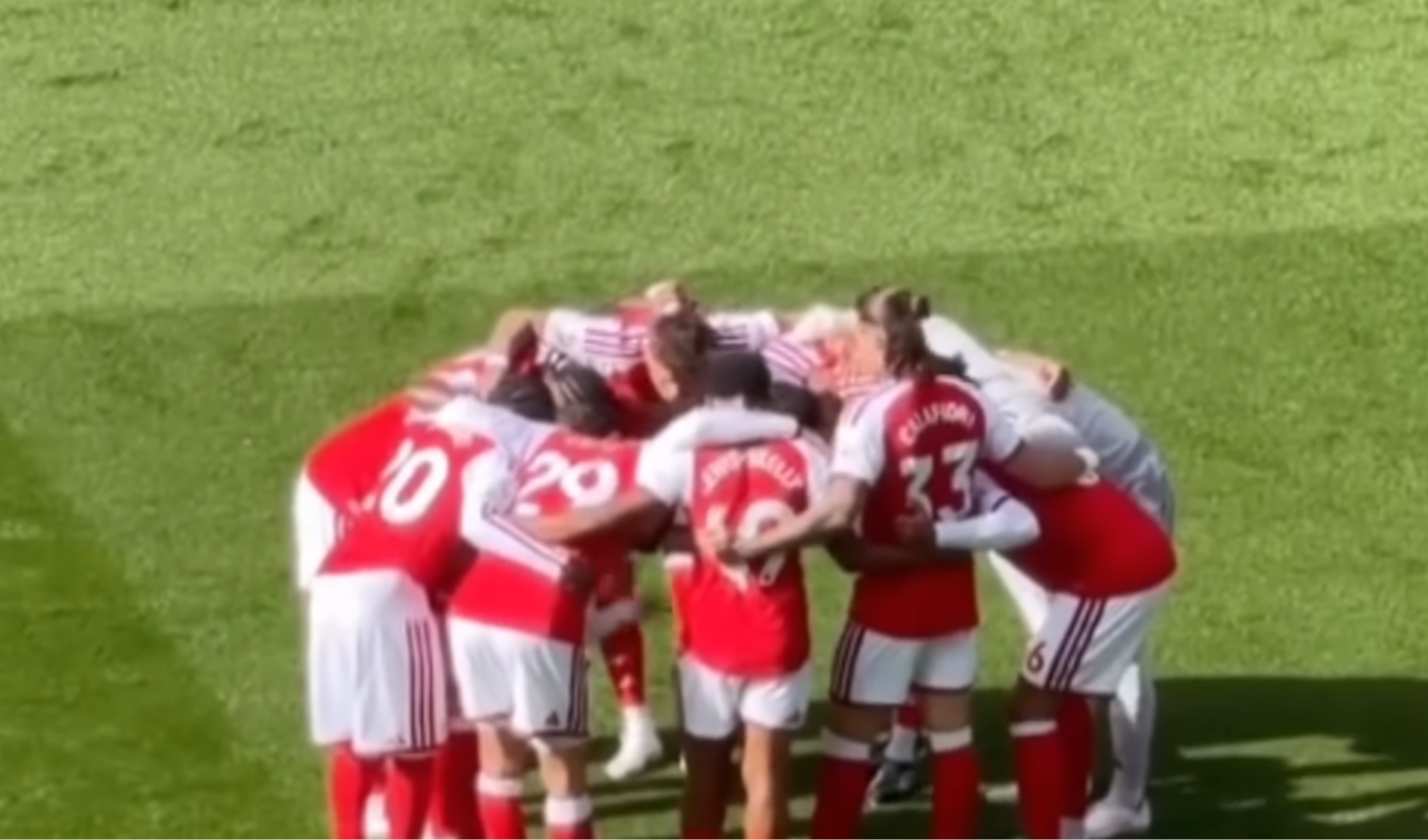
Arsenal Beat Leeds 2–1 After Bruno Guimarães Winner

Arsenal recovered from a goal down to beat Leeds United 2–1, with Riccardo Calafiori equalising before Bruno Guimarães scored the winner. LONDON, October 11, 2026 Arsenal came from behind to defeat Leeds United 2–1 at the Emirates Stadium on Saturday, with substitute Bruno Guimarães scoring the winning goal in the 70th minute. The victory gave Arsenal three important Premier League points as the competition resumed following the international break. The match appeared to be moving in Leeds’ favour after a frustrating first half for the home side. Arsenal struggled to create clear chances before Leeds took the lead shortly after half-time. But the hosts responded quickly, equalised through Riccardo Calafiori and then completed the comeback through Guimarães. The result highlighted Arsenal’s ability to recover from a difficult position, although the performance also showed that the team can be made uncomfortable when opponents defend effectively and exploit opportunities on the counterattack. Leeds Take the Lead Leeds opened the scoring 10 minutes into the second half. James Justin finished a move created by Gabriel Gudmundsson, whose pull-back provided the opportunity for the goal. The breakthrough rewarded Leeds for remaining competitive during a match in which Arsenal had struggled to turn possession into clear chances. For the visitors, taking the lead at the Emirates created an opportunity to challenge one of the league’s leading sides and potentially leave London with a valuable result. Arsenal faced the task of responding without allowing frustration to affect their decision-making. A team trailing at home can become vulnerable if it commits too many players forward, leaving spaces for the opposition to exploit. The response required attacking urgency while maintaining enough structure to prevent Leeds from extending their advantage. Calafiori Restores Parity Arsenal equalised seven minutes after conceding. Riccardo Calafiori met a knock-down from Ben White and directed the ball into the net, bringing the home side back into the contest. The quick response was important because it prevented Leeds from settling into a defensive approach built around protecting a narrow lead. It also gave Arsenal renewed confidence and allowed the team to increase pressure on the visitors. Calafiori’s goal demonstrated the value of contributions from different areas of the pitch. While forwards often receive most of the attention, defenders can influence a match through their movement and timing in attacking situations, particularly when teams face compact defensive lines. The equaliser changed the momentum, but Arsenal still needed another goal to secure the win. With the match level, both sides had reason to look for the decisive moment. Guimarães Delivers the Winner That moment arrived in the 70th minute when substitute Bruno Guimarães scored for Arsenal. The Brazilian midfielder produced a low finish into the far corner after a well-worked attacking move. His goal completed the comeback and gave Arsenal the advantage they had been seeking. Introducing a substitute who can influence the match is an important element of modern football management, especially when the opposition has become organised defensively. Guimarães’ contribution also provided a reminder that matches can turn on individual decisions and execution. Arsenal had struggled to find a breakthrough in the first half, but improved their position through a quick equaliser and a decisive finish in the final stages. Leeds had little time to recover from the winning goal. The visitors’ early advantage ultimately proved insufficient to secure a result. What the Victory Means for Arsenal According to Reuters reporting carried by Channel NewsAsia, Arsenal climbed to second in the Premier League table on 15 points, level with Manchester City on points but behind on goal difference. Leeds remained fifth on nine points at the time of the report. The standings remain subject to change as more fixtures are completed. Nevertheless, earning three points after falling behind is valuable during a season in which small margins can influence the title race and qualification positions. Arsenal will want to build on the comeback while reviewing the slow start that allowed Leeds to take control for periods of the match. Stronger first-half chance creation would reduce the need for late recoveries in future fixtures. For Leeds, the defeat will be disappointing because the team had placed itself in a position to secure a positive result. The challenge now is to retain the defensive organisation shown in the first half while finding ways to manage pressure after conceding. The match provided a clear example of how quickly a Premier League contest can change. Leeds scored first, Arsenal responded, and Guimarães ultimately decided the outcome. By News National Editorial Team Source: Channel NewsAsia, citing Reuters — Guimarães grabs winner as Arsenal rally to beat Leeds

Chelsea Beat Bournemouth 5–1 in Premier League Clash

Chelsea defeated Bournemouth 5–1 as João Pedro and Jordan Henderson scored twice each, while Moisés Caicedo returned to the starting line-up. LONDON, October 11, 2026 Chelsea delivered an emphatic 5–1 victory over Bournemouth in the Premier League on Saturday, producing an attacking performance that gave manager Xabi Alonso reasons for optimism while leaving the visitors searching for answers. The result was one of the weekend’s standout English football stories, with Chelsea combining goalscoring efficiency and improved midfield control. The match also marked an important moment for midfielder Moisés Caicedo, who returned to the starting line-up for his first start of the season after an extended absence caused by a calf injury. Alonso praised the midfielder’s impact, particularly his ability to provide defensive stability and help the team maintain control in the middle of the pitch. Chelsea’s performance included two goals from João Pedro, two from Jordan Henderson and a goal from Morgan Rogers, according to Reuters’ match report. Cole Palmer contributed two assists, adding to an influential display in the attacking areas. Caicedo’s Return Provides a Boost Caicedo’s return was a major positive for Chelsea. A defensive midfielder’s contribution is not always reflected in the goals column, but positioning, ball recovery and the ability to interrupt opposition attacks can determine how effectively a team controls a match. Alonso highlighted Caicedo’s importance to the team’s balance. His presence alongside Henderson helped Chelsea protect the defence while allowing attacking players to move forward with greater confidence. After a prolonged period without a start, Caicedo’s performance will be closely watched in the coming fixtures. Returning from a calf injury requires careful management, and the club will need to assess his fitness as the schedule continues. For Chelsea, the objective is not simply to produce one high-scoring result but to establish consistency. Strong midfield performances can help a side manage difficult periods, reduce pressure on defenders and create better conditions for attacking players. Chelsea’s Attack Delivers The five-goal return demonstrated Chelsea’s ability to turn attacking opportunities into a decisive scoreline. João Pedro’s two goals provided a major contribution, while Henderson’s pair added further pressure on Bournemouth. Palmer’s two assists also underlined his importance in creating opportunities for teammates. Chelsea’s attack benefited from players contributing in different ways rather than relying on one individual to produce every decisive moment. However, a convincing scoreline does not mean every aspect of the performance was flawless. Alonso noted that Chelsea had failed to keep a clean sheet for 22 consecutive league matches. That defensive record remains an area requiring attention, particularly against opponents capable of exploiting space during transitions. Chelsea captain Reece James also suffered a knee injury, according to Reuters. The extent of the problem and his availability for future matches will be important considerations for the club’s medical and coaching staff. Bournemouth Face Questions After Heavy Defeat Bournemouth’s 5–1 loss was a difficult outcome, particularly as the team continues its campaign under new manager Marco Rose. Reuters reported that Bournemouth remained winless and were affected by the absence of key players. A heavy defeat can expose problems in defensive organisation, midfield protection and the ability to respond when a match begins to move away from a team. Bournemouth will need to review the goals conceded and determine whether tactical adjustments or changes in personnel are required. The result should not be treated as a complete assessment of Bournemouth’s season, but it highlights the challenge facing the club as it seeks its first win under the new manager. What the Result Means For Chelsea, the victory provides momentum and encouraging signs from Caicedo’s return. Yet maintaining that progress will depend on player fitness, defensive improvement and the ability to repeat the performance against different opponents. For Bournemouth, the immediate priority will be to stop the run of poor results and restore confidence. The next fixtures will offer an opportunity to respond, but the team will need to show greater defensive resilience. The match delivered goals and a clear winner, while also leaving both clubs with issues to address. Chelsea will want to build on the attacking display without overlooking defensive concerns, and Bournemouth will need a measured response to a difficult afternoon. By News National Editorial Team Source: Reuters — Alonso hails Caicedo’s impact as Chelsea crush Bournemouth

Verstappen Wins Singapore F1 Sprint After Rain and Crashes

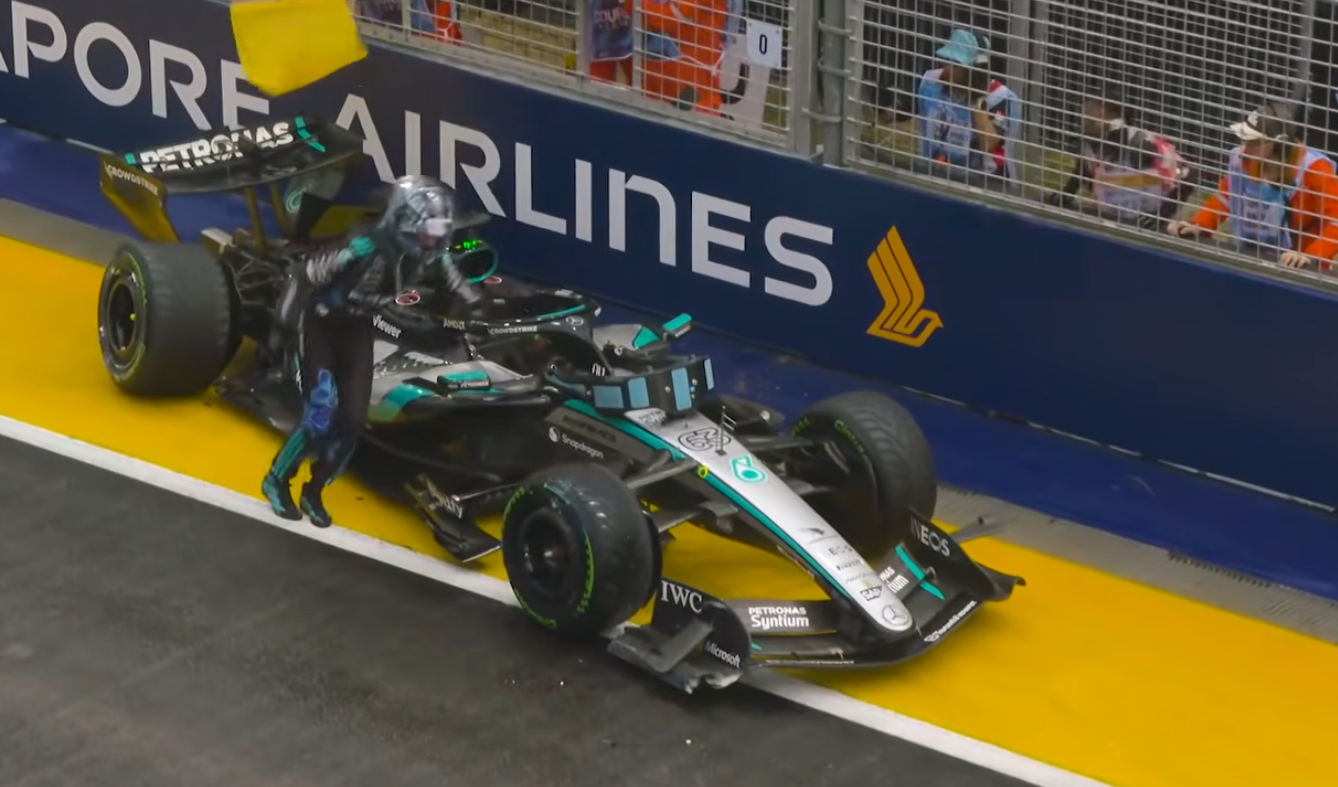
Max Verstappen won Singapore’s rain-hit Formula One Sprint as nine drivers retired and late McLaren contact added to the drama. SINGAPORE, October 11, 2026 Max Verstappen won a dramatic Formula One Sprint at the Singapore Grand Prix on Saturday after heavy rain, multiple crashes and a series of retirements disrupted the short race. The victory marked Verstappen’s first Sprint win in Singapore and provided a major talking point ahead of Sunday’s main Grand Prix. The race was affected by difficult weather conditions, forcing officials to delay the start by more than 30 minutes. Once the action began, drivers faced a demanding combination of a wet track, limited visibility and the tight confines of the Marina Bay street circuit. Nine drivers ultimately retired, making the event one of the most chaotic Sprint races of the season. Verstappen started from pole position but did not make the clean getaway he wanted. Nevertheless, he managed to maintain his position as the race developed. Mercedes driver George Russell crashed out on the opening lap, changing the shape of the contest and contributing to the disruption that followed. Ferrari drivers Lewis Hamilton and Charles Leclerc finished second and third respectively, giving Ferrari a strong result in a race where staying on track was as important as outright speed. Championship leader Kimi Antonelli of Mercedes finished fourth. Rain Changes the Race Singapore’s street circuit is already one of Formula One’s most demanding venues. Its narrow sections leave drivers with little room to recover from mistakes, while barriers close to the track make even a small loss of control potentially costly. Wet conditions increased those difficulties. Drivers had to balance grip, tyre temperature and braking performance while avoiding rivals and debris. The delayed start also changed the rhythm of the event, requiring teams to reassess their preparations before the cars could race. The high number of retirements underlined how quickly conditions could turn a competitive race into a survival test. For teams, the Sprint offered an opportunity to score points, but it also carried the risk of damage ahead of the main event. Russell’s early crash was one of the key incidents. His retirement removed a major Mercedes contender from the immediate fight for Sprint honours and left the team needing to review the circumstances before the Grand Prix. McLaren Loses Its Podium Opportunity McLaren’s Oscar Piastri and Lando Norris were involved in a late collision that ended their hopes of securing a podium finish. The incident added another dramatic twist to a race already affected by weather and retirements. The collision was particularly significant because both drivers had the potential to collect valuable points. Instead, their late-race clash became one of the defining incidents of the event and raised questions about how the team would approach the remainder of the weekend. Antonelli’s fourth-place finish was also important for the championship. According to Reuters, the result extended his lead over Mercedes teammate Russell to 89 points. That gap makes every race weekend increasingly significant as the season progresses. Verstappen Looks Ahead to the Grand Prix Despite winning the Sprint, Verstappen acknowledged that his start needed improvement. He warned that another slow getaway in the main race could put him under immediate pressure, particularly at a circuit where overtaking can be difficult. The Sprint result gives him momentum, but it does not guarantee victory in Sunday’s Grand Prix. Qualifying performance, tyre strategy, weather and safety-car interruptions can all affect the final result at Singapore. Teams also need to assess vehicle damage after the numerous incidents. Engineers will examine the cars, review data and decide whether changes are needed before the longer race. For fans, the Sprint demonstrated the unpredictability of Formula One when weather and a demanding circuit combine. For the championship contenders, the main question is whether they can turn Saturday’s lessons into a more controlled performance on Sunday. By News National Editorial Team Source: Reuters — Verstappen claims first Singapore win as nine retirements mar chaotic Sprint

Israeli Drone Strike Wounds Six in Lebanon Near Syria Border

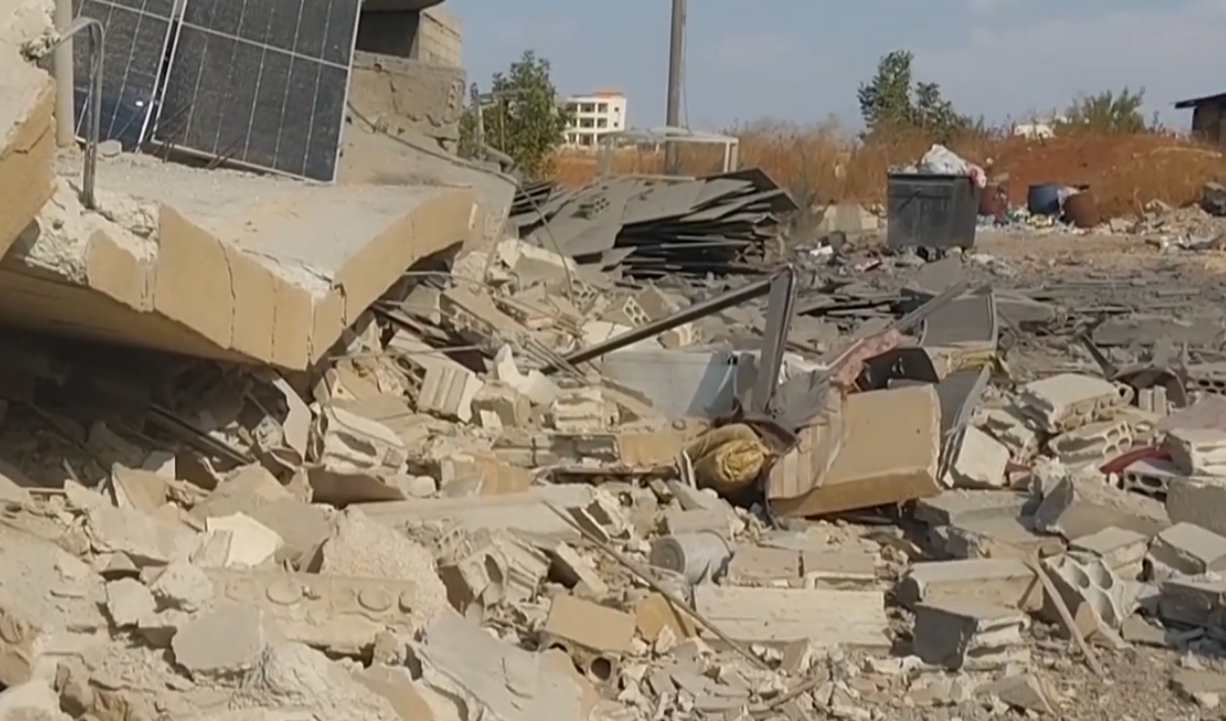
An Israeli drone strike wounded six people in Lebanon’s Hermel district as Beirut welcomed a separate US aviation decision. BEIRUT, October 11, 2026 An Israeli drone strike in Lebanon’s northeastern Hermel district, near the Syrian border, wounded six people, including five Syrian nationals and one Lebanese citizen, according to Lebanese health authorities. The incident has renewed attention on security along the border and the risks facing civilians in areas affected by regional tensions. The Lebanese Health Ministry reported the casualties following the strike, while the state-run National News Agency said a vehicle had been targeted. Among those wounded were two Syrian women, according to reporting by Al Jazeera. Israel’s military said it had targeted a Syrian individual whom it accused of operating under Iranian direction and planning attacks against Israeli forces in southern Syria. That explanation was Israel’s stated justification for the operation; it was not independently established by the Lebanese casualty report. The Hermel area lies in northeastern Lebanon, close to the Syrian border. Although the district has experienced less frequent attacks than some other parts of Lebanon, the latest incident demonstrates that border areas remain vulnerable as Israel continues to pursue people it says pose security threats. Ceasefire and Regional Security Concerns The strike comes amid continuing tensions between Israel and Hezbollah, the armed group backed by Iran. A ceasefire agreement reached in June had reduced attacks in some areas, but the latest incident highlights the challenges of maintaining calm along the border. Lebanon has repeatedly faced the consequences of the wider confrontation between Israel and Iran-aligned groups. Drone strikes and other military operations have raised concerns about civilian safety, the risk of further escalation and the ability of displaced families to return to their homes. The targeting of a vehicle also raises questions about the risks to people travelling through affected districts. Local residents and authorities face difficulties assessing whether an area is safe when military activity can occur with limited warning. Lebanon Welcomes US Aviation Decision In a separate development, Lebanon welcomed a US decision to lift a longstanding restriction affecting flights to the country. According to The Associated Press, Lebanese President Joseph Aoun described the move as a positive development for the country’s aviation sector. The decision has potential significance for Lebanon’s connectivity with international destinations, although the practical effect will depend on airline decisions, security assessments and applicable aviation rules. It does not, by itself, guarantee an immediate return to normal flight schedules or a broader recovery in tourism. The aviation development comes as Lebanon seeks to restore confidence in its transport links and economy after years of political and security challenges. Reliable air connections are important for tourism, trade, business travel and the Lebanese diaspora. What Happens Next? The drone strike and the aviation announcement illustrate two different aspects of Lebanon’s current situation: continuing security risks and efforts to improve international connectivity. The immediate concern is the condition of those wounded and whether further military activity follows the strike. Any assessment of the security situation will depend on subsequent incidents, official statements and developments along the Lebanese-Syrian and Lebanese-Israeli frontiers. By News National Editorial Team Sources Al Jazeera — Israeli drone attack wounds six in Lebanon near Syria border Associated Press — Middle East developments, including Lebanon’s response to the US aviation decision

Palestinian Elections Postponed to September 2027 by Abbas

Mahmoud Abbas has postponed Palestinian legislative and presidential elections until September 11, 2027, citing security concerns and Israeli restrictions. RAMALLAH, October 11, 2026 Palestinian President Mahmoud Abbas has postponed legislative elections that had been scheduled for November 2026 and set September 11, 2027, as the new date for both parliamentary and presidential voting. The decision delays a long-awaited opportunity for Palestinians to elect national representatives amid continuing conflict, political divisions and serious security challenges. The announcement was made through a presidential decree reported by the official Palestinian news agency WAFA on October 10. The decree cited obstacles linked to Israeli measures and the absence of conditions considered necessary for elections that would be free, fair and inclusive. The proposed vote is intended to cover Palestinians in East Jerusalem, the West Bank and the Gaza Strip. However, arranging elections across these territories remains complicated by restrictions on movement, the humanitarian situation in Gaza and the wider conflict. Why the Elections Were Delayed According to the decree, Israeli military operations, settlement expansion, violence by settlers and restrictions on movement in the West Bank have created difficulties for electoral preparations. The Palestinian leadership also cited concerns about access for election officials and international observers, particularly in Gaza and East Jerusalem. The decree pointed to the severe humanitarian and security conditions in Gaza, the incomplete withdrawal of Israeli forces and the slow progress of reconstruction. It also referred to challenges involving the deployment of international stabilisation forces and police. Israel has rejected the Palestinian leadership’s explanation for postponing the vote. Israeli Foreign Minister Gideon Sa’ar accused Abbas of using the situation to avoid responsibility and accountability, according to Reuters reporting. The competing explanations underline the political disagreement surrounding the decision. A Long Gap Since the Last Elections The postponement is significant because Palestinians have not held a presidential election since 2005 or a legislative election since 2006. Abbas has remained in office while governing largely by decree since his presidential mandate expired in 2009. The 2006 legislative election was won by Hamas, deepening the political conflict between Hamas and Abbas’s Fatah movement. Hamas later took control of Gaza, while the Palestinian Authority continued to administer parts of the West Bank. The division has complicated efforts to establish a unified political system and organise elections across the Palestinian territories. Repeated delays have also fuelled criticism from Palestinians who want a renewed mandate for their leaders. Critics argue that postponing elections prevents voters from holding political parties accountable and leaves existing leadership structures in place without a new national vote. International Pressure and Political Challenges The election timetable has attracted international attention as Palestinian leaders face calls for political reforms and stronger democratic legitimacy. France has supported efforts to move towards elections, while the European Union has indicated support for election observation. The postponement may complicate efforts to rebuild confidence in Palestinian institutions among residents and international partners. Holding credible elections would require not only a confirmed date but also practical arrangements for voter registration, campaigning, security, monitoring and participation across the territories. The new date of September 11, 2027, provides a revised timetable, but it does not guarantee that voting will take place as planned. Progress will depend on security conditions, access for electoral officials, political cooperation and whether arrangements can be made for participation in Gaza, the West Bank and East Jerusalem. For Palestinians, the central issue remains whether the next timetable will lead to a credible vote after nearly two decades without national elections. The coming months will show whether the authorities and relevant parties can address the obstacles identified in the decree. By News National Editorial Team Sources Reuters — Abbas postpones Palestinian elections, sets presidential poll for September 2027 Associated Press — Palestinian elections postponed to September 2027 Al Jazeera — Palestinian legislative elections postponed until September 2027

Rahul Gandhi Meets Tamil Nadu CM Vijay in Chennai

Rahul Gandhi met Tamil Nadu CM Vijay in Chennai before a student outreach event, drawing attention to education issues and opposition alliance ties. CHENNAI, October 11, 2026 Congress leader Rahul Gandhi met Tamil Nadu Chief Minister and Tamilaga Vettri Kazhagam (TVK) president C. Joseph Vijay at his residence in Neelankarai, Chennai, on October 10, ahead of a student outreach programme organised by the Congress. The meeting drew political attention amid developments in Tamil Nadu’s opposition alliance and renewed focus on education and employment issues. According to media reports, Gandhi and Vijay held a lunch meeting that lasted around an hour. After their discussions, the two leaders visited a nearby café in the Palavakkam area, where they reportedly had coffee, cookies and tiramisu. The informal outing added a public dimension to a meeting that was being closely watched because of its political significance. Political Significance of the Meeting The meeting came as TVK and the Congress were strengthening their political relationship within the opposition alliance. It was reported to be their first interaction since the alliance’s recent formalisation and TVK’s entry into the INDIA bloc. The discussions reportedly covered political issues, although neither side publicly disclosed a detailed agenda or announced a specific agreement following the meeting. As a result, the visit should be viewed as an important political interaction rather than confirmation of any new policy decision. The meeting also followed reported victories by the ruling alliance in the Madurantakam and Dharapuram Assembly by-elections. These developments have added to the attention surrounding cooperation between the Congress and TVK as they navigate Tamil Nadu’s political landscape. Rahul Gandhi’s Student Outreach Programme After meeting Vijay, Gandhi attended the Congress youth outreach programme, “Chhatron Ki Goonj,” also known in Tamil as Maanavargalin Kural, at Island Grounds in Chennai. The programme was designed to give students an opportunity to raise concerns about education, competitive examinations, employment opportunities and the cost of pursuing higher education. Congress representatives also highlighted issues relating to the National Eligibility-cum-Entrance Test (NEET), education for girls and women, and the Union government’s education policies. The event formed part of the Congress’s wider effort to engage young people directly and bring student concerns into political discussions. Tamil Nadu’s debates over NEET and the relationship between state and Union education policies provided an important backdrop to the programme. What Happens Next? The meeting between Gandhi and Vijay highlights the growing public interest in cooperation between TVK and the Congress. Their discussions may be relevant to future coordination, but the precise subjects agreed upon remain unclear because no detailed official account of the talks was made public in the reports reviewed. For now, the meeting is notable for bringing the two leaders together before a programme focused on young people and their concerns. Whether the interaction leads to further political coordination will depend on subsequent announcements, policy positions and developments within the alliance. By News National Editorial Team Sources India Today – Rahul Gandhi meets CM Vijay in Chennai The Hindu – Tamil Nadu CM Vijay hosts Rahul Gandhi The Week – Rahul Gandhi’s Chennai student interaction

Tirupati Modi Jatara at SVU Stadium 75-Foot Cutout and Drum Event

Tirupati’s SVU Stadium hosted a Modi Jatara programme with a 75-foot cutout and a planned 75-hour folk-drum performance. By News National Editorial Team TIRUPATI, Andhra Pradesh | October 11, 2026 Tirupati witnessed a special programme celebrating Prime Minister Narendra Modi’s public-service journey, with a 75-foot cutout unveiled at Sri Venkateswara University’s Taraka Rama Stadium and a planned 75-hour continuous folk-drum performance. The event was organised as part of the BJP’s Seva Sankalp Abhiyan, according to media reports published on October 7, 2026. The programme attracted attention because of its large cutout, participation by religious figures and the organisers’ attempt to create a record through a continuous drum performance. However, the event should not be confused with a public meeting attended personally by the Prime Minister. Available reports describe a programme organised in his honour, not a confirmed visit by Modi to Tirupati. 75-foot cutout unveiled at SVU Stadium A 75-foot cutout of Narendra Modi was unveiled at the Taraka Rama Stadium on the Sri Venkateswara University campus on October 6, according to The Hindu and other media reports. The installation was organised by the BJP’s State Scheduled Caste Morcha. Panathala Suresh, the organisation’s state president, and other party representatives were reported to have participated in the programme. The organisers linked the event to Modi’s 75th birthday, which falls on September 17, and the completion of 25 years in public office, counting his tenure as Gujarat Chief Minister and his subsequent service as Prime Minister. The cutout became the central feature of the stadium programme and was accompanied by religious ceremonies. Vedic blessings and religious ceremonies A group of Vedic priests performed rituals and offered blessings for the Prime Minister’s health and continued public service. TV9 Telugu reported that 1,000 Vedic scholars participated in a special blessing programme. The ceremonies formed part of the organisers’ tribute to Modi and the wider Seva Sankalp Abhiyan. The campaign was presented by its organisers as an initiative celebrating public service and encouraging participation in activities connected with community welfare. The reported involvement of religious figures added a ceremonial dimension to the event. Details about the number of participants are based on media reports and should be attributed to those reports rather than treated as independently audited figures. Organisers planned a 75-hour drum performance Another major feature was a continuous folk-drum performance planned to run for 75 hours, from October 7 to October 10. Reports said approximately 2,000 performers were expected to participate in the effort, with organisers aiming for recognition in the Guinness World Records. A record attempt does not automatically mean a world record has been achieved. Confirmation would require evidence that the attempt met the applicable rules and was accepted by the relevant record-keeping organisation. As of this report, News National has not independently verified an official Guinness World Records confirmation for this event. The planned performance was intended to make the celebration distinctive while drawing attention to the campaign and its activities in Tirupati. Seva Sankalp Abhiyan activities in Tirupati Other activities associated with the campaign were also reported in the city. Deccan Chronicle reported that the BJP’s youth wing organised a Seva Jyothi Yatra in Tirupati on October 7. Participants gathered to watch Modi’s address before taking out a rally towards Leela Mahal Circle. The report said party representatives and young participants attended the programme, which focused on public service and youth participation. These activities were part of local events marking the campaign, rather than evidence of a scheduled visit by Modi himself. Is Narendra Modi coming to Tirupati for a stadium meeting? The distinction is important for residents looking for information about the Prime Minister’s travel schedule. The reports reviewed for this article confirm that a stadium programme celebrating Modi took place, but they do not confirm that he was scheduled to attend a public meeting there in person. Any claim about a future visit should be checked against an official announcement from the Prime Minister’s Office, the Andhra Pradesh government or the relevant district administration. Readers should avoid relying solely on social-media posters or forwarded messages when making travel plans. The “Modi Jatara” at SVU’s Taraka Rama Stadium brought together a large cutout, Vedic ceremonies and a planned 75-hour folk-drum performance as part of the Seva Sankalp Abhiyan. The event drew media attention in Tirupati, but a record achievement and an in-person visit by the Prime Minister remain separate claims that require independent confirmation. Sources TV9 Telugu — Modi Jatara in Tirupati: 75-foot cutout and 75-hour drum event The Hindu — Modi’s 75-ft tall cutout marks Seva Sankalp Abhiyan in Tirupati Deccan Chronicle — BJP Youth Wing holds Seva Jyothi Yatra in Tirupati Editorial verification note: This article reports a local event and attributes details to published media reports. It does not claim that Modi attended the stadium event or that the Guinness World Records attempt was officially accepted.

PM Modi’s Andhra Pradesh Visit Srisailam and Kurnool Projects

A look back at PM Modi’s October 16, 2025, Andhra Pradesh visit, including Srisailam temple darshan and ₹13,430 crore in announced projects. By News National Editorial Team Kurnool, Andhra Pradesh | October 16, 2025 Prime Minister Narendra Modi visited Andhra Pradesh on October 16, 2025, combining a visit to the renowned Srisailam temple with a public programme in Kurnool focused on infrastructure, industrial development, transport and energy. According to the Prime Minister’s Office (PMO), the programme covered development projects valued at approximately ₹13,430 crore. The visit included religious engagements in Srisailam, in Nandyal district, followed by the inauguration of projects, foundation-stone ceremonies and a public gathering in the Kurnool region. PM Modi visits Srisailam temple The Prime Minister began his programme at Sri Bhramaramba Mallikarjuna Swamy Varla Devasthanam in Srisailam, a major Hindu pilgrimage centre. The temple is recognised as one of the 12 Jyotirlingas dedicated to Lord Shiva and is also associated with the Shakti Peetha tradition. The official itinerary listed the temple visit at approximately 11:15 AM. Modi subsequently visited Sree Shivaji Spoorthi Kendra at around 12:15 PM. The memorial complex commemorates Chhatrapati Shivaji Maharaj’s historical connection with Srisailam. It includes a meditation hall featuring models of four forts associated with Shivaji Maharaj: Pratapgad, Rajgad, Raigad and Shivneri. Development projects worth approximately ₹13,430 crore The main development programme took place in Kurnool at approximately 2:30 PM. The PMO stated that the projects covered several sectors, including roads, railways, power transmission, industrial infrastructure, defence manufacturing, petroleum and natural gas. One major proposal involved strengthening the transmission system at Kurnool-III Pooling Station. The project, valued at more than ₹2,880 crore, included a planned 765-kilovolt double-circuit transmission line connecting Kurnool-III Pooling Station with Chilakaluripeta. The additional infrastructure was intended to improve the movement of renewable electricity through the power grid. Industrial development also featured prominently. The Orvakal Industrial Area in Kurnool and the Kopparthy Industrial Area in Kadapa were included in the programme, with a combined investment of more than ₹4,920 crore cited in the official announcement. The proposed industrial hubs were designed to provide modern infrastructure for businesses and support manufacturing activity. Their longer-term impact will depend on implementation, investment, the arrival of operating industries and the creation of sustainable employment. Roads, railways and energy infrastructure Road and railway connectivity formed another part of the programme. The announced works included a six-lane greenfield highway between Sabbavaram and Sheelanagar, intended to improve connectivity and help ease congestion around Visakhapatnam. Railway projects included the proposed Kottavalasa–Vizianagaram fourth railway line and a rail flyover between Pendurti and Simhachalam North. The programme also included railway-section doubling works intended to strengthen transport capacity. Energy-related initiatives included a natural-gas pipeline project connecting Srikakulam in Andhra Pradesh with Angul in Odisha. Such infrastructure can support energy distribution and industrial activity, although the benefits depend on operational readiness and actual demand. The official programme also listed petroleum and gas-sector infrastructure, including an LPG bottling plant in Chittoor. What the programme means for Andhra Pradesh The projects covered different parts of Andhra Pradesh rather than Kurnool alone. Industrial infrastructure could help attract companies, while improvements to roads, railways and electricity transmission may support logistics, manufacturing and regional connectivity. However, announced investments and foundation-stone ceremonies should not automatically be treated as completed projects or confirmed job creation. Individual project timelines, construction progress and operational outcomes need to be verified through subsequent government updates. For residents and businesses, the key indicators to watch are implementation schedules, functioning industrial facilities, improved transport links and measurable employment opportunities. Narendra Modi’s October 16, 2025, Andhra Pradesh programme brought together a visit to Srisailam and a development event in Kurnool involving projects valued at approximately ₹13,430 crore. The initiatives covered industrial development, energy infrastructure, roads and railways. Their lasting significance will depend on how effectively the projects progress from announcements and construction to operational infrastructure and tangible benefits for the state. Sources Prime Minister’s Office, Government of India — PM to visit Andhra Pradesh on 16 October 2025 Prime Minister’s Office, Government of India — Development projects worth ₹13,430 crore in Kurnool, Andhra Pradesh Editorial note: This is a retrospective report about the 2025 visit, not a confirmation of a visit scheduled for October 16, 2026.