
Language Settings
Select Website Language

GDPR Compliance

We use cookies to ensure you get the best experience on our website. By continuing to use our site, you accept our use of cookies, Privacy Policy, and Terms of Service.

Filters

Channels
Topics
Other Filters

Rann of Kutch Guide to Gujarat's White Desert and Rann Utsav

Plan a trip to the Rann of Kutch: the shimmering white salt desert, the Rann Utsav tent city, Kalo Dungar views, handicraft villages and Kutchi food. Few landscapes feel as unreal as the Great Rann of Kutch. After the monsoon retreats, this vast seasonal salt marsh in Gujarat's far west dries into a blinding sheet of white crust that seems to merge with the sky. Come the cool months, it hosts the Rann Utsav, a sprawling desert festival that turns the emptiness into a stage for music, crafts and full-moon nights. Here is how to make sense of it and plan a trip that goes beyond the postcard. What makes the White Rann unmissable The Rann is not sand but salt: a flat, cracked expanse left behind when seawater and monsoon flooding evaporate. Stand near Dhordo, the gateway village, and the horizon disappears entirely. The magic peaks around the full moon, when the crust glows silver-blue and the flats mirror the sky. Sunrise and sunset paint the salt in pink and gold, and the sheer scale of the nothingness is the point: there is no other view in India quite like it. It is a landscape you feel as much as photograph. Beyond the salt: crafts, camels and Kalo Dungar Kutch is one of India's richest pockets of living handicraft, so pair the flats with the region's villages. Base yourself near Bhuj and drive out to artisan hamlets such as Nirona, known for Rogan painting (a rare cloth art practised by a single family for generations) and copper-bell making, and Ajrakhpur, famous for natural-dye Ajrakh block printing. Hodka and Ludiya show off intricate Kutchi embroidery and mud-and-mirror bhunga huts. For a different vantage, climb Kalo Dungar (Black Hill), the highest point in Kutch, for a panoramic view over the white desert meeting the sky. The Chhari Dhand wetland and the surrounding grasslands draw flamingos, cranes and other birds in season. Back in Bhuj, the Aina Mahal palace and the old walled bazaar reward a slow wander. Sunset camel-cart rides across the flats are a classic, if touristy, way to reach the salt. When to plan your visit The Rann is a winter destination. The salt desert is at its most walkable and photogenic in the cooler, drier months roughly from late autumn through early spring, which is also when the Rann Utsav tent city operates. Summers are punishingly hot, and during the monsoon the flats flood and become inaccessible. Aim your trip around a full-moon night if you can, when the moonlit salt is at its most spectacular. Note that visiting the White Rann viewpoint near the international border requires a permit, easily arranged at the checkpost or online, so carry photo ID. Getting to Kutch The regional hub is Bhuj, about 80 km from the White Rann at Dhordo. Bhuj has an airport with flights from major Indian cities and a railway station connected to Ahmedabad and Mumbai. Many travellers fly or take the overnight train to Ahmedabad, then drive or take a bus roughly 6-8 hours west to Bhuj. From Bhuj, the salt desert is a comfortable day trip by taxi or a hired car, and having your own vehicle makes the scattered craft villages far easier to string together. Roads are generally good, but distances between sights are long, so plan for driving time. Where to base yourself During festival season the Dhordo tent city offers Swiss-style tents right at the edge of the flats, from simple to plush, making it the closest and most convenient base for sunrise on the salt. Book well ahead, as it fills fast. For a year-round option or a quieter, more local feel, stay at a heritage homestay or resort near Bhuj or in the Banni grasslands, where several artisan communities run guesthouses in traditional bhunga huts. Bhuj town itself has the widest range of ordinary hotels and works well as a hub for exploring the wider region. Local tips worth knowing Eat Kutchi: try dabeli, the region's tangy-sweet spiced-potato bun topped with peanuts and pomegranate, and hearty Gujarati thalis with bajra rotla, kadhi and jaggery. Much of Kutch is vegetarian, and alcohol is prohibited across Gujarat, so plan accordingly. Buy crafts directly from the makers in the villages rather than city shops; you will pay fairer prices and support the artisans who keep these traditions alive. The desert is cold after dark and dazzlingly bright by day, so pack layers, sunglasses and sunscreen. Finally, treat the salt flats with care: stay on marked paths near the viewpoint, carry water, and take your rubbish back with you. Rann of Kutch, Rann Utsav, white salt desert Gujarat, Great Rann of Kutch, Dhordo tent city, Kutch travel guide, Kalo Dungar, Bhuj Gujarat

Attack on Mecca or Medina a 'red line' Sharif warns UN

Pakistan PM Shehbaz Sharif condemned Houthi strikes on Saudi Arabia as army chiefs of Pakistan, Saudi Arabia and Turkiye met in Riyadh over the Mecca pact. Pakistani Prime Minister Shehbaz Sharif told the United Nations General Assembly on Friday that any threat to the holy cities of Mecca and Medina amounts to a "red line that must never be crossed", condemning recent Houthi attacks on Saudi Arabia as "deplorable". Speaking in New York on 25 September, Sharif said a strike that Riyadh has blamed on the Iran-aligned Yemeni group, and which the kingdom says was aimed at Mecca, had "outraged Muslims across the globe". He framed the safety of Islam's two holiest sites as a matter beyond negotiation. The Houthis have rejected the accusation, calling it a "heinous lie". The remarks came the same day the army chiefs of Pakistan, Saudi Arabia and Turkiye gathered in Riyadh. According to the Pakistani military, the three commanders talked through ways to deepen intelligence sharing and coordinate their forces more closely. They assessed the dangers now facing Saudi Arabia, restated a shared duty to defend one another, and vowed to translate their new agreement from paper into working cooperation. That agreement is the Mecca Joint Defence Agreement, a three-way defence pact the countries concluded last month. Its central clause treats an assault on any one signatory as an assault on all. Yet the pledge has not so far pulled Islamabad or Ankara into Saudi Arabia's active confrontation with the Houthis, and both have kept their distance from the fighting. What practical help Turkiye and Pakistan might extend to Riyadh remains undecided. In a written interview with Newsweek published on Friday, Turkish President Recep Tayyip Erdogan suggested any assistance could begin with intelligence, logistics or ammunition, and said broader military support was possible if the threat grew larger. The wider war and the waterways Sharif used much of his address to return to the conflict that erupted when the United States and Israel opened a war against Iran in late February. He highlighted Pakistan's part as a co-mediator, an effort that produced the Islamabad Memorandum of Understanding between Washington and Tehran. That understanding was meant to bring the fighting to a close, but it has since fallen apart even as governments in the region press for a definitive end. The war has driven up energy prices worldwide and sharpened hostilities across the Middle East. "Yet amid the roar of missiles, drones and guns, the voice for diplomacy must echo even louder and stronger," Sharif said. He also pointed to two shipping routes now caught up in the crisis. Iran has effectively shut the Strait of Hormuz, while the Bab al-Mandeb has slipped largely under Houthi control. Sharif described both as "arteries of the global economy" that ought to stay open and secure. Palestine, Lebanon and India The prime minister condemned what he called Israel's "genocidal agenda" in Palestine and denounced "Israeli aggression against Lebanon and Syria". Similar language had come earlier in the day from Lebanese Prime Minister Nawaf Salam during his own turn at the General Assembly. Closer to Pakistan's borders, Sharif turned to strained relations with its neighbours. He criticised India, accusing New Delhi of weaponising the waters of the Indus, a river system the two nations have long managed together. Sharif's speech drew together the threads of a region under strain: a defence bloc newly formed around the protection of Saudi Arabia, a collapsed peace framework, contested sea lanes, and a war whose economic shockwaves have spread far beyond the countries directly involved. His central message to the assembly held that the sanctity of Mecca and Medina sits above the region's other disputes, and that no attack on them can be tolerated. Shehbaz Sharif UN speech, Houthi attack Mecca, Mecca Joint Defence Agreement, Pakistan Saudi Arabia Turkiye pact, Strait of Hormuz blockade, Bab al-Mandeb Houthi, Islamabad Memorandum, US-Israel war Iran

US and Iran Hold First Talks Since June Ceasefire Collapse

Iranian and US officials met at the UN in New York, mediated by Qatar, hours after Trump threatened to 'annihilate' Iran. No breakthrough was reported. Senior officials from the United States and Iran met at the United Nations in New York on Tuesday, holding their first direct contact since a June ceasefire between the two sides broke down. The meeting brought together Iran's Foreign Minister Abbas Araghchi and Steve Witkoff, the envoy of US President Donald Trump, with Qatar acting as mediator. The encounter came on the same day Trump warned he could "annihilate" the Islamic Republic if the conflict remained unresolved. No breakthrough emerged from the discussions. Witkoff said the two delegations had finished a round of talks that he hoped would "prove constructive and promising," while Iran again pressed Washington to halt what it called its "acts of aggression." The fighting began on 28 February, when the United States and Israel struck targets inside Iran from the air. Tehran hit back by attacking Israel and US military bases across the Gulf, striking Arab states allied with Washington and shutting the Strait of Hormuz. Roughly 20% of the world's oil and liquefied natural gas once moved through the waterway, and its closure sent energy prices swinging sharply. The disruption has sharpened the pressure on Trump to bring the confrontation to a close, with the United States approaching Congressional elections in November. His appearance at the annual UN General Assembly reflected that political backdrop. He opened his address by listing achievements on the economy, immigration, border security and crime, remarks that appeared aimed more at American voters than at the diplomats seated before him. Much of the speech was devoted to defending the war against Iran. That stance stood in stark contrast to earlier comments from UN Secretary General António Guterres, who cautioned that divisions between nations were widening and stressed the "interdependence" binding the world's peoples together. Trump's ultimatum at the podium Trump told the assembly that the campaign against Iran had stopped Tehran from acquiring a nuclear weapon, presenting it as proof of what he called peace through strength - a doctrine built on ultimatums rather than negotiation or compromise. He framed the choice starkly. "Will a deal be made with Iran that lets them rebuild and create a far greater country than it ever was before?" he asked. "Or do I annihilate the Islamic Republic and do it quickly, never giving them a chance to kill and destroy people and countries again? Do I drive them into hell?" The president said an agreement with Iran, which has so far escaped him, would likely take shape once November's elections had passed. His words captured a strategy of coercive diplomacy: dangling the threat of overwhelming military force while leaving the door to talks ajar. A three-hour meeting on the sidelines Later, speaking to reporters, Trump described a "very productive" three-hour session between American officials and the Iranian delegation held alongside the General Assembly. Iranian state television confirmed that Araghchi had sat down with Witkoff. According to Iranian foreign ministry spokesman Esmail Baghaei, quoted by the state broadcaster IRNA, the exchanges ran through a Qatari intermediary who relayed Tehran's terms. Those conditions included an end to the war on every front and a stop to what Iran describes as American aggression. As Witkoff left the UN building, the BBC asked how the meetings had gone; he answered with a thumbs up. He later set out more detail on X, saying the two sides had never met face to face but had communicated through mediators who "shuttled between the two sides throughout the day." "They successfully completed a round of discussions that we hope will prove constructive and promising," Witkoff wrote. "The mediators will continue their work." Since the June ceasefire fell apart, the two countries have traded fire on and off, and Tuesday's contact marked the first attempt to talk since that truce collapsed. Neither side announced any agreement, but both left open the prospect of further rounds through Qatar. US Iran talks, Steve Witkoff, Abbas Araghchi, Trump Iran annihilate, UN General Assembly, Qatar mediation, Strait of Hormuz, Iran nuclear

O'Neill 'Baffled' by Refereeing as NI Win Late in Georgia

Michael O'Neill criticised the officiating after Shea Charles' 99th-minute goal gave Northern Ireland a 1-0 Nations League win in Tbilisi over Georgia. Northern Ireland manager Michael O'Neill said he was "baffled" by the officiating in his side's 1-0 Nations League win over Georgia on Friday, a result decided by Shea Charles in the 99th minute in Tbilisi. Charles' late strike earned Northern Ireland their first-ever away win in the Nations League. But O'Neill's post-match focus fell heavily on referee Orel Grinfeeld and a series of decisions the manager felt went against his team. "In the second half we had to show a lot of resilience," O'Neill told BBC Sport NI. "Not only against the opposition, who were very good in the second half when they got Kvaratskhelia in the game a lot more, but some of the decisions that went against us. I was really disappointed in that side of things with how the game was refereed." The match was goalless and slow before the interval, then turned on a run of flashpoints after the restart. In the 65th minute, following a VAR review, Daniel Ballard was judged to have fouled Luka Lochoshvili while challenging for a cross, and a penalty was awarded to Georgia. Georgia captain Khvicha Kvaratskhelia, the Paris St-Germain winger, stepped up to take it. Goalkeeper Pierce Charles saved the spot-kick, keeping the game level. O'Neill questioned the decision to award the penalty at all. "I've not seen the incident back but to me it seemed incredibly harsh to give a penalty for that," he said. "The guy was nowhere near the ball to head it." Northern Ireland then had a penalty appeal of their own turned down in the 88th minute, when Shea Charles appeared to be caught inside the area. "We feel aggrieved that we didn't get one at the other end," O'Neill said. Ballard hamstring injury The manager's anger extended to a challenge on substitute Ceadach O'Neill, who was brought down late in the game without a free-kick being given. In the passage of play that followed, with Georgia breaking forward on the counter-attack, Ballard was injured while chasing a loose ball. "The foul on Ceadach when he came on the pitch causes Dan to get injured," O'Neill said. "I was just baffled by the quality of the refereeing." Ceadach O'Neill won his third cap in the match, a milestone that ties him to Northern Ireland for the next three years. O'Neill confirmed that Ballard, a defender with Sunderland, had suffered a hamstring problem and would be sidelined for Northern Ireland's remaining three fixtures in the window, against Hungary, Ukraine and Georgia. "You saw the nature of how he pulled up. It's a hamstring," the manager said. "We'll scan him tomorrow but he's certainly not going to be available for the next three games." Despite his frustration, O'Neill praised his players for the way they held on and then found a winner deep into stoppage time. He described the performance as "magnificent" and said the team "showed every side of our character tonight." "At times it didn't go our way," he said, before pointing again to the decisions that shaped the contest. The victory, and the two brothers at the centre of it - Pierce Charles with his penalty save and Shea Charles with the winning goal - gave Northern Ireland a landmark result to build on in the campaign. Northern Ireland Georgia, Michael O'Neill, Nations League, Shea Charles, Khvicha Kvaratskhelia, Pierce Charles, Daniel Ballard, Tbilisi

Paramount Pledges 30-Plus Films a Year to Win WBD Deal

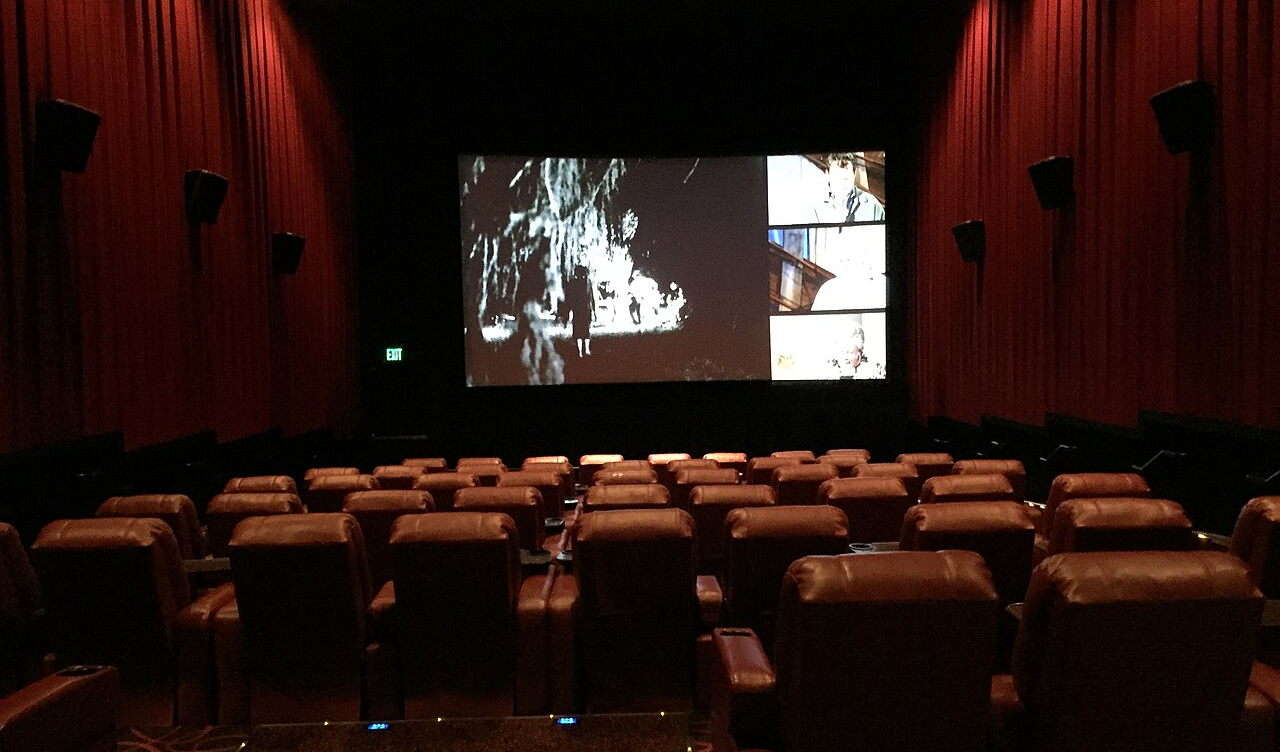
Paramount CEO David Ellison settled antitrust concerns by promising 30-plus theatrical releases a year, but exhibitors worry about what comes after year five. Paramount chief executive David Ellison has committed to releasing at least 30 films in theaters in 2027 and 2028, and at least 32 films in each of 2029, 2030 and 2031, as part of a settlement that clears a path for his company's acquisition of Warner Bros. Discovery. The deal combines two of Hollywood's oldest studios. The theatrical guarantees are written into an agreement Ellison reached this week with a group of state attorneys general who had raised antitrust concerns about the merger. Ellison framed the output in blunt terms: a new movie roughly every 11 days. The combined company already has 35 films scheduled for release next year, according to data from Rentrak. The settlement does more than set a headline number. It specifies how many of the releases must be distributed widely and how many must carry budgets above $50 million. Paramount agreed to face steep financial penalties if it misses those thresholds during the five-year period. Theater owners split on the promise Hollywood has been pressing for more theatrical titles since the Covid pandemic closed theaters and backed up the production pipeline. Ellison began promoting his theatrical commitment as early as April, at the industry's annual CinemaCon event. That pitch won early support from the chiefs of the three largest cinema chains - AMC's Adam Aron, Cinemark's Sean Gamble and Regal's Eduardo Acuna - before the settlement was even finalized. Cinema United, the lobbying group representing theater owners, had firmly opposed the merger. This week it reversed course, saying the agreement with the states "accomplishes many of exhibition's objectives." Not everyone in the business is satisfied. Several theater executives, speaking anonymously to talk candidly, said they remain skeptical. Their doubts center less on the raw count of films than on what those films will be and how the enlarged company will behave. "This is much more complicated than simply asking whether 30 movies is enough," said Paul Dergarabedian, head of marketplace trends at Rentrak. He called 30 wide releases "a meaningful commitment to theatrical" and said exhibitors would welcome a strong pipeline. "But ultimately the proof will be in how those movies perform, how varied the slate is, how consistently they reach theaters and how the combined company executes on those commitments," Dergarabedian said. Concerns over leverage and debt Exhibitors' worries extend beyond the quality of the slate. Several operators told CNBC they fear the merger will shrink the number of studios feeding films into the market and weaken competition. That, they argue, would hand the combined company a stronger hand in negotiating windowing terms and rental fees. The pressure would not fall evenly. Chains that run hundreds of locations can absorb consolidation. Smaller chains and independent operators carry far less bargaining weight and stand to lose the most from any reduction in film supply. The backdrop is an industry still reshaping itself after the pandemic. Screen counts have fallen and audiences have thinned. Higher ticket prices have papered over some of that decline - and are expected to push the domestic box office past $10 billion for the first time since the pandemic - but the economics of moviegoing remain in flux. Historically, studio mergers have led to fewer releases, which cuts into revenue and hits smaller theaters hardest. That pattern is precisely what critics of the Paramount-WBD tie-up are watching for. The sharpest question is what happens when the five-year agreement runs out. Some theater owners doubt Paramount can sustain output of more than 30 theatrical films past the deal's expiration, particularly as production and marketing costs keep climbing. Adding to the strain, the company will carry roughly $79 billion in debt once the merger closes. "Of course, I worry about what happens in year six," said Rob Lehman, president and chief operating officer, capturing the unease among operators who welcome the near-term commitment but see no guarantee beyond it. For now, the settlement resolves the immediate antitrust hurdle and locks in a defined slate of releases through 2031. Whether it delivers the varied, high-performing lineup exhibitors say they need - and whether the pace holds once the obligations lapse - will not be clear for years. Paramount Warner Bros Discovery merger, David Ellison, theatrical release commitment, movie theater exhibitors, antitrust settlement, box office 2027, Cinema United, Rentrak

Fake Booking.com listing sent family to a Wetherspoon pub

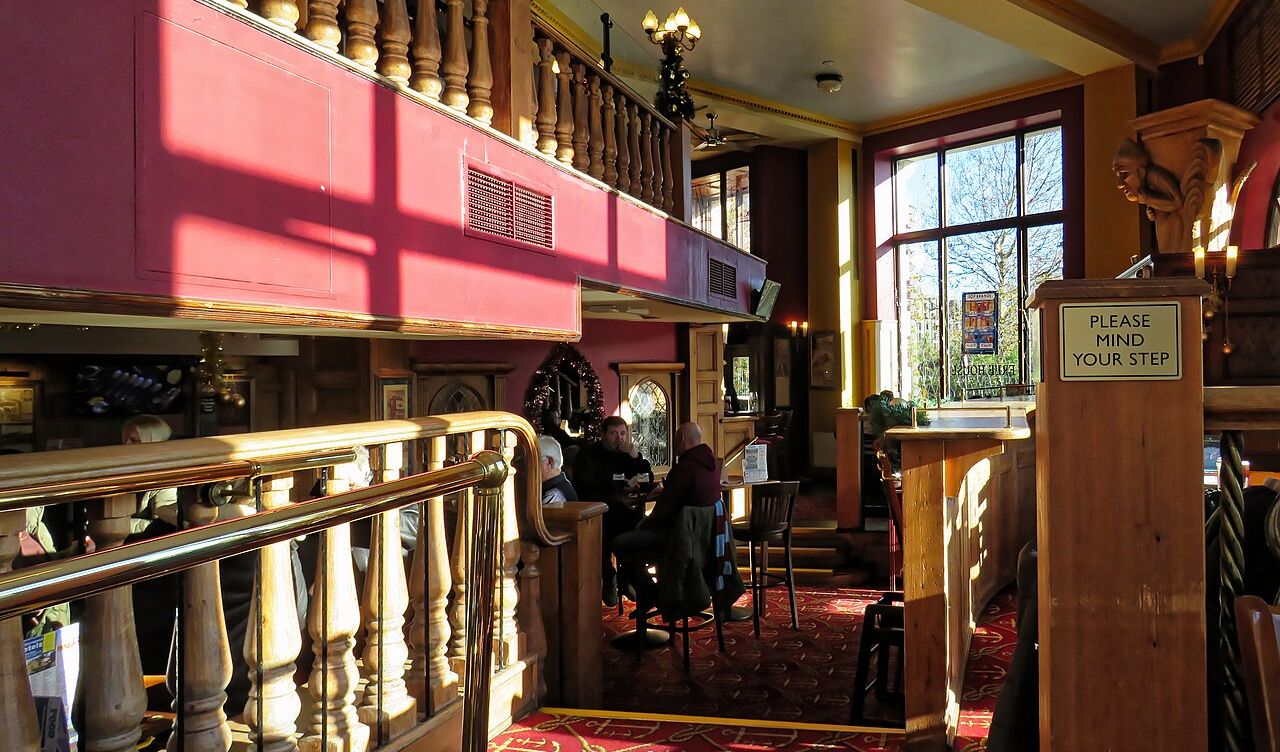
A Loughborough family paid £73 for a London apartment that turned out to be a Wetherspoon pub. Which? says staff turn away 20 tourists a day. A family from Leicestershire paid £73 for a one-night stay at what was advertised as a luxury London apartment, only to find the booking pointed to a Wetherspoon pub near the Tower of London. Paul Dawson, 55, of Loughborough, reserved the room through Booking.com so his family could see the musical Hamilton in the West End. The listing, called The London Crown apartments, gave an address that Dawson later traced to The Liberty Bounds, a Wetherspoon pub in Trinity Square at Tower Hill. Consumer group Which? found that staff at the pub have been sending away as many as 20 tourists each day after fraudsters lifted its address and passed it off as a block of upmarket flats. Dawson made the reservation in August. Two days later, he said, an email arrived from The London Crown carrying a link to a page dressed up to look like Booking.com. The page asked him to enter his bank details. Suspicious, he contacted the platform. According to Dawson, Booking.com told him he would have to travel to the address and wait until after 7pm before it would move him elsewhere. He said he pushed back, explaining he had already worked out the location was The Liberty Bounds and that no apartment existed there. "I explained to the support staff that I had autistic children and the idea of turning up at a clearly non-existent property at 10.30pm would have been catastrophic," he told Which?. He said the answer did not change: he was still directed to the property, and told that if he could not check in he should get back in touch for an alternative. The family eventually booked a room at the Premier Inn in Goodge Street instead. A second listing at Portcullis House Which? said the pub was not the only real building caught up in the fraud. The group was alerted to another advert, headed "Apartments near Big Ben", that listed its address as Portcullis House. That building forms part of the House of Commons estate and provides offices for hundreds of MPs. Booking.com told Which? that in both cases genuine listings had been attacked. The company said criminals had used a "sophisticated phishing attack" to seize control of the entries and redirect bookings. Wetherspoon said it flagged the scam to Booking.com as soon as the pub team became aware of it. The chain added that the fake apartment entry was taken down but then returned, and that the option to make a reservation now appears to be switched off. "We have again notified them, asking for the listing to be permanently removed," Wetherspoon said. The company described the situation as "clearly unacceptable" and said fraud of this kind was "upsetting for the pub team, as there is little they can do to help, but even more so for the people who have been misled and have lost money as a result". It called on Booking.com to bring in stronger checks that would stop bogus listings appearing at all. Hundreds of warning reviews The London Crown entry had drawn 250 negative reviews across August and September, alongside a small number of positive ones that Which? said were probably fabricated. When the BBC examined the listing on Thursday, its details were still on view but the page carried a notice reading: "We're sorry, but this property isn't taking reservations on our site right now." Dawson described the episode as a "sophisticated phishing attack", the same phrase Booking.com used about the way the accounts were hijacked. He was left to arrange fresh accommodation at short notice for a trip built around a single theatre performance. The case points to a pattern in which scammers do not invent addresses out of thin air but instead attach their fake apartments to recognisable, real locations, from a busy chain pub steps from Tower Bridge to a Parliamentary office block beside Big Ben. For travellers, the address on a booking confirmation offered no guarantee that a room existed at all. Booking.com scam, Wetherspoon pub, The Liberty Bounds, phishing attack, fake holiday apartment, Which? consumer, London Crown apartments, travel fraud

Bangkok Uncovered Glittering Temples, Canal Markets and Street Eats

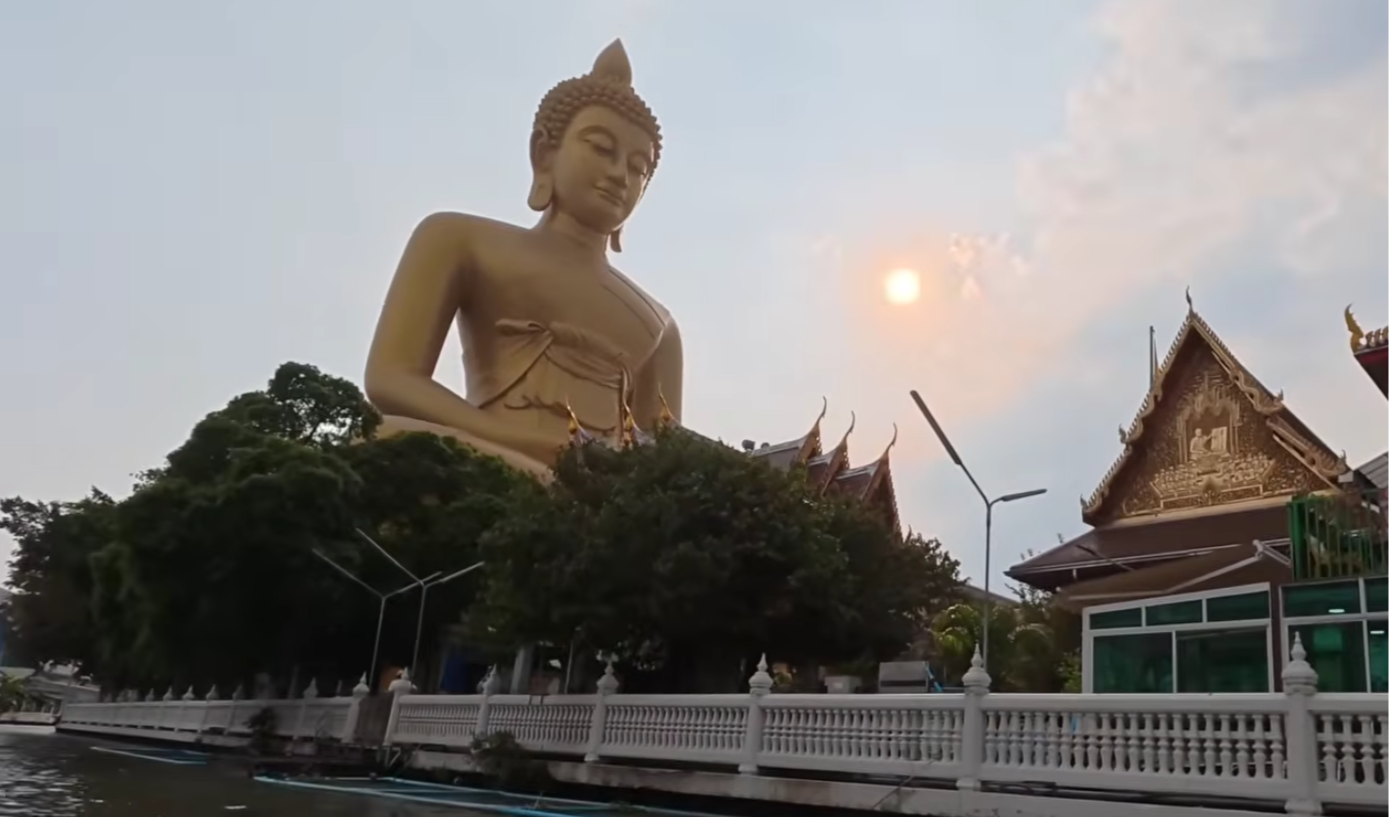
Plan a Bangkok trip with this practical guide to its temples, floating markets, street food, best seasons, transport and neighbourhood tips. Bangkok rarely eases you in. Thailand's capital hits with heat, incense, sizzling woks and tuk-tuk horns all at once, then rewards you the moment you stop fighting the chaos. This is a city where a 200-year-old temple sits beside a glass shopping mall, where a bowl of noodles from a plastic stool can outshine a fine-dining meal, and where the Chao Phraya River still works as the city's main highway. For travellers from India and beyond, it is one of Asia's easiest, cheapest and most rewarding first stops. Here is how to make sense of it. What makes Bangkok worth the trip Bangkok packs several cities into one. There is the old royal quarter of Rattanakosin, dense with gilded temples; the tangle of canals (khlongs) in Thonburi across the river; the neon and rooftop bars of Sukhumvit; and the backpacker energy of Khao San Road. What ties it together is a genuinely world-class food culture that spills onto every pavement, and a warmth of welcome that makes solo travellers and families feel equally at home. You can go temple-hopping at dawn, shop a sprawling weekend market by noon and watch the sun set from a riverboat, all in a day. Top temples and sights Start with the big three in Rattanakosin. The Grand Palace and the adjoining Wat Phra Kaew, home of the revered Emerald Buddha, are the ceremonial heart of the country; dress modestly, with shoulders and knees covered, as the guards strictly enforce it. A short walk away, Wat Pho houses the enormous reclining Buddha and is also the birthplace of traditional Thai massage. Across the river, the porcelain-studded spire of Wat Arun, the Temple of Dawn, is Bangkok's most photogenic landmark, especially in golden light from the opposite bank. Beyond the temples, ride the free Chao Phraya cross-river ferries, wander the flower market at Pak Khlong Talat, and set aside a Saturday or Sunday for Chatuchak Weekend Market, one of the largest markets on earth with thousands of stalls. Floating markets and street food For floating markets, Damnoen Saduak is the famous, photogenic one about 90 minutes southwest of the city, while Amphawa, further out, is more of a local weekend affair with evening firefly boat trips. Both are best reached on an early start to beat crowds and heat. Back in town, the real feast is on the street. Chase down a bowl of boat noodles (kuay teow reua) in the Victory Monument alleys, pad thai near the old town, spicy som tam green papaya salad, grilled moo ping pork skewers with sticky rice, and mango with sweet coconut sticky rice for dessert. Bangkok's Chinatown (Yaowarat) turns into an open-air kitchen after dark, its lanes crowded with seafood grills, dim sum and dessert carts. Eat where the queues are longest and the turnover is fast. Best time to visit Bangkok is hot year-round, but the most comfortable stretch is the cool, dry season from roughly November to February, when humidity drops and days are bright. March to May is the hottest period, when temperatures soar and sightseeing is best done early or late. The monsoon runs from about June to October, bringing short, heavy downpours that rarely last all day and the bonus of fewer crowds and lower room rates. If you can, time a visit around the Thai New Year water festival of Songkran in mid-April for a citywide water fight, or the November Loy Krathong festival of floating lanterns. Getting there and around Bangkok has two airports: Suvarnabhumi (BKK), which handles most long-haul and international flights, and Don Mueang (DMK), a hub for low-cost carriers. Direct flights connect Delhi, Mumbai, Bengaluru, Chennai and Kolkata, and many nationalities including Indian passport holders can enter on visa-on-arrival or a short visa-free stay, so check the current rules before booking. In the city, skip the traffic by using the elevated BTS Skytrain and underground MRT, both cheap, air-conditioned and easy. Grab the Chao Phraya Express boat along the river to reach the old town, and use the ride-hailing app Grab or metered taxis for everything else. Where to stay and local tips For first-timers, staying near a BTS or MRT station saves hours. Sukhumvit offers modern hotels, malls and nightlife; Silom suits business and easy transit; Riverside near the Chao Phraya is scenic and close to the temples; and Old Town/Banglamphu puts you within walking distance of the sights. Two tips: always agree a tuk-tuk fare before getting in, and be wary of strangers who claim a temple is "closed today" and offer a cheap tour instead - it is a common scam. And carry small notes, since the best street food stalls rarely have change for large bills. Bangkok travel guide, Bangkok temples, floating markets Bangkok, Bangkok street food, Wat Arun, Chatuchak market, best time to visit Bangkok, Bangkok BTS Skytrain

Paris for First-Timers Eiffel Tower, the Louvre and a Walkable Plan

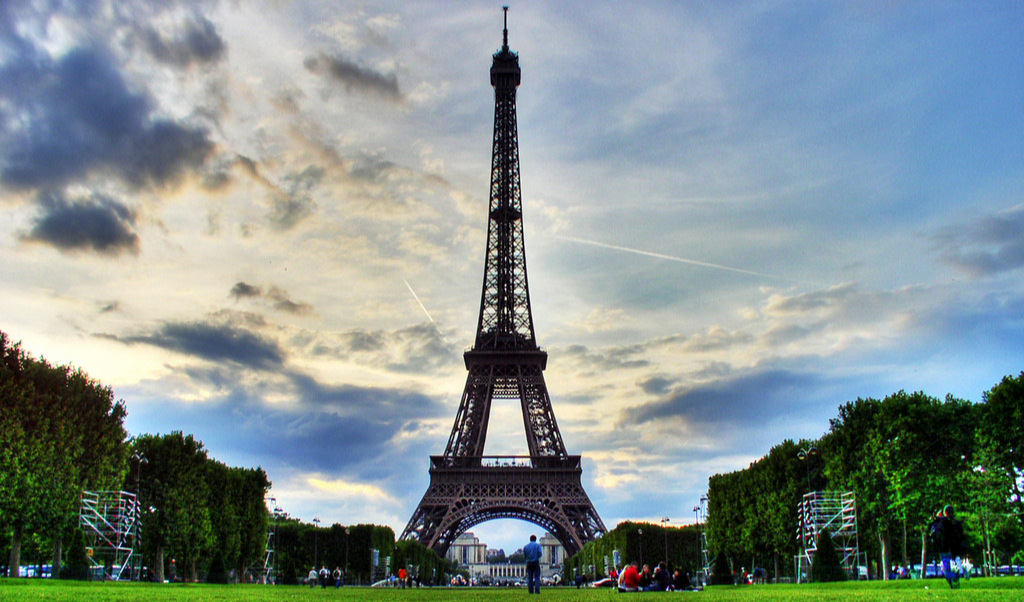
A first-timer's Paris guide: what to see, when to go, how to arrive and where to stay, from the Eiffel Tower and the Louvre to café-lined side streets. Paris rewards walkers. The French capital packs its headline sights into a compact, river-split centre, so a first visit is less about racing between attractions and more about drifting between them - a museum, a garden, a pavement café, a bridge over the Seine. Here is how to plan a first trip that covers the icons without exhausting you. Why Paris Paris is a city you already half-know before you arrive: the iron lattice of the Eiffel Tower, the glass pyramid of the Louvre, the flying buttresses of Notre-Dame on its island in the river. Seeing them in person is the point, but the quieter pleasures are what make the trip. This is a place built for strolling - the Seine cuts it into a Right Bank and a Left Bank, the wide boulevards fan out from grand squares, and almost every neighbourhood has a bakery worth queuing at. Come for the landmarks; stay for the everyday rhythm of markets, riverbanks and terrace tables. Top things to see and do Start with the Eiffel Tower. You can climb or lift up its stages, but the best photographs are from a distance - the lawns of the Champ de Mars below, or the terrace at Trocadéro across the river, especially at dusk when the tower sparkles on the hour after dark. Give the Louvre a focused half-day rather than a full one; it is vast, and trying to see everything is a fast route to museum fatigue. Pick a wing, find the Mona Lisa and the Venus de Milo, then let yourself wander. For a gentler art fix, the Musée d'Orsay, in a former railway station, holds the great Impressionists - Monet, Renoir, Van Gogh - under one glorious clock-faced roof. Walk the Île de la Cité to see Notre-Dame and the jewel-box Sainte-Chapelle with its walls of stained glass. Climb the hill of Montmartre to the white domes of Sacré-Cœur and the artists' square of Place du Tertre. Stroll the Champs-Élysées up to the Arc de Triomphe, and set aside an hour to simply sit in the Jardin du Luxembourg or the Tuileries and watch Paris go by. Best time to visit Late spring (April to June) and early autumn (September to October) are the sweet spots: mild weather, long daylight and gardens in bloom or turning gold. Summer is warm and lively but busy, with long queues at the big sights and many locals away in August. Winter is cold and grey but atmospheric and quieter, with fewer crowds and lower demand for rooms. Whenever you go, book the Eiffel Tower and the Louvre online in advance to skip the worst of the lines. Getting there Most long-haul travellers, including those flying from India, arrive at Charles de Gaulle Airport (CDG) northeast of the city; some budget and European flights use Orly (ORY) to the south. Both connect to the centre by train, bus and taxi - the RER B suburban train runs from CDG to central stations such as Gare du Nord and Châtelet. If you are already in Europe, the high-speed rail network makes Paris easy to reach: Eurostar links it to London in a little over two hours, and TGV lines fan out to cities across France and beyond. Once you are in, the Métro is your best friend - dense, frequent and cheap, with a carnet or travel pass covering most trips. Much of the historic core, though, is genuinely walkable. Where to stay For a first visit, base yourself centrally so you can walk home after dinner. Le Marais (3rd and 4th) is full of medieval lanes, boutiques and lively cafés. Saint-Germain-des-Prés and the Latin Quarter (5th and 6th) offer classic Left Bank charm near the Luxembourg gardens. Around the Opéra and the 1st you are steps from the Louvre and the department stores, while Montmartre (18th) trades some convenience for village-like character and views. Local tips Eat like a Parisian by starting the day with a warm, flaky croissant from a neighbourhood *boulangerie*, and try a proper sit-down lunch of *steak-frites* or a bowl of onion soup. A simple *bonjour* on entering a shop goes a long way with staff. Buy picnic supplies - a baguette, cheese, fruit - and eat by the river or in a park; it is one of the city's great free pleasures. And don't over-schedule: leave time to get pleasantly lost, because in Paris the wrong turn is usually the best part of the day. Paris travel guide, Eiffel Tower, Louvre Museum, first-timer Paris itinerary, best time to visit Paris, how to get to Paris, where to stay in Paris, things to do in Paris

Dubai Beyond the Skyline Tower, Dunes and Souk Gold

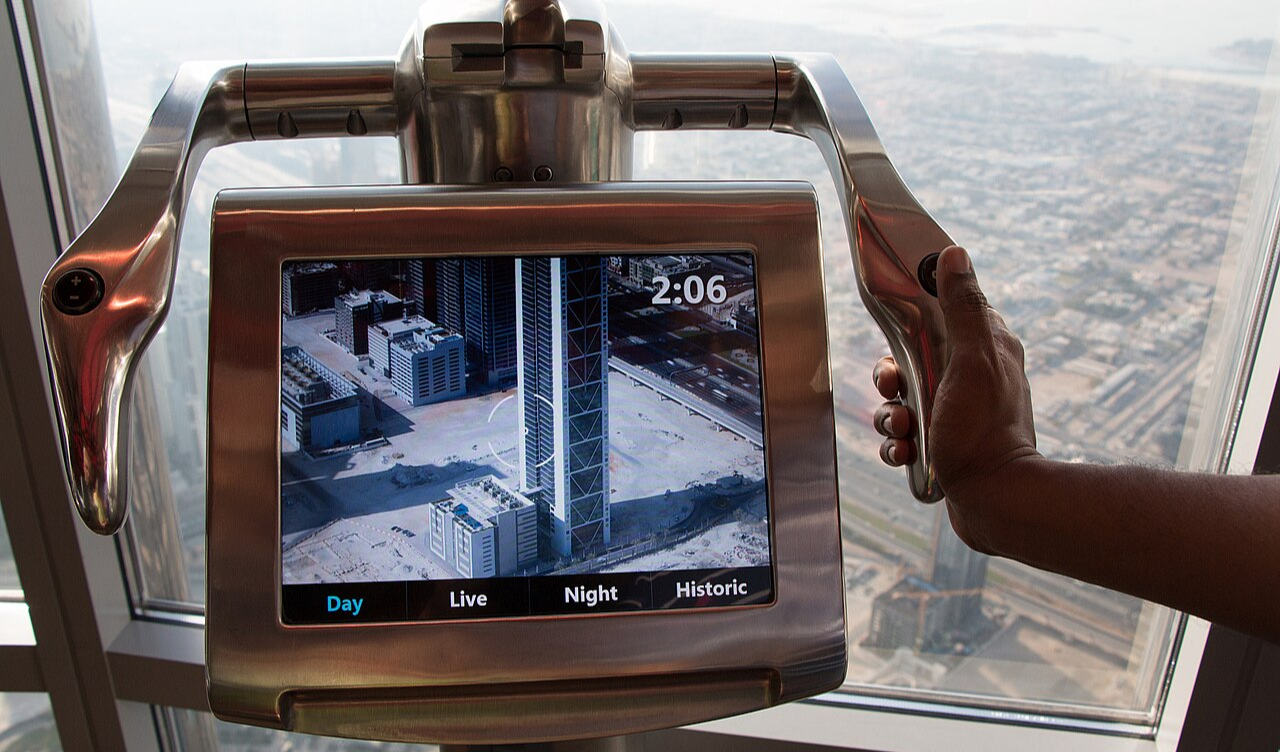
A practical Dubai travel guide: climb the Burj Khalifa, ride the dunes on a desert safari, wander the Deira gold and spice souks, plus tips on timing and getting there. Dubai reads like a city assembled from superlatives - the world's tallest building, a fountain that dances to Arabic pop, indoor ski slopes in the desert. Yet the version most travellers remember is quieter: a wooden abra crossing the Creek at dusk, the smell of cardamom and saffron in a lantern-lit lane, the sudden hush at the top of a dune. This is a place where a glass-and-steel megacity and a centuries-old trading port share the same afternoon. For visitors from India - a two-to-four-hour flight away - and travellers worldwide, it packs an astonishing range into a few compact days. What Dubai actually is Dubai is one of seven emirates that make up the United Arab Emirates, wrapped around a saltwater inlet called the Creek that once made it a pearl-diving and trading hub. Downtown Dubai and the Marina hold the postcard towers; across the water, the Deira and Bur Dubai neighbourhoods keep the old spice-route character alive. English is spoken almost everywhere, the metro is clean and cheap, and the whole city is built for first-timers. You don't need to choose between glitz and heritage - they're a short taxi ride apart. Top things to see and do Start high. The Burj Khalifa soars over 828 metres, and its observation decks (At the Top on levels 124-125, and the higher 148) hand you the Gulf, the desert and the grid of the city in one sweep. At its base, the Dubai Fountain erupts in the evenings on the lake outside The Dubai Mall, where an aquarium tunnel and an ice rink sit among the shops. Then go low and old. Take a desert safari into the red dunes of the inland reserves - expect dune-bashing in a 4x4, a camel ride, sandboarding, and a Bedouin-style camp dinner of grilled meats and warm bread under the stars, often with tanoura dancers. Sunrise hot-air balloon flights are the calmer alternative. Back in town, cross the Creek by abra (a shared wooden boat) to reach the trading heart of the city. The Gold Souk in Deira glows with shop windows of bangles and chains; the neighbouring Spice Souk heaps saffron, dried limes and frankincense in open sacks. Wander the restored coral-and-gypsum lanes of Al Fahidi Historical Neighbourhood (Al Bastakiya) and duck into the Etihad Museum or a heritage courtyard café. For beach time, Jumeirah Beach frames a clean shot of the sail-shaped Burj Al Arab. Don't leave without eating properly: try shawarma and fresh juice from a Deira counter, a plate of machboos (spiced rice with meat or fish), Emirati luqaimat (sticky dumplings drizzled in date syrup), and Karak chai - strong, sweet, milky tea that fuels the whole city. Best time to visit Dubai's high season runs across the cooler months, roughly November to March, when days are pleasant for beaches, safaris and walking the souks. This overlaps with festival season and outdoor events, so it's also the busiest and priciest stretch - book ahead. The summer months, especially June through August, bring fierce heat and humidity that push most activity indoors; upsides are lighter crowds and lower hotel rates if you're happy to hop between air-conditioned malls and evening desert trips. Spring and autumn shoulder weeks can be a sweet spot. Getting there and around Dubai International Airport (DXB) is one of the world's busiest hubs, with direct flights from major Indian cities - Delhi, Mumbai, Bengaluru, Kochi, Hyderabad and more - plus connections from across Europe, Africa and Asia. Most nationalities, including Indian passport holders, need a visa arranged before or on arrival depending on their status, so check current requirements with the airline or a UAE consular source when you book. On the ground, the Dubai Metro links the airport, Downtown, the Marina and the malls, and a rechargeable Nol card works across metro, tram and buses. Taxis and ride-hailing apps are plentiful and metered. The city is spread out and often too hot to walk between districts, so plan hops rather than long strolls. Local tips Dress modestly in heritage areas, mosques and traditional markets - cover shoulders and knees - even though beach resorts and clubs are relaxed. In the souks, prices are rarely fixed: smile, ask for a "best price," and be ready to walk away to get a better one. Carry a refillable water bottle and treat the midday hours as indoor time. And build your day around the light - old Dubai at golden hour on the Creek, and the towers after dark, are the two images you'll want to keep. Dubai travel guide, Burj Khalifa, Dubai desert safari, Deira gold souk, things to do in Dubai, best time to visit Dubai, Dubai from India, Old Dubai souks

New York City for First-Timers Landmarks, Boroughs and the Subway

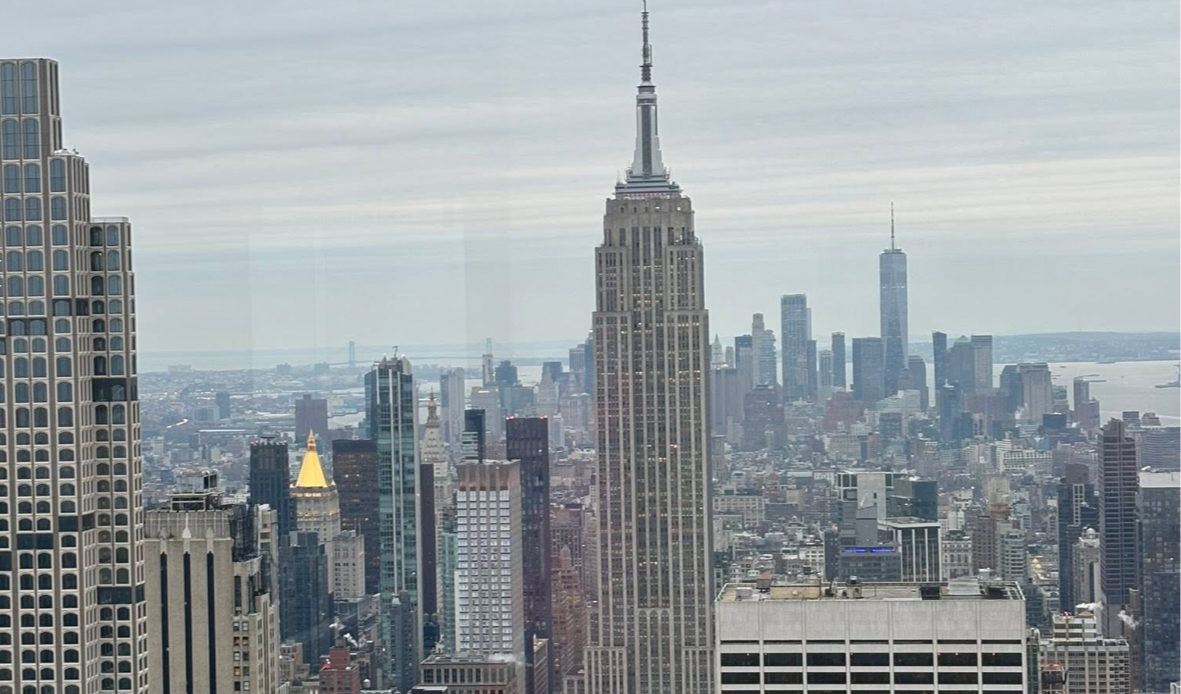
A practical first-timer's guide to New York City: iconic landmarks, distinct neighbourhoods, when to visit, how to arrive and how to ride the subway with ease. New York City rewards curiosity more than any checklist. It is five boroughs of relentless energy, stitched together by a 24-hour subway and lined with landmarks you have seen a thousand times on screen and will still find breathtaking in person. For a first visit, the trick is not to see everything but to feel the city's rhythm: a museum morning, a park afternoon, a slice of pizza eaten standing up, and a skyline that changes colour as the sun drops behind New Jersey. What makes New York worth the trip There is no single New York. Manhattan is the dense, vertical heart most visitors picture, but Brooklyn brings brownstone streets and waterfront views, Queens serves some of the best and most affordable food on the planet, and the Bronx and Staten Island round out the map. What unites them is scale and variety packed into walkable blocks. In one day you can wander a world-class art collection, hear live jazz, eat Sichuan, Dominican and Georgian food, and stand where a movie was filmed. The city is loud, fast and occasionally overwhelming, and that intensity is precisely the point. Landmarks and experiences you should not skip Start with the classics because they earn their fame. Take the free Staten Island Ferry for a moving view of the Statue of Liberty and the harbour, or book ahead to walk right up to Lady Liberty and Ellis Island. Walk the Brooklyn Bridge at dawn or dusk, ideally from the Brooklyn side toward Manhattan, for the best skyline reveal. For height, choose one observation deck rather than all of them: the Empire State Building for the romance, Top of the Rock for the classic postcard shot that includes the Empire State, or the Edge and Summit One Vanderbilt for glass-floored drama. Balance the skyscrapers with green and quiet. Central Park deserves a slow half-day; enter at Bethesda Terrace and wander toward the Ramble. Spend a morning at the Metropolitan Museum of Art, the American Museum of Natural History, or the Museum of Modern Art. Then stroll the High Line, an elevated park built on old rail tracks, which spills you into the Chelsea Market food hall. Times Square is worth ten dazzling minutes; do not linger. Neighbourhoods to wander Give yourself unstructured time in a few distinct areas. Greenwich Village and the West Village offer leafy, low-rise streets and cosy restaurants. The Lower East Side and East Village are for bars, vintage shops and late nights. In Brooklyn, Williamsburg and DUMBO deliver waterfront views and that famous Manhattan Bridge photo framed between brick buildings. For food, ride the 7 train to Flushing, Queens, for extraordinary Chinese cuisine, or to Jackson Heights for South Asian and Himalayan flavours that will feel gloriously familiar to Indian travellers. When to visit Spring (April to early June) and autumn (September to early November) are the sweet spots, with mild weather and long, comfortable walking days; autumn also brings golden foliage in Central Park. Summer is hot, humid and busy but full of free outdoor concerts and rooftop life. Winter is cold and sometimes snowy, yet the holiday season around late November and December transforms the city with lights, ice rinks and shop windows. Whenever you come, pack layers and comfortable shoes; you will walk far more than you expect. Getting there and getting around Most international visitors arrive at John F. Kennedy (JFK) or Newark (EWR) airports, with LaGuardia (LGA) handling domestic flights. From JFK, the AirTrain connects to the subway or the Long Island Rail Road; from Newark, the AirTrain links to New Jersey Transit trains into Manhattan. Taxis and ride-hailing apps work everywhere but can be slow in traffic. Once in the city, the subway is your best friend. Buy or tap a contactless card or phone at the turnstile using OMNY, or grab a MetroCard. Trains run around the clock, and a single fare takes you across boroughs. Download a transit app for live directions, note whether a train is local or express, and keep in mind that uptown and downtown platforms are sometimes on opposite sides of the street. For short hops, walking is often faster than any vehicle. Two local tips First, eat like a New Yorker on the move: a dollar-slice-style pizza, a bagel with cream cheese, and a halal cart chicken-over-rice platter are cheap, delicious and everywhere. Second, tipping is expected in sit-down restaurants and for bar service, so budget roughly a fifth of the bill. Finally, always let subway riders exit before you board; that small courtesy marks you instantly as someone who knows the city. New York City travel guide, NYC for first-timers, things to do in New York, New York subway guide, best time to visit NYC, Manhattan neighbourhoods, how to get to New York City, NYC travel tips

Singapore in Three Days Supertrees, Sentosa and Hawker Feasts

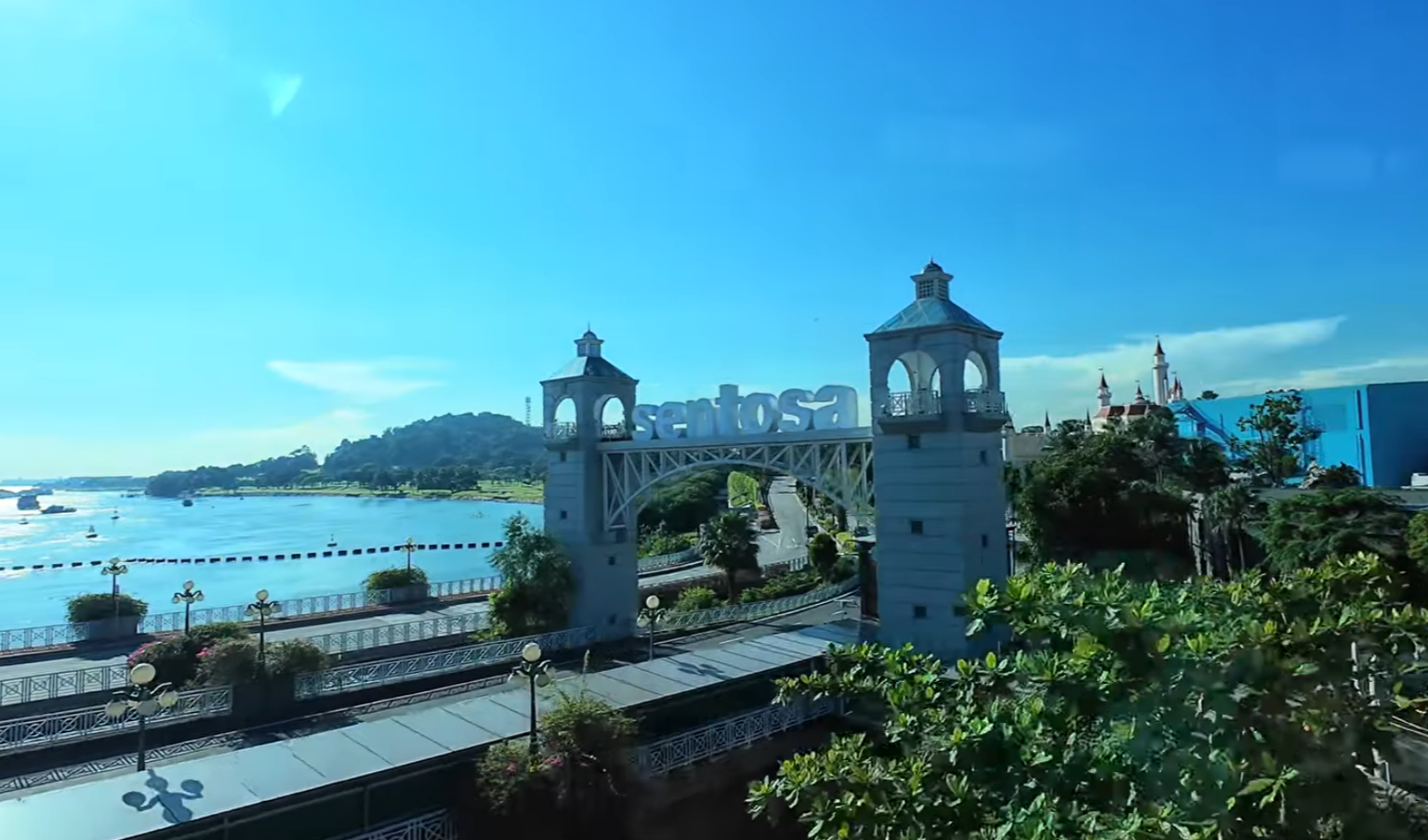
A practical three-day Singapore itinerary covering Gardens by the Bay, Sentosa Island and the city's legendary hawker centres, plus tips on timing and transit. Singapore packs an astonishing amount into a small, humid island: futuristic gardens, colonial shophouses, tropical beaches and some of the best cheap food on the planet. It is compact, spotlessly organised and endlessly walkable between air-conditioned refuges, which makes it a rewarding stop whether you have a long layover or a proper holiday. Three days is enough to hit the headline sights without rushing. This route pairs the greenery of Marina Bay, the theme-park energy of Sentosa and the soul of the city - its hawker centres - into one tidy loop. Day one: Marina Bay and the Supertrees Start where modern Singapore shows off. Gardens by the Bay is the anchor: wander the free outdoor Supertree Grove, those towering vertical gardens wrapped in ferns and orchids, then pay to step inside the Cloud Forest dome, where a 35-metre indoor waterfall mists a mountain of hanging plants. Next door, the Flower Dome shifts its displays with the seasons. Time your visit so you are back at the Supertrees after dark for the free light-and-sound show, best viewed lying on the lawn. Ring the bay on foot. The waterfront promenade links the lotus-shaped ArtScience Museum, the Merlion statue spouting into the harbour, and the Helix Bridge, with the three-towered Marina Bay Sands looming over everything. It is a short, photogenic circuit and a good introduction to how the city stitches nature and architecture together. Day two: Sentosa Island Day two belongs to Sentosa, the resort island just off the southern coast. Getting there is half the fun - ride the Sentosa Express monorail from VivoCity mall, take the cable car for aerial views, or simply walk across the Sentosa Boardwalk. Thrill-seekers head straight for Universal Studios Singapore and the adjacent S.E.A. Aquarium, one of the largest in the world. Families and slower travellers can mix beach time at Palawan or Siloso with the toboggan-style Skyline Luge. Don't overload the day; Sentosa rewards a relaxed pace. Wind down at Siloso Beach for sunset, then head back to the mainland for dinner. If you have energy, the Southern Ridges walk near HarbourFront - including the wave-like Henderson Waves bridge - offers a lush, canopy-level stroll back toward the city. Day three: Hawker food and the old quarters Spend your last day eating and exploring on foot. Singapore's hawker centres are open-air food courts where individual stalls, some awarded Michelin recognition, sell single dishes perfected over decades. Try Maxwell Food Centre in Chinatown for Hainanese chicken rice, Lau Pa Sat in the business district (its satay street fires up in the evening), or the sprawling Old Airport Road Food Centre for laksa, char kway teow and carrot cake. Order the national obsessions: chilli crab, Hokkien mee, and a plate of kaya toast with soft-boiled eggs for breakfast. Walk it off in the historic districts. Chinatown has its temples and heritage shophouses; Little India is a riot of colour, spice shops and the ornate Sri Veeramakaliamman Temple; and Kampong Glam, centred on the golden-domed Sultan Mosque, hides the street art and boutiques of Haji Lane. Each neighbourhood is a short MRT ride apart. Best time to visit Singapore sits just north of the equator, so it is hot and humid year-round with no real seasons - expect afternoon downpours any month. The relatively drier stretch runs roughly from February to April. The wetter monsoon months around November to January bring heavier rain but rarely all-day washouts, and indoor attractions keep the city viable in any weather. Aim to sightsee in the mornings and evenings, retreating indoors during the fierce midday heat. Getting there and around Changi Airport is one of the world's best-connected hubs, with direct flights from most Indian metros and cities worldwide; the airport itself, complete with the indoor waterfall at Jewel, is worth arriving early for. From the airport, the MRT metro or a taxi reaches the city centre quickly. Once in town, skip taxis for the MRT - it is clean, cheap and reaches nearly everything in this itinerary. Tap in with a contactless bank card or buy a stored-value transit card. English is an official language and signage is universal, so navigating is painless. Local tips At hawker centres, "chope" your seat by leaving a packet of tissues on the table before you queue - it is the accepted local custom. Carry a small bottle of water and a light rain layer, and dress for humidity. Singapore enforces its rules seriously: no eating or drinking on the MRT, no littering, and heavy fines for jaywalking, so follow the crowd's lead and you will glide through the city as smoothly as its trains do. Singapore three day itinerary, Gardens by the Bay, Sentosa Island guide, Singapore hawker food, Marina Bay Singapore, things to do in Singapore, Singapore travel guide, Changi Airport transit

Malacca, Malaysia Trishaws, Peranakan Feasts and a UNESCO Old Town

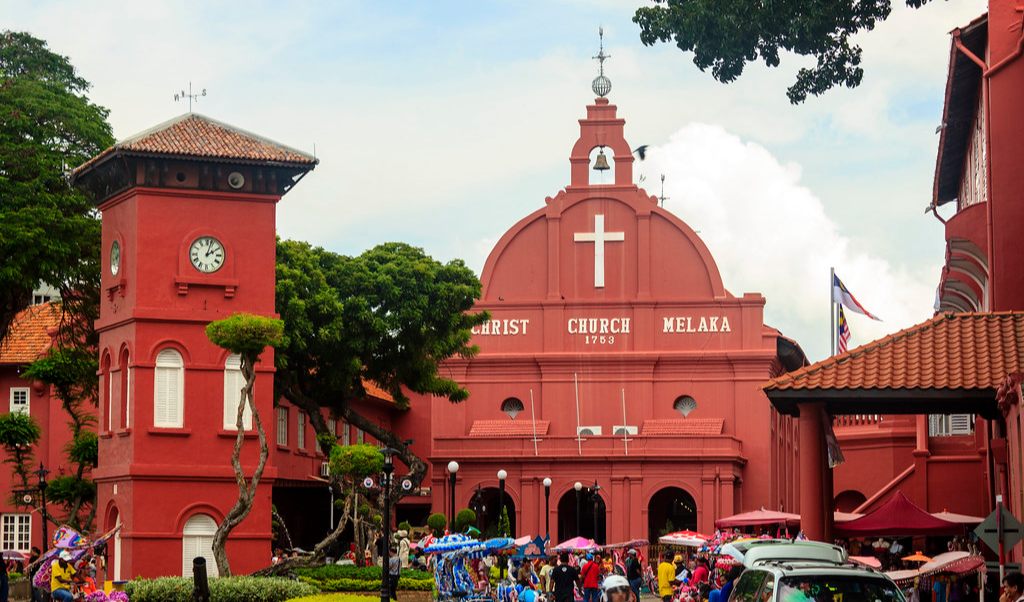
Plan a trip to Malacca, Malaysia: what to see along Jonker Street, when to go, how to arrive from Kuala Lumpur or Singapore, and where to eat Peranakan food. Two hours south of Kuala Lumpur, the small city of Malacca (Melaka) packs five centuries of trade history into a few walkable streets. Malay sultans, Portuguese conquerors, Dutch merchants and British administrators all left their mark here, and in 2008 the old town was inscribed as a UNESCO World Heritage Site alongside Penang's George Town. Today it's one of Southeast Asia's most rewarding short breaks: a place of neon-lit trishaws, riverside cafes, Chinese temples and the extraordinary Peranakan cuisine born from centuries of intermarriage between Chinese settlers and the local Malay community. Why Malacca rewards a slow wander Malacca isn't about ticking off giant monuments - it's about texture. The historic core is compact enough to cross on foot in twenty minutes, so the pleasure lies in getting lost among shophouses painted mustard, teal and salmon pink. Blaring, fairy-lit trishaws (decorated with cartoon characters and thumping pop music) are pure kitsch, but a slow pedal along the Melaka River at dusk is a genuinely charming way to orient yourself. The whole town rewards curiosity: an antique shop here, a clan temple there, a coffee roaster tucked into a 200-year-old building. What to see and do Start at Dutch Square, dominated by the salmon-red Christ Church and the old Stadthuys, the former Dutch governor's residence and one of the oldest surviving European buildings in Asia. Climb St Paul's Hill to the roofless ruins of St Paul's Church, where St Francis Xavier was once buried, then descend to the A Famosa (Porta de Santiago) gate, the last fragment of a Portuguese fortress. Cross the river to Jonker Street (Jalan Hang Jebat) in Chinatown, the beating heart of the old town. Nearby Jalan Tokong - the "Harmony Street" - lines up a Chinese temple, a mosque and a Hindu temple within a short stroll; visit Cheng Hoon Teng, Malaysia's oldest functioning Chinese temple. To understand the culture behind the food, tour the Baba & Nyonya Heritage Museum, a lovingly preserved Peranakan townhouse. Come evening, the Jonker Walk night market (Friday to Sunday) fills with hawker stalls and buskers. Eat your way through Peranakan cuisine Malacca is worth the trip for the food alone. Seek out Nyonya laksa, a rich coconut-based noodle soup, and ayam pongteh, a comforting chicken-and-potato stew braised in fermented soybean paste. Save room for chicken rice balls, a local twist on Hainanese chicken rice where the rice is hand-rolled into golf-ball shapes. For dessert, cendol - shaved ice with green rice-flour jelly, coconut milk and palm sugar - is the classic antidote to the heat; the stalls around Jonker Street are legendary. Adventurous eaters should try satay celup, a Malacca invention where you cook skewers of seafood, tofu and vegetables in a communal pot of bubbling peanut sauce. Best time to visit Malacca is hot and humid year-round, with temperatures typically in the low 30s Celsius. The drier, more comfortable stretch generally runs from roughly February to April; the wetter months tend to fall later in the year around the northeast monsoon, though brief afternoon downpours can happen any time. Weekends are when the town truly comes alive because the Jonker Walk night market only runs Friday through Sunday - but expect bigger crowds. For a quieter old town with easier restaurant tables, arrive midweek and simply plan your visit around the market days. Getting there Most visitors arrive from Kuala Lumpur, about 150 km north. Frequent express buses run from KL's TBS (Terminal Bersepadu Selatan) to Malacca Sentral, the journey taking roughly two hours; from Singapore, direct coaches take around four to five hours depending on the border crossing. There's no convenient passenger rail line into the city centre, so buses and private cars are the norm. From Malacca Sentral, a short taxi or ride-hailing trip brings you into the historic core. The nearest major international gateway is Kuala Lumpur International Airport (KUL), from which you can bus or drive down directly. Local tips Stay inside the heritage zone if you can - a restored shophouse guesthouse near Jonker Street puts you within walking distance of nearly everything and saves on transport. Wear comfortable shoes; the old town's charm is best absorbed on foot, and the streets are uneven. Carry small cash for hawker stalls and the night market, as many don't take cards. Finally, don't cram Malacca into a single day trip if you can help it - an overnight stay lets you experience the old town twice, once buzzing after dark and again quiet and golden in the early morning before the tour buses arrive. Malacca travel guide, Melaka Malaysia, Jonker Street, Peranakan food, UNESCO Malacca, things to do in Melaka, Malacca trishaws, Malaysia old town

NSO Survey Urban Travellers Pick Hotels, Rural Turn to Dharamshalas

India's latest NSO domestic tourism survey shows urban travellers favour hotels while rural travellers rely on dharamshalas, with modest average spending. Most urban travellers in India stay in hotels, guesthouses or rented homes when they take an overnight domestic trip, while dharamshalas remain the leading choice for those from rural areas, according to the latest domestic tourism survey by the National Statistical Office (NSO). The survey, conducted between July 2025 and June 2026, found that the average spend on such trips was Rs 16,420 for urban travellers and Rs 15,560 for rural travellers. Nearly 64% of trips lasted no more than three nights, and travellers were usually accompanied by just one companion. Only about a third of households took overnight trips in the past year. Of Indians who travelled, more than three-fourths did so for medical or pilgrimage reasons, which helps explain the low spending and the reliance on dharamshalas among rural travellers. The survey defined an overnight trip as travel to a destination lasting at least 12 hours, including the midnight hours, across two consecutive calendar days and no longer than 180 days. It found that the frequency of domestic travel has risen over the past decade compared with the previous survey in 2014-15. For every 100 tourist households, rural areas now record 127 trips, up from 118 in 2014-15. Urban areas logged 132 trips, compared with 121 earlier. Leisure trips concentrated in cities Holiday or leisure travel was far more common among urban households. While 22% of Indian households took a leisure trip, only 12.5% of rural tourist households did so, against 36.4% of urban ones. May and October were the peak months for such trips. More than 95% of religious and leisure trips were self-financed, with no government or institutional reimbursement available. For health and medical trips, 8% were reimbursed by the government. Trains for cities, buses for villages Transport patterns differed by region. Buses were the main mode of travel in rural areas at 32%, while trains were the preferred option for urban travellers at 35%. Transport also took the largest share of spending on religious and leisure trips, accounting for nearly 35% of trip costs in both rural and urban areas. For medical trips, medicine was the biggest expense, making up close to 75% of the total. The survey also tracked households that took overnight trips in the past month. Social trips made up the largest share at 89%, and nearly 80% of these trips lasted less than three days. NSO domestic tourism survey, India domestic travel, dharamshalas, urban travellers hotels, travel spending India, pilgrimage travel, overnight trips India, rural tourism

Allegri Vents at Napoli Squad as De Laurentiis Stays Away

SportMediaset's Carlo Landoni says Massimiliano Allegri confronted Napoli players after a 1-1 draw, while president De Laurentiis has skipped several home games. Napoli manager Massimiliano Allegri confronted his players in the dressing room after a 1-1 draw at Fiorentina, according to journalist Carlo Landoni, who spoke to SportMediaset about a tense period at the club. Landoni also drew attention to president Aurelio De Laurentiis, who has not attended a home match at the Stadio Maradona for several games. Landoni described the outburst at the Stadio Artemio Franchi as directed at the team's senior players, but not only them. He said the squad's senators - Giovanni Di Lorenzo, Amir Rrahmani, Stanislav Lobotka and Matteo Politano - remain behind Allegri despite the confrontation. According to Landoni, Allegri's frustration is aimed above all at players he has been giving a second chance, footballers who were sidelined last season under previous coach Antonio Conte. He named Noa Lang and Lorenzo Lucca as the main examples, saying neither has produced the level of performance Allegri expected of them. While some reports had raised questions over Allegri's position on the bench, Landoni played down speculation about a coaching change. Instead, he pointed to De Laurentiis's repeated absences from the Maradona as the more notable detail of the moment. Landoni characterised the situation as a complicated one for both Allegri and Napoli, tying together the heated exchange with the squad after the Florence draw and the unresolved issues surrounding Lang and Lucca. Napoli, Massimiliano Allegri, Aurelio De Laurentiis, Stadio Maradona, Fiorentina Napoli, Serie A, Noa Lang, Lorenzo Lucca

Shillong & Cherrapunji Living Root Bridges and Waterfall Country

A travel guide to Meghalaya's Shillong and Cherrapunji: the double-decker living root bridges, giant waterfalls, when to go, how to get there and what to eat. High on a plateau in India's northeast, the Khasi Hills of Meghalaya trade the country's usual heat and dust for pine ridges, drifting cloud and some of the heaviest rainfall on Earth. That rain does something remarkable here: it feeds rivers that plunge off sheer cliffs in curtains of white, and it grows the rubber-fig roots that local Khasi communities have trained, over generations, into living bridges you can actually walk across. Base yourself in the state capital, Shillong, make the run down to Cherrapunji (Sohra), and you have one of the most distinctive short trips in Asia. Why these hills are worth the detour Meghalaya means "abode of clouds," and the name earns itself daily. Unlike much of India, the vibe is cool, green and unhurried, with a matrilineal Khasi culture, Presbyterian churches, and a music-loving capital that locals call the "rock capital of India." The two big draws are natural: waterfalls on a scale that stops conversation, and the root bridges, which are genuine living infrastructure rather than a tourist stunt. It is compact, too - you can pack bridges, falls, caves and viewpoints into four or five days. The living root bridges The headline experience is the double-decker root bridge at Nongriat, a village reached by a steep descent of roughly 3,500 stone steps from Tyrna, below Cherrapunji. It is a real trek - knee-testing on the way down, lung-testing on the way back - but the payoff is two tiers of interwoven fig roots spanning a clear stream, with turquoise natural pools nearby for a swim. Give it a full day, or better, stay overnight in a Nongriat guesthouse to enjoy it without the day-trip crowd. For an easier taste, the single-span bridge at Riwai near Mawlynnong is a short walk from the road. Mawlynnong itself, billed as one of Asia's cleanest villages, is worth pairing with it. Waterfalls, caves and canyons Cherrapunji is waterfall central. Nohkalikai Falls, India's tallest plunge waterfall, drops in a single ribbon into a jade-green pool and is at its thunderous best after rain. Nearby, the Seven Sisters Falls (Nohsngithiang) fan out across a cliff face, especially dramatic in the wet months. Duck underground at Mawsmai Cave, a lit limestone cave you can walk through, or the longer Arwah Cave with its fossils. Back toward Shillong, don't miss Laitlum Canyons, a jaw-dropping green amphitheatre of ridges, and Elephant Falls, a tiered cascade just outside the city. If you have an extra day, drive to Dawki on the Bangladesh border, where the Umngot River runs so clear that boats appear to float on air. When to go October to April is the sweet spot: skies clear, trails dry, and the plateau is crisp and comfortable. This is the easiest window for the Nongriat trek and for photography. The flip side is that some waterfalls shrink in the dry season. If you want them roaring, come in the tail of the monsoon (September) or early in it, but be ready for near-constant downpours - Cherrapunji and neighbouring Mawsynram are among the wettest inhabited places on the planet. Whenever you visit, pack layers and a waterproof; hilltop mornings are chilly even in summer. Getting there and around The gateway is Guwahati in neighbouring Assam, home to the region's main airport (Lokpriya Gopinath Bordoloi International), well connected to Delhi, Kolkata and other cities. From there it is roughly a three-to-four-hour drive up to Shillong on NH6; shared "sumo" taxis and private cabs run the route, and there's a helicopter service on some days. Cherrapunji is about another one-and-a-half to two hours south of Shillong. There is no train or airport in Shillong itself, so plan around road transfers. Once in the hills, hiring a car with a driver for a day or two is the practical way to string together the scattered falls, caves and villages; distances are short but roads are winding. What to eat and a couple of local tips Khasi food rewards the curious. Try jadoh, a hearty rice cooked with pork and spices; doh-neiiong, pork in a rich black-sesame gravy; and tungrymbai, pungent fermented soybean. Shillong's Police Bazaar is the go-to for eating, shopping and people-watching, and the city's cafes serve strong coffee and live music. Two tips worth remembering: start the Nongriat trek early so you can climb back before dark, and carry cash, as ATMs and card machines thin out fast once you leave Shillong. Respect village rules on plastic and photography, especially in Mawlynnong, and hire a local guide for the longer root-bridge trails - the routes are unmarked in places and the guides bring the stories that make them come alive. Meghalaya travel guide, living root bridges, Cherrapunji, Shillong, Nohkalikai Falls, Nongriat trek, Northeast India travel, Khasi Hills