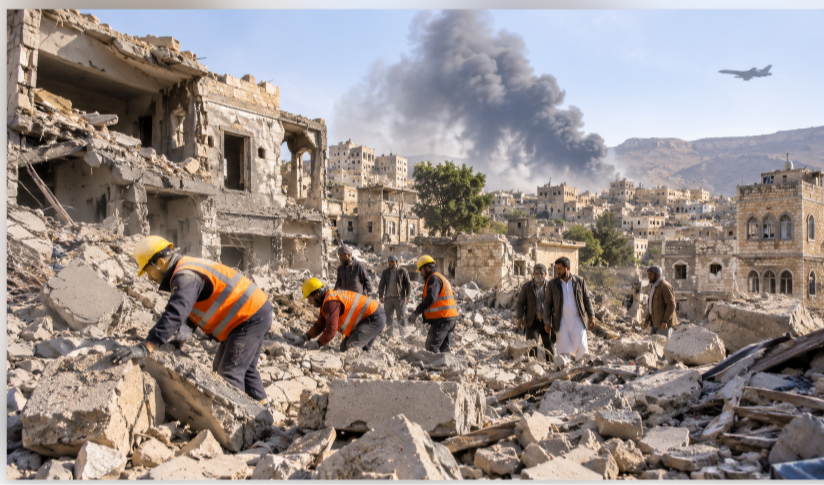
Israel's military censorship restricts reporting on Iranian missile strikes. Examine media restrictions, prison claims and unverified damage estimates.
By News National Editorial Team
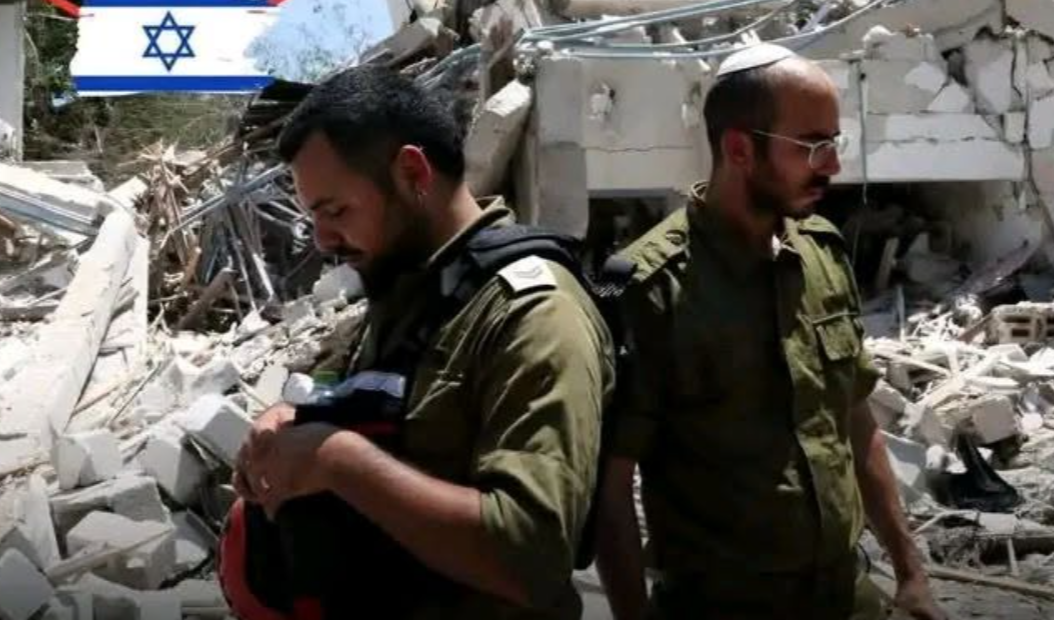
Israel's military censorship restrictions have raised questions about transparency and the availability of independent information following Iranian missile attacks. Journalists and members of the public face restrictions on publishing certain photographs, videos and details showing missile impact locations, military installations and sensitive security sites.
The restrictions have fuelled speculation on social media about whether the damage caused by Iranian missiles is greater than officially reported. However, claims that the actual destruction is three to five times higher than publicly visible damage have not been independently verified.
Israel Tightens Restrictions on Missile Damage Reporting
Israel has maintained a military censorship system for decades, allowing authorities to restrict the publication of information considered sensitive to national security.
During the Israel-Iran conflict in June 2025, the Israeli military censor issued updated instructions requiring people and media organisations to submit certain material concerning missile and drone impact locations for approval before publication.
The restrictions covered traditional media, online publications and social media platforms. The instructions also applied to material published outside Israel, according to reporting by The Jerusalem Post on June 18, 2025.
The Committee to Protect Journalists (CPJ) subsequently raised concerns about restrictions affecting international media organisations, particularly requirements for advance approval before broadcasting from missile impact areas.
Sources: The Jerusalem Post | Committee to Protect Journalists
Restrictions Expanded During the 2026 Conflict
Media restrictions reportedly became more extensive during the renewed regional conflict in 2026.
A March 6, 2026, report by CNN described how journalists working in Israel were required to comply with military censorship rules covering sensitive security information.
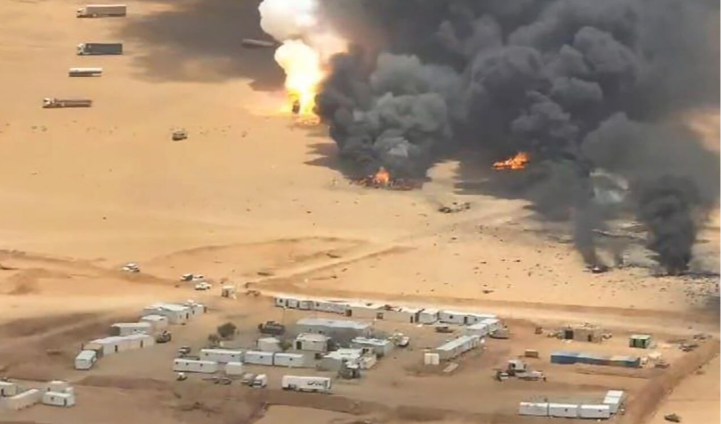
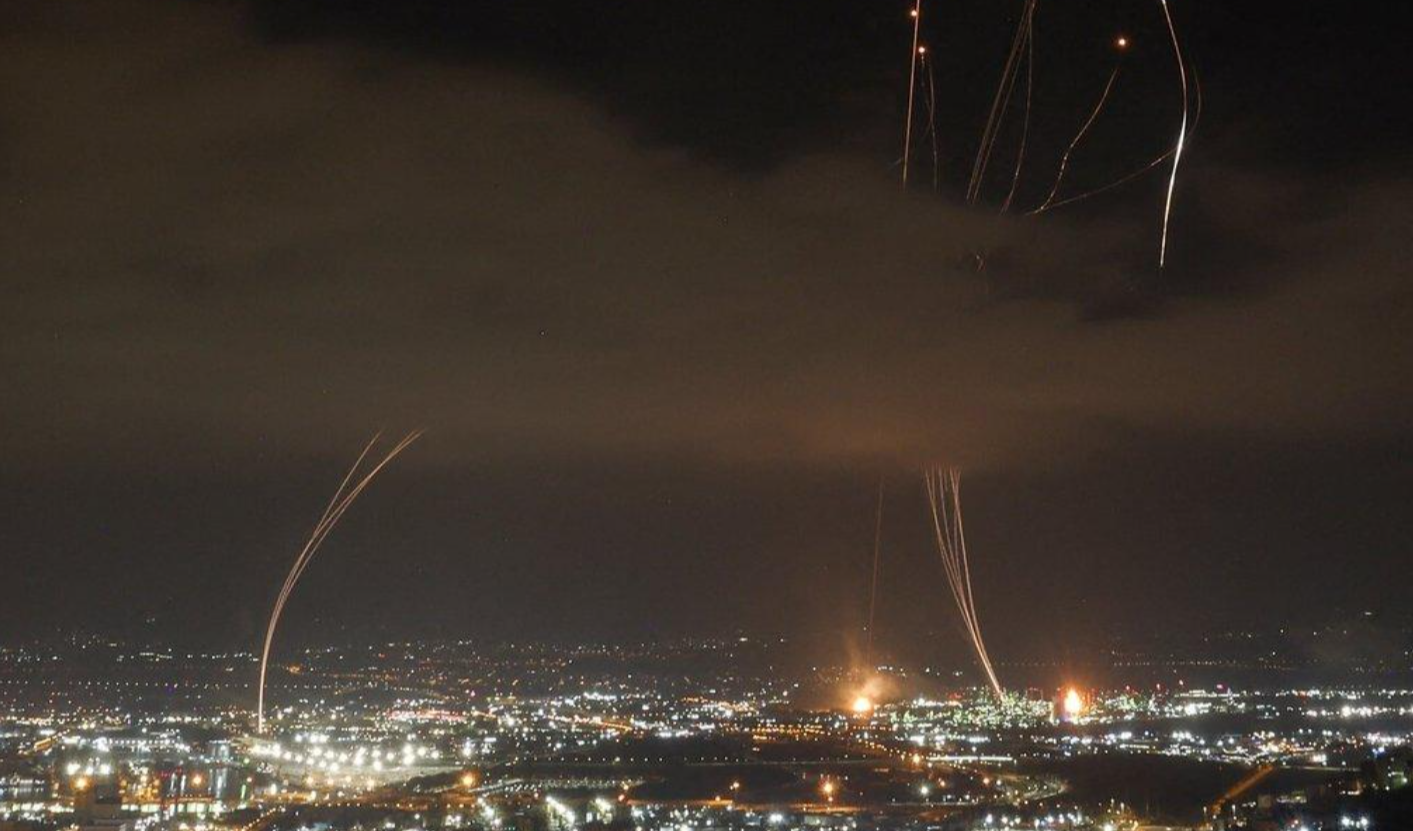
Restrictions included footage showing the locations of military installations, missile interceptions and sensitive impact sites.
A March 13 investigation by +972 Magazine also described how journalists faced difficulties documenting missile damage because photographs and videos could reveal restricted locations.
According to the investigation, journalists sometimes had to submit footage for approval, while certain images were prevented from being published.
These restrictions have complicated independent assessments of the damage caused by Iranian missile attacks.
Sources: CNN – Reporting under Israel's military censor | +972 Magazine – Media censorship during the Iran war
Does Photographing Missile Damage Carry a Five-Year Prison Sentence?
A claim circulating online suggests that anyone photographing or publishing videos of Iranian missile damage in Israel could face up to five years in prison.
However, available reporting does not establish a general five-year prison sentence for civilians simply taking photographs or posting videos of missile damage.
There is an important distinction between military censorship violations and espionage-related criminal offences.
On July 15, 2026, The Times of Israel reported that an Israeli soldier had received a five-year prison sentence after being convicted of espionage-related offences involving contact with Iranian agents and sharing videos of missile interceptions.
The case involved providing information to a foreign agent, including footage of missile interceptions, and was not a general conviction for ordinary photography or social media publication.
Consequently, the five-year sentence should not be presented as the standard punishment for anyone who photographs missile damage.
Source: The Times of Israel – Israeli soldier sentenced to five years for spying for Iran
Is the Actual Missile Damage Three to Five Times Greater?
One of the most widely circulated claims suggests that whenever photographs of Iranian missile damage emerge publicly, the actual destruction could be three to five times greater.
This claim remains unverified.
Military censorship can limit the amount of information available to journalists, researchers and the international public. Restrictions on publishing impact locations and images can make it harder to independently establish the extent of damage.
However, the existence of censorship does not automatically prove that official damage figures are false or that the actual destruction is several times greater.
Independent verification would require multiple sources, including satellite imagery, verified photographs, credible eyewitness accounts, emergency service information and reliable reporting from the affected locations.
Without such evidence, numerical estimates should be treated as speculation rather than established facts.
Why Independent Media Reporting Matters
Accurate information during armed conflicts is important for governments, citizens, humanitarian organisations and the international community.
While governments may argue that restrictions are necessary to prevent sensitive military information from reaching opposing forces, excessive restrictions can also create difficulties for independent journalism.
The Committee to Protect Journalists has documented concerns about restrictions affecting journalists across the region during the 2026 conflict.
The challenge for news organisations is to report verified information without revealing operational details that could endanger civilians or military personnel.
Conclusion
Israel's military censorship system has imposed significant restrictions on reporting certain aspects of Iranian missile attacks, including impact locations, military installations and sensitive footage.
These restrictions raise legitimate questions about media freedom, transparency and the ability of independent organisations to assess wartime damage.
Nevertheless, claims of a universal five-year prison sentence for photographing missile damage and assertions that the actual destruction is three to five times greater remain unsupported by sufficient evidence.
As the conflict continues to attract international attention, independently verified information and responsible journalism remain essential to understanding what is happening on the ground.
News National Editorial Team
Sources and References
-
The Jerusalem Post – IDF censor updates restrictions on reporting missile and drone impact sites (June 18, 2025).
-
Committee to Protect Journalists – Israel censors foreign press coverage of Iranian strike sites (June 23, 2025).
-
CNN – How international news outlets report under Israel's military censor during wartime (March 6, 2026).
-
+972 Magazine – How Israel is censoring reporting on the war (March 13, 2026).
-
The Times of Israel – Israeli soldier sentenced to five years for spying on behalf of Iran (July 15, 2026).
-
Associated Press reporting published by The Times of Israel – Restrictions on wartime reporting across the Middle East (March 10, 2026)
Editorial Disclaimer: This report distinguishes documented media restrictions from unverified claims circulating on social media. The reported five-year sentence relates to an espionage case, not a general prohibition on photographing missile damage.