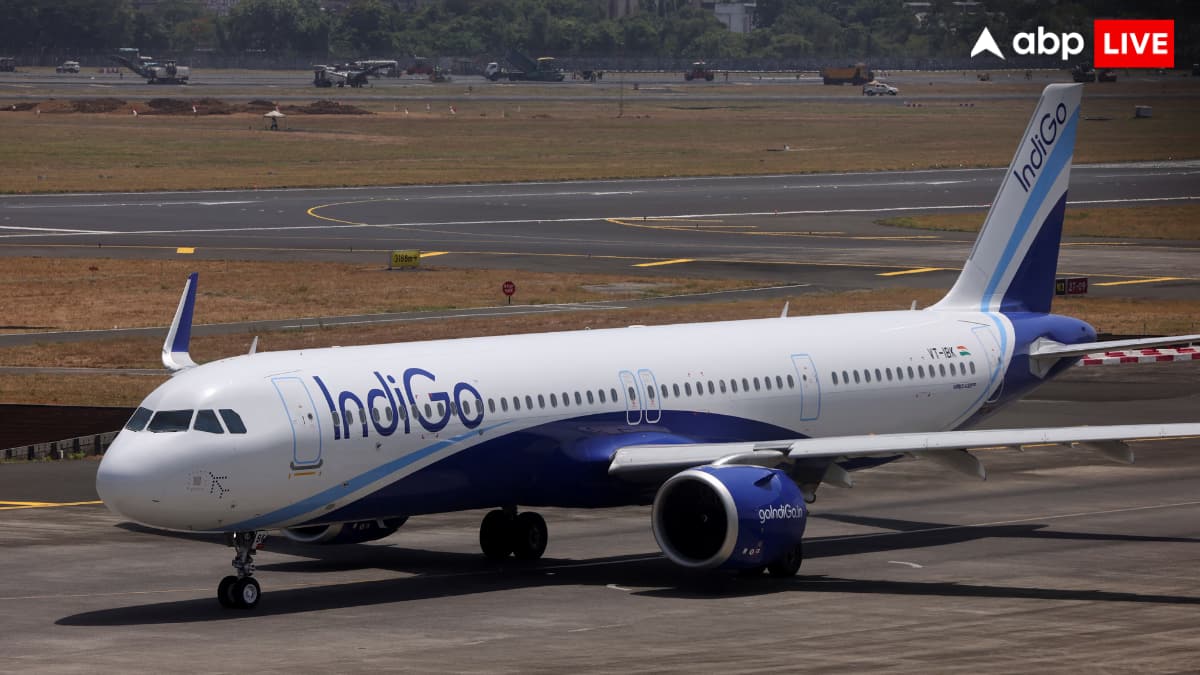
The escalating geopolitical tensions between Israel and Iran are beginning to ripple through the global aviation sector, with Indian carriers facing mounting operational disruptions, flight cancellations and the prospect of rising fuel costs.
Airspace closures across parts of the Middle East and surrounding regions have forced airlines to suspend flights to several destinations while reconsidering routes to Europe and beyond.
According to an analysis by international brokerage HSBC, these disruptions could affect a significant share of capacity for major Indian carriers such as IndiGo, SpiceJet and Air India, reported Moneycontrol.
Beyond the immediate cancellations, the situation has also raised concerns about profitability for airlines already operating in a cost‑sensitive industry, particularly if crude oil prices continue to rise.
Airspace Closures Disrupt Major Flight Corridors
The conflict has triggered widespread airspace restrictions across parts of the Middle East. These restrictions have forced Indian carriers to cancel flights to the region and suspend several services to Europe that normally pass through Middle Eastern or Pakistani airspace.
According to the HSBC report, the closures have had a direct impact on airline operations because many long‑haul routes from India to Europe depend on these corridors.
With both Middle Eastern and Pakistani airspace unavailable for certain routes, airlines have been left with limited operational choices. Flights to several destinations have been cancelled, while others may need to be rerouted through significantly longer paths.
Such rerouting typically increases flight time and fuel consumption, placing additional financial pressure on airlines.
Capacity Hit Across Major Airlines
The disruptions are expected to affect airline capacity in varying degrees.
HSBC estimates that cancellations linked to the crisis could account for around 19-20 per cent of IndiGo’s overall capacity, which represents roughly 60-65 per cent of its international capacity.
For SpiceJet, the potential impact is estimated at around 30-32 per cent of total capacity.
Meanwhile, Air India may face the largest disruption, with cancellations potentially affecting around 40 per cent or more of its capacity, according to the brokerage’s calculations.
These estimates assume that airlines cancel all flights to the Middle East, most flights to Europe and a limited number of flights to the United States due to the restricted airspace.
Despite the constraints, some airlines are exploring alternative routes where possible.
HSBC noted that Air India may continue to operate certain flights to Europe using longer alternate paths that avoid restricted airspace. However, these alternatives could significantly raise operating costs.
Financial Impact Of Cancellations
Apart from operational disruptions, the financial implications for airlines could also be significant.
HSBC estimates that IndiGo may face a daily revenue loss of around Rs 45-50 crore, along with a daily profit loss of approximately Rs 4-5 crore due to the cancellations.
For SpiceJet, the brokerage forecasts daily revenue losses of about Rs 5-5.5 crore, while daily net profit could decline by roughly Rs 25-35 lakh.
The losses arise not only from cancelled flights but also from the inability to redeploy aircraft to other routes at short notice.
Aircraft capacity scheduled for the Middle East and certain European or American destinations cannot easily be reassigned immediately. This means airlines may have to keep aircraft idle or operate reduced schedules until new route plans are developed.
HSBC noted that if the cancellations persist for about seven days, IndiGo’s profit before tax (PBT) could fall by roughly Rs 32 crore, which would represent around six per cent of the brokerage’s fourth‑quarter FY26 estimate and about 1.2 per cent of its full‑year FY26 PBT projection.
Jet Fuel Prices Add Another Layer Of Pressure
In addition to cancellations, airlines may also face rising operating costs if crude oil prices continue to climb amid the geopolitical tensions.
Jet fuel accounts for one of the largest expenses in airline operations, making carriers highly sensitive to oil price movements.
HSBC estimates that a $1 per barrel increase in jet fuel prices could raise IndiGo’s annual fuel bill by around Rs 300 crore, while SpiceJet’s costs could increase by approximately Rs 27.5 crore.
Even a relatively small short‑term increase can have an impact on profitability.
According to the brokerage’s calculations, a $5 per barrel increase in jet fuel prices could result in an additional cost impact of around Rs 12 crore over a seven‑day period. If such price increases persist, they could affect quarterly earnings for airlines.
HSBC estimated that IndiGo’s fourth‑quarter profit before tax could be impacted by Rs 42-45 crore, assuming the exchange rate between the Indian rupee and the US dollar remains unchanged.
Airlines may attempt to pass some of these higher costs on to passengers through fares, which could help limit the overall hit to profitability.
Operational Challenges For Airlines
The disruptions also highlight structural challenges in airline operations.
Aircraft assigned to international routes often operate on carefully planned schedules and route networks. When a major corridor closes unexpectedly, airlines must quickly redesign operations while managing passenger demand, aircraft availability and crew schedules.
In the case of SpiceJet, the impact could be more pronounced because the airline has taken several aircraft on wet leases, which require payment regardless of whether the planes are fully utilised.
This means cancellations could result in fixed costs continuing even when revenue‑generating flights are reduced.
Long‑Term Outlook Remains Intact
Despite the near‑term disruption, HSBC maintained that the long‑term outlook for some airlines remains unchanged.
The brokerage said it continues to see the underlying growth story for IndiGo as intact, even though short‑term risks from geopolitical tensions could temporarily weigh on investor sentiment.