
Search

    Language Settings
    Select Website Language

    GDPR Compliance

    We use cookies to ensure you get the best experience on our website. By continuing to use our site, you accept our use of cookies, Privacy Policy, and Terms of Service.

    How US Could Reopen Strait Of Hormuz, And Why It Matters Far Beyond Oil

    3 hours ago

    The narrow waters of the Strait of Hormuz have once again become the focal point of a global crisis. While often described as the world’s most critical oil chokepoint, its importance runs far deeper, affecting food, trade, and the daily survival of millions across the Gulf.

    According to a report by CNN, nearly 20% of the world’s oil and liquefied natural gas passes through this corridor. But beyond energy, the strait is a lifeline for over 100 million people in Gulf nations that depend heavily on imports for food and even drinking water.

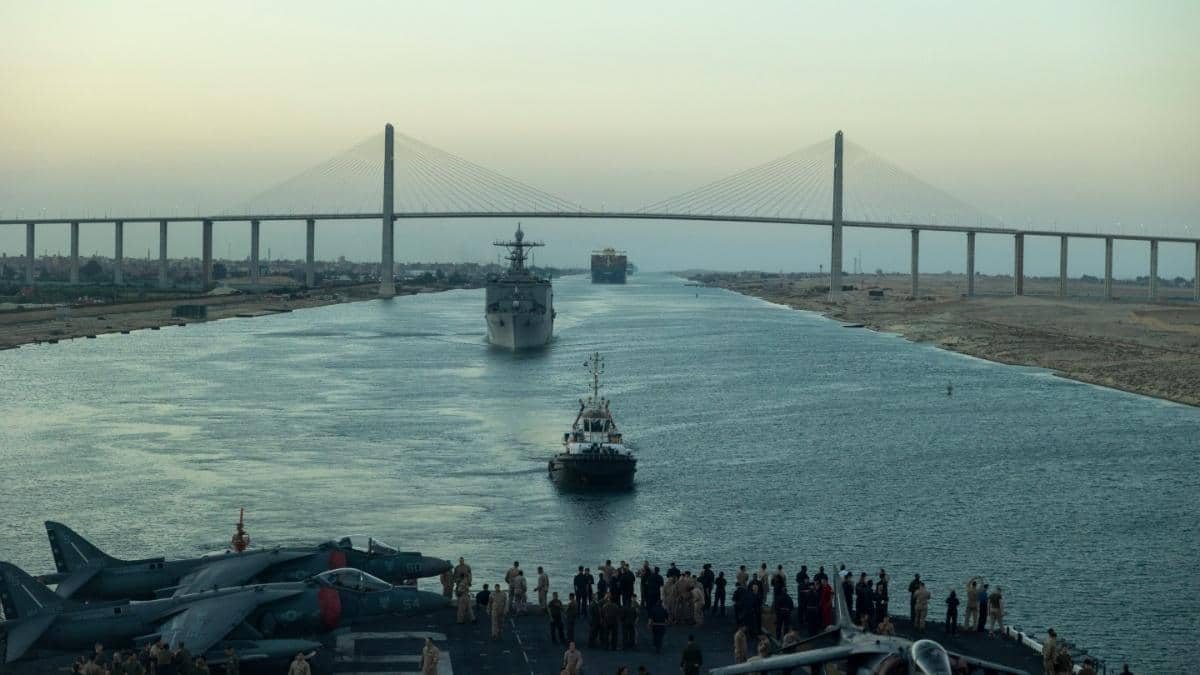
    Now, with conflict choking this passage and commercial ships under threat, attention has turned to a critical question: how can the United States reopen Hormuz?

    The Blockade Problem

    The challenge is not just naval, it is geographical and strategic.

    At its narrowest, Hormuz is only about 39 km wide, with shipping lanes squeezed into tight corridors. As noted by Gulf News, this makes large oil tankers highly vulnerable to attack.

    Iran’s Islamic Revolutionary Guard Corps (IRGC) has built a layered “area denial” strategy in the region. By controlling key islands such as Qeshm Island, Larak Island, and Abu Musa Island, it can monitor and potentially target vessels passing through.

    The result: a chokepoint where even limited disruption can ripple across global markets.

    The Marine Strategy: Control The Land To Free The Sea

    Contrary to popular belief, reopening Hormuz is not just about sending warships. Military planners increasingly see the United States Marine Corps as central to the operation, writes Jay Hilotin, the Senior Assistant Editor at Gulf News.

    Their role would be fast, targeted, and land-focused, enabling naval forces to operate safely, Hilotin notes.

    1. Seizing Key Coastal Positions

    Marines could launch amphibious or helicopter-borne assaults to capture missile and radar sites along Iran’s coastline. Controlling these positions would limit Iran’s ability to track and target ships.

    2. Neutralising Missile Threats

    Iran’s biggest leverage comes from shore-based anti-ship missiles. Marines could deploy precision systems like HIMARS, use drones for surveillance, and conduct raids to destroy mobile launchers.

    3. Supporting Mine-Clearing Operations

    Naval mines are one of the most dangerous threats in Hormuz. While the US Navy would lead clearance, Marines would secure coastlines to prevent further mining and protect vulnerable operations.

    4. Establishing Mobile Island Bases

    Under newer doctrines, Marines could set up small, mobile bases across islands, turning them into surveillance and missile hubs. This flips the equation, denying Iran the ability to control the strait.


    5. Special Operations Raids

    Elite Marine units could target command centres, drone hubs, and logistics networks, weakening Iran’s ability to sustain a blockade.

    In essence, as outlined by Gulf News, Marines do not “clear” the strait directly, they make it possible for others to do so.

    A Joint Military Effort

    Any reopening of Hormuz would require tight coordination:

    • US Navy: Escort ships, clear mines, ensure safe passage 

    • Air Power: Suppress missile systems and provide surveillance 

    • Marines: Control land, islands, and coastal threats 

    This integrated approach is designed to dismantle Iran’s layered defence system.

    Trump’s Push For NATO Support

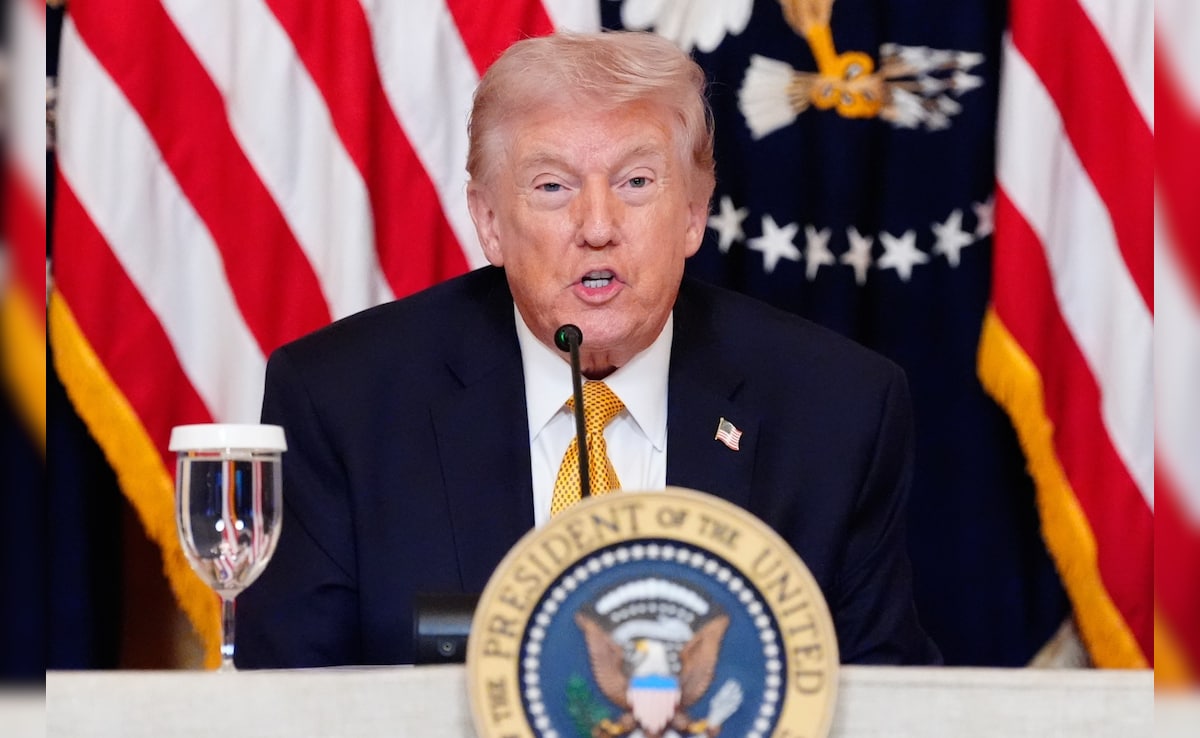
    Amid escalating tensions, Donald Trump has repeatedly urged NATO allies to play a more active role in securing global shipping lanes.

    His administration has:

    • Called for European naval participation in escort missions 

    • Sought access to allied bases, including from the United Kingdom 

    • Proposed burden-sharing in what could become a large-scale maritime security operation 

    However, as CNN reports, experts remain sceptical about how quickly such multinational coordination can materialise, especially given the scale required. Estimates suggest 8–10 destroyers may be needed just to escort a handful of tankers daily.

    Why This Crisis Is About Food Too

    The disruption of Hormuz is not just an energy story, it is a supply chain emergency.
    CNN highlights that Gulf countries import the vast majority of their food:

    • Saudi Arabia: over 80% 

    • United Arab Emirates: around 90% 

    • Qatar: about 98%

    With ships unable or unwilling to pass through Hormuz, cargo is being rerouted to ports in India and Sri Lanka, dramatically increasing costs. Retailers report price hikes of up to 20%, while insurance and freight charges have surged.

    Even air cargo, a fall-back option, has faced disruptions due to regional instability.

    A Name Rooted In Ancient Persia

    Interestingly, the name “Hormuz” is believed to trace back to Ahura Mazda, the supreme god of Zoroastrianism.

    Geographically, its distinctive narrow, curved (almost V-shaped) funnel is the result of millions of years of tectonic movement between the Arabian and Eurasian plates, combined with rising sea levels that flooded the low-lying land bridge that once connected the region. The “bend” reflects the natural coastline contours of Iran and the Musandam Peninsula (Oman), rather than a man-made or singular geological formation. 

    Over geological time, the strait is not meaningfully widening or narrowing in a rapid sense; any changes are extremely slow and driven by long-term sedimentation, erosion, and plate tectonics rather than short-term processes.

    The Bigger Picture

    Reopening the Strait of Hormuz is not simply a military objective, it is an economic and humanitarian necessity, reiterates the CNN report.

    From oil markets to supermarket shelves, the consequences of a prolonged blockade are already visible. And while the US Marines may play a decisive role on land, the success of any operation will depend on coordination at sea, in the air, and among global allies.

    In today’s interconnected world, a narrow stretch of water has become a pressure point for the entire planet.

    Click here to Read More
    Previous Article
    Saudi Arabia Expels Iran Military Attaché, Embassy Staff; Gives Them 24 Hours To Leave
    Next Article
    Iranian Missile Hits Near Israel's Nuclear Site; Dozens Injured

    Related World Updates:

    Are you sure? You want to delete this comment..! Remove Cancel

    Comments (0)

      Leave a comment