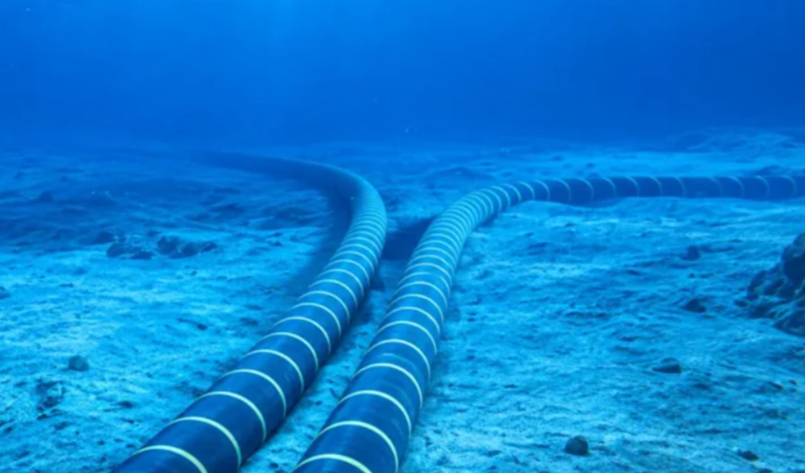
Canada's proposed Leif Erikson cable could connect Norway to Labrador and Montreal, offering another route to Europe. Funding and approvals remain pending.
Canada–Europe Undersea Cable: $620 Million Project Could Bypass US Routes
By News National Editorial Team
Canada could gain an alternative digital connection to Europe through a proposed transatlantic fibre-optic cable project designed to reduce reliance on routes passing through the United States. Norwegian infrastructure company Bulk Infrastructure is seeking Canadian investment and a majority Canadian owner for its proposed Leif Erikson cable project, which is estimated to cost more than US$620 million.
The proposal would connect Norway with Labrador through an undersea cable and extend the network overland towards Montreal, creating another potential route for international data traffic between Canada and Europe.
The project reflects growing interest in digital infrastructure that gives countries and businesses greater choice over how international data travels. However, the cable remains a proposal rather than an operational connection, and its progress depends on financing, commercial agreements and regulatory approvals.
What Is the Leif Erikson Cable Project?
The Leif Erikson project is a proposed transatlantic telecommunications link intended to connect European networks with Canada's digital infrastructure without relying on a route through the United States for the planned connection.
According to project descriptions, the undersea cable would run from Norway across the Atlantic Ocean to the Happy Valley–Goose Bay area of Labrador, in Canada's province of Newfoundland and Labrador. A terrestrial fibre-optic route would then carry the connection through Quebec towards Montreal.
The planned system would combine subsea infrastructure with a land-based network, potentially providing telecommunications companies, data centres and other large users with an additional international connection.
Unlike conventional internet cables that connect multiple countries and network hubs, the significance of this proposal lies in the specific route it seeks to establish between northern Europe and eastern Canada.
Why Does Canada Want an Alternative Route to Europe?
International internet traffic moves through interconnected fibre-optic networks, including submarine cables that carry enormous volumes of data between continents. These systems support cloud computing, online banking, business communications, digital services and many other essential activities.
Canada already has international connectivity, including routes linking it with the United States and Europe. The proposed Leif Erikson cable would add another potential option rather than replace existing infrastructure.
An additional route could help diversify Canada's international connectivity and reduce dependence on particular network corridors. It could also offer telecommunications providers more choices when planning data traffic and managing network resilience.
However, an alternative cable would not automatically eliminate all dependence on US-based networks. The actual route taken by data would depend on how telecommunications providers configure their networks, the services purchased and the locations of connected infrastructure.
How Could the Project Support AI and Data Centres?
Demand for international data capacity is increasing as businesses expand their use of cloud computing, artificial intelligence (AI), digital platforms and data-intensive applications.
AI systems and cloud services depend on reliable connections between data centres, computing facilities and customers. International fibre-optic links form part of the infrastructure supporting those connections.
A direct Canada–Europe cable could provide additional capacity and routing options if it attracts sufficient commercial demand. It may also be relevant to companies seeking greater diversity in their international network connections.
Nevertheless, the project’s actual performance, capacity, latency and commercial pricing will depend on its final technical design and operating arrangements. These details should not be assumed to be confirmed while the project remains in development.
A Project Estimated to Cost More Than US$620 Million
Building a transatlantic cable requires substantial investment in marine surveys, cable manufacturing, installation vessels, landing facilities and terrestrial fibre connections. Long-term maintenance and network operations also add to the cost.
Bulk Infrastructure is seeking Canadian participation, including a majority Canadian owner, to help advance the proposed project.
Securing a Canadian investment partner could support financing and help establish commercial relationships with telecommunications operators and other potential customers. However, the project also needs sufficient demand to justify the investment.
The estimated cost exceeds US$620 million, but the proposal's financial structure, final funding commitments and construction timetable must be confirmed through official project announcements.
Funding, Approvals and Customers Remain Key Challenges
Several important steps remain before the Leif Erikson project could become operational.
First, the developers must secure the necessary capital and establish a workable ownership structure. They must also attract customers willing to purchase capacity or otherwise support the network commercially.
Second, the project will require relevant regulatory and environmental approvals, including those associated with the marine route, cable landing locations and terrestrial infrastructure. Depending on the final design, consultations with affected communities and other stakeholders may also be required.
Third, the developers must complete technical planning and establish a construction and maintenance strategy. Submarine cable projects can face challenges related to ocean conditions, installation logistics, repair costs and coordination across jurisdictions.
Until these requirements are addressed, the proposed cable should not be described as fully funded, approved or under construction.
What Would the Cable Mean for Canada and Europe?
If completed, the Leif Erikson system could give Canada an additional route to European digital networks and increase the diversity of its international connectivity options.
For telecommunications providers, additional infrastructure can create more flexibility in network planning. For businesses and data-centre operators, a new route could offer another option for connecting facilities across the Atlantic.
The wider significance lies in the growing strategic importance of digital infrastructure. Submarine cables are essential to the global economy, carrying international data that supports commerce, research, communications and digital public services.
However, the benefits of the proposed connection would depend on its final design, available capacity, commercial adoption and integration with existing networks.
Bulk Infrastructure's Leif Erikson project proposes a new transatlantic fibre-optic route linking Norway with Labrador and extending towards Montreal. With an estimated cost exceeding US$620 million, the plan aims to offer Canada another option for connecting with Europe without routing the planned connection through the United States.
The proposal highlights growing interest in resilient and diversified digital infrastructure. Its next major milestones will be securing Canadian investment, obtaining the required approvals and attracting customers.
For now, the project remains a proposed connection—not a completed cable or a confirmed federal investment.
Sources for editorial verification: Bulk Infrastructure's official fibre-network information and published reporting on the Leif Erikson proposal.
Editorial disclaimer: Project details and estimated costs are based on publicly reported proposals. News National has not independently verified that all financing, approvals or construction arrangements have been secured.
image: A 4,200km undersea cable promises to deliver vast amounts of clean energy to Singapore. (Image: Sun Cable via Nanyang Technological University)